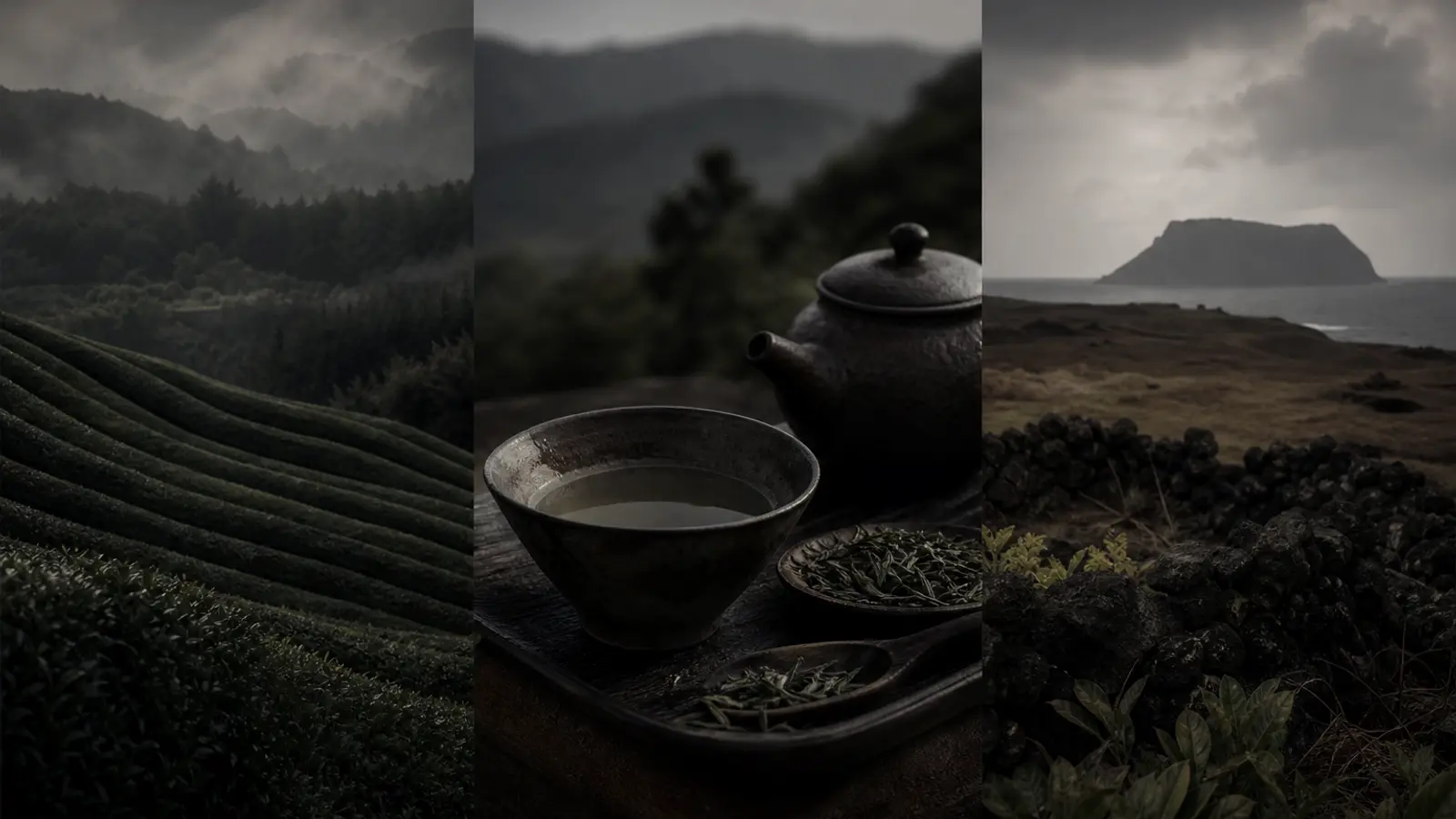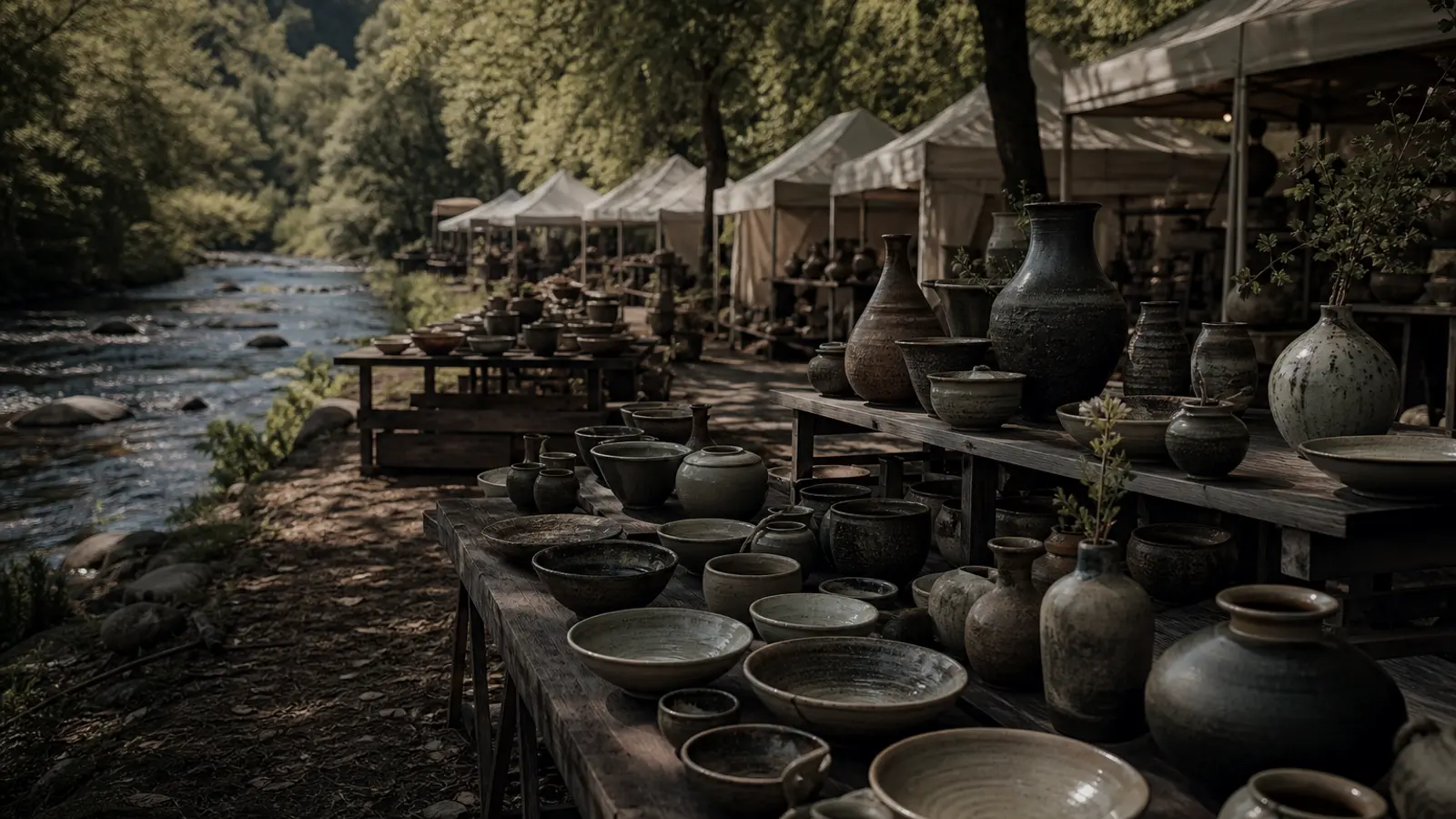
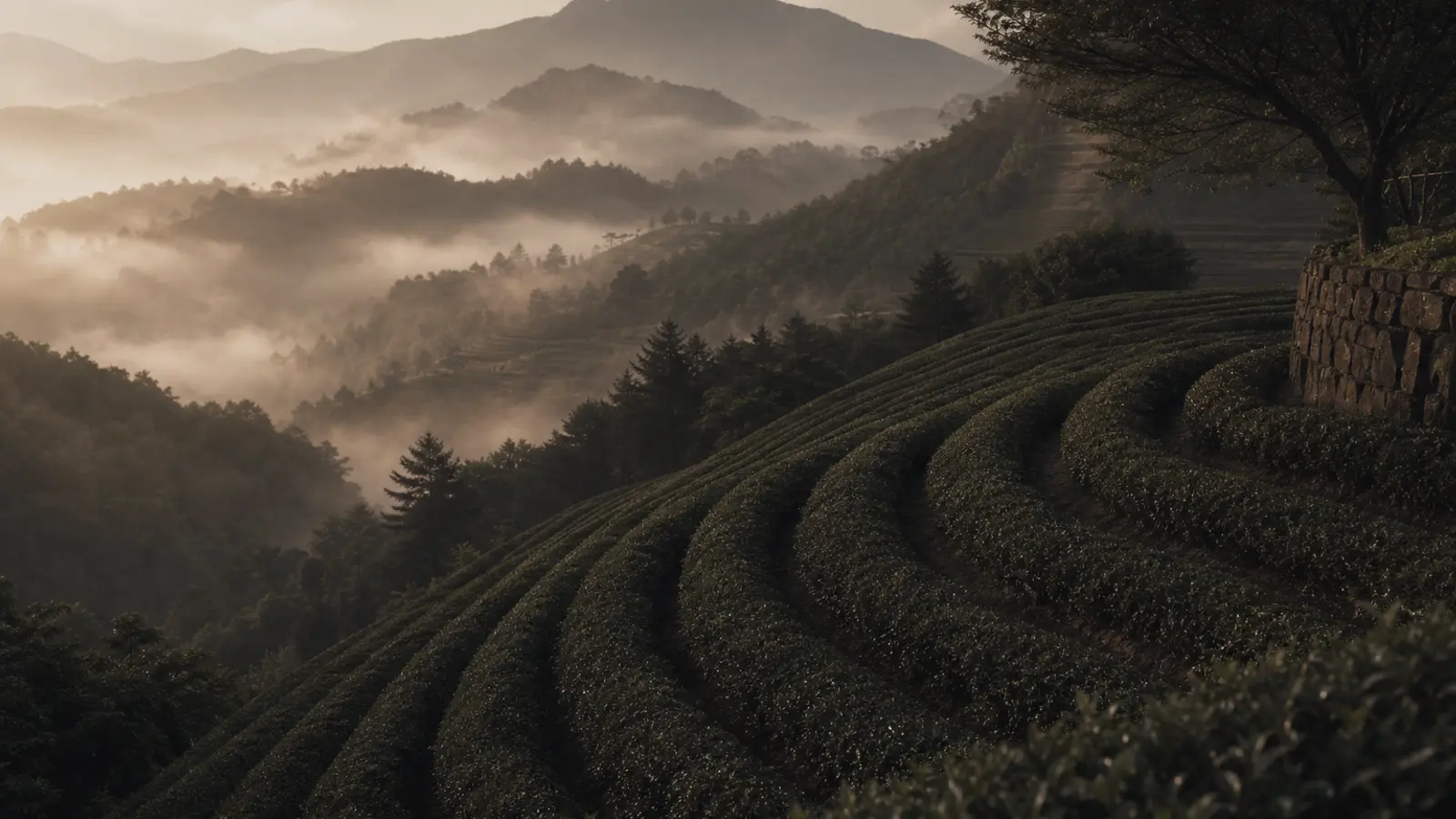
South Korea is one of the most underrated tea destinations in Asia, and visiting Korean tea regions is remarkably straightforward. The country is compact. Three major tea-growing areas — Boseong, Hadong, and Jeju — can be reached from Seoul within a few hours each, and a dedicated traveler can visit all three in a single week-long trip. This is a country where bullet trains run on time, signage increasingly appears in English, and the tea itself is exceptional once you get past the tourist-facing layer.
I should note upfront: my wife is Korean, and our family visits Korea regularly. What follows draws on that accumulated familiarity, though dedicated region-by-region tasting reports will come in future Steep Atlas coverage. For now, consider this your practical roadmap.
Why Korea Deserves a Place on Your Tea Travel List
Korea occupies an unusual position in the tea world. It produces relatively small volumes — nothing close to China, Japan, or India — but what it produces is distinctive and made with extraordinary care. Korean green tea (녹차, nokcha) is pan-fired in the Chinese tradition rather than steamed in the Japanese style, yielding a flavor profile that splits the difference: cleaner than most Chinese greens, warmer than most Japanese ones.
The cultural layer runs deep. Tea ceremony (다례, darye) remains a living practice tied to Buddhist temples, Confucian scholars, and a growing community of contemporary enthusiasts. When you visit a Korean tea region, you’re not just seeing agriculture — you’re stepping into a culture that treats tea as a contemplative practice with over a thousand years of documented history.
Think of it this way: if Japanese tea culture is orchestral — precise, choreographed, ensemble-driven — Korean tea culture is chamber music. Intimate, improvisational, deeply personal.
Boseong (보성): The Photogenic Gateway
Boseong is where most tea travelers start, and for good reason. It’s the most accessible and most visually dramatic tea region in Korea.
What to See
Daehan Tea Plantation (대한다원) is the most photographed tea landscape in the country. Rows of manicured tea bushes climb sculpted hillsides, maintained continuously since the 1950s. In May and June, during fresh growth season, the terraces glow an almost unreal shade of green. You’ve likely seen photos even if you didn’t know the location.
The Boseong Green Tea Festival (보성다향제) runs annually in May. It’s a proper regional festival — tea-picking experiences, tastings, cultural performances, local food stalls. The vibe is festive and family-friendly rather than connoisseur-focused, but it puts you in Boseong at exactly the right time of year.
Beyond the Tourist Layer
Here’s the thing about Daehan: it’s beautiful, but the tea is industrial-grade by Korean standards. The real Boseong experience lives in the small family-run farms scattered through the surrounding hills. These are less photogenic — no manicured rows, no Instagram angles — but the tea and the conversations are better.
Ask locally. The tourist information office in Boseong-eup can sometimes point you toward farms welcoming visitors. A few words of Korean go a long way: “차밭 방문할 수 있어요?” (chabat bangmunhal su isseoyo? — “Can I visit the tea field?”) will open more doors than you’d expect.
When to Go
May is the prime window — festival season, peak freshness, luminous green hillsides. September through October is a quieter alternative: autumn color, second-flush teas, and far fewer tourists.
Getting There
From Seoul, express buses to Boseong take 4–5 hours. The more comfortable route: take the KTX to Gwangju (about 2 hours), then a local bus to Boseong (1.5 hours). Gwangju itself is worth a day — one of Korea’s best food cities and a hub of contemporary art.
Hadong (하동): The Pilgrimage for Serious Tea People
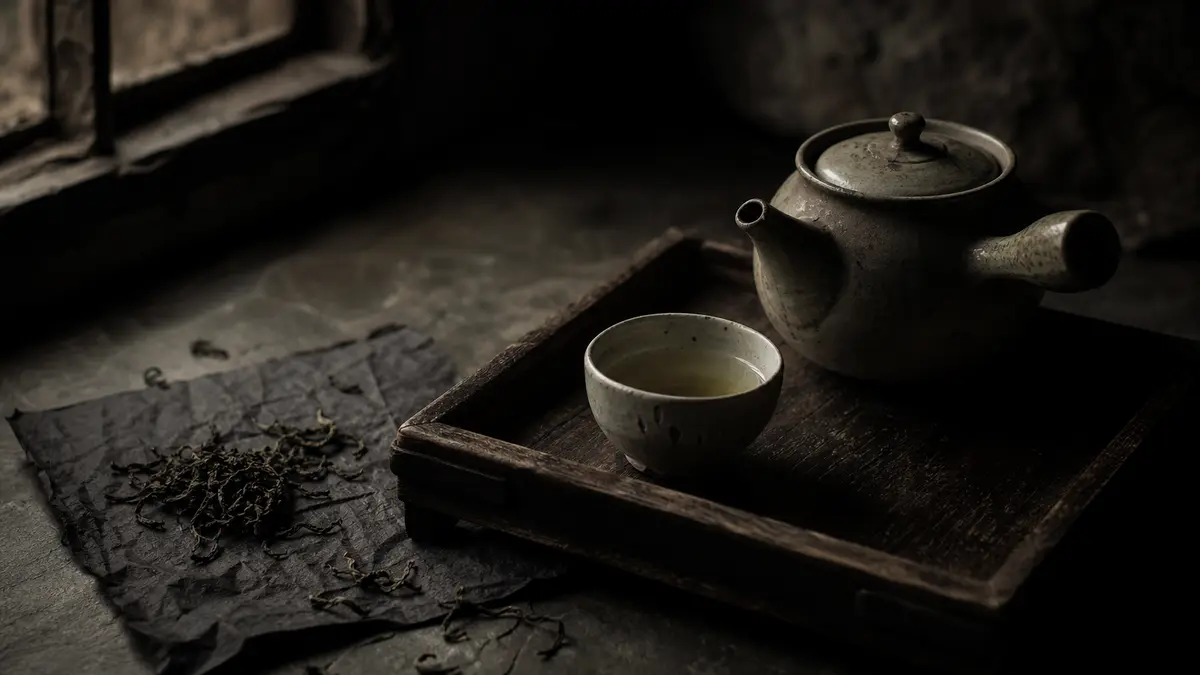
If Boseong is Korea’s Napa Valley — accessible, scenic, tourist-friendly — Hadong is its Burgundy. This is where you go for depth, not spectacle.
The Hwagae Valley Experience
The Hwagae Valley (화개골) road leading to Ssanggyesa Temple (쌍계사) is lined with small tea shops and artisan producers. Some have been making tea in the same families for generations. The dynamic here is personal: you walk in, you sit down, someone pours tea. If you show genuine interest — real curiosity rather than tourist photography — many producers will open up about their process, their cultivars, their philosophy.
This is not a grab-and-go experience. Budget time. A single afternoon in one small Hadong tea shop can teach you more about Korean tea than a week of reading.
Ssanggyesa Temple and Tea Ceremony
Ssanggyesa is historically significant as one of the sites where tea cultivation was first established in Korea, traditionally attributed to seeds brought from Tang Dynasty China. The temple offers templestay programs (bookable through the official templestay.com site in English) that include tea ceremony practice. Spending a night in a Korean mountain temple, drinking tea prepared with monastic attention, is one of the most grounding travel experiences I can recommend.
Wild Tea on Jirisan
For the dedicated: the yasaeng-cha (야생차, wild tea) areas on the slopes of Jirisan (지리산) require hiking, but seeing tea plants that have grown wild for centuries — some reportedly over a thousand years old — is worth the effort. These aren’t manicured rows. They’re gnarled, scattered plants growing among deciduous forest on steep mountain terrain. The tea made from these wild trees has a mineral depth and a lingering sweetness (회감, hoegam — the Korean cognate of huigan 回甘) that’s unlike anything from cultivated fields.
Getting to the wild tea areas requires local guidance. Ask at tea shops in the Hwagae Valley — producers who work with wild-picked material can often point you in the right direction or, occasionally, accompany you.
When to Go
April through May for harvest observation. Mid-April is peak first-flush picking, and while farms may be closed to casual visitors during the busiest harvest days, you can observe the process and find producers willing to share freshly made tea in the evenings. Call ahead if possible.
Getting There
Take the KTX from Seoul to Jinju (진주, approximately 2.5 hours), then a local bus to Hadong (about 1 hour). The total journey is roughly 4 hours door-to-door. Alternatively, rent a car — the drive through the southern countryside is beautiful, and a car gives you flexibility to explore smaller roads in the Hwagae Valley.
Jeju (제주): Tea Tourism Meets Volcanic Terroir
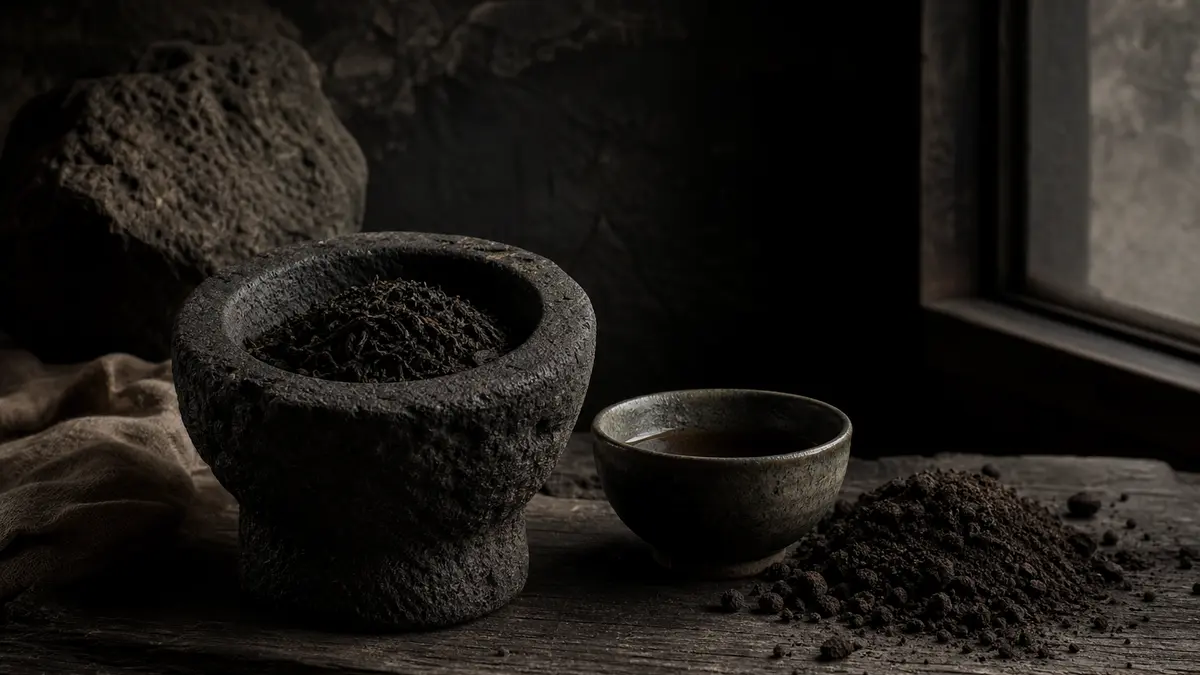
Jeju Island operates on different rules from the mainland. It’s Korea’s premier domestic tourism destination — a volcanic island with subtropical edges and its own distinct culture. Tea here benefits from unique terroir: volcanic basalt soil, maritime humidity, and the elevation gradient of Hallasan (한라산), Korea’s highest peak.
The Osulloc Experience
The Osulloc Tea Museum (오설록), run by Amorepacific’s tea subsidiary, is Jeju’s most visited tea-related attraction. The architecture is striking — a modern glass-and-concrete structure set against rolling tea fields. Inside, you’ll find exhibition space covering Korean tea history and production, tasting rooms where you can sample the Osulloc range, and inevitably, a gift shop.
Is it worth visiting? Yes, with calibrated expectations. Osulloc is a polished corporate experience, not an artisan one. The tea is competent but standardized. Think of it as the introductory course — useful context for understanding Korean tea culture at scale, and the surrounding fields are genuinely beautiful.
Beyond Osulloc: Independent Jeju Farms
This is where it gets interesting. Independent farms on the mid-slopes of Hallasan produce teas with a volcanic mineral signature that’s distinctive even within Korea. These aren’t widely known — few outside the country have tasted them. The tea can be exceptional: a Jeju sejak (세작, the second-grade spring picking) from a good independent producer will show a savory-sweet character with a chalky minerality that maps surprisingly well onto volcanic-soil wines.
Finding these farms requires local inquiry. Ask at Jeju tourist information centers for 차밭 (chabat, “tea field”) visits. Some mid-slope farms welcome visitors by arrangement, though English-language information is scarce.
When to Go
April through May for harvest season. But Jeju is pleasant year-round — the subtropical climate keeps it milder than mainland Korea in winter and cooler in summer. If tea is one component of a broader Jeju trip, any season works.
Getting There
Fly. Seoul to Jeju is about 1 hour, with dozens of daily flights on multiple carriers. It’s one of the world’s busiest air routes. Budget airlines make it affordable — fares can run under $50 USD one way if booked in advance.
Practical Tips for a Korean Tea Farm Visit
Essential Vocabulary
A handful of Korean words will transform your experience. Most artisan producers speak limited English, but they are generous with gesture and tea — and attempting Korean signals respect.
| Korean | Romanization | Meaning |
|---|---|---|
| 녹차 | nokcha | green tea |
| 세작 | sejak | second-grade spring tea |
| 우전 | ujeon | pre-rain premium grade |
| 다례 | darye | tea ceremony |
| 시음 | si-eum | tasting |
| 차밭 | chabat | tea field |
| 야생차 | yasaeng-cha | wild tea |
| 감사합니다 | gamsahamnida | thank you |
Money and Purchasing
Bring cash for small farm purchases. Many artisan producers don’t accept cards. Korean tea from small producers is not cheap — expect to pay $15–$40 USD for 50g of good sejak, more for ujeon (우전, pre-rain grade) or wild-picked material. This reflects genuinely small-scale, hand-processed production. It’s worth it.
Timing and Access
Korean tea farms are typically closed to casual visitors during peak harvest, which falls around mid-April. If you’re visiting during that window, call ahead. Outside peak harvest, most producers are welcoming — especially if you demonstrate genuine interest rather than treating the visit as a photo opportunity.
Suggested Itineraries
One region only: Hadong for depth and artisan connection; Boseong for visual spectacle and easier logistics.
Full tea trip (7–10 days):
- Fly Seoul → Jeju (1 hour). Spend 2–3 days: Osulloc, independent farms, enjoy the island.
- Fly Jeju → Gwangju (45 minutes). Bus to Boseong (1.5 hours). Spend 1–2 days in the tea plantations.
- Bus or drive Boseong → Hadong (2–3 hours via Suncheon). Spend 2–3 days in the Hwagae Valley and Ssanggyesa.
- KTX Jinju → Seoul (2.5 hours).
This routing moves roughly west to east across Korea’s southern coast, which is where all Korean tea grows. The entire trip is manageable on public transit, though a rental car adds flexibility in Hadong especially.
What Makes Korean Tea Travel Different
Visiting Korean tea regions is a fundamentally different experience from tea tourism in China or Japan. The scale is intimate. You won’t find vast factory floors or hundreds of hectares of monoculture. Instead, you’ll find small families making tea on hillsides, monks preparing tea in mountain temples, and a culture that treats the act of sitting together over tea as something close to sacred.
The infrastructure is modern — Korea’s transit system is excellent, accommodation is clean and affordable, and the food alone justifies the trip. But the tea world you’re stepping into is ancient and personal. A producer in Hadong might serve you tea from bushes their grandparents planted. A monk at Ssanggyesa might pour with a stillness that makes you forget you were in a hurry.
Go with patience. Go with curiosity. Leave the itinerary loose enough to sit when someone invites you to sit. The best Korean tea experiences can’t be scheduled — they emerge from showing up with an open afternoon and genuine interest.
That combination, in my experience, never fails to be rewarded.