Learn — Tea Guides and Deep References
Brewing guides, processing science, tea type deep dives, and terroir analysis — with specific parameters and honest knowledge grading.
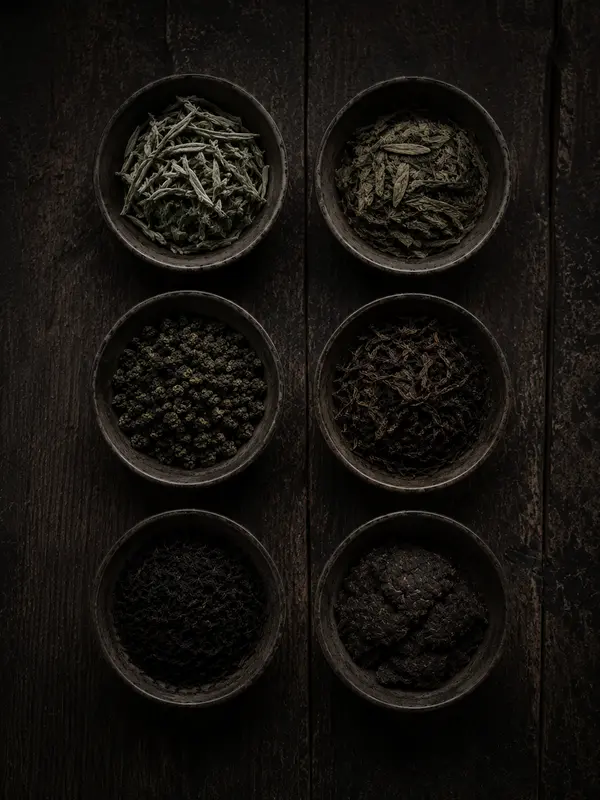
Steep Atlas Learn covers the foundational knowledge behind serious tea — from the six categories of Chinese tea processing to the specific terroir differences between Yiwu and Bulang mountain pu-erh. Every guide targets a single topic and aims to be the most comprehensive resource available on that subject.
Guides include specific, reproducible parameters: water temperatures to the degree, leaf-to-water ratios by gram, steep timing progressions documented across ten or more infusions. Brewing methodology is covered with the same precision — gongfu (功夫) technique, western brewing adaptations, and grandpa-style preparation each get dedicated treatment.
The content spans processing science (kill-green methods, wo dui fermentation, oxidation control), tea types (sheng and shou pu-erh, oolong, green, white, black, hei cha, yellow), terroir analysis (how elevation, cultivar, soil, and climate shape character), and the sensory framework for evaluating what you taste — including huigan (回甘), mouthfeel, qi (氣), and steep progression.
Every claim is graded: firsthand experience, research, or hypothesis. The map fills in one guide at a time.
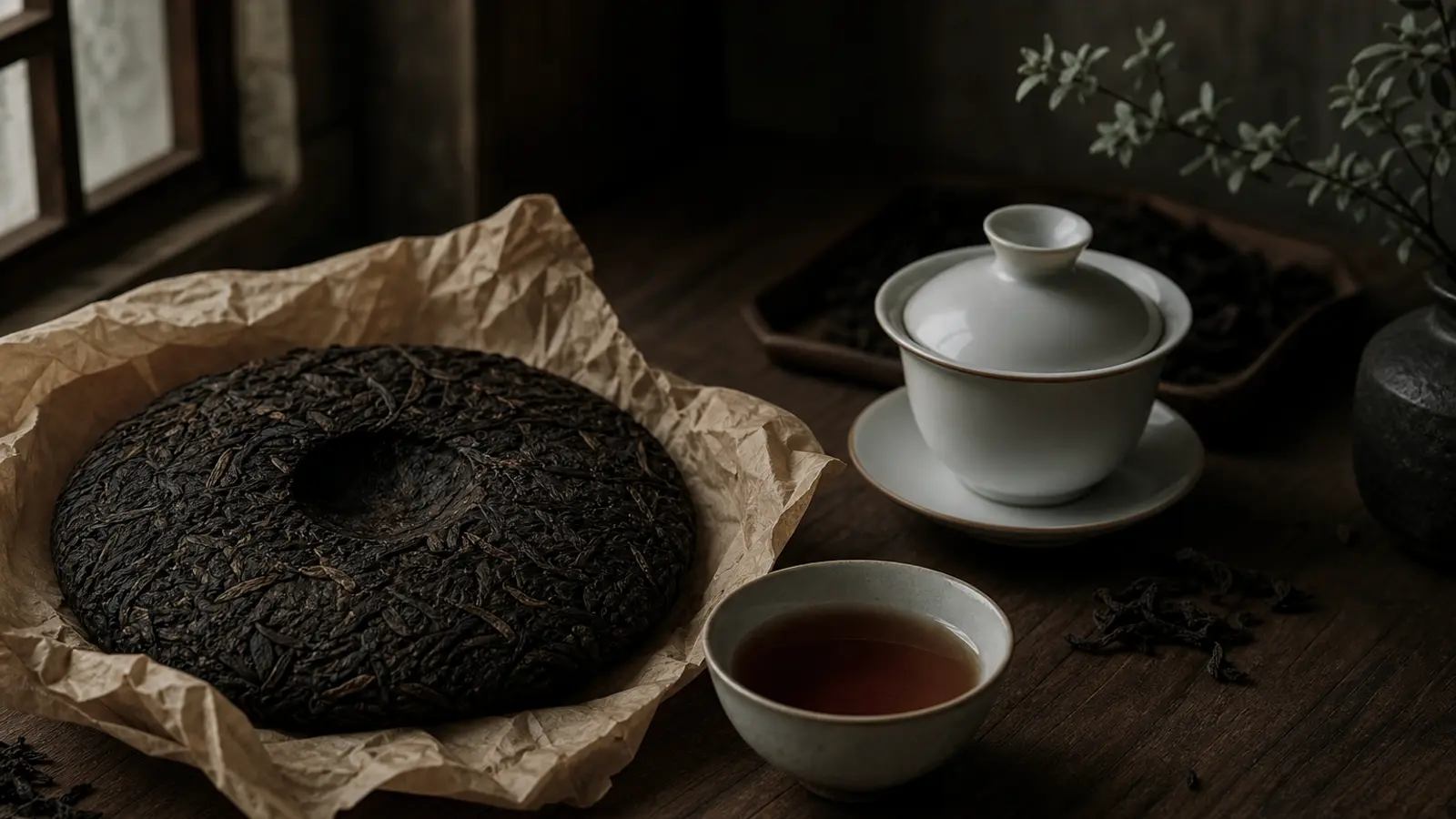
Best Pu-erh Tea for Beginners: Where to Start Without Getting Lost
The best pu-erh for beginners is a quality shou (ripe) pu-erh cake. Here's a clear path from first tea to terroir, with honest budget guidance.
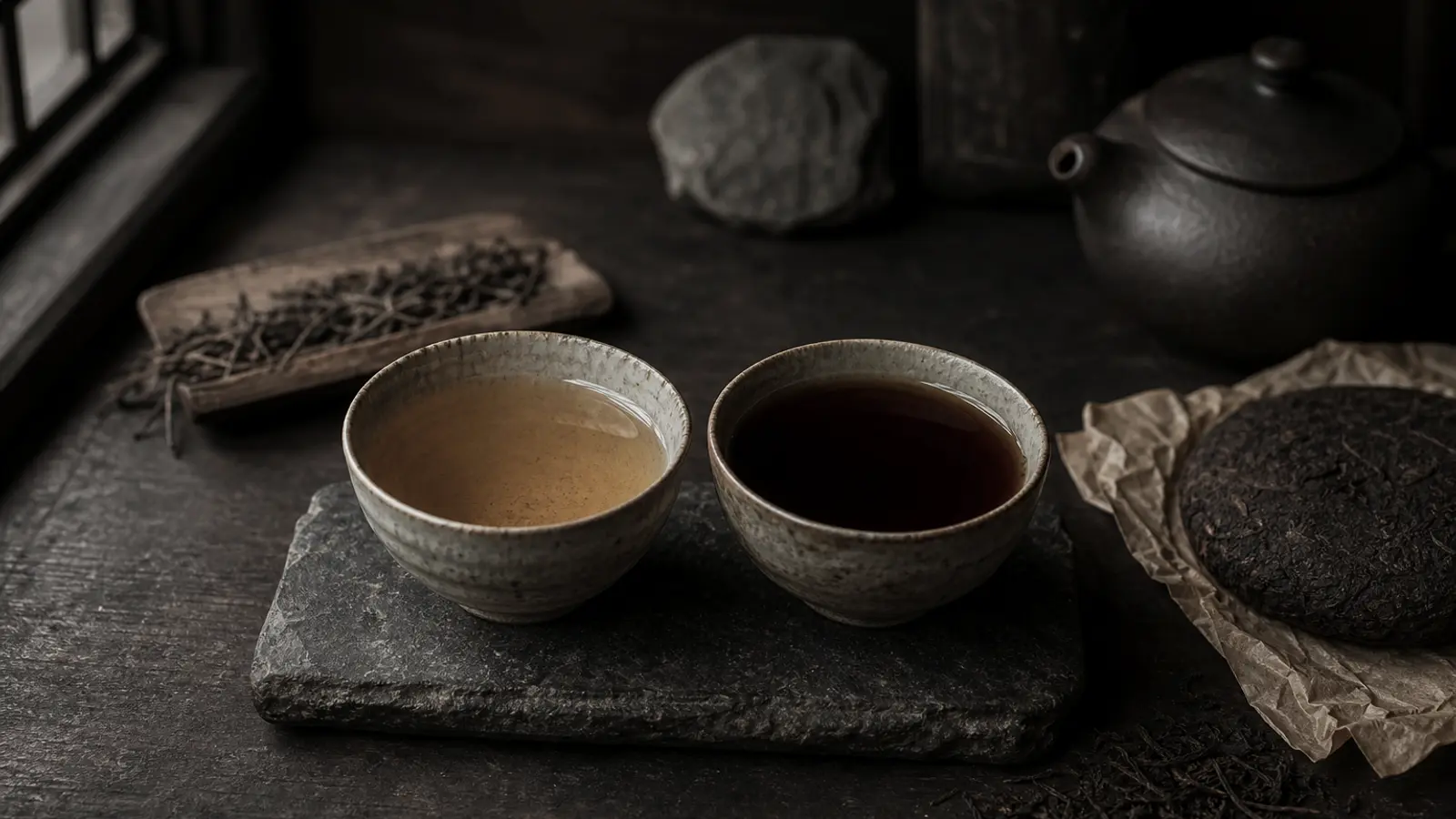
What Does Pu-erh Tea Taste Like? A Flavor Map
Pu-erh tea tastes like earth and time — but the range is vast. A firsthand flavor map of shou, young sheng, aged sheng, and vintage pu-erh.
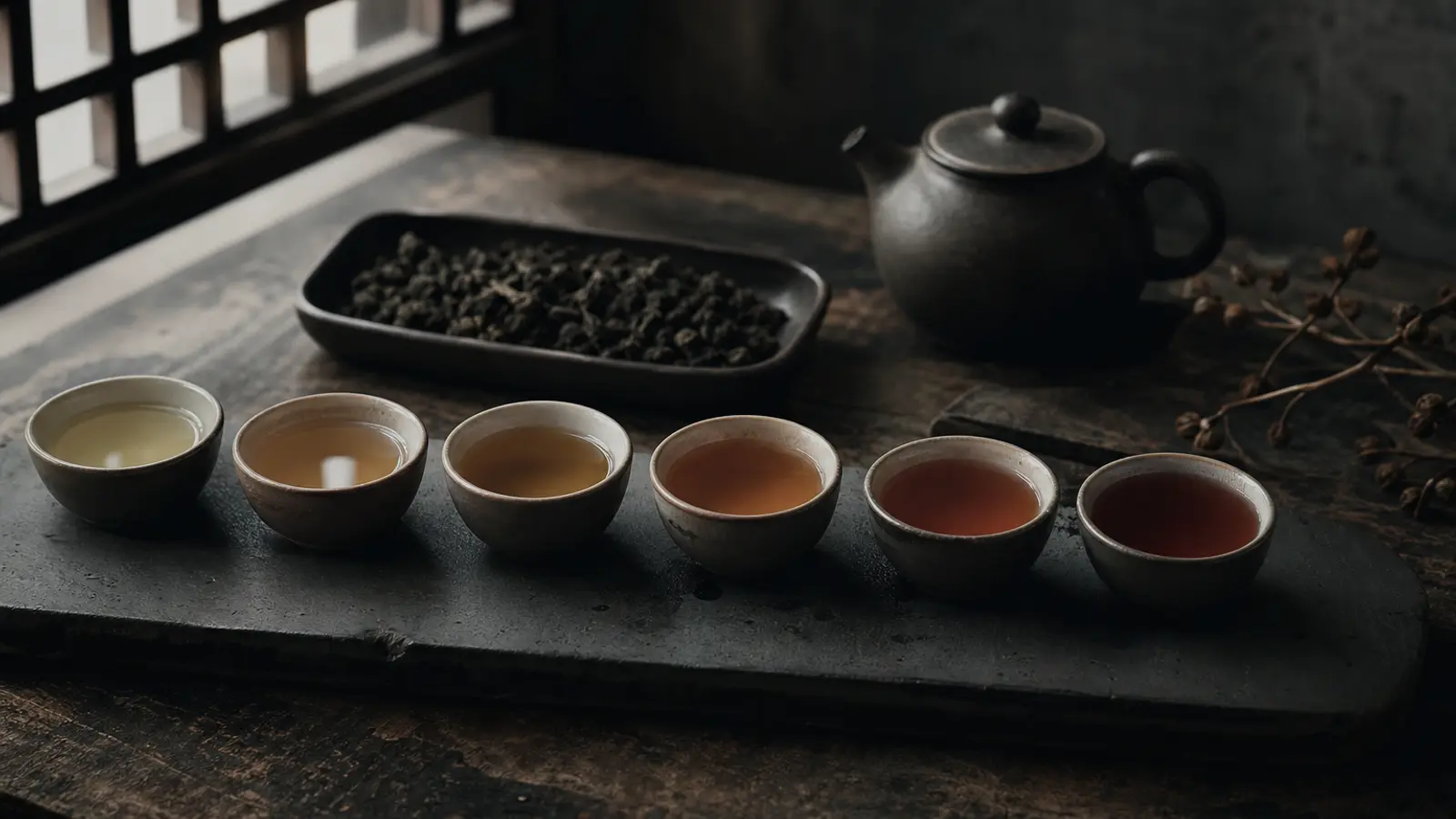
Dancong Aroma Types: A Guide to Phoenix Mountain's Fragrance Families
A guide to the 10 major dancong aroma types (香型), from Mi Lan Xiang honey orchid to Ya Shi Xiang duck shit oolong. Navigate Phoenix Mountain's fragrance...
How to Brew Dancong: The Most Demanding Oolong
Dancong oolong demands faster, more precise brewing than any tea. Learn exact parameters, pour technique, and steep progression for Phoenix oolong.
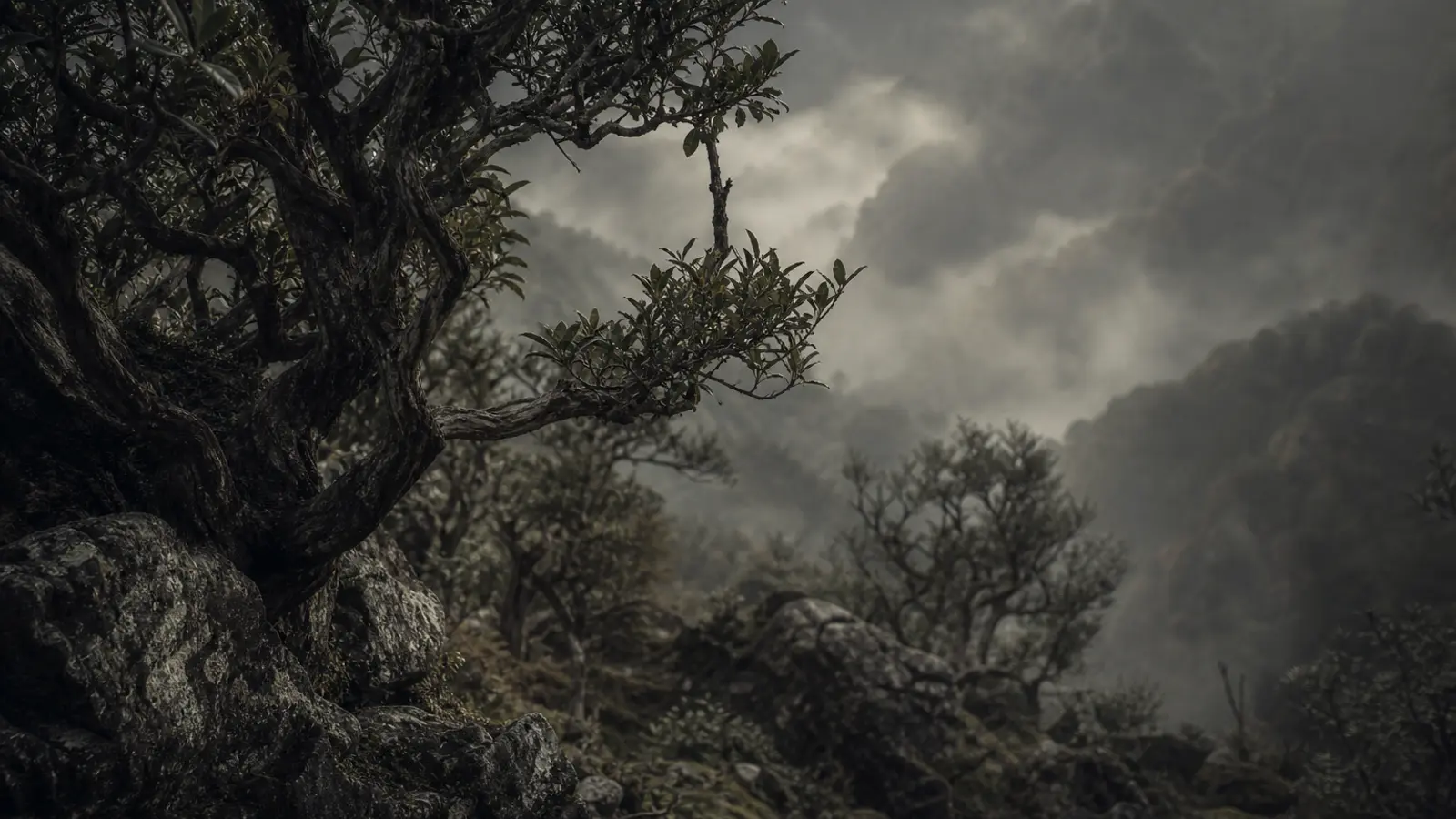
Phoenix Mountain Dancong: A Guide to Single-Bush Oolong
Complete guide to dancong oolong from Phoenix Mountain. Aroma types, brewing parameters, processing, and what makes single-bush oolong unique.
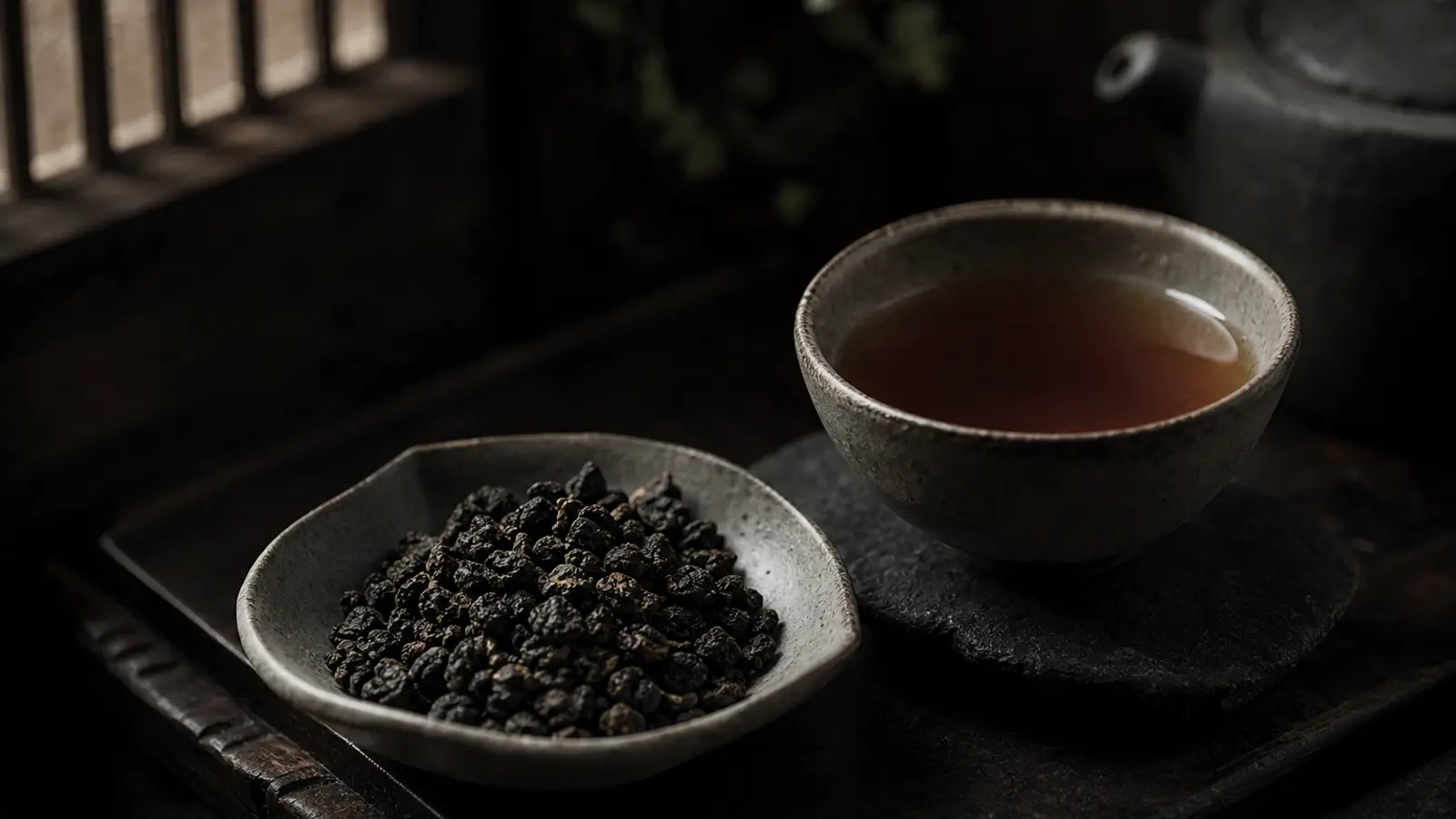
Dong Ding Oolong: The Original Taiwanese Tea
Dong Ding (凍頂) oolong is the roasted tea that built Taiwan's oolong identity. Learn its history, processing, flavor, and how it compares to high mountai...
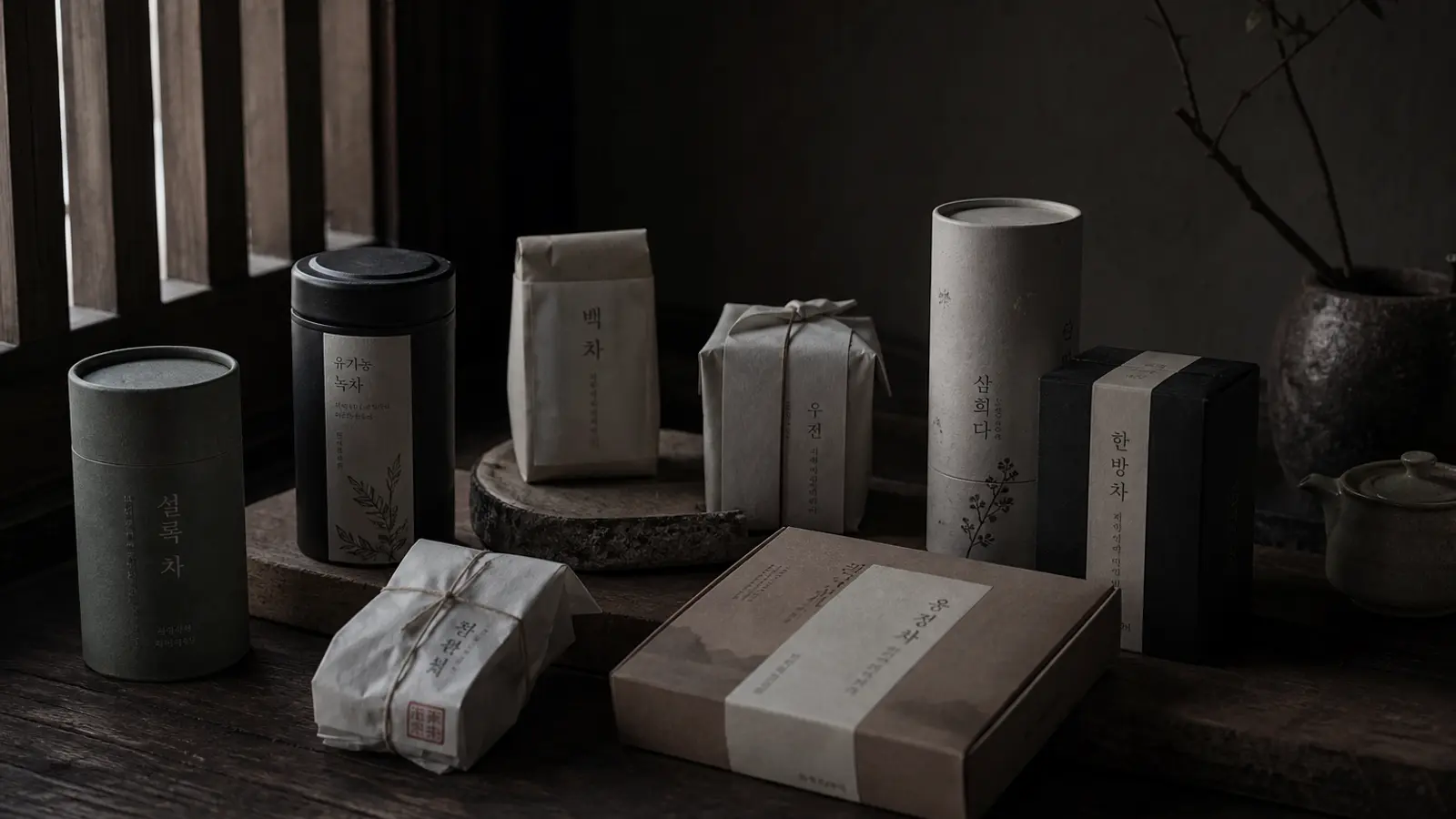
Where to Buy Korean Tea: A Sourcing Guide
Learn how to buy Korean tea online with confidence. Understand harvest grades, processing methods, origin markers, and pricing before you click purchase.
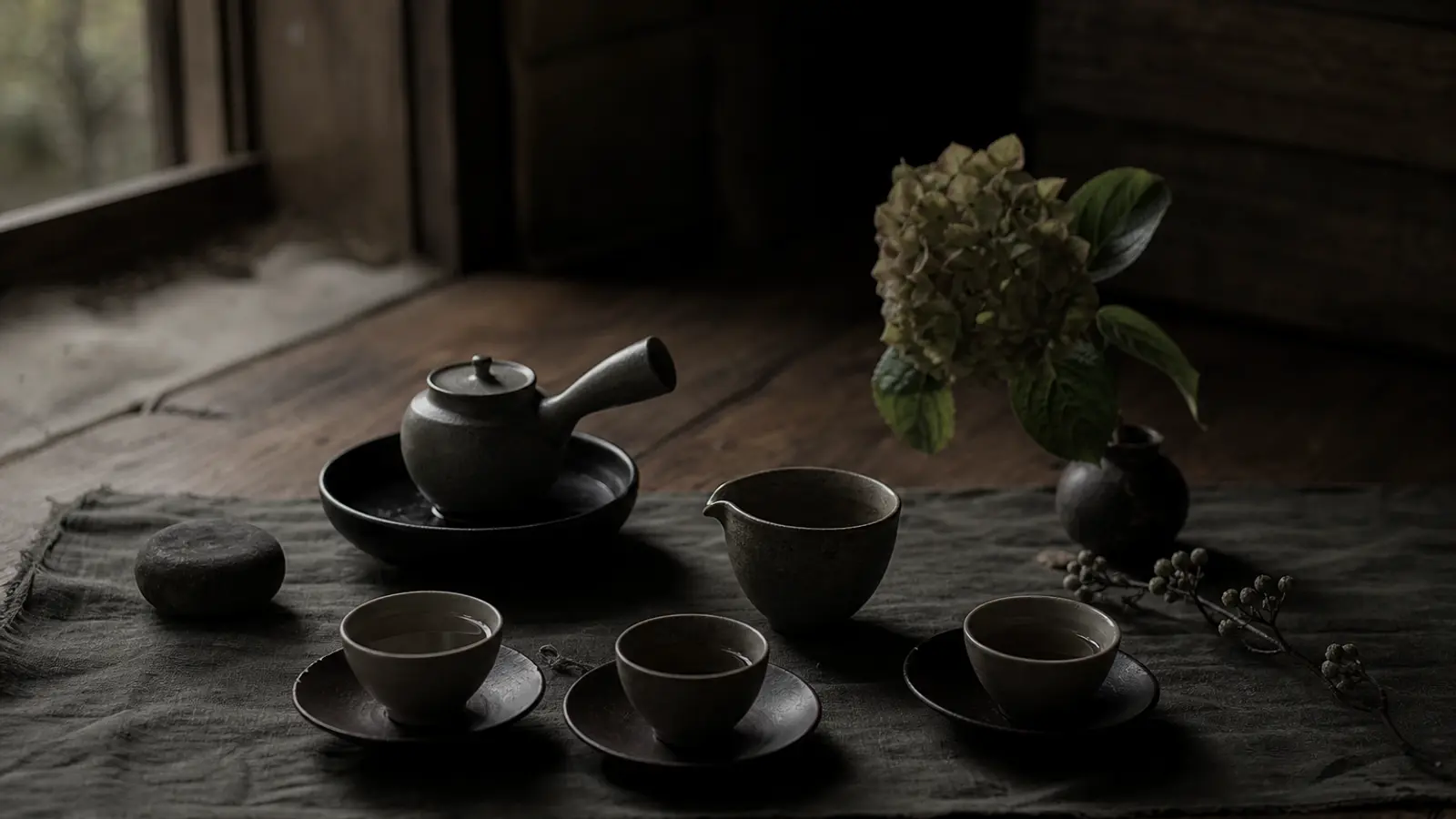
Korean Tea Ceremony: A Complete Guide to Darye
Learn darye, Korea's indigenous tea ceremony. This guide covers philosophy, equipment, step-by-step brewing, and how darye differs from Japanese and Chi...
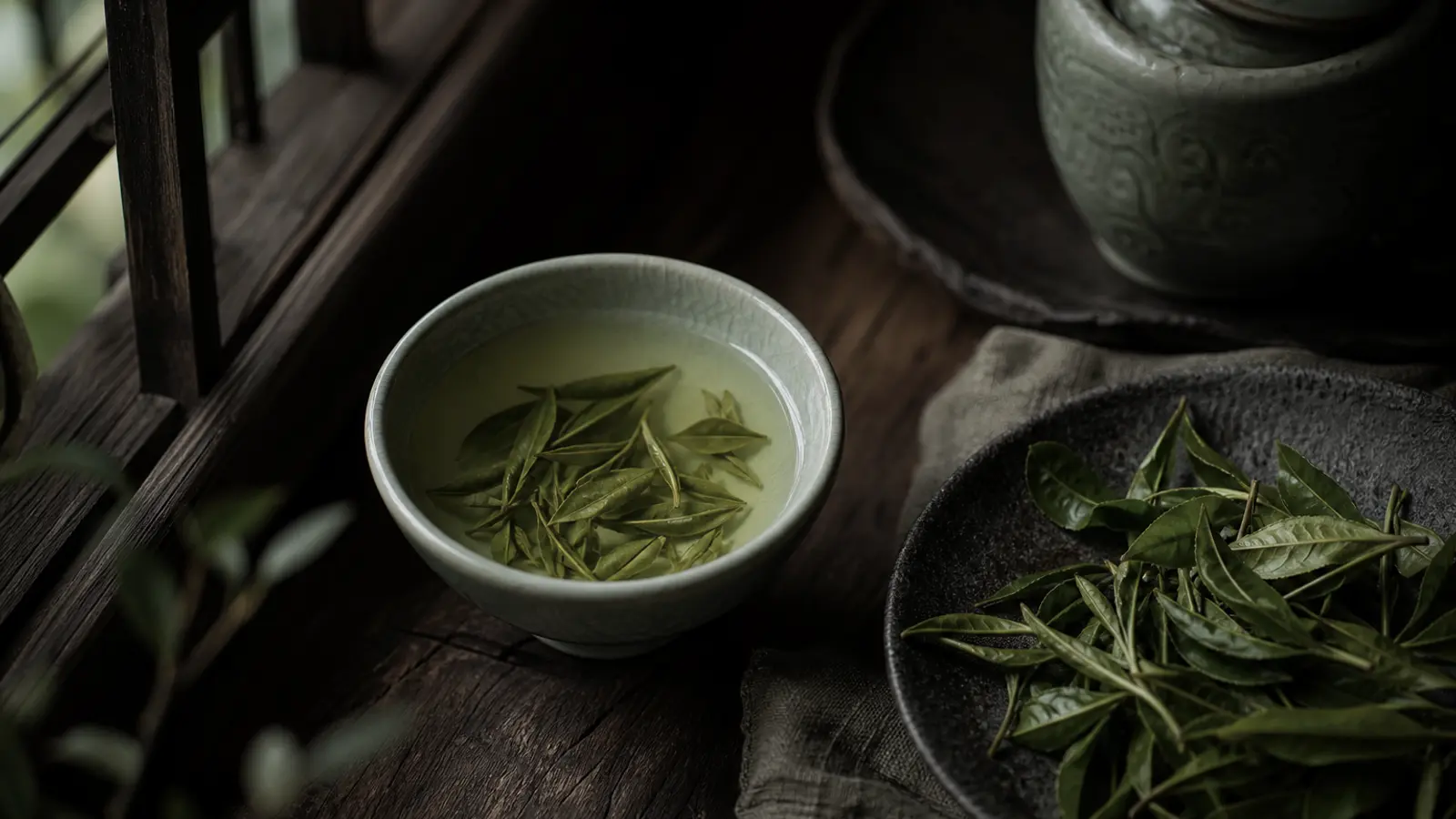
Korean Green Tea: A Complete Guide to Nokcha
Korean green tea across three terroirs — Boseong, Hadong, and Jeju. Pan-firing, harvest grades, brewing, and why Korean tea deserves more attention.
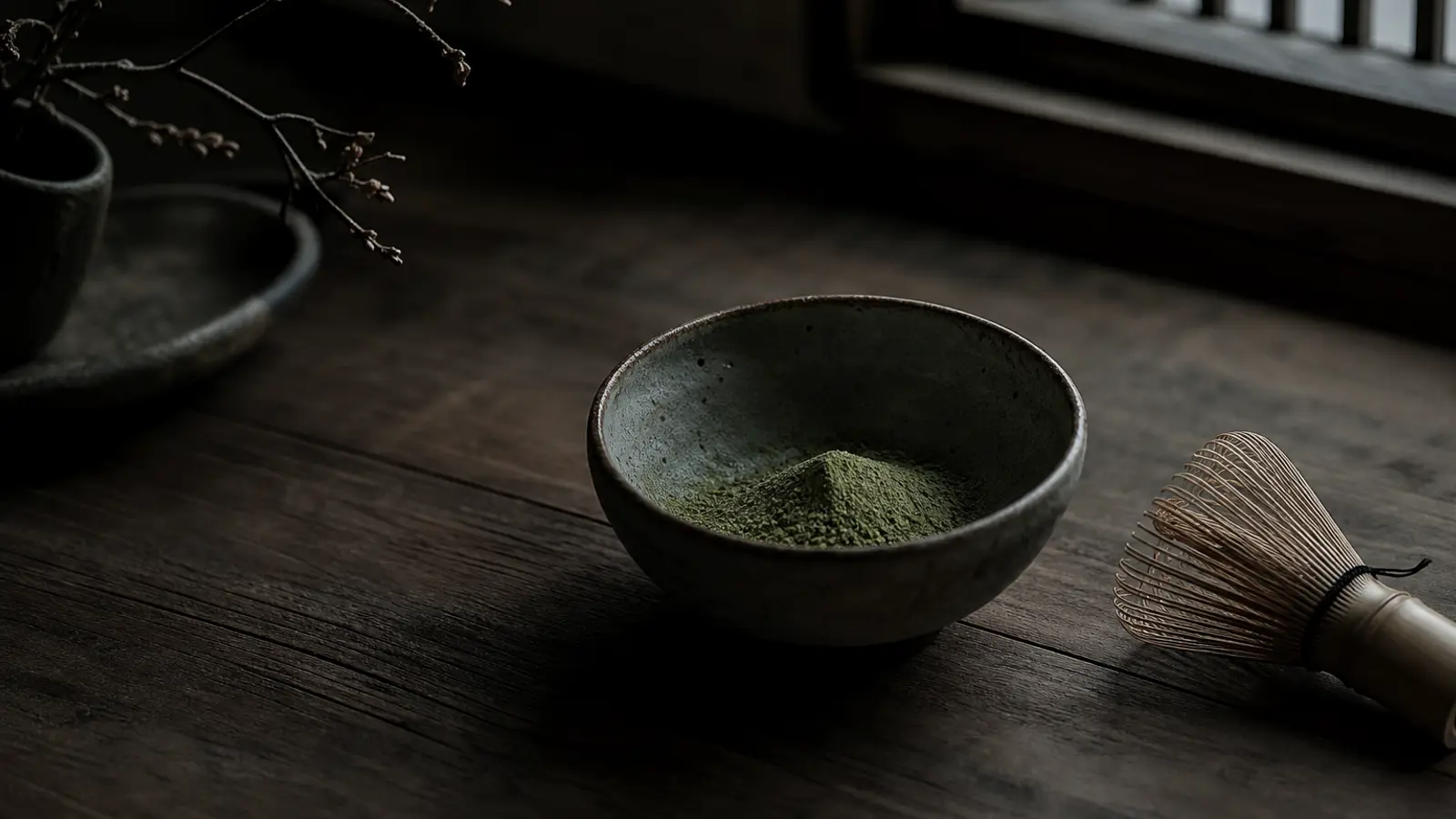
Korean Matcha: The Emerging Tradition
Korean matcha (말차) is an emerging powdered tea category with deep Goryeo-era roots. How it differs from Japanese matcha in shading, processing, and flavor.
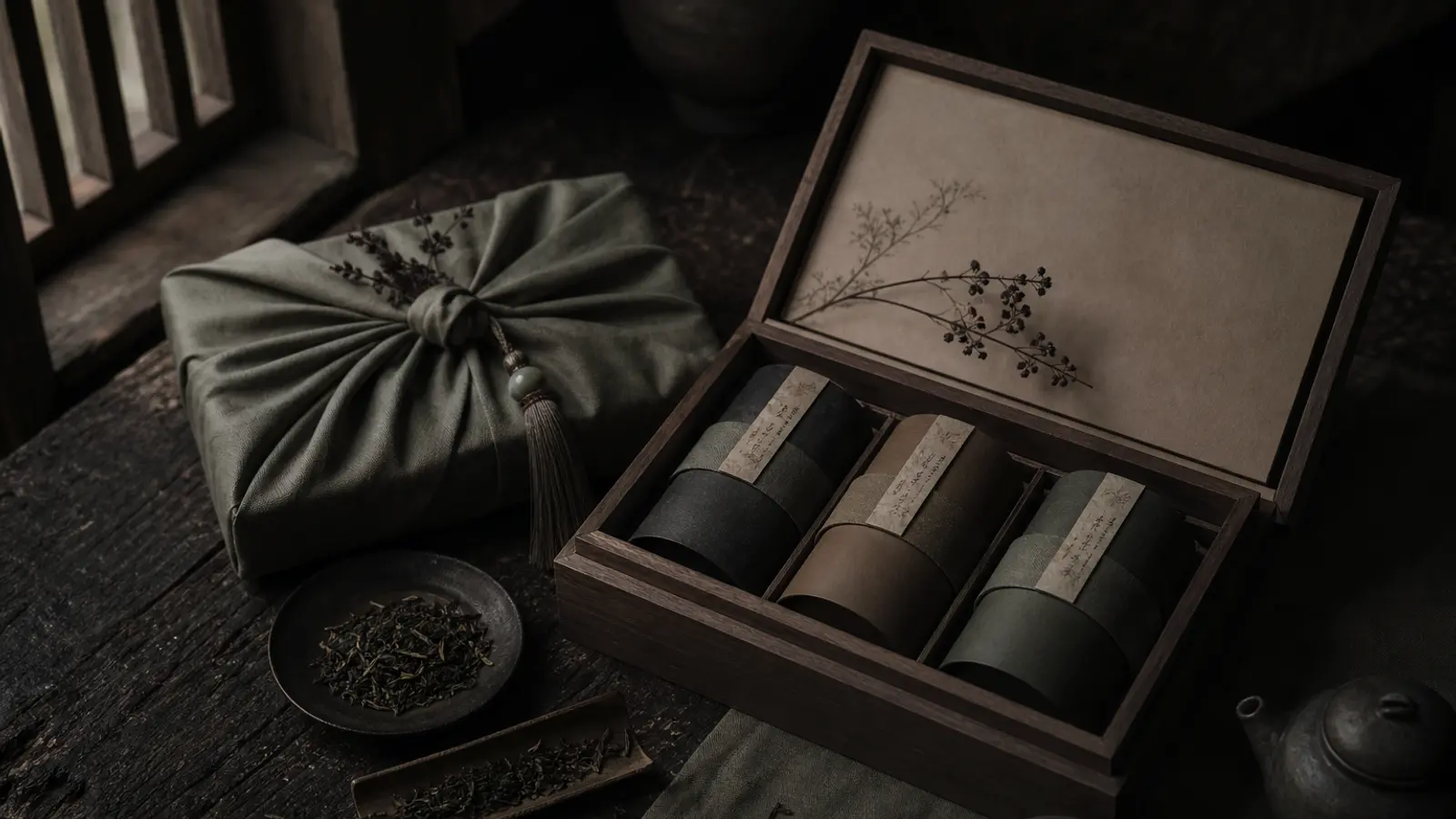
Korean Tea Gifts: A Guide to Gift Culture and What to Give
Korean tea gifts explained: from Osulloc gift sets to artisan Hadong ujeon. Learn gifting occasions, price tiers, presentation rules, and what to give.
Korean Tea Health Benefits: What the Research Shows
Korean green tea contains L-theanine, EGCG, and antioxidants with documented benefits. Here's what the research actually supports—and what it doesn't.
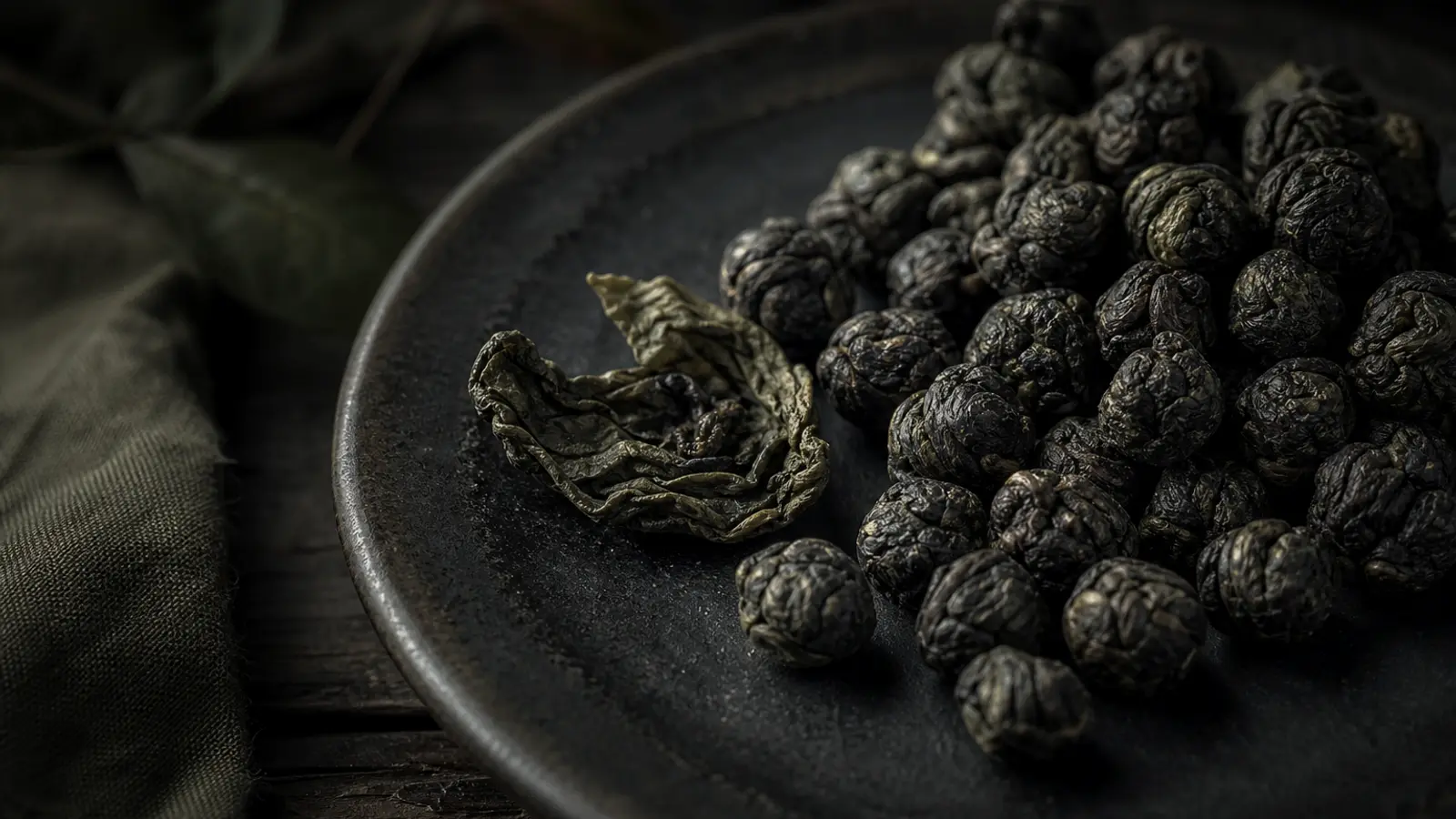
How Taiwanese Oolong Is Made: Ball-Rolling and the Art of Restraint
A step-by-step guide to how Taiwanese oolong is made — from sun withering and oxidation to ball-rolling and roasting decisions that define the finished ...
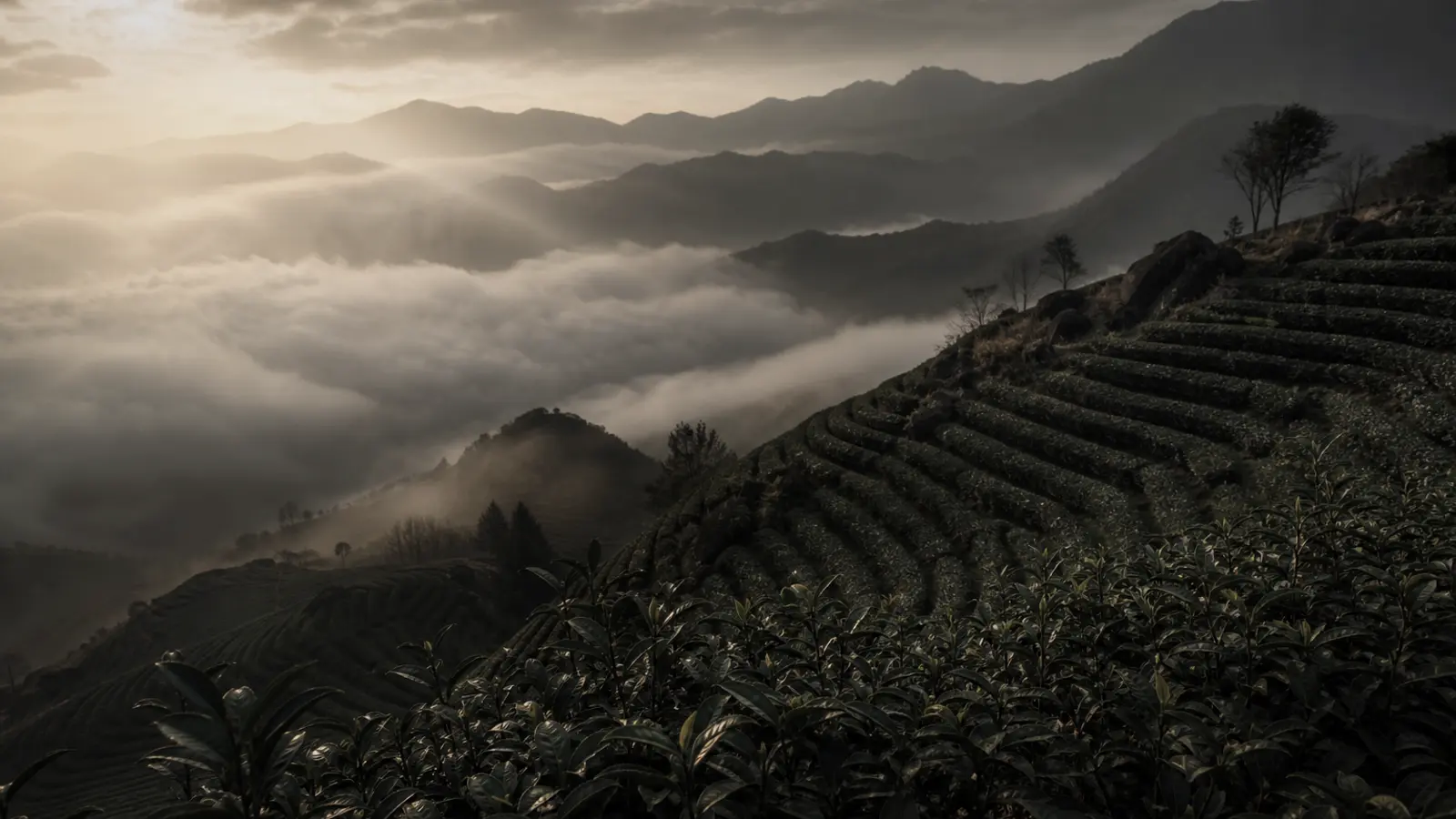
Taiwanese High Mountain Oolong: The Complete Guide
Definitive guide to Taiwanese high mountain oolong (gaoshan cha) — regions, elevations, processing, brewing, and what makes altitude the defining variable.
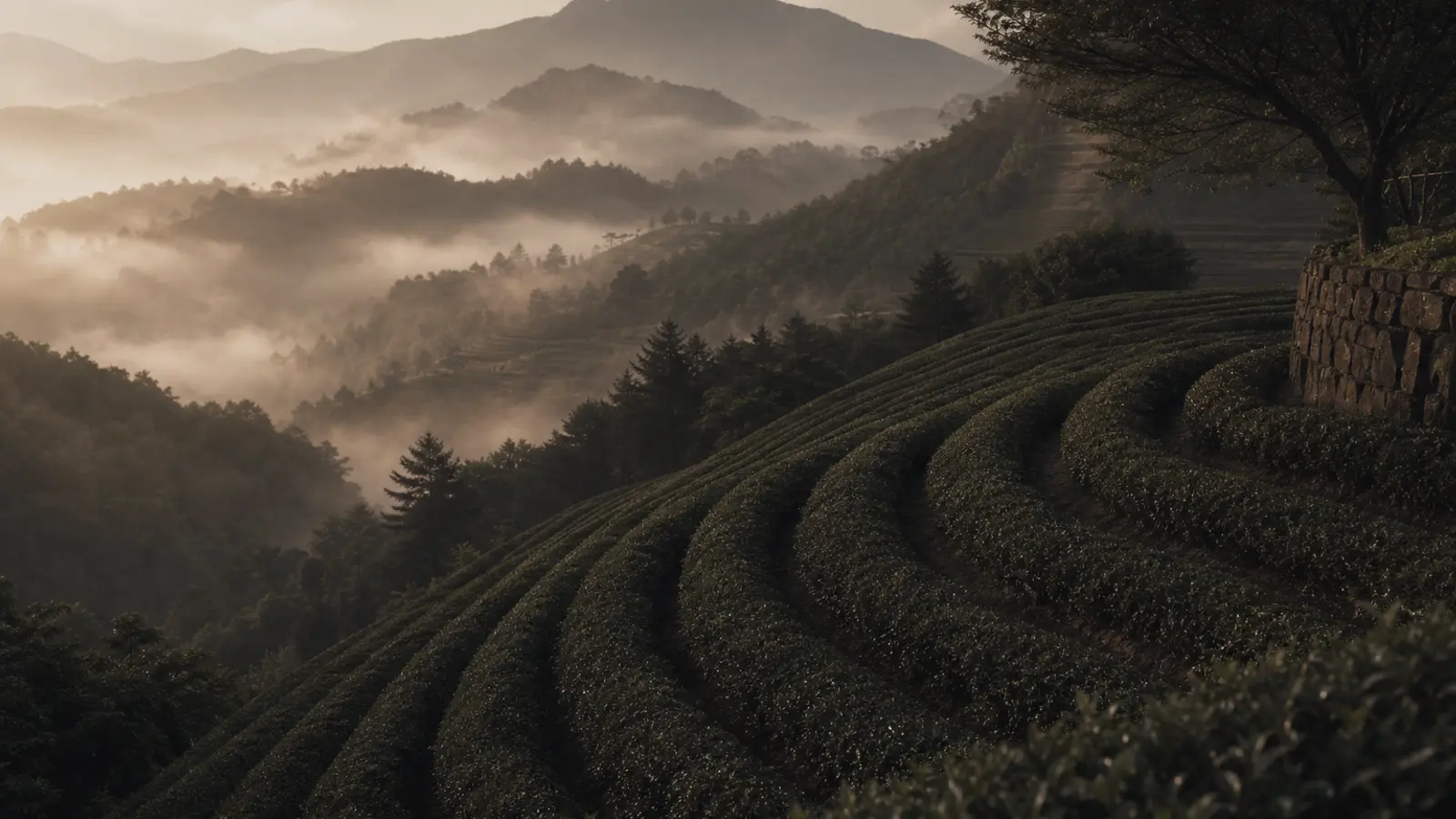
Visiting Korean Tea Country: A Travel Guide for Tea Lovers
Plan your Korean tea trip with this guide to Boseong, Hadong, and Jeju — the three major tea regions you can visit in a single compact journey.
Korean Temple Tea: 1000 Years of Zen and Leaves
Explore 1000 years of Korean Buddhist temple tea — from Silla dynasty monks to modern temple stays. History, practice, and the living tradition of 사찰 다도.
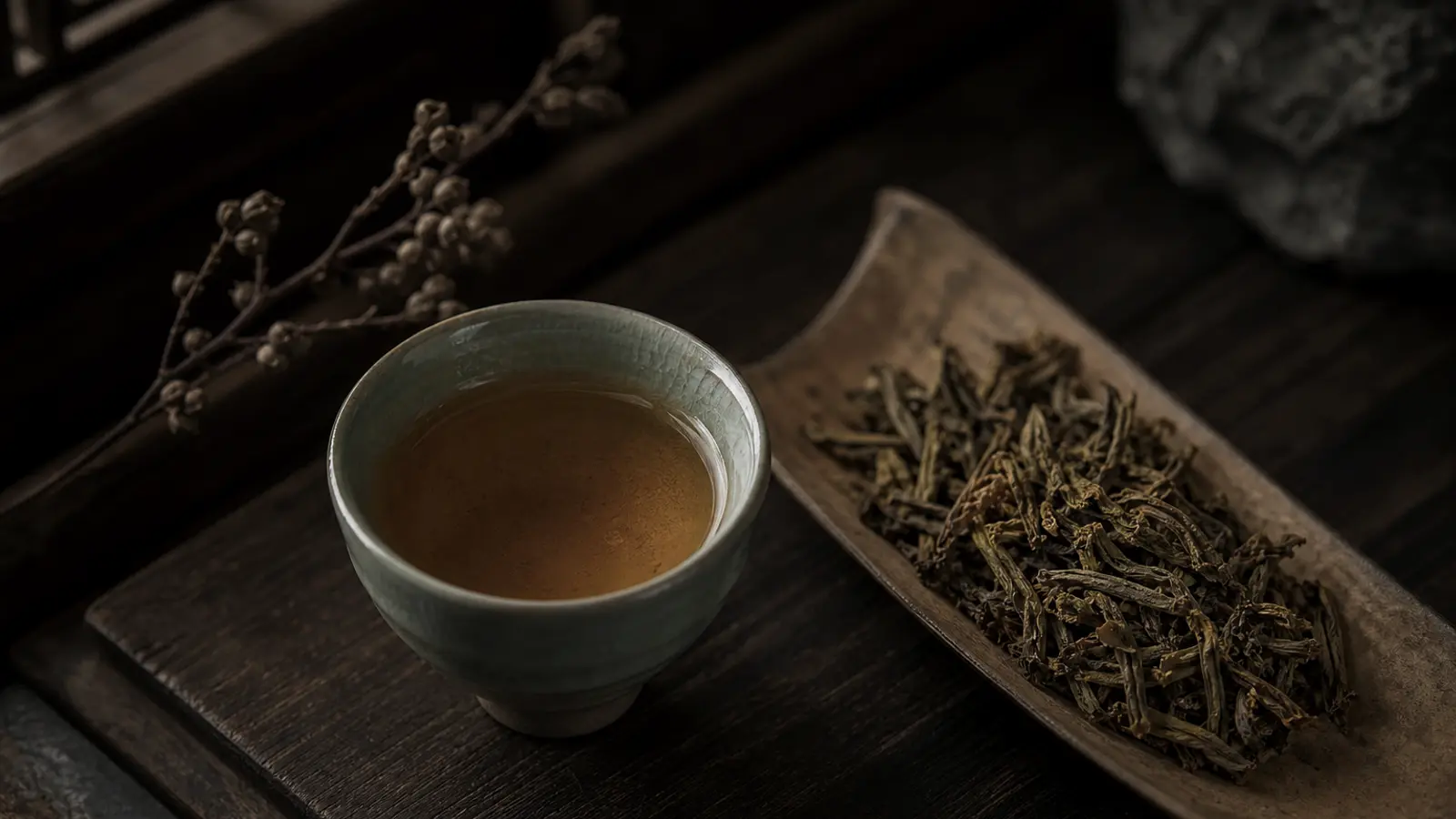
Hwangcha: Korea's Forgotten Yellow Tea
Hwangcha (황차) is Korea's partially oxidized tea — warmer than green, lighter than oolong. Learn what it is, how it differs from Chinese yellow tea, and ...
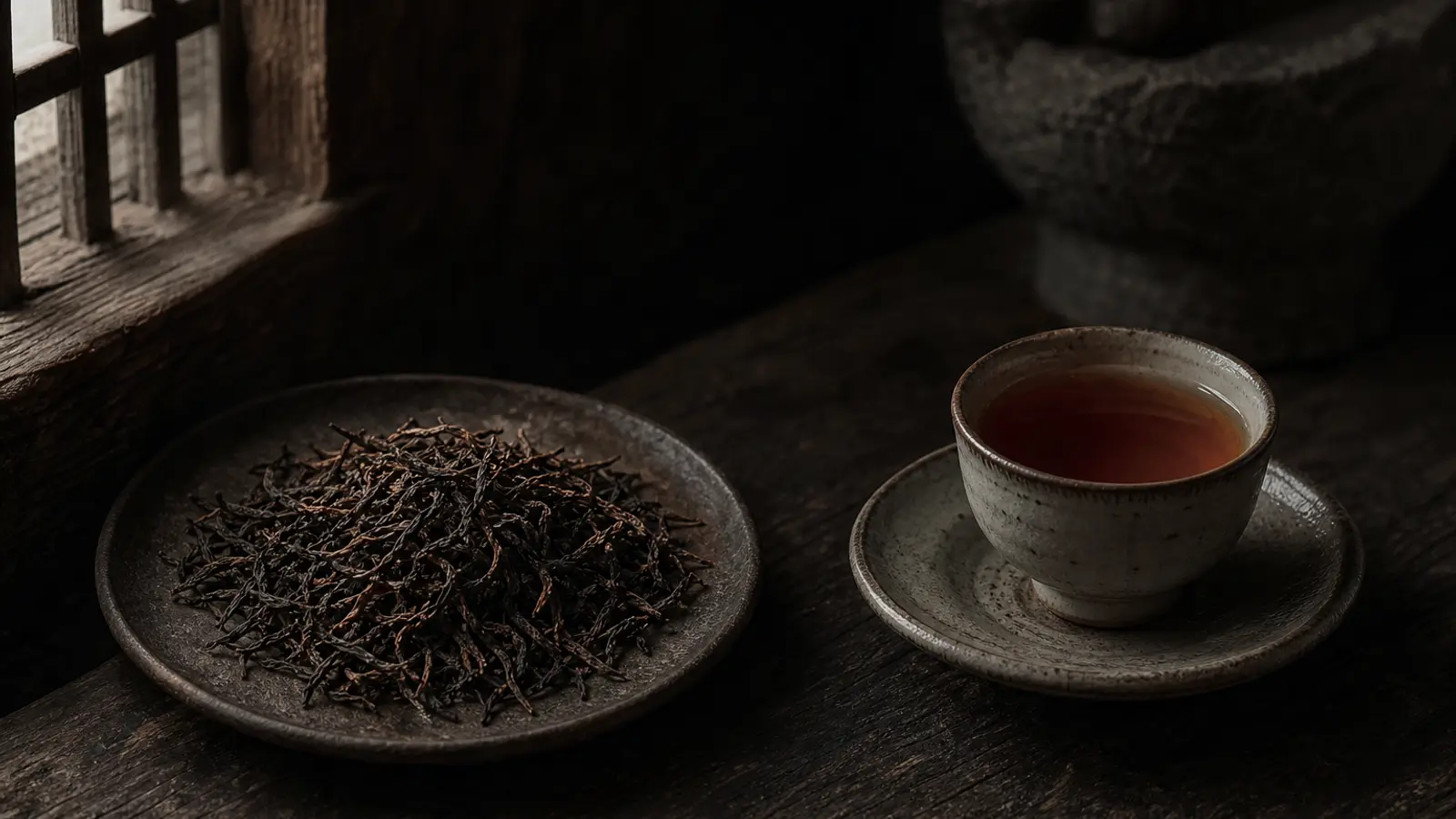
Korean Hongcha: Black Tea from the Peninsula
Korean hongcha (홍차) is fully oxidized tea from Korean cultivars. Learn about processing, flavor, pricing, and what makes Korean black tea distinct.
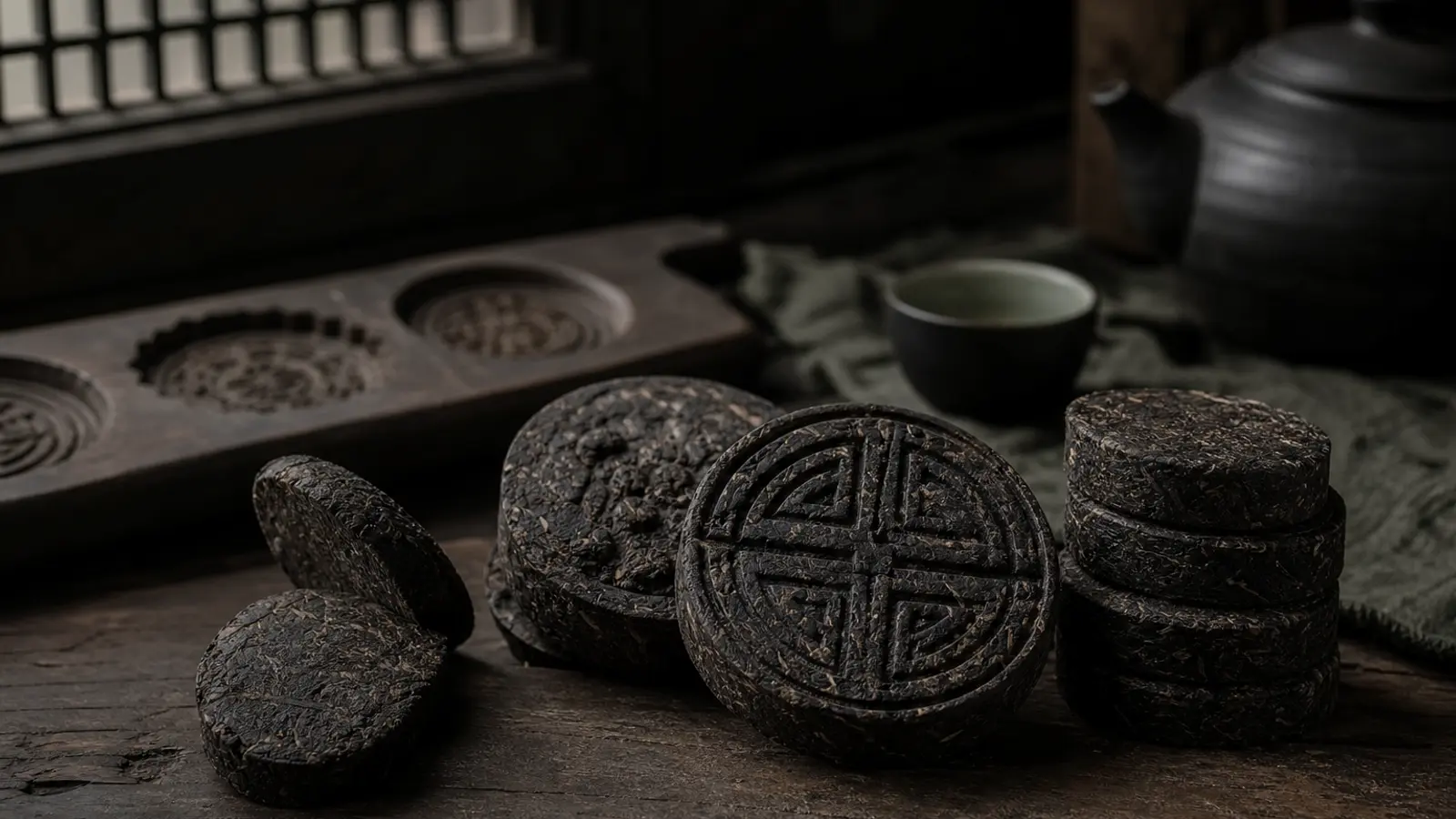
Tteok-cha: Korea's Pressed Tea and the Tradition Time Forgot
Tteok-cha (떡차) is Korea's ancient compressed tea — steamed, pounded, and pressed into cakes. Learn its history, production, flavor, aging potential, and...
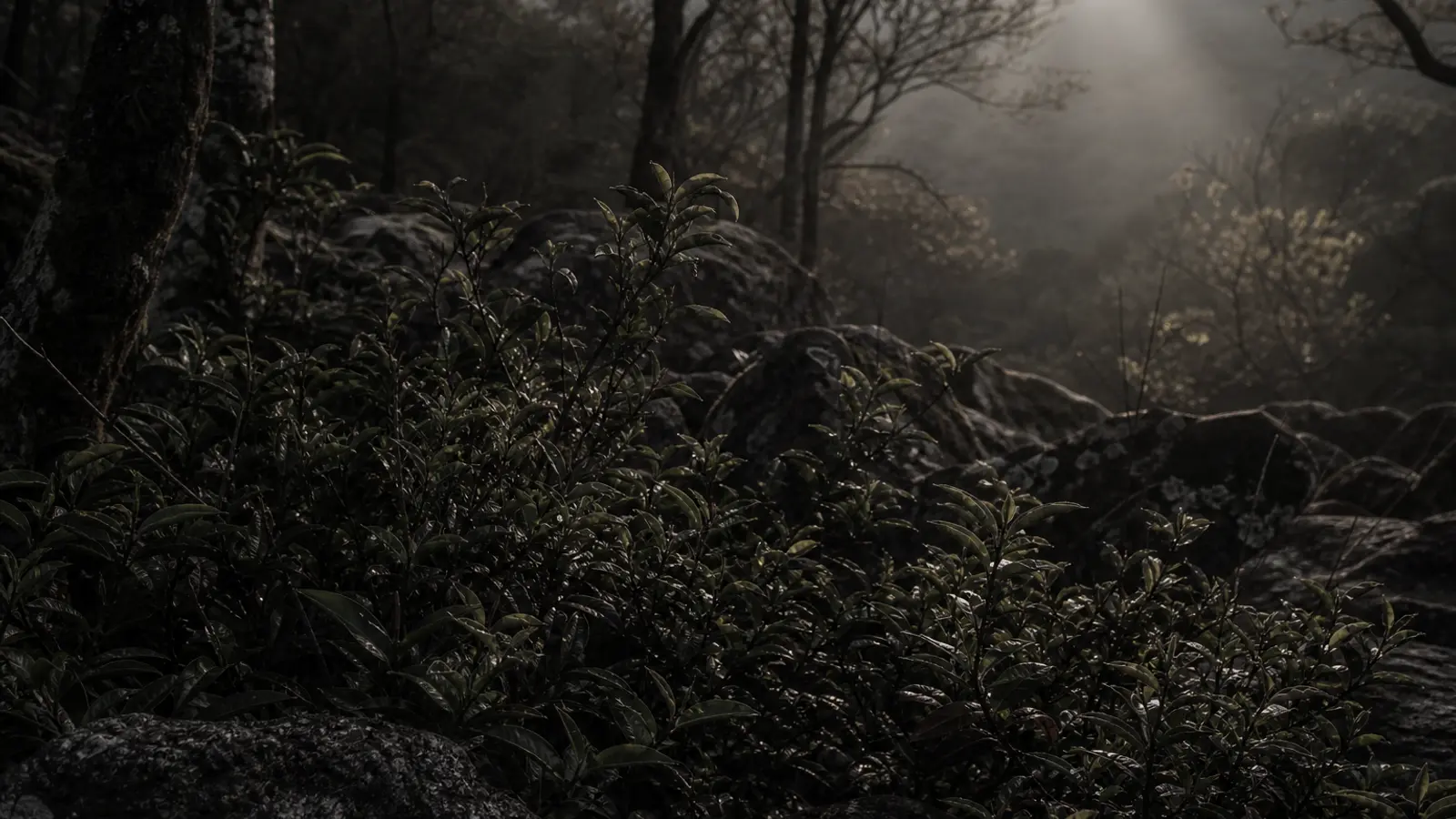
Wild-Grown Korean Tea: What Yasaeng-cha Means
Yasaeng-cha (야생차) is wild-grown Korean tea from unmanaged mountain plants. Learn what makes it different, where it grows, and why it commands premium pr...
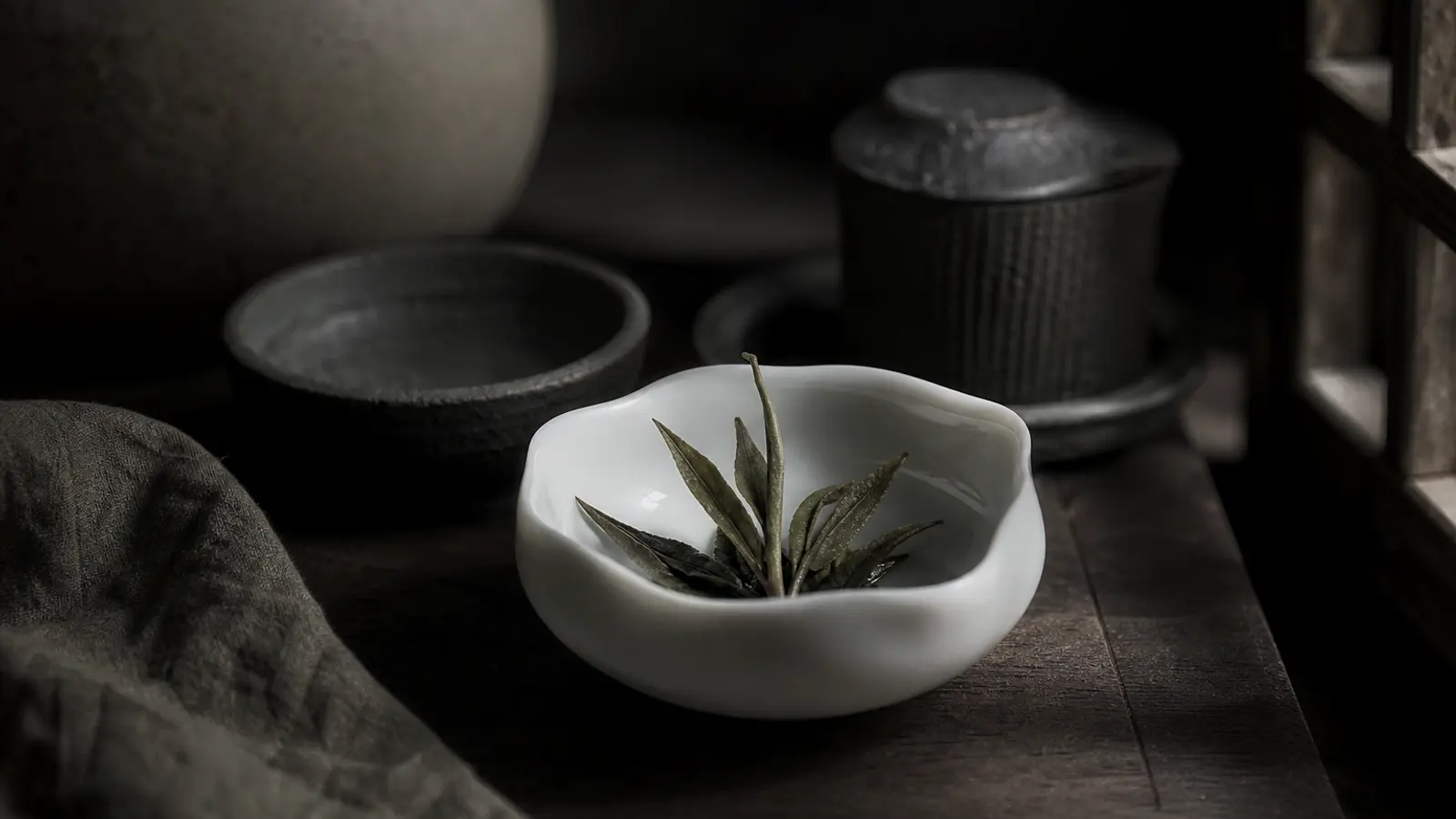
Sejak: The Sweet Spot of Korean Green Tea
Sejak (세작) is the premium everyday Korean green tea grade — pan-fired, sweet, and expressive of terroir. Learn flavor, brewing, and regional differences.
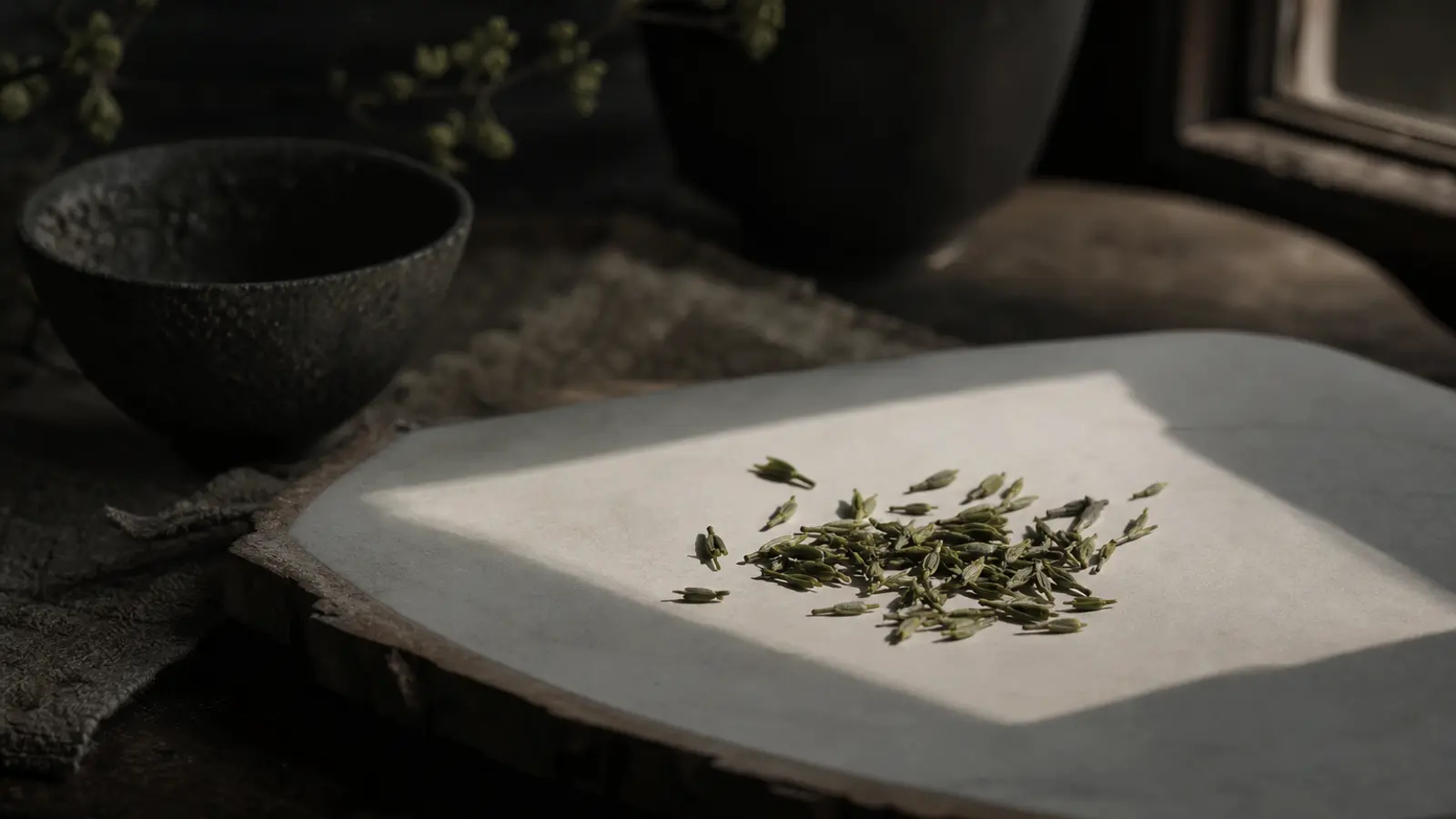
Ujeon: Korea's Most Precious Tea
Ujeon (우전) is Korea's highest grade green tea, harvested before April 20. Learn what makes this before-rain tea so rare, how it tastes, and how to brew it.
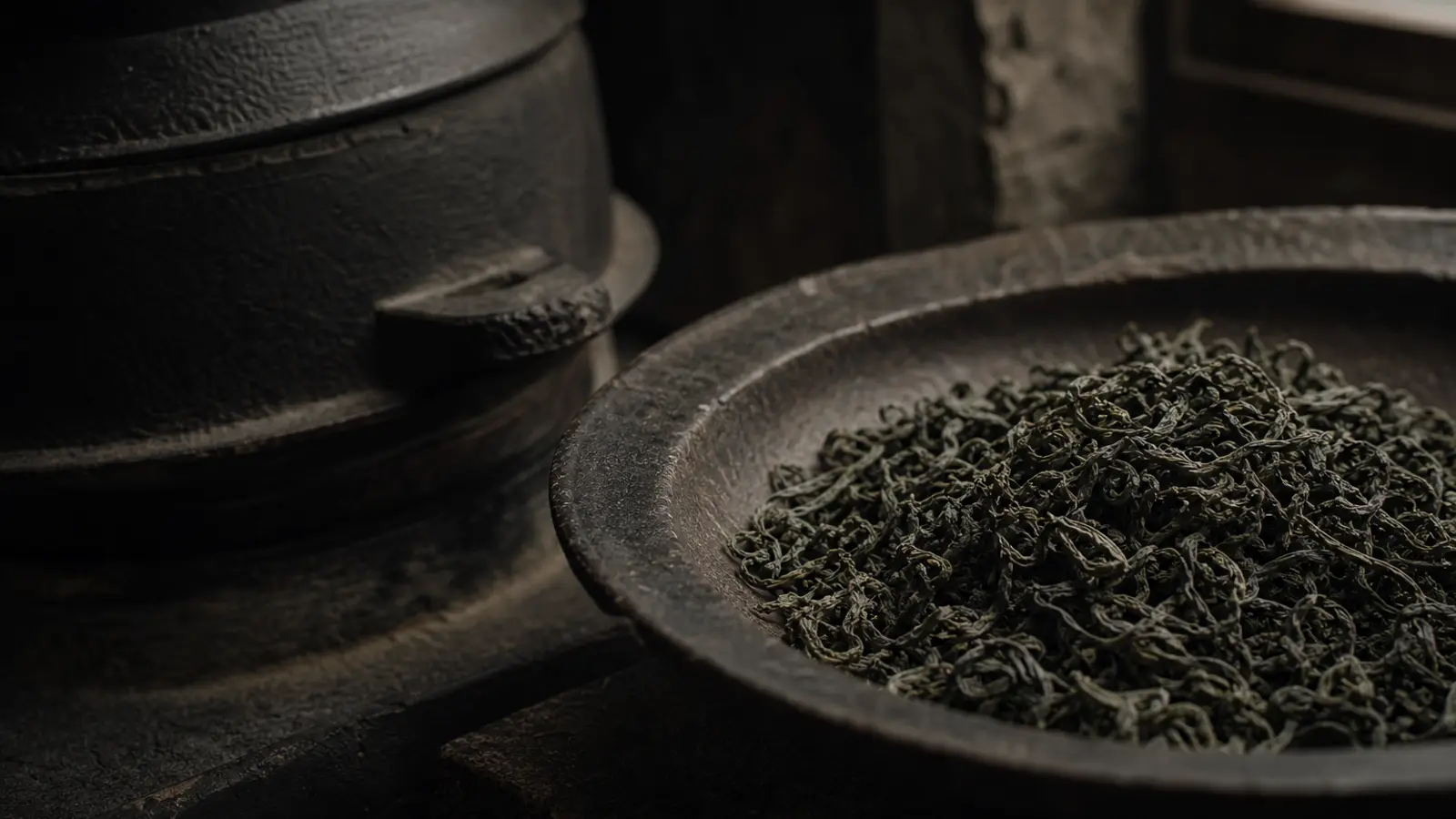
How Korean Tea Is Made: Pan-Firing and the Art of Deokkeum
Learn how Korean tea is made through pan-firing (deokkeum) and steaming—two methods that create fundamentally different character from the same leaf.
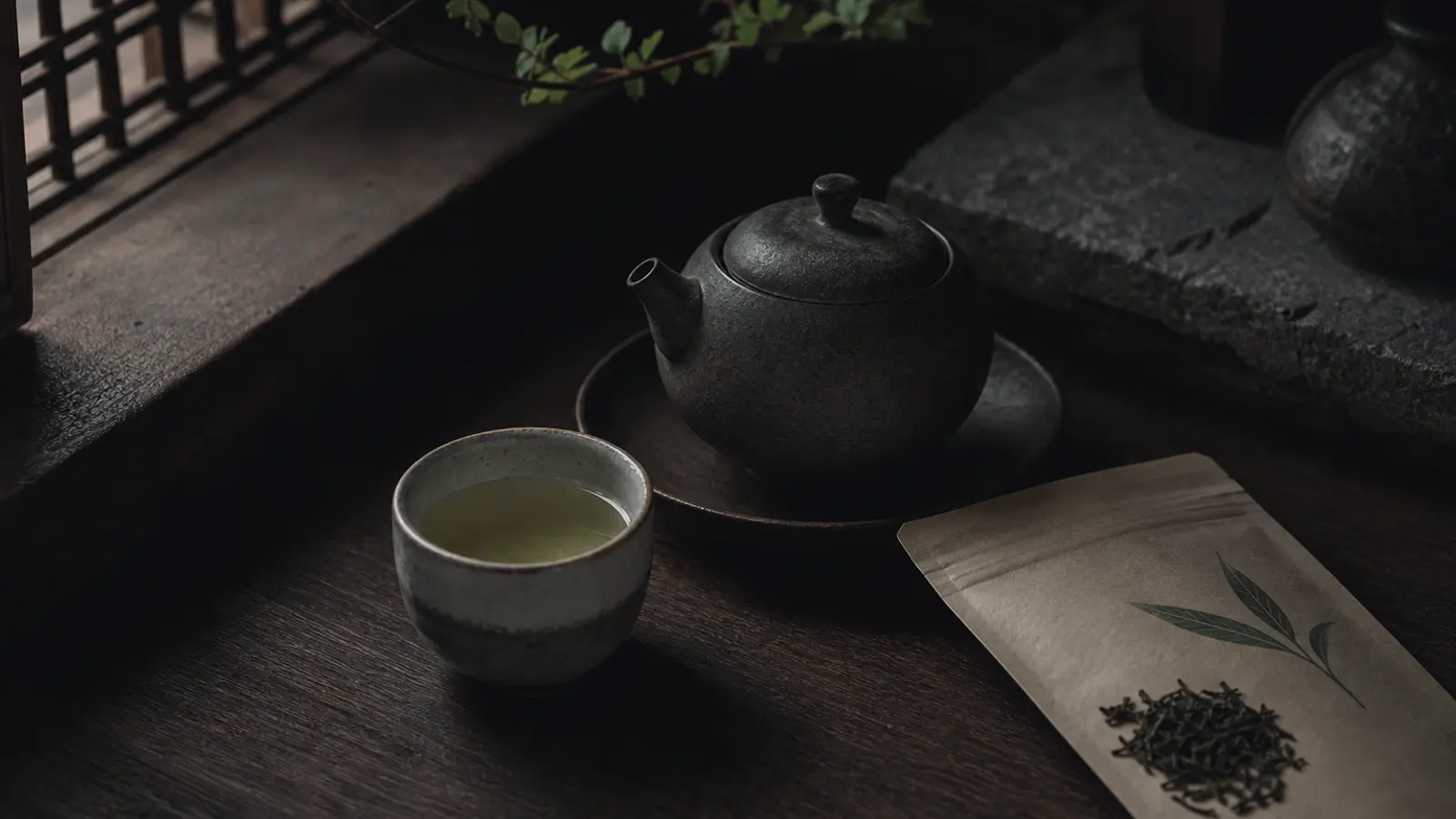
Korean Tea for Beginners: Where to Start and What to Try
New to Korean tea? Start with sejak green tea, learn proper brewing at 75-80°C, and discover the progression path from green to hwangcha to tteok-cha.
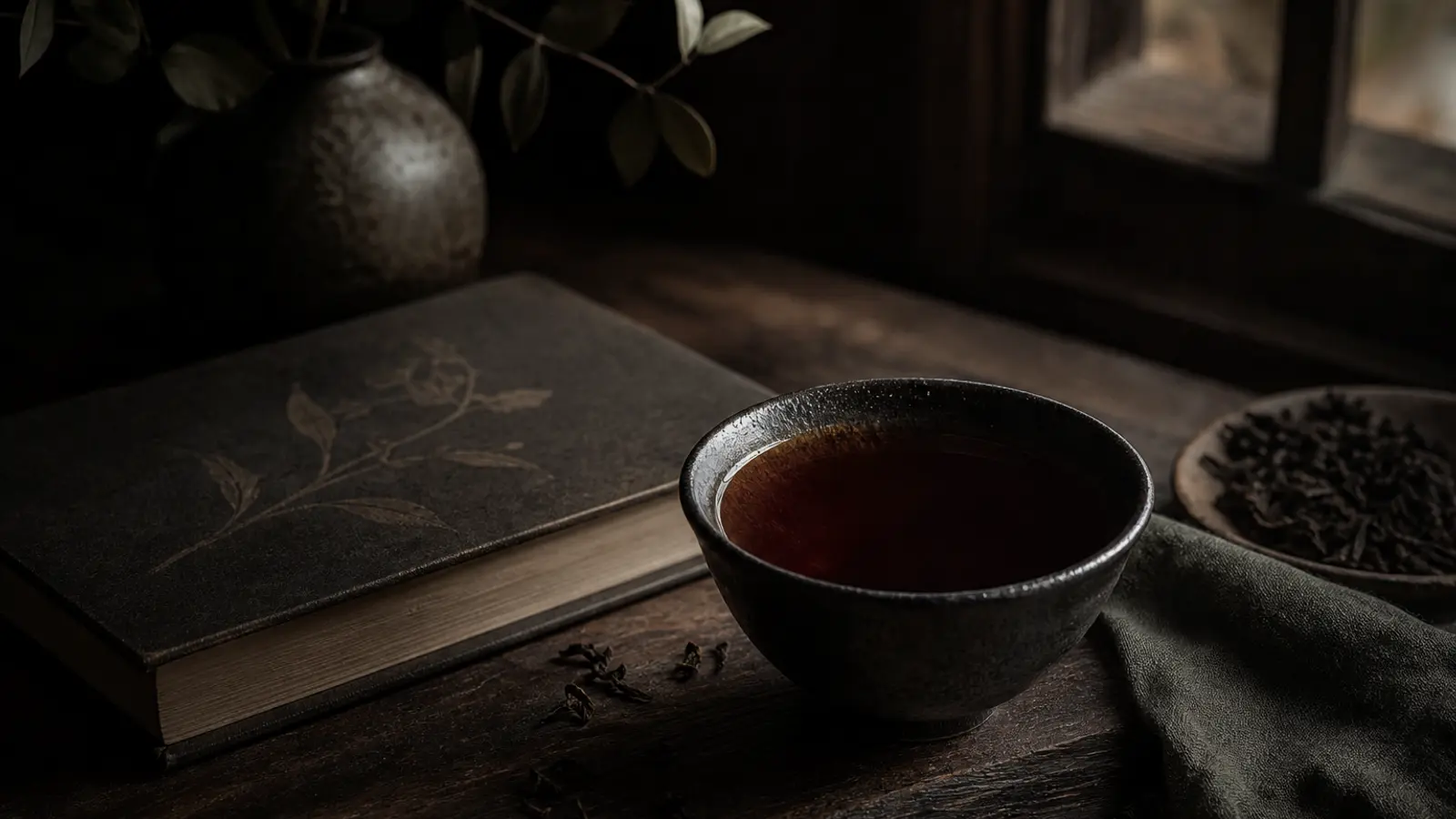
Tea After Quitting Alcohol: Building a New Evening Ritual
How gongfu tea and shou pu-erh filled the ritual gap after quitting alcohol — the biochemistry, the practice, and what actually worked.
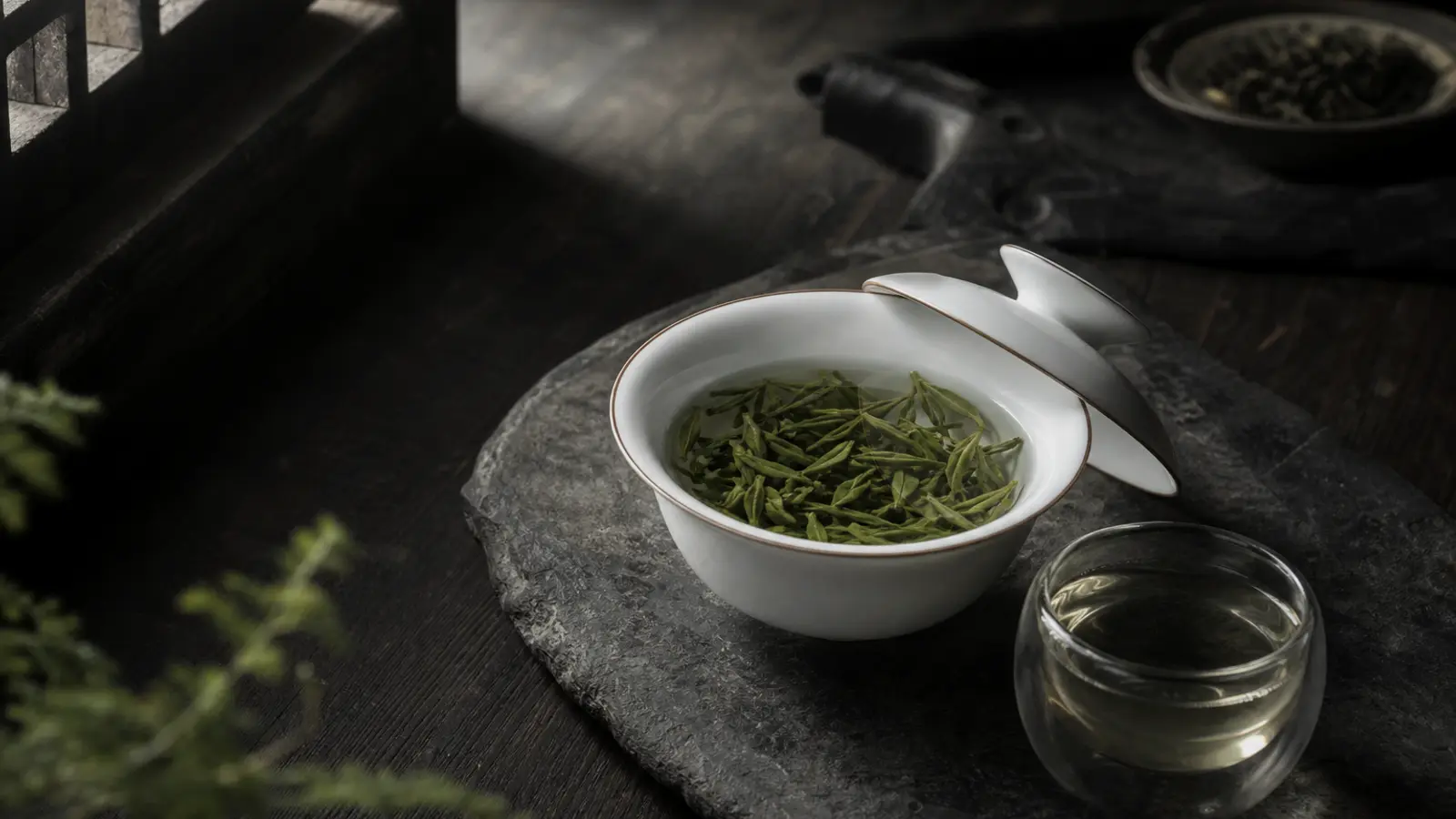
Tea and Blood Sugar: Green Tea's Effect on Insulin Resistance
A meta-analysis of 15 RCTs shows green tea improves fasting glucose, HbA1c, and HOMA-IR. Here's what the evidence actually says about tea and blood sugar.
Tea and Gout: What the Research Actually Says
All 6 tea types inhibit xanthine oxidase, the enzyme that produces uric acid. Here's what the evidence actually says about tea and gout.
Does Tea Prevent Dementia? What 410,000 People Showed
A meta-analysis of 410,951 people links tea drinking to 29% lower dementia risk. Here's what the evidence shows, what it doesn't, and how much to drink.
How Much Tea Is Too Much? The Research-Based Daily Limit
UK Biobank data on 447,485 people defines the safe daily tea range. Here's what the evidence says—and how it translates to gongfu sessions.
Iron Absorption and Tea: When to Drink and When to Wait
Tannins in tea can cut non-heme iron absorption by up to 87%. Learn the simple timing rule that eliminates virtually all risk for tea drinkers.
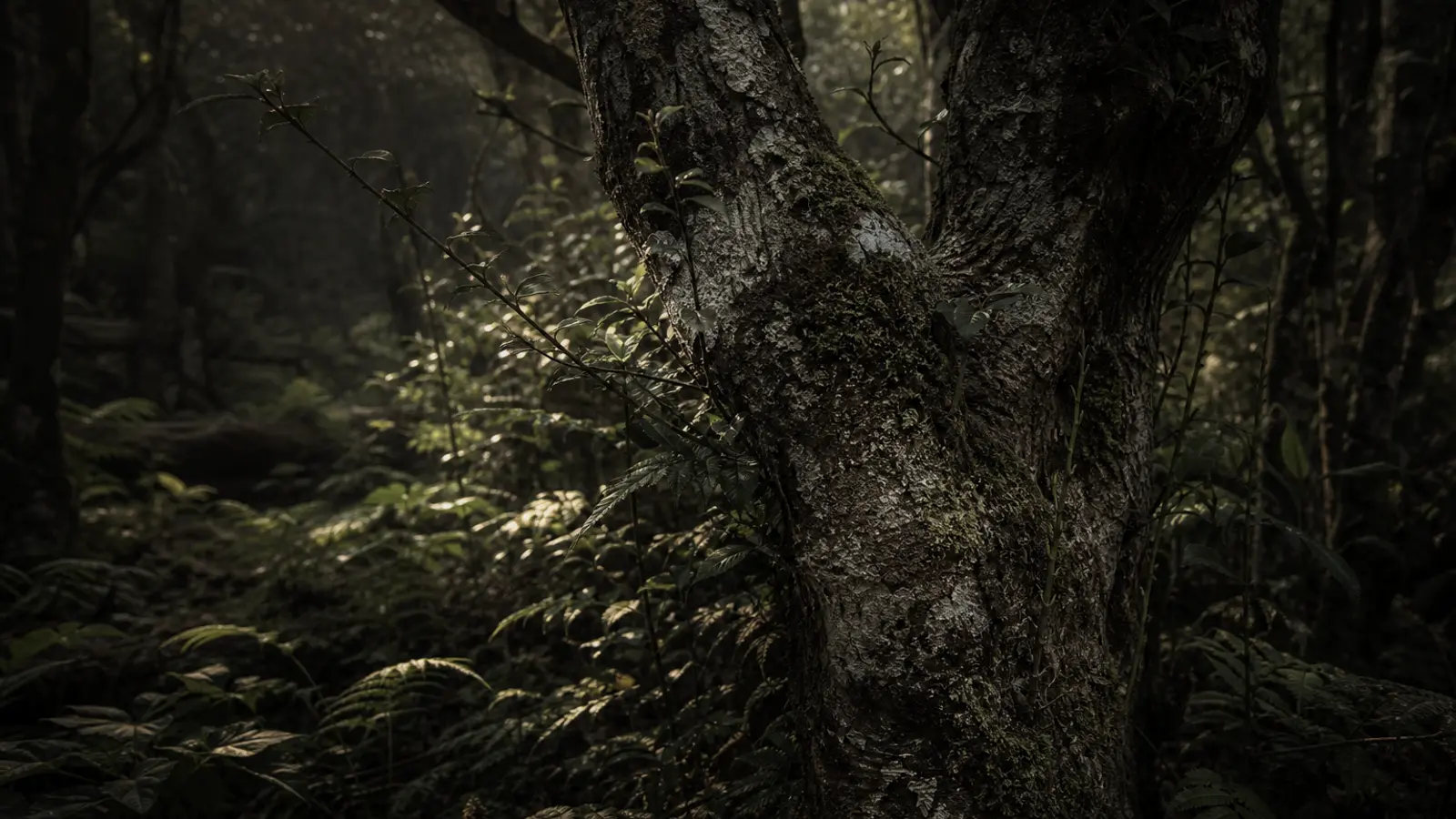
Shan Ye Qi Yun: The Forest Energy of Gushu Tea
Shan ye qi yun is the wild forest character that defines genuine gushu tea. Learn what it is, why it exists, and why plantation tea can never replicate it.
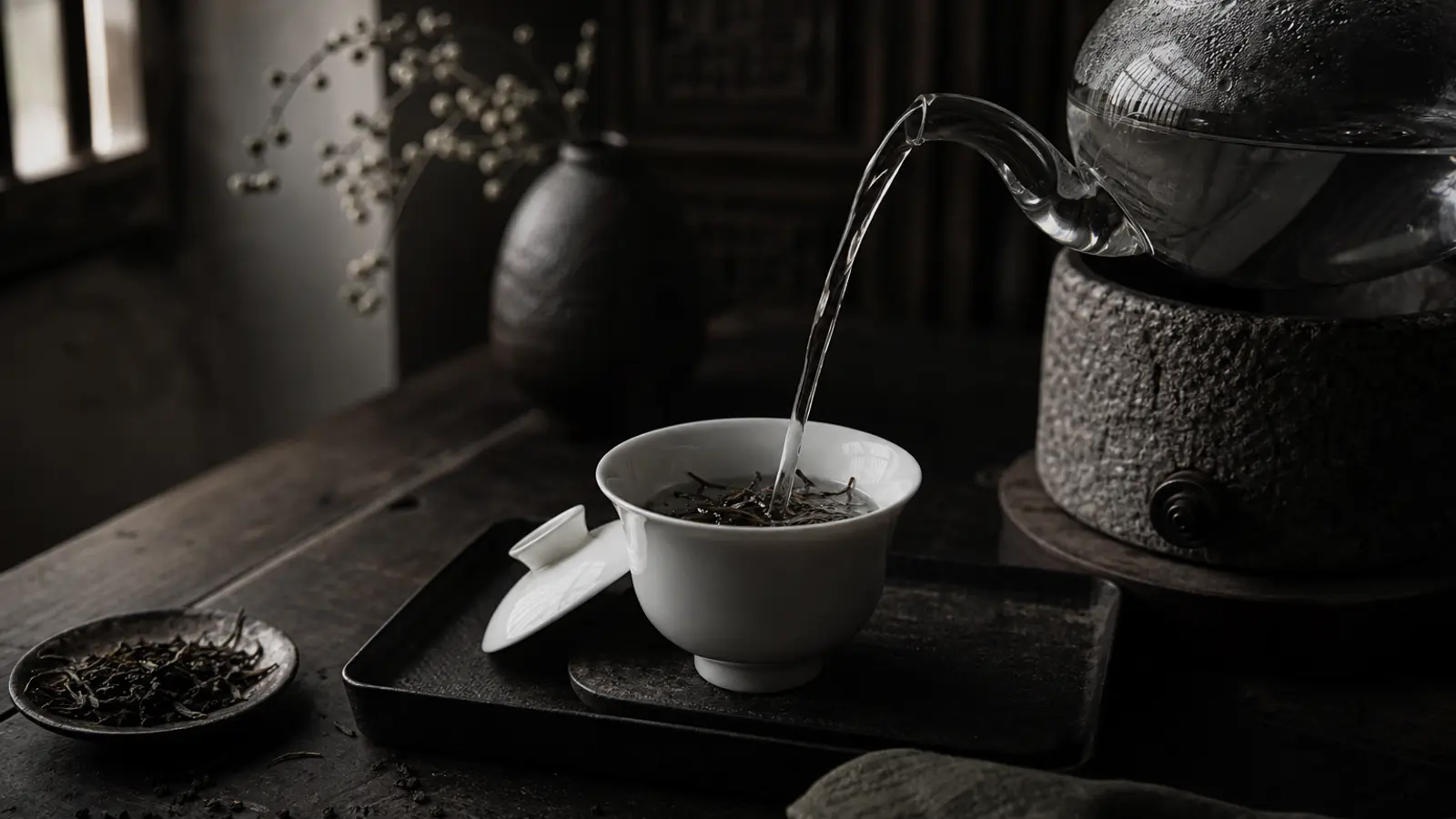
The Best Water for Brewing Tea: TDS, pH, and Why It Matters
Water is 50% of your tea's flavor. Learn the optimal TDS and pH ranges, what Lu Yu wrote in 760 CE, and how to fix your water today.
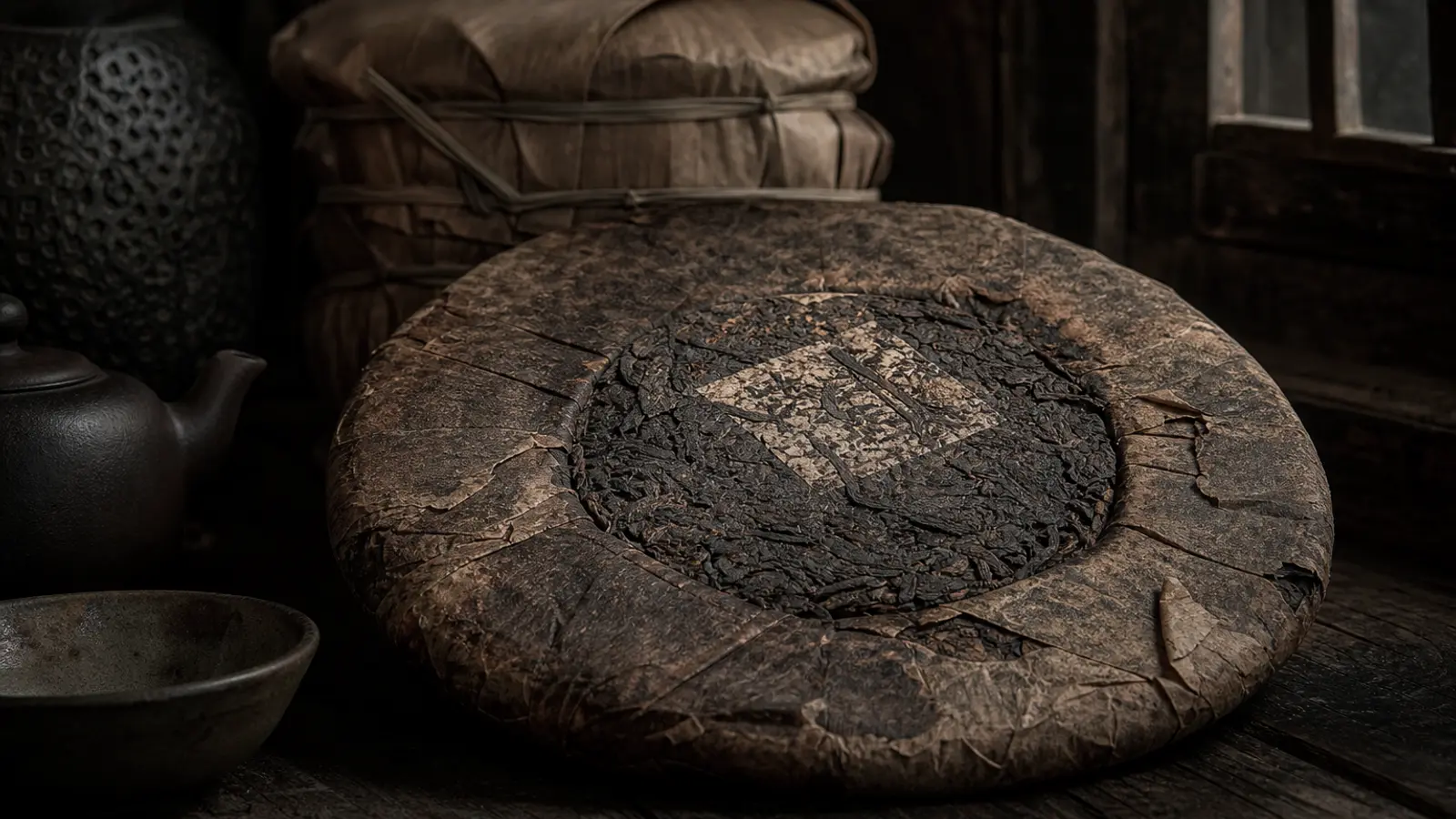
Chen Xiang: The Aged Aroma of Time in Pu-erh
Chen xiang (陳香) is the deep, complex aged aroma that defines great pu-erh. Learn how it develops, what it smells like, and how to spot fakes.
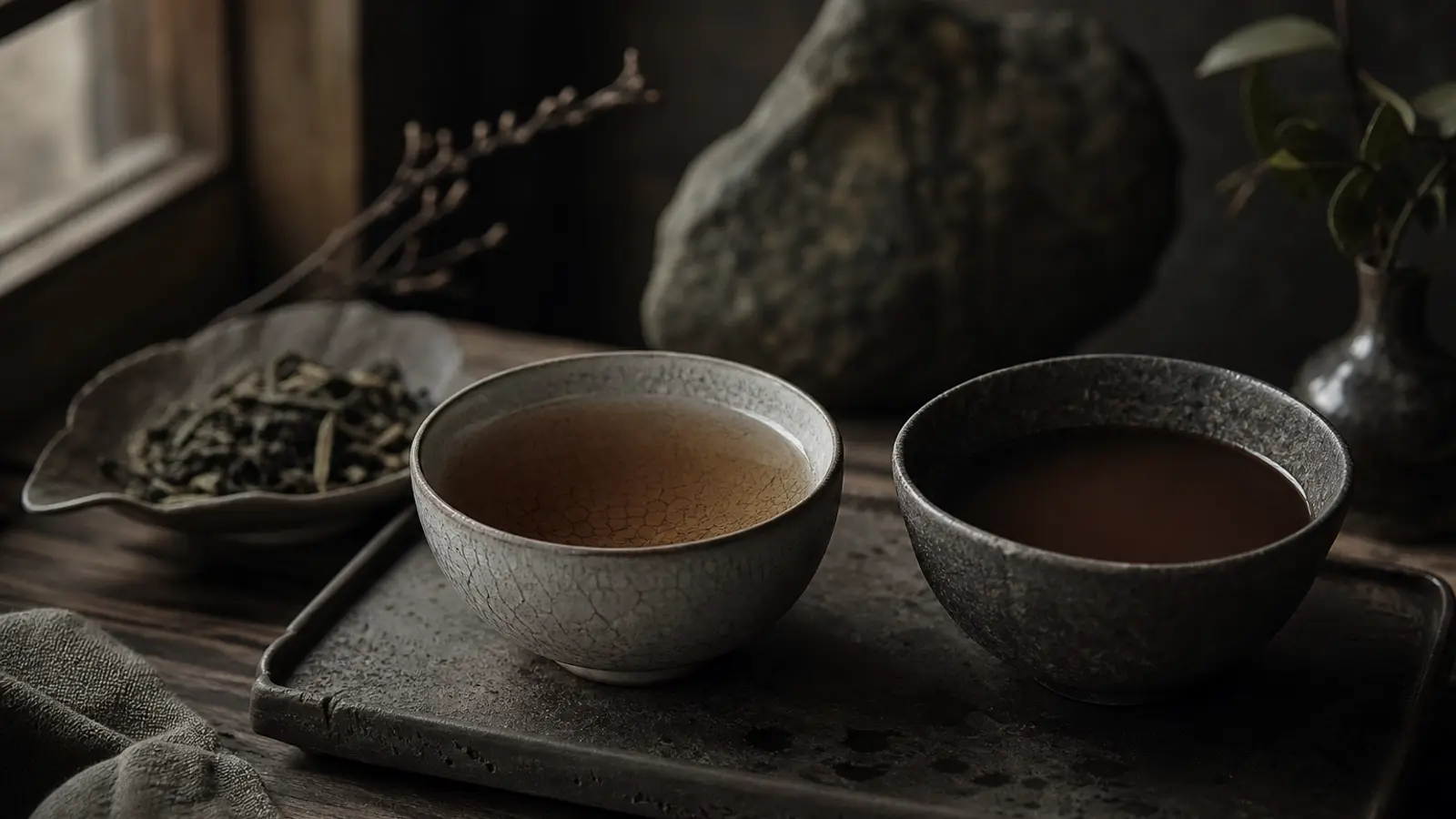
Gu Gan and Rou Gan: Structure vs Body in Tea Tasting
Gu gan (骨感) and rou gan (肉感) give tea drinkers precise language for mouthfeel. Learn to detect bone feeling vs flesh feeling in your cup.
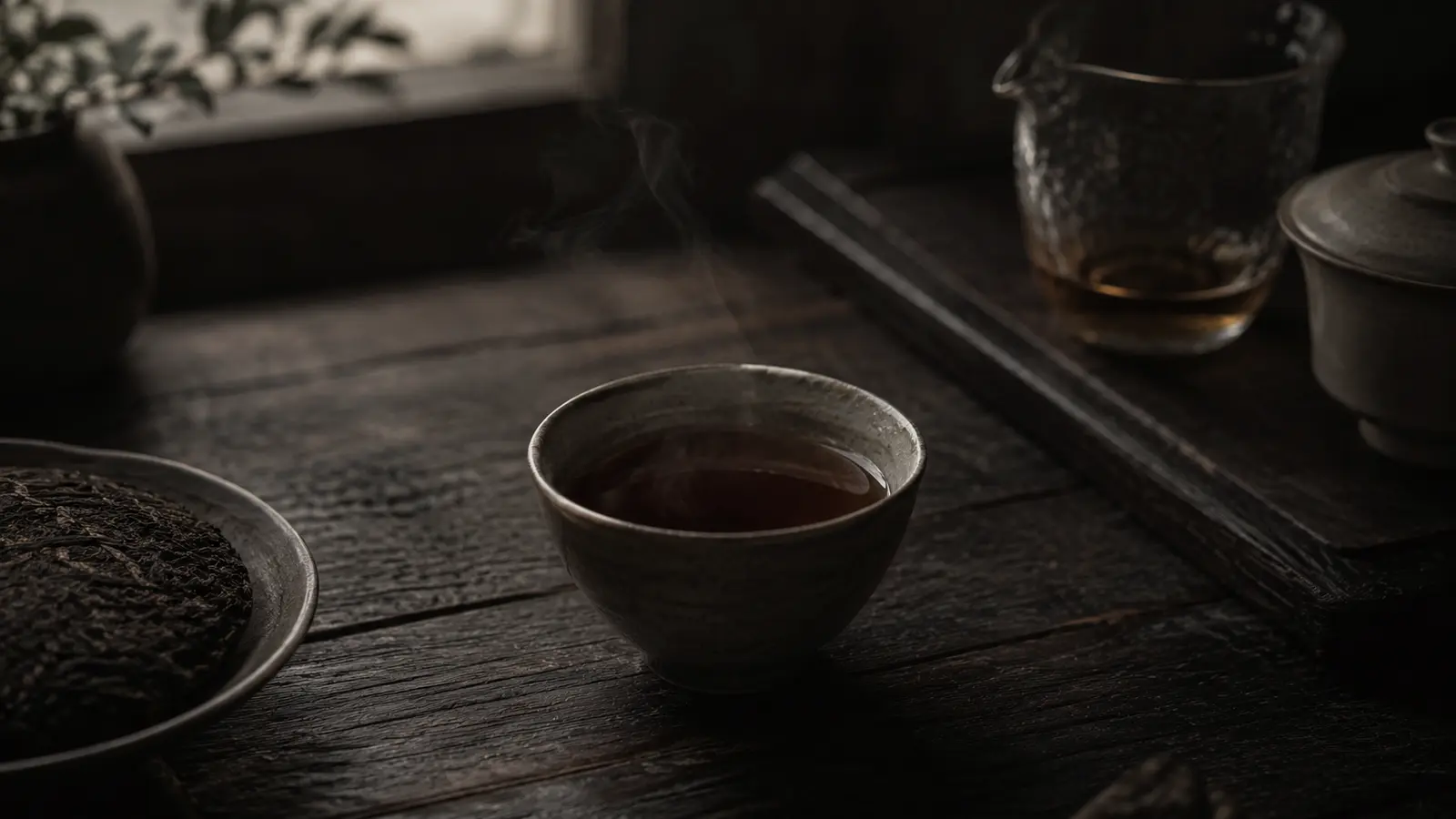
Hou Yun: Understanding Throat Resonance in Tea
Hou yun (喉韻) is the cool, sweet lingering sensation deep in the throat after swallowing great tea. Learn how to detect it and which teas produce it.
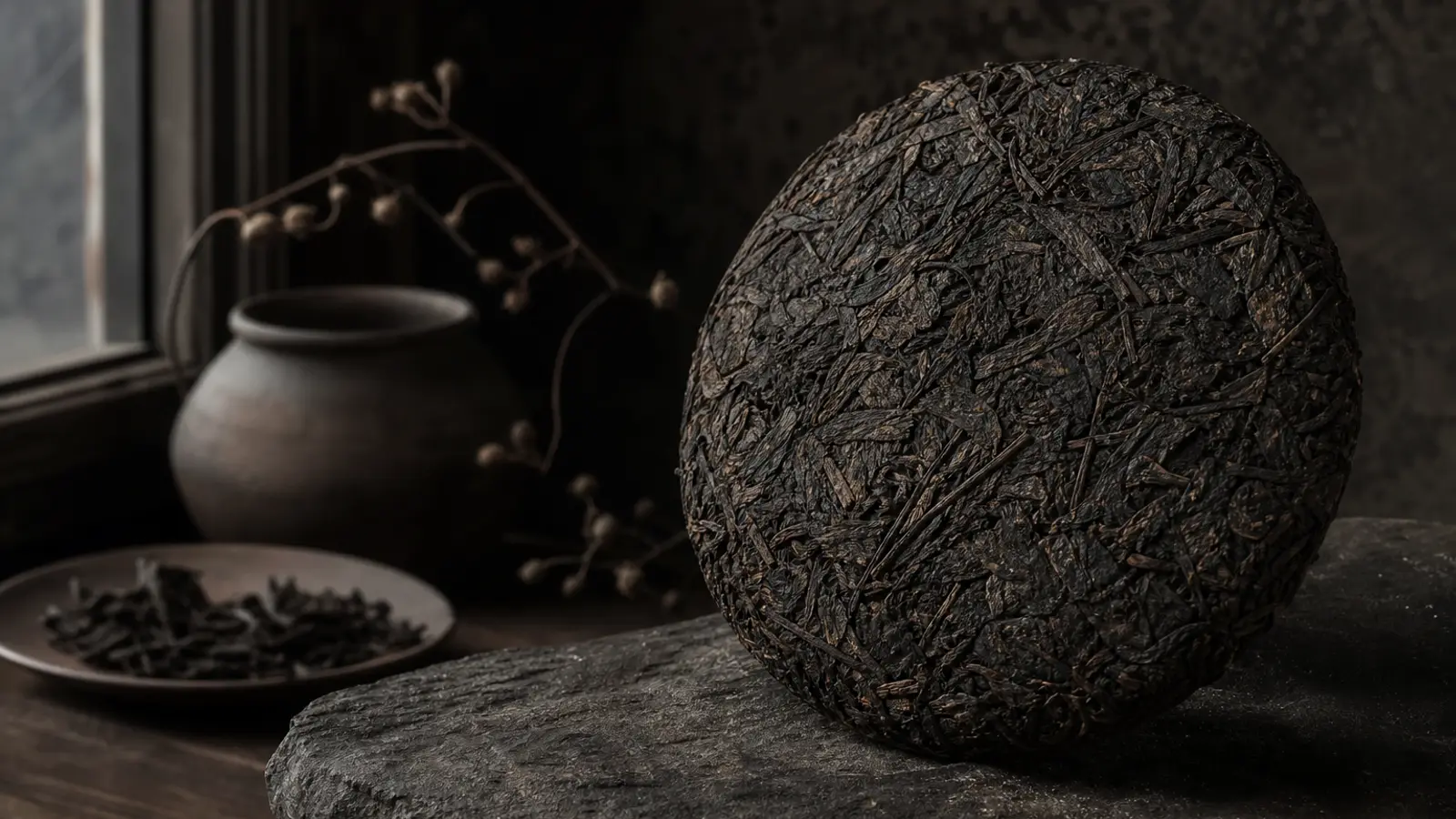
Lao Man'e: The Most Bitter Tea in Yunnan and Why People Love It
Lao Man'e pu-erh is Yunnan's bitterness benchmark — intensely challenging, then explosively sweet. Learn why serious drinkers seek it out and how to bre...
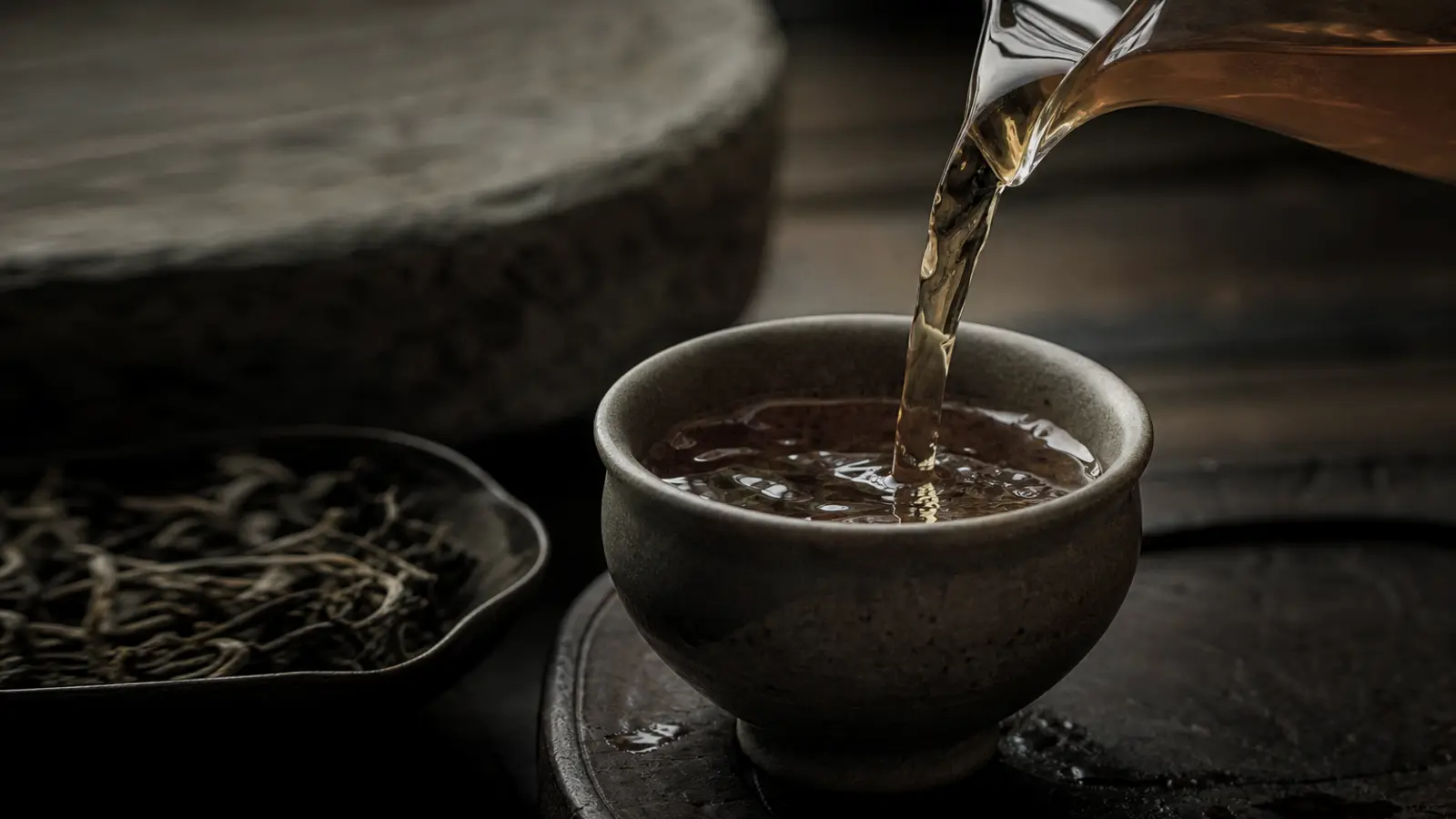
Sheng Jin: Why Good Tea Makes Your Mouth Water
Sheng jin (生津) is the mouth-watering saliva response triggered by quality tea. Learn how to detect it, why it happens, and which teas produce it most.

Baiyingshan: Yunnan's Undervalued High-Altitude Pu-erh
Baiyingshan pu-erh delivers genuine gushu quality from Yunnan's highest-elevation ancient trees — at a fraction of Bingdao or LBZ prices. Here's why.
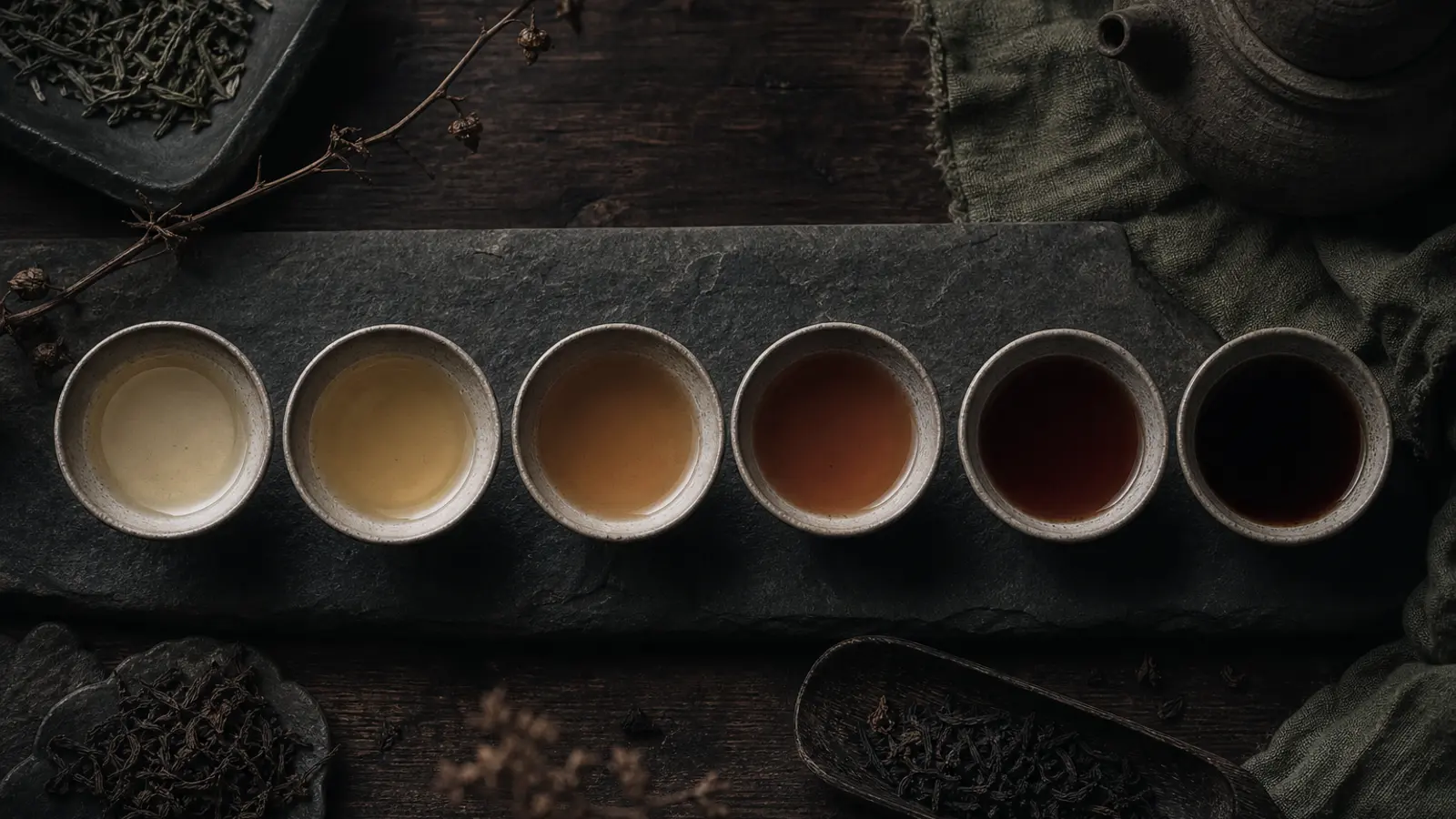
Find Your Tea Style: The Steep Atlas Six Sensory Styles
The Steep Atlas Six Sensory Styles maps tea by how it makes you feel. Find your tea style with this sensory framework—plus wine parallels and recs.
Xigui: The Low-Altitude Exception in Yunnan Pu-erh
Xigui (昔歸) sits at just 900m yet rivals Yunnan's highest-elevation teas in complexity and price. Here's why the altitude rule doesn't apply.
Tea and Gut Health: What Pu-erh Does to Your Microbiome
How tea polyphenols act as prebiotics, why shou pu-erh produces the largest microbiome shift, and what the science actually supports.
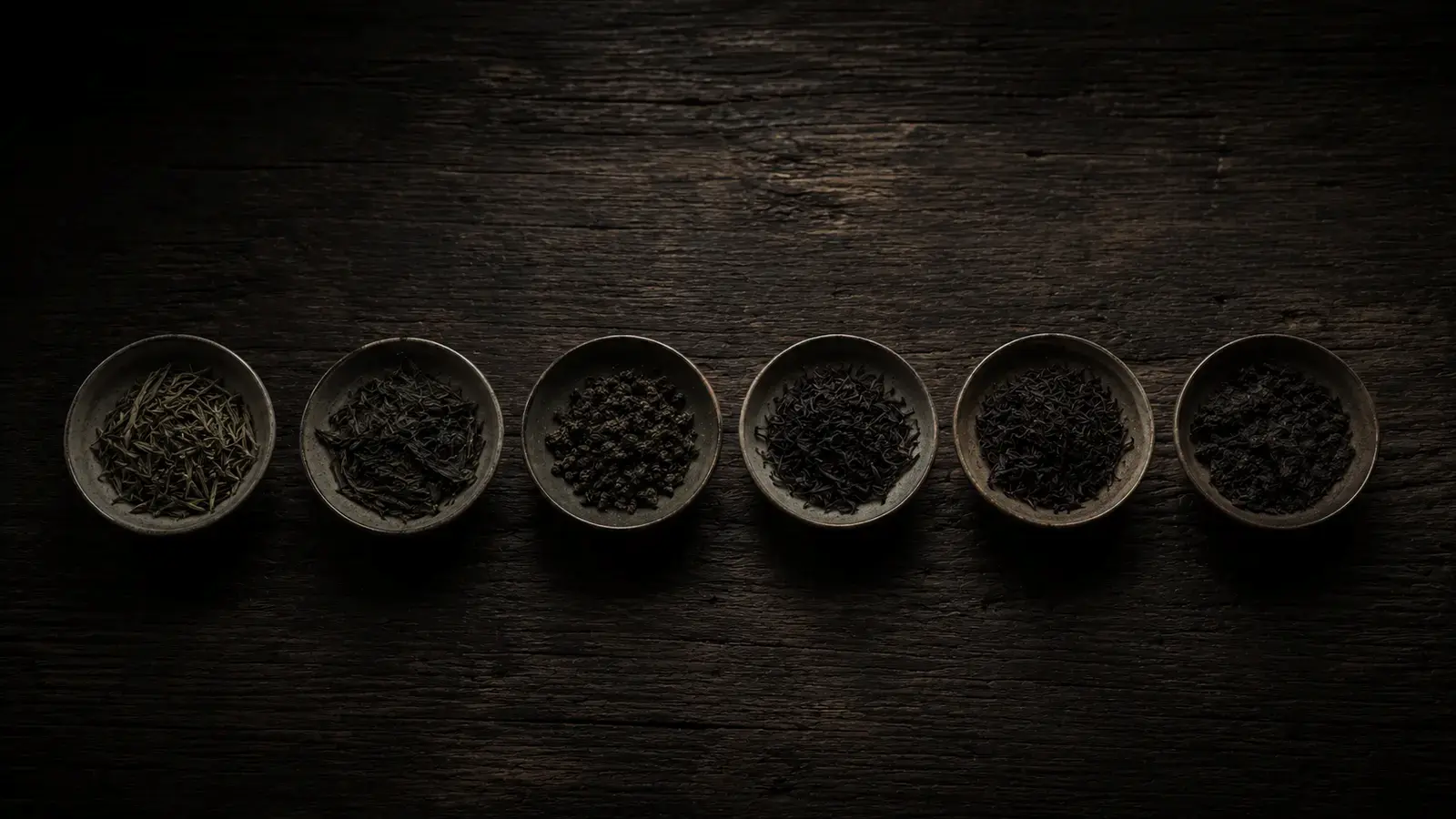
The Six Types of Tea: How Processing Creates Every Tea You Drink
All tea comes from one plant. Processing determines the type. Green, white, yellow, oolong, black, and dark tea explained by oxidation and fermentation.
What Is Oolong Tea: The Most Diverse Tea Category Explained
Oolong spans from floral Taiwanese high-mountain to mineral Wuyi rock tea to aromatic dancong. The oxidation spectrum, sub-families, and how to brew.
Gongfu Brewing: The Complete Method
The gongfu method extracts more from tea than any other approach. Parameters for every tea type, vessel selection, and the ritual that quiets the noise.
Tea Terroir Explained: Why Origin Matters
Elevation, soil, climate, cultivar, and human tradition shape every tea. How terroir works in tea — explained through the lens of wine.
The Steep Atlas Tasting Protocol: A Ten-Dimension Evaluation Method
A ten-dimension tea evaluation method. Same vessel, same water, same scoring — so every session is comparable. The method behind every tasting note.
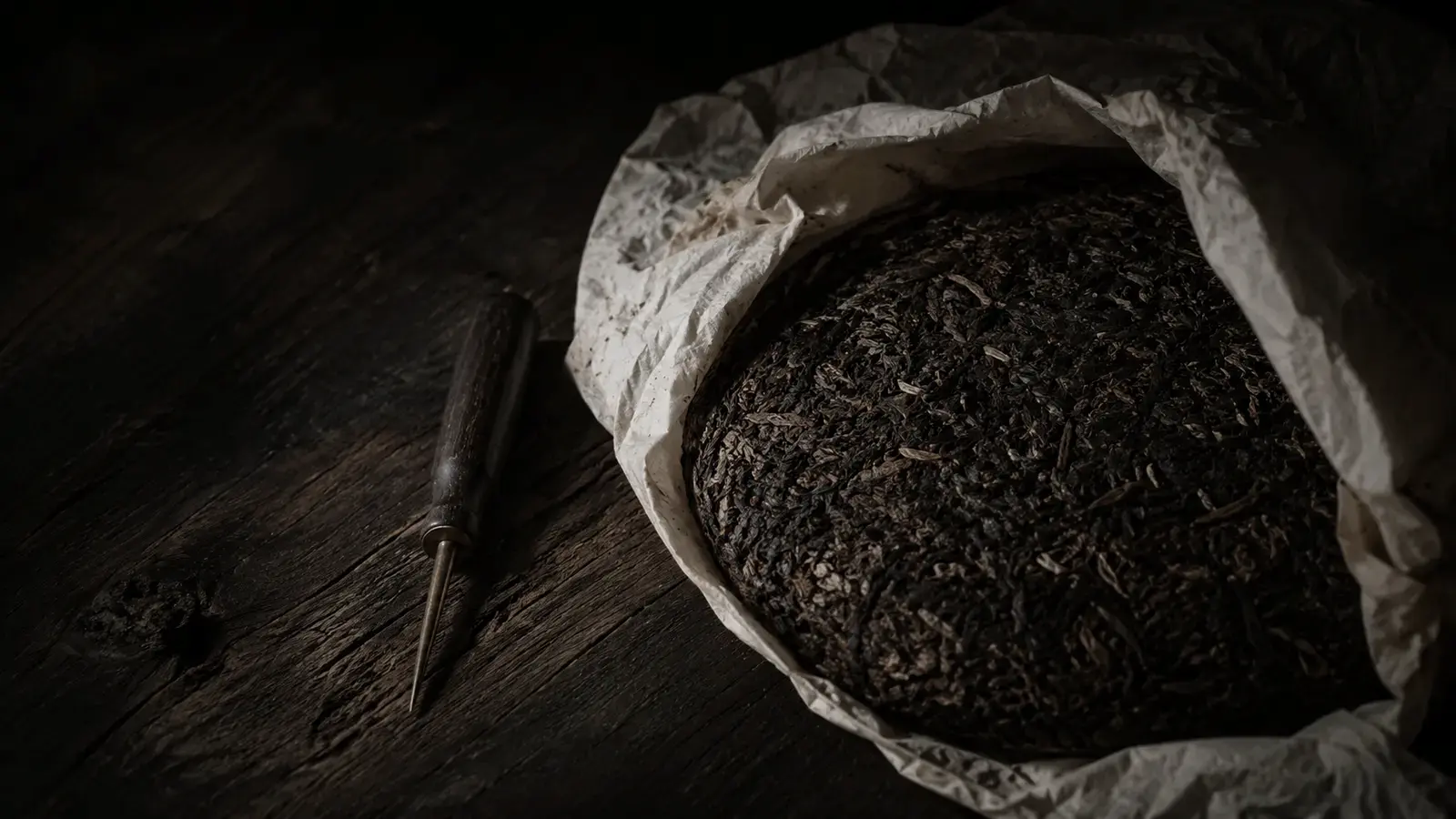
What Is Pu-erh Tea: A Complete Guide
Pu-erh tea ages like wine, develops terroir character, and rewards collectors. Sheng and shou explained — processing, regions, and aging.
Pu-erh Tea Benefits: What the Research Actually Shows
Pu-erh tea benefits reviewed against actual published research—not marketing. Cholesterol, digestion, weight loss, and what the studies really say.
Pu-erh Tea Caffeine: How Much and How It Works
Pu-erh tea contains 30–70mg caffeine per cup—roughly half of coffee. Learn how gongfu brewing, fermentation, and L-theanine change how that caffeine act...
Tea for Anxiety: What the Science Says and What I Have Found
An honest, science-first look at tea for anxiety—covering L-theanine research, calming herbal teas, and how daily gongfu ritual changed my baseline.
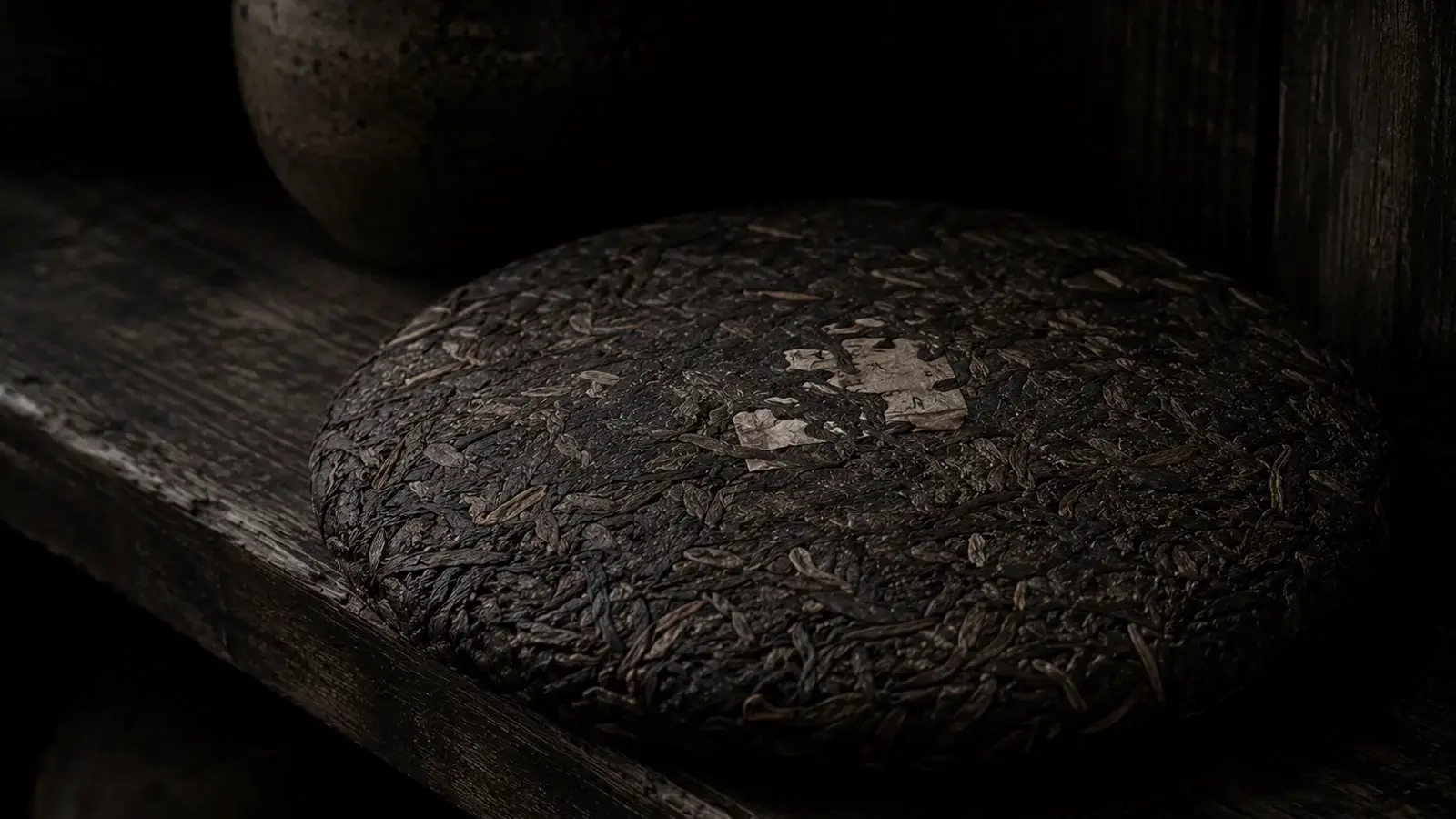
How Pu-erh Tea Ages: What Happens at 5, 10, and 20 Years
A deep dive into pu-erh aging with real benchmarks at 5, 10, and 20 years. Flavor evolution, storage types, and what decades of aging actually produces.
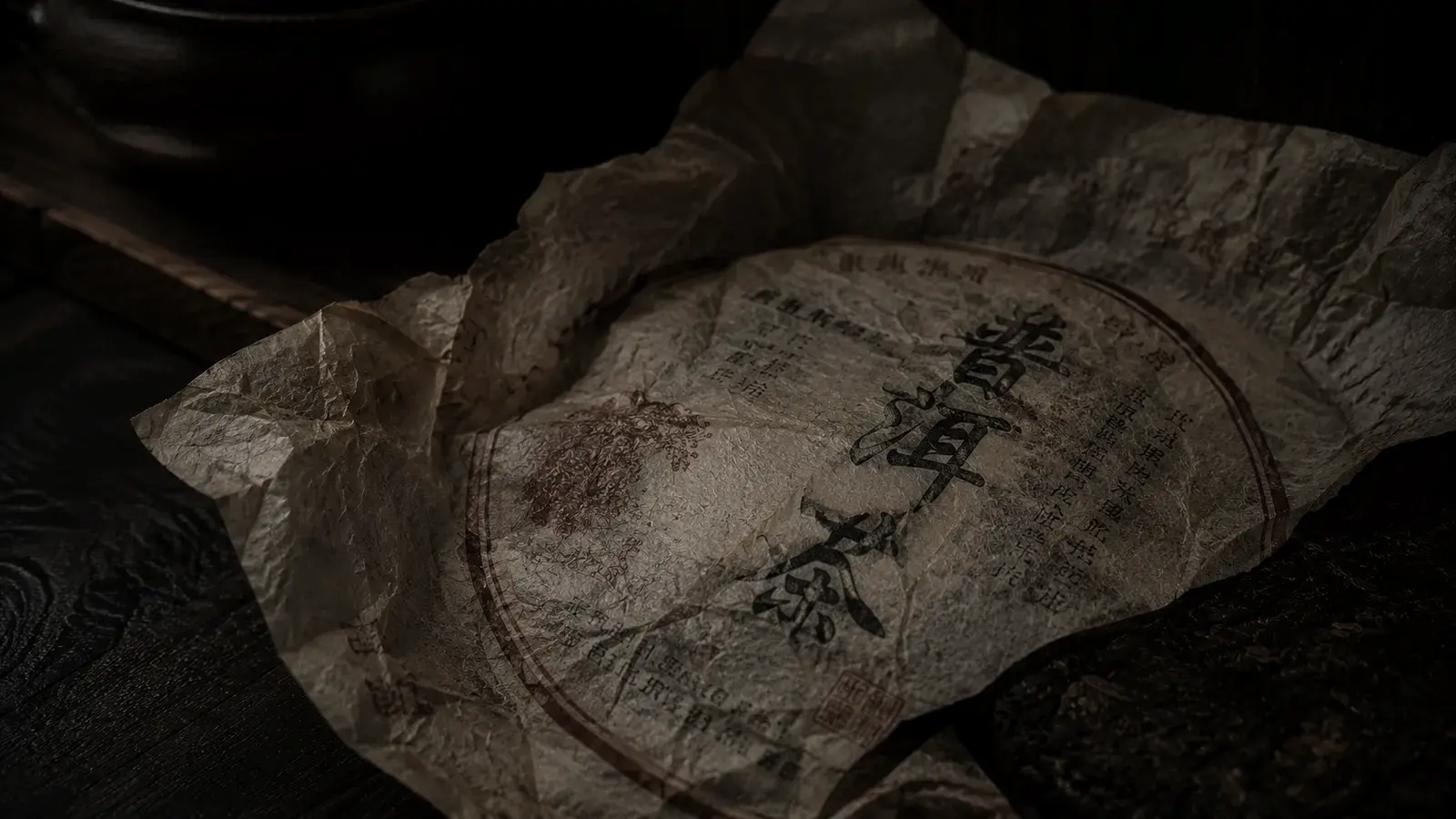
How to Read a Pu-erh Tea Wrapper: A Decoder Guide
Decode pu-erh tea wrappers: neifei, neipiao, recipe numbers like 7542 and 8582, factory codes, date formats, and authenticity red flags. Complete refere...
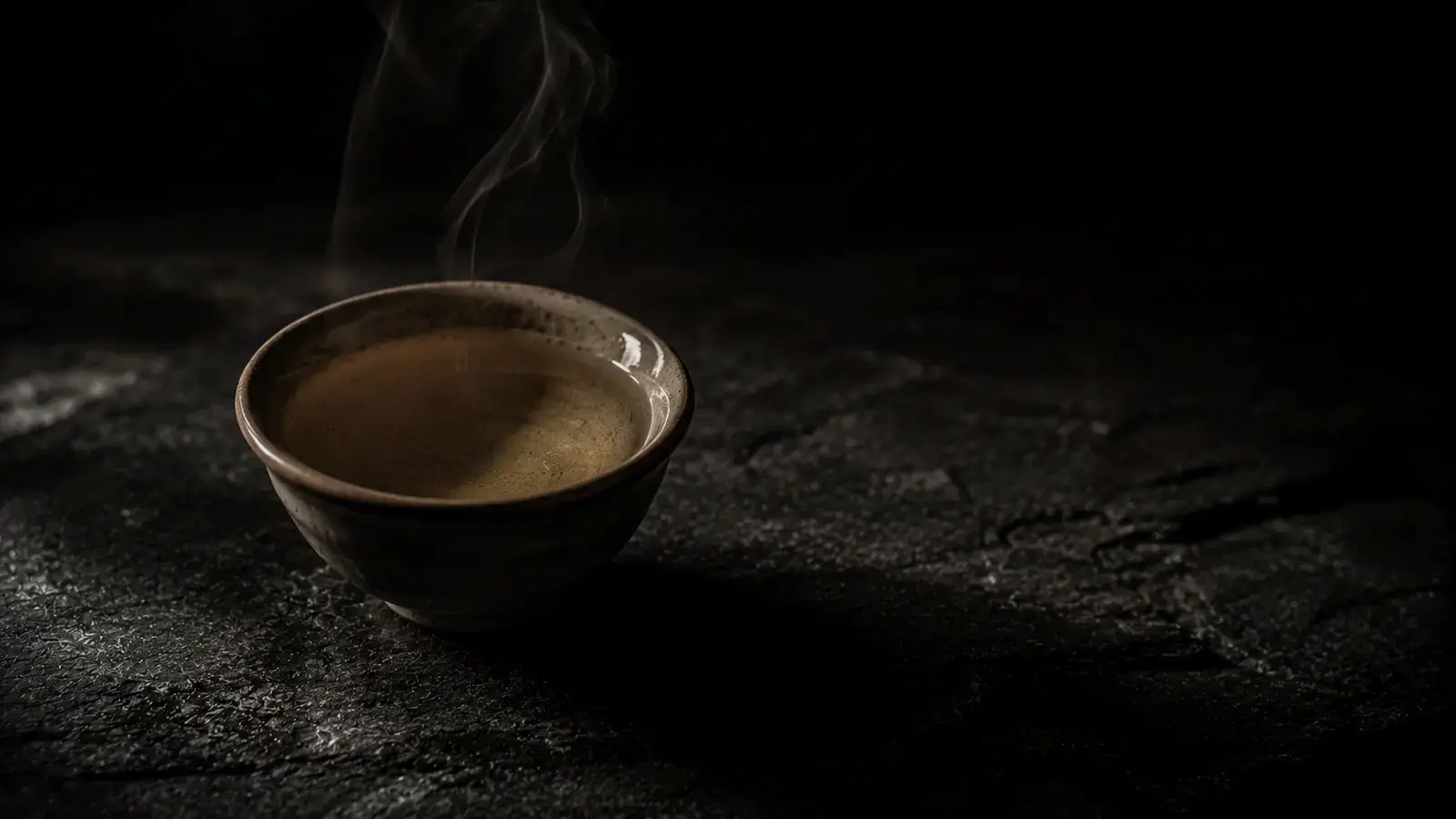
What Is Huigan? The Returning Sweetness Explained
Huigan (回甘) is the sweetness that rises from the throat after drinking bitter tea. How to detect it, which teas produce it, and why it matters for quality.
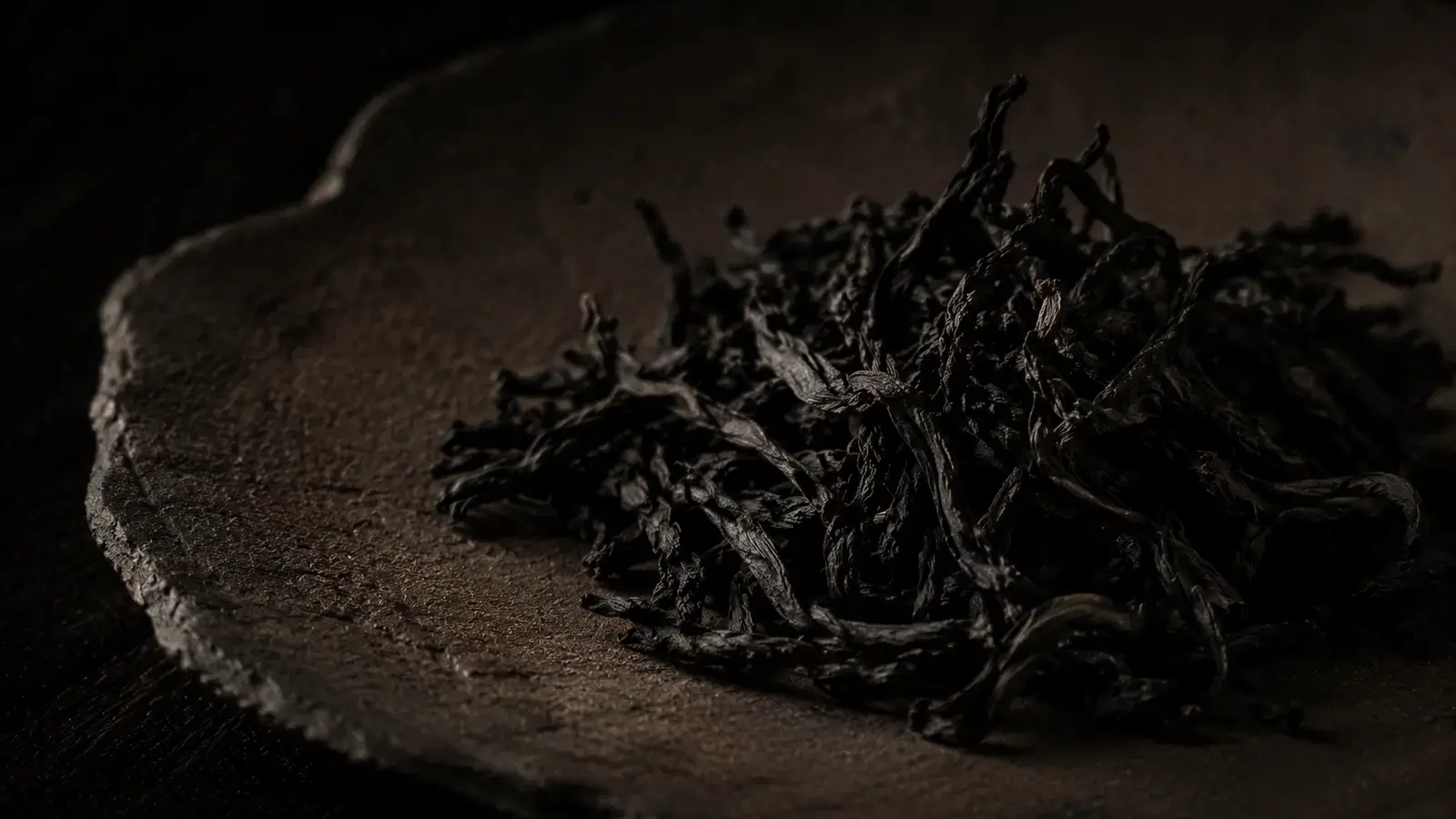
Da Hong Pao: A Guide to Wuyi Rock Oolong
A complete da hong pao guide: what it is, how it's made, what yan yun tastes like, how to brew it, and what to buy. Wuyi rock tea explained.
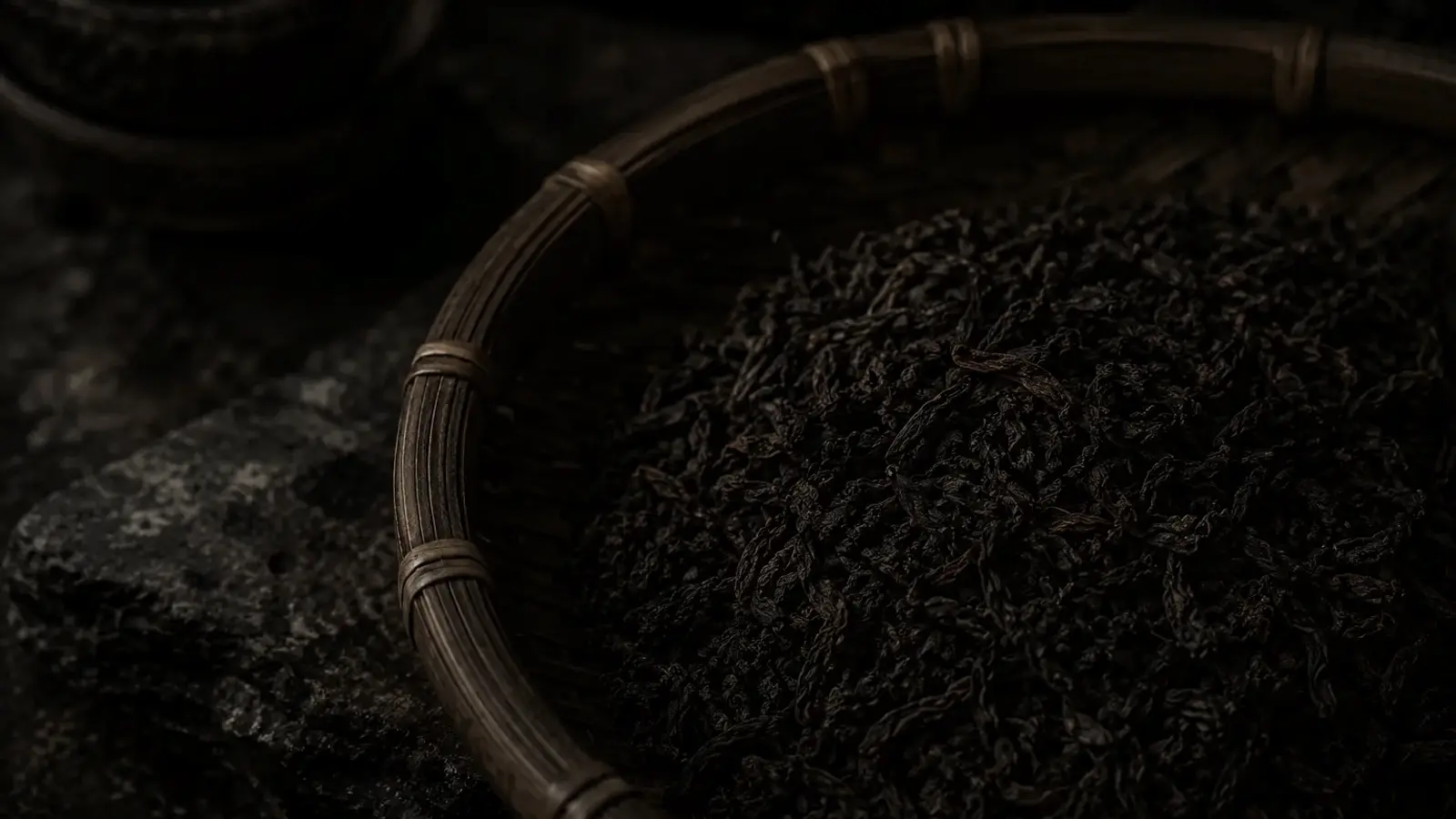
Liu Bao Tea: A Complete Guide to Guangxi Dark Tea
The definitive English guide to liu bao tea — origin, processing, areca nut aroma, aging, brewing parameters, and how it compares to shou pu-erh.
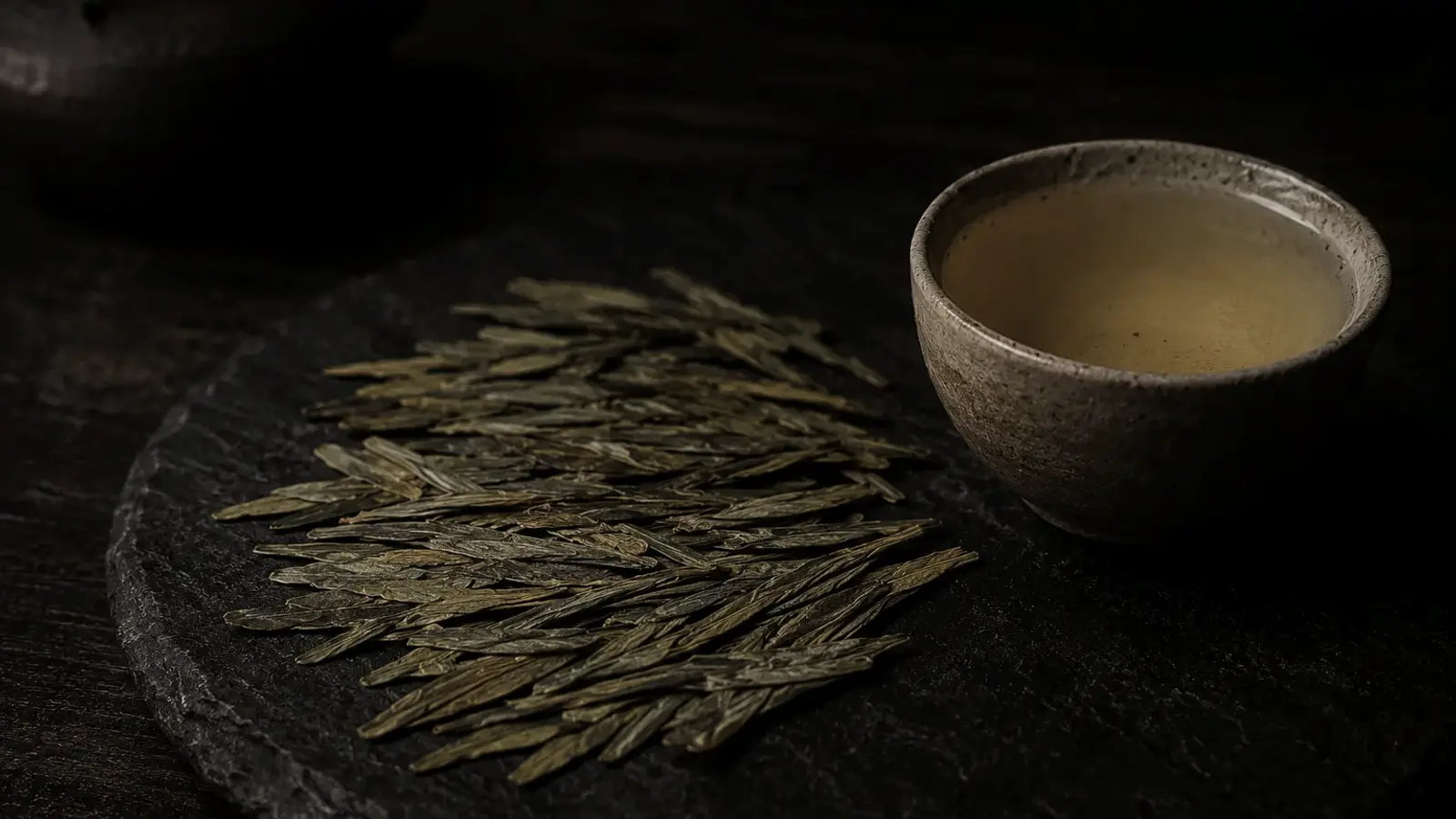
Longjing Dragon Well: A Guide to China's Most Famous Green Tea
Everything you need to know about longjing tea: terroir, harvest grades, brewing parameters, and how to spot the real thing from West Lake.
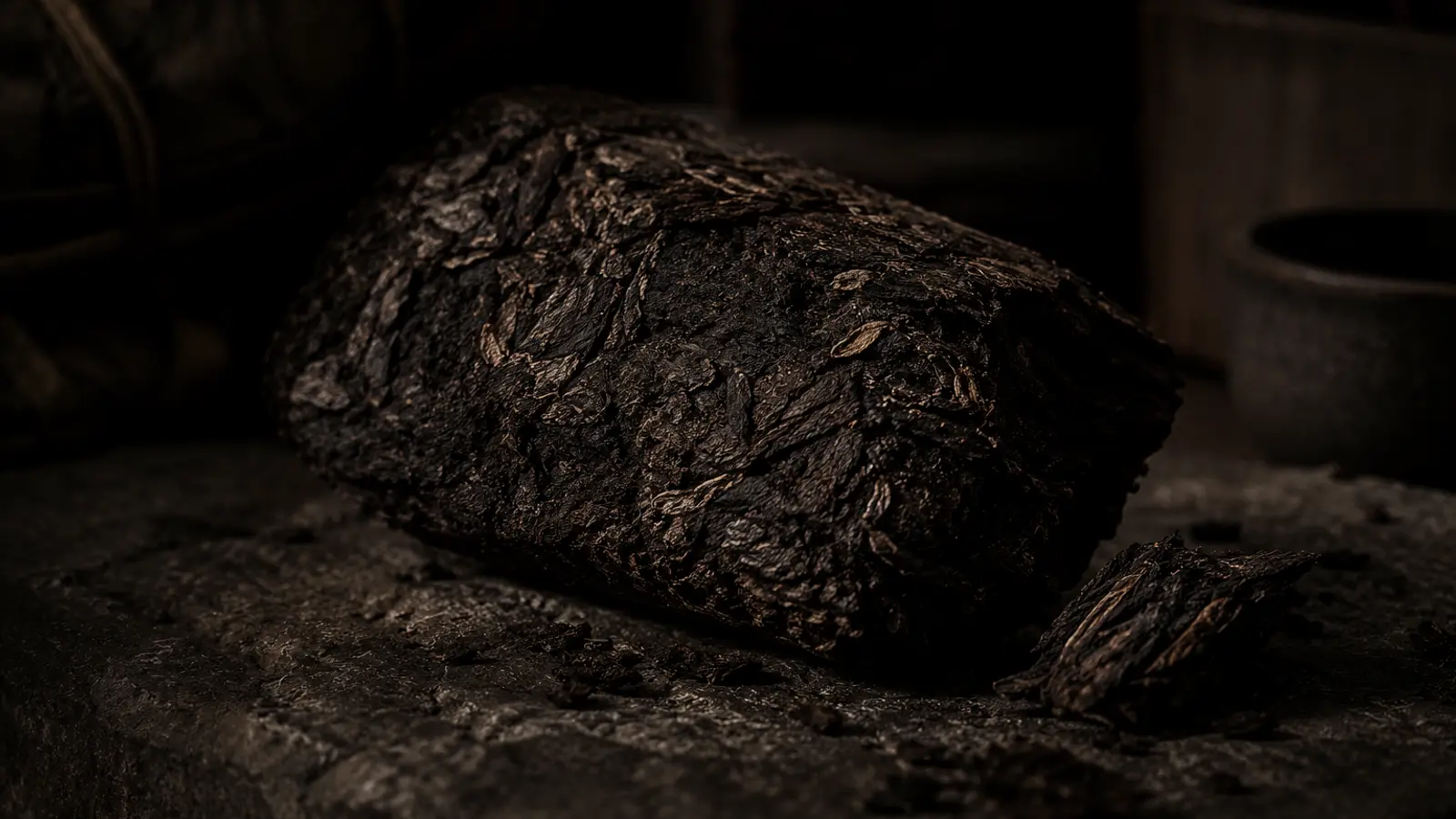
What Is Hei Cha? Dark Tea Beyond Pu-erh
Hei cha is Chinese dark tea—post-fermented tea with five regional styles. Pu-erh is just one. Discover Liu Bao, Fu Zhuan, and more.

Green Tea Guide: Types, Brewing, and What Actually Matters
The complete green tea guide: Chinese vs Japanese types, why temperature is everything, and how to brew without bitterness. Longjing, sencha, gyokuro, m...
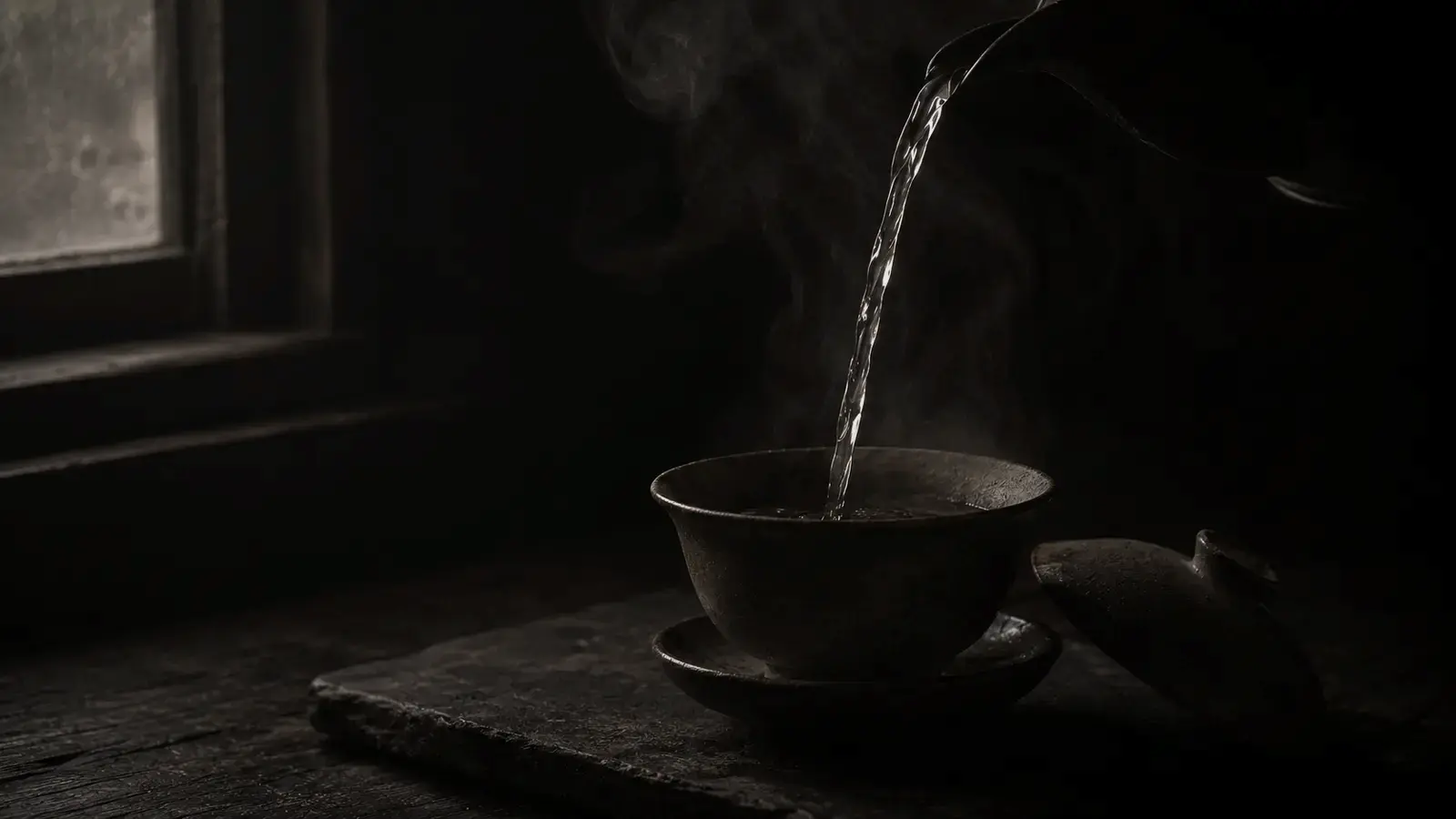
How to Brew Tea: A Complete Beginner's Guide
Learn how to brew tea properly with three methods from simplest to most advanced. Includes water temperatures, steep times, and a quick-reference table.
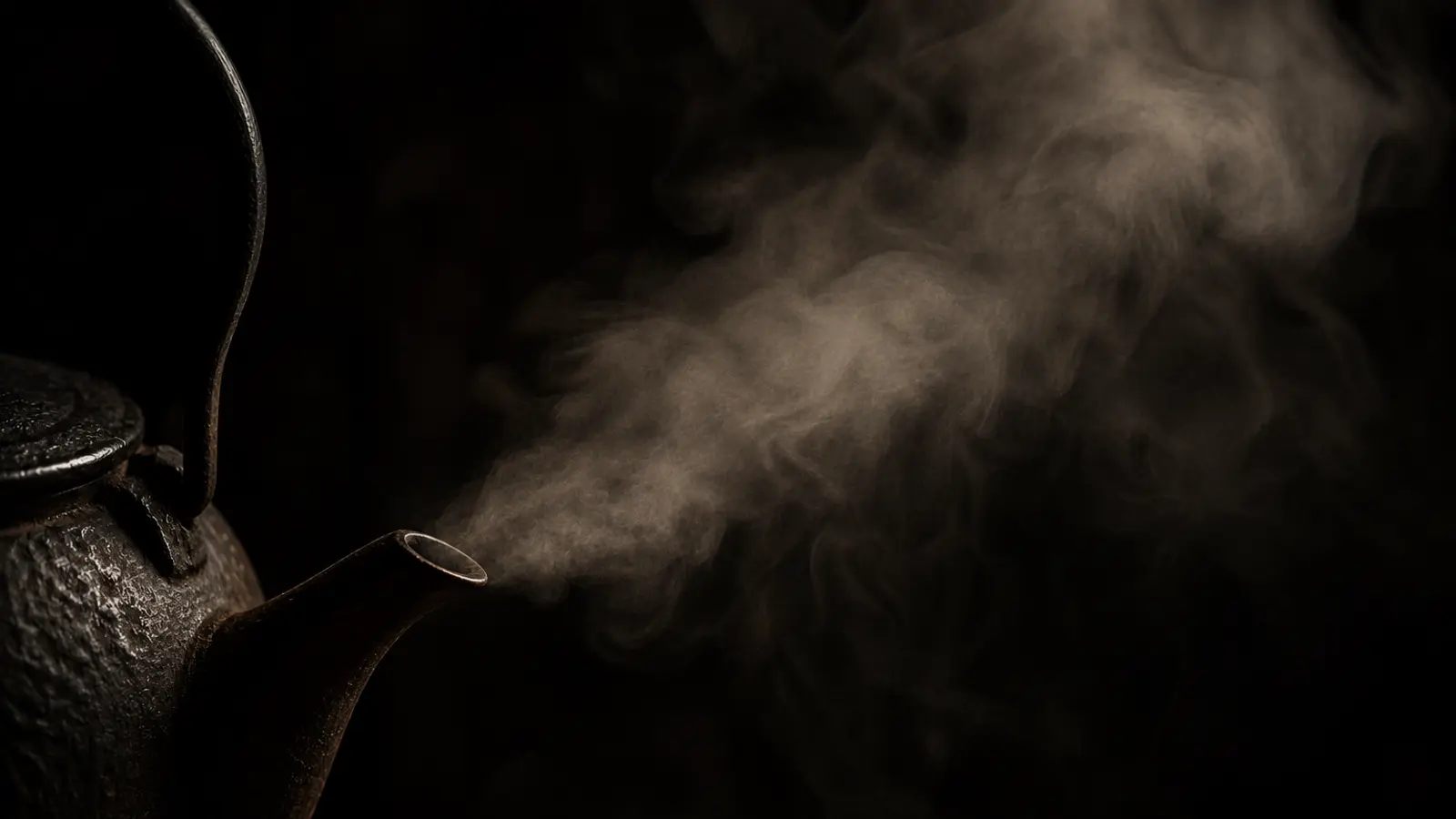
Tea Brewing Water Temperature: The Complete Reference Guide
Why 100°C for pu-erh but 75°C for green tea. Temperature chart for every tea type with the science behind each degree.
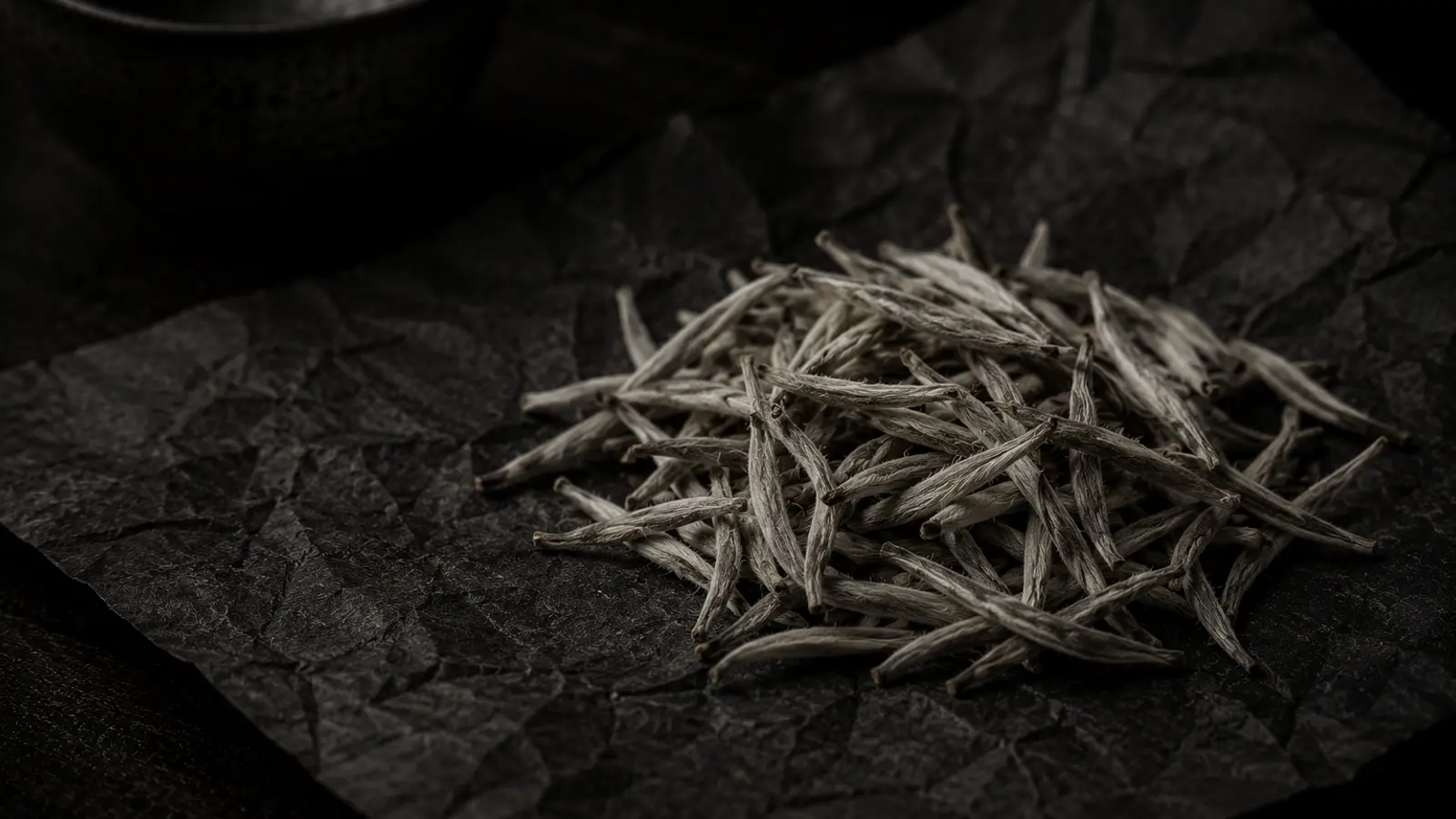
White Tea Guide: The Least Processed Tea Explained
A complete white tea guide covering Silver Needle, White Peony, processing, brewing, aging, and the difference between Fuding and Zhenghe styles.