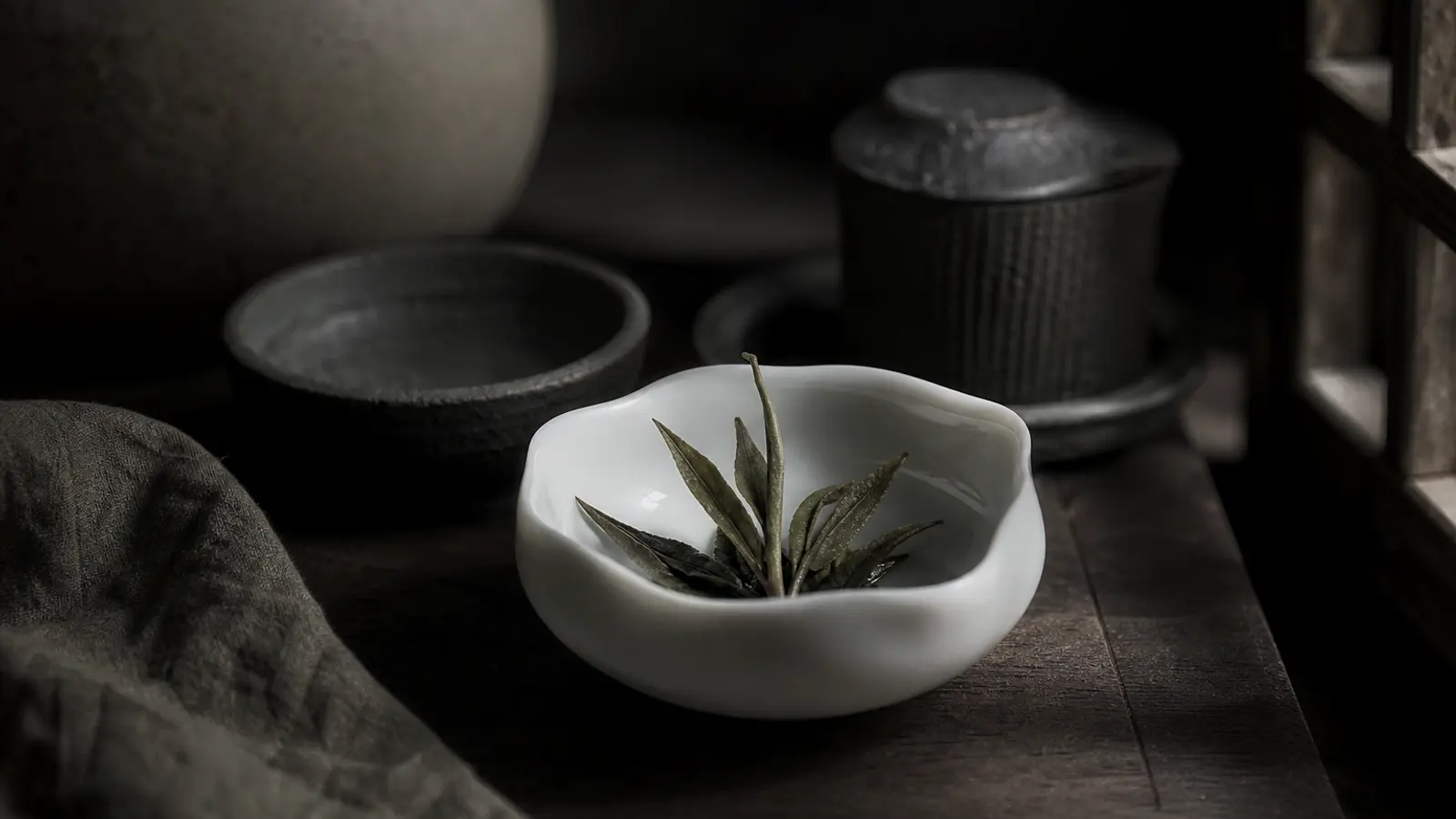
Sejak (세작, 細雀, “Slender Sparrow”) is the premium everyday grade of Korean green tea — harvested in late April to early May with one bud and one or two small leaves. Sejak occupies the sweet spot of Korean tea: high enough quality to show what the tradition can produce, accessible enough at $25-50 per 50 grams to reward daily exploration.
Why Sejak Is the Entry Point for Korean Green Tea
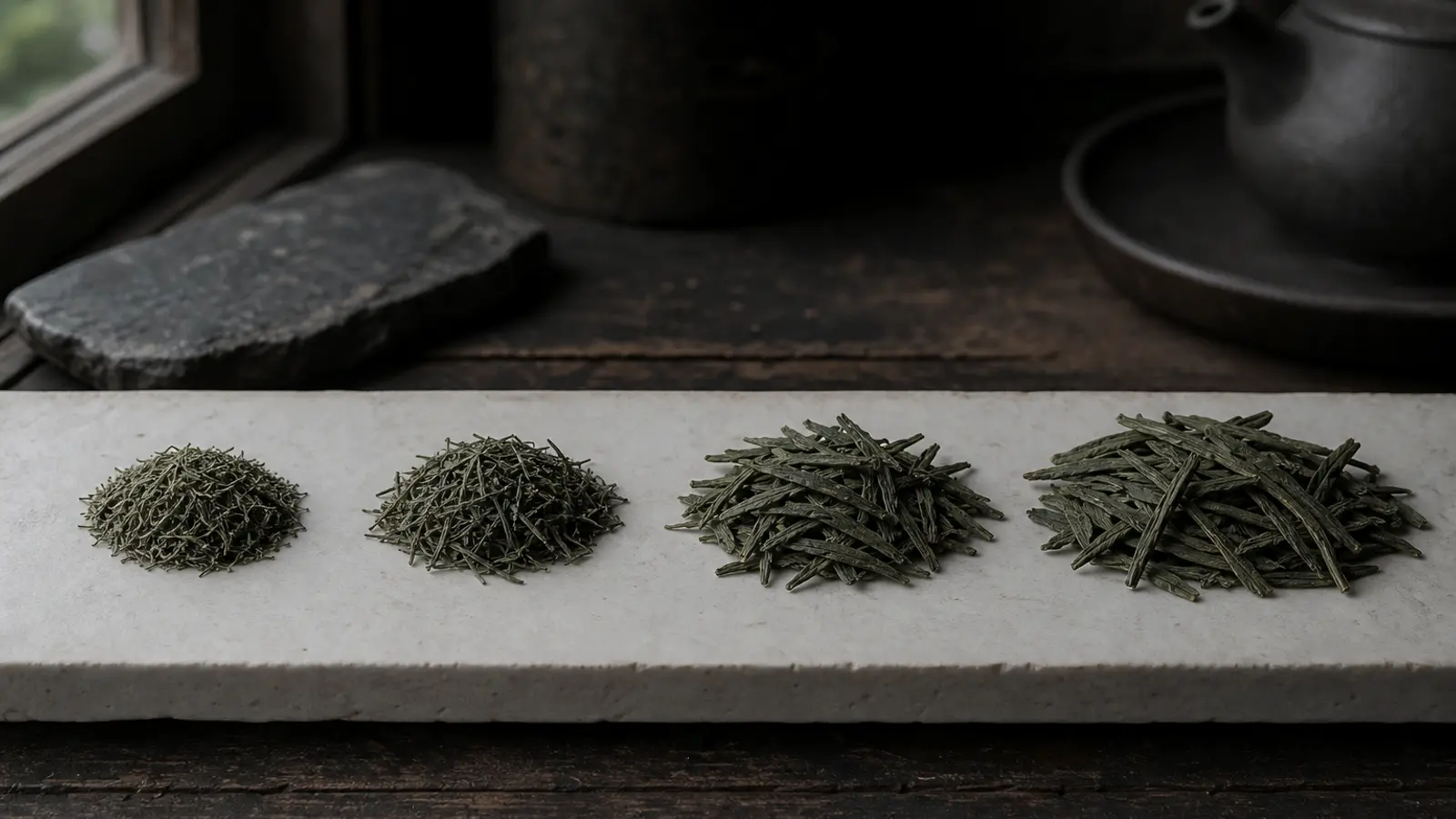
Korean green tea has a grading system tied to harvest timing and leaf maturity. From earliest to latest: ujeon (우전, 雨前, “Before the Rain”), sejak (세작), jungjak (중작, 中雀), and daejak (대작, 大雀). Each step later in spring means larger leaves, more body, and lower prices — but also diminishing delicacy.
The wine world offers a useful parallel here. Think of Korean tea grades the way you’d think about Burgundy appellations:
- Ujeon is Grand Cru — the most refined expression, limited production, and prices that reflect scarcity ($100–$250/50g for artisan ujeon). Extraordinary when you find the real thing. But the price-to-experience curve flattens fast at this level.
- Sejak is Village Burgundy — Gevrey-Chambertin, Volnay, Meursault. This is where terroir expression becomes real, where quality reaches a threshold that rewards close attention, and where the price-to-experience ratio peaks.
- Jungjak is regional Bourgogne — accessible, pleasant, but lacking the specificity and sweetness that make Korean green tea distinctive.
Sejak balances quality and value better than any other Korean tea grade. Ujeon costs three to five times more and is harder to source with confidence. Jungjak is more affordable but lacks sejak’s sweetness and complexity. Sejak gives you the full Korean green tea experience — the pan-fired roasted chestnut character, the sweetness, the terroir expression — at a price ($25–$50/50g for artisan production) that rewards exploration without pressure.
How Sejak Tea Tastes
The defining character of sejak comes from two factors: the leaf material itself and the pan-firing process called deokkeum (덖음).
Korean green tea is predominantly pan-fired rather than steamed. Where Japanese green tea gets its vegetal, marine character from steaming, Korean green tea develops roasted, grain-sweet, nutty notes through repeated cycles of hand-firing in a heated iron pan. Sejak is the grade where this deokkeum character reaches full expression.
The Flavor Profile
A well-made sejak delivers:
- Roasted chestnut and sweet grain — the signature of skilled deokkeum, fully developed at this leaf maturity
- Pronounced sweetness — more than jungjak, with a clean lingering sweetness in the aftertaste that recalls the Korean concept of 단맛 (danmat)
- Body and structure — the additional leaf material compared to ujeon adds weight and texture to the cup
- Retained brightness — despite the body, good sejak still carries a lifted quality that keeps it from feeling heavy
- Clean finish — no harshness, no excessive astringency when brewed properly
The difference between sejak and ujeon is not that one is better. Ujeon is more delicate, more ethereal — all bud, minimal structure, pure sweetness. Sejak trades some of that delicacy for fuller body and a more complete expression of the pan-fired character. Many experienced Korean tea drinkers actually prefer sejak for daily drinking because it offers more to engage with across multiple steeps.
Regional Variation in Sejak
This is where the Village Burgundy analogy holds tightest. Sejak from different Korean tea regions carries distinct signatures, and the grade is affordable enough to compare them side by side.
| Region | Character | Price Range (50g) |
|---|---|---|
| Boseong (보성) | Clean, nutty, comforting. Plantation-grown, consistent quality. The reliable introduction. | $25–$35 |
| Hadong (하동) | Concentrated, wild character. Mountain-grown, often from semi-wild or wild-cultivated trees. More terroir expression, more depth. | $35–$50 |
| Jeju (제주) | Volcanic mineral undertone. Island terroir adds a distinct mineral thread beneath the nuttiness. | $30–$45 |
A Boseong sejak is clean and nutty and comforting — the kind of tea that makes you understand why Koreans drink green tea as a daily practice. A Hadong sejak has more concentration and wild character from the mountain terroir, especially from the Hwagae Valley (화개골) area where tea trees grow among other vegetation on steep hillsides. Jeju sejak, grown in the volcanic soil of Korea’s southern island, carries a mineral undertone that none of the mainland teas replicate.
These differences follow the same patterns seen in ujeon from the same regions, but at a fraction of the cost. Sejak is the grade where comparing origins becomes practical rather than aspirational.
How to Brew Sejak Tea
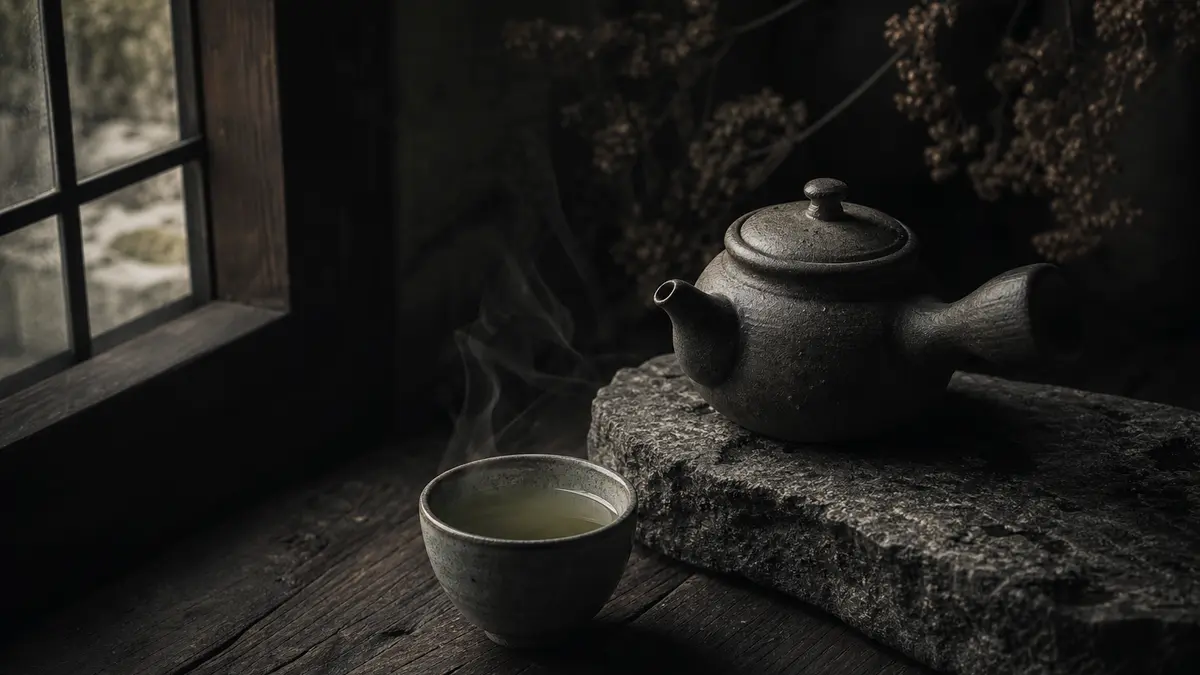
One of sejak’s great virtues is forgiveness. Where ujeon demands precision — a few degrees too hot or a few seconds too long and you’ve lost the delicacy — sejak tolerates a wider range of parameters while still producing an excellent cup. This makes it ideal for beginners who are still calibrating their brewing instincts.
Brewing Parameters
- Water temperature: 75–80°C (167–176°F)
- Leaf ratio: 4–5g per 100ml of water
- First steep: 15–20 seconds
- Subsequent steeps: Add 5–10 seconds per round
- Expected yield: 4–6 productive steeps
Two Approaches That Both Work
Gongfu style (功夫茶): Multiple short steeps in a gaiwan (蓋碗) or small teapot. This approach reveals how sejak evolves across infusions — the first steep tends to be lighter and more floral, the middle steeps show the full roasted chestnut character, and the late steeps mellow into pure sweetness. Use 5g per 100ml and keep steeps short.
Korean darye (다례) style: A single longer steep (60–90 seconds) in a side-handle teapot (측관, cheukkwan), decanted through a cooling pitcher (숙우, sugu) before serving. The cooling pitcher serves a dual purpose: it brings the brewed tea to a comfortable drinking temperature and ensures an even extraction across the entire pour. This method produces a different experience — more integrated, less about the evolution between steeps and more about a complete single expression. Use 3–4g per 150ml for this approach.
Both methods are legitimate. I find myself reaching for the darye approach when I want something meditative and the gongfu approach when I want to pay close attention to how the tea changes. Sejak rewards both.
What to Avoid
- Boiling water — 100°C will scorch sejak and pull out harsh bitterness that obscures the sweetness. Let the kettle rest after boiling, or use a variable-temperature kettle set to 78°C.
- Over-steeping early rounds — The first steep at 15–20 seconds should be light. Patience. The tea will build across infusions.
- Hard or heavily chlorinated water — Korean green teas are subtle enough that water quality matters. Filtered water or soft spring water makes a noticeable difference.
Freshness Matters: A Seasonal Tea
Korean green tea is about freshness. Unlike pu-erh (普洱茶), which rewards years or decades of aging, Korean green tea is best consumed within twelve months of harvest. The roasted chestnut notes, the sweetness, the brightness — all of these diminish as the tea ages past its first year.
Spring-harvested sejak consumed in the same calendar year is the ideal. By the following spring, the tea will still be drinkable but will have lost some of its defining character. By year two, it’s a different tea entirely — flatter, less sweet, more generically “green.”
This means asking about the harvest year when purchasing. The 2026 spring harvest (올해 봄, olhae bom) should be appearing now, and this is the sejak to seek out. If a listing doesn’t mention harvest year, that’s a warning sign.
Store your sejak in an opaque, airtight container away from heat, light, and strong odors. A sealed foil bag inside a tin is sufficient. Refrigeration is acceptable if you commit to it — bring the sealed container to room temperature before opening to avoid condensation — but a cool, dark cupboard works fine for tea you’ll consume within a few months.
Sejak in the Context of Korean Tea Culture
Korean tea culture (다도, dado, or 다례, darye) emphasizes simplicity, mindfulness, and a direct relationship between the drinker and the tea. There is less formalized ceremony than Japanese chanoyu and less focus on connoisseurship complexity than Chinese gongfu cha. The Korean approach is quieter. Sejak fits this ethos perfectly.
Sejak is the tea most commonly served in Korean temple tea practice, where Buddhist monks and nuns have maintained tea cultivation and processing traditions for centuries — particularly in the Hadong region, where Hwagae Valley temple teas carry histories stretching back over a thousand years. It’s also the grade that most Korean tea lovers drink daily. Not the rare, precious ujeon saved for special occasions, but the reliable, expressive, satisfying tea that accompanies an ordinary afternoon.
There’s something to learn from that. In a tea world that often fixates on rarity and exclusivity, sejak represents a different value: the tea that is genuinely excellent at a scale where you can actually drink it freely.
What to Look for When Choosing Sejak
A few markers of quality:
- Harvest year clearly stated — Current year or previous year’s spring harvest only.
- Region identified — Generic “Korean green tea” without a region is a missed opportunity at best. Look for Boseong, Hadong, or Jeju specifically named.
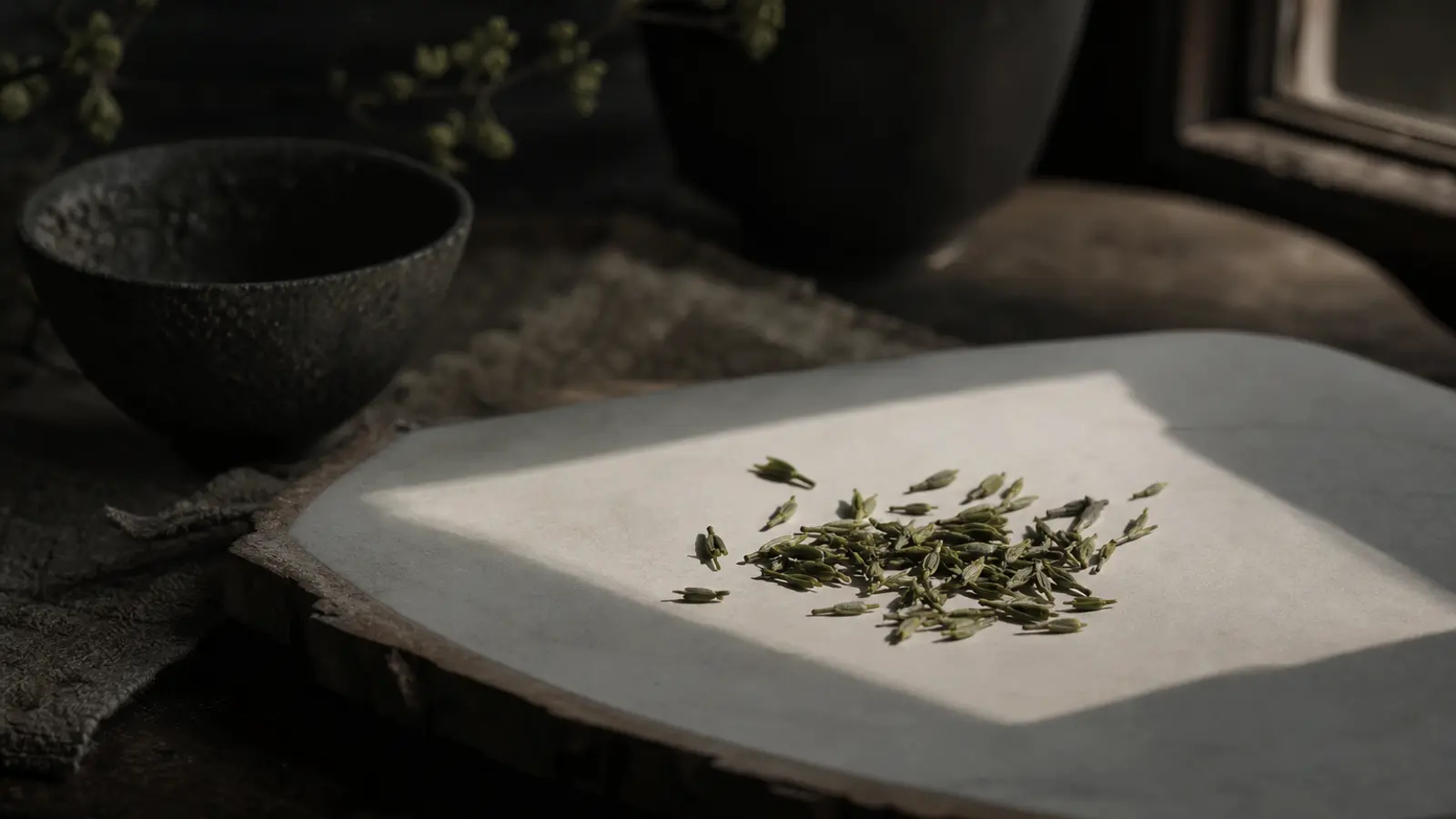
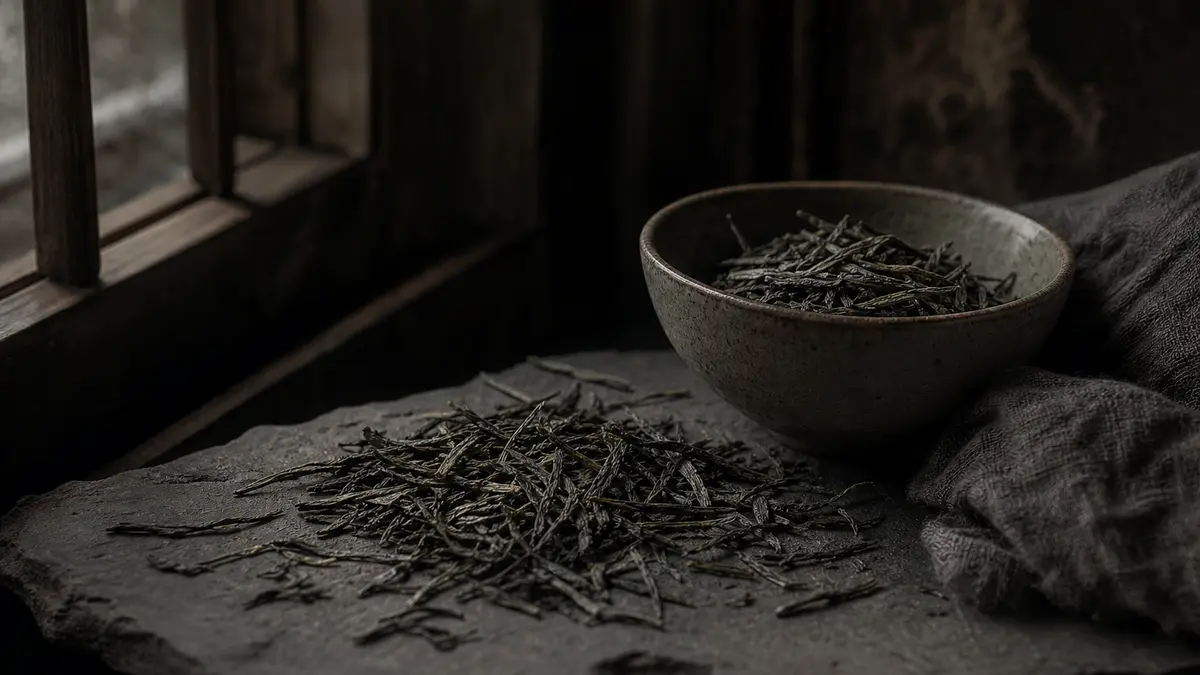
- Leaf appearance — Dry leaves should be small, tightly rolled or gently twisted, and dark green with some variation. Uniformity suggests machine processing (not inherently bad, but different from artisan hand-fired sejak).
- Aroma of dry leaf — Even before brewing, good sejak should smell sweet and roasted, like toasted grain or fresh chestnuts. If it smells flat or hay-like, it’s either old or poorly processed.
- Processing method mentioned — Hand-fired (수제, suje) deokkeum sejak is the benchmark. Machine-processed sejak exists and can be decent, but the hand-fired versions carry more nuance.
The price range of $25–$50 per 50g for artisan sejak is real. Below that range, you’re likely looking at machine-processed or older tea. Above it, you may be paying for packaging or brand rather than leaf quality — though exceptional single-producer Hadong sejak can legitimately command the upper end.
The Case for Starting Here
I keep returning to sejak as my default recommendation for anyone curious about Korean green tea. Not because it’s the absolute pinnacle — ujeon holds that position. Not because it’s the most affordable — jungjak wins there. But because sejak is the grade where everything comes together: the pan-fired character is fully expressed, the sweetness is pronounced, the terroir differences between regions are legible, the brewing is forgiving, and the price invites exploration rather than hesitation.
Try a Boseong sejak first for the clean, approachable introduction. Then try a Hadong sejak to understand what mountain terroir adds. The difference between those two cups will tell you more about Korean green tea than any article — including this one — ever could.