Teaware — Equipment Guides and Evaluations
Guides to gaiwans, clay teapots, kettles, and tea equipment — with specific sourcing, pricing, and performance analysis.
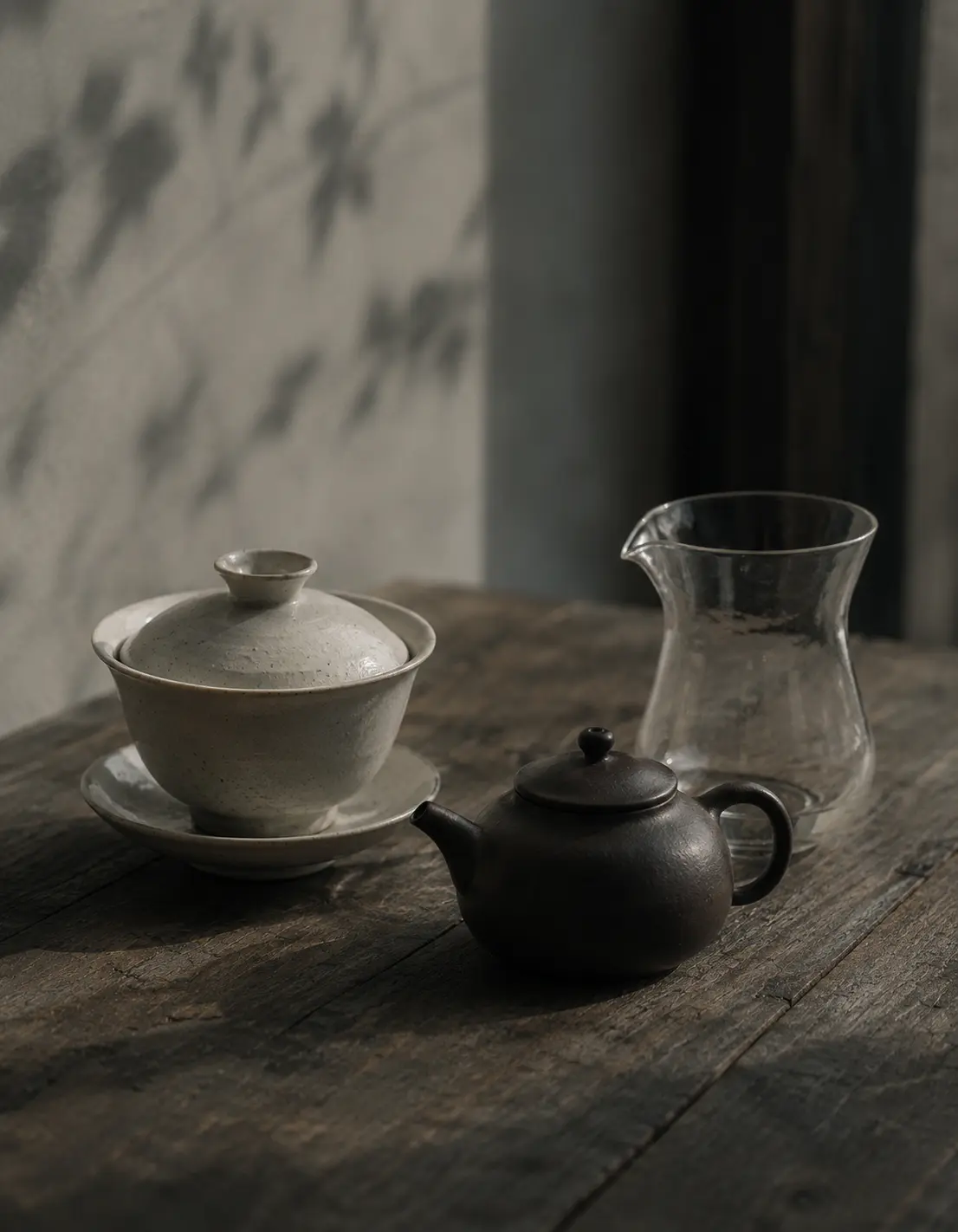
Steep Atlas teaware coverage evaluates the tools that shape the brewing experience — gaiwans, teapots, cups, kettles, and accessories — with the same analytical specificity applied to the tea itself.
The starting recommendation is simple: a white porcelain gaiwan (蓋碗), 100ml capacity, under $15 USD. That is the only equipment required for serious gongfu brewing. Everything beyond it is optional and should be acquired with intention, not impulse.
Clay teapot coverage spans Yixing (宜興) purple clay and Jian Shui (建水) pottery from Yunnan — two distinct traditions with different clay properties, aesthetic philosophies, and effects on tea flavor. Evaluations cover material quality, craftsmanship, pour speed, heat retention, and the practical question of whether the teapot improves the tea enough to justify its cost.
Teaware guides include specific vendor sourcing — where to buy, what to pay, and how to evaluate authenticity. The same value assessment framework used for tea applies to equipment: what does this tool deliver relative to what it costs?
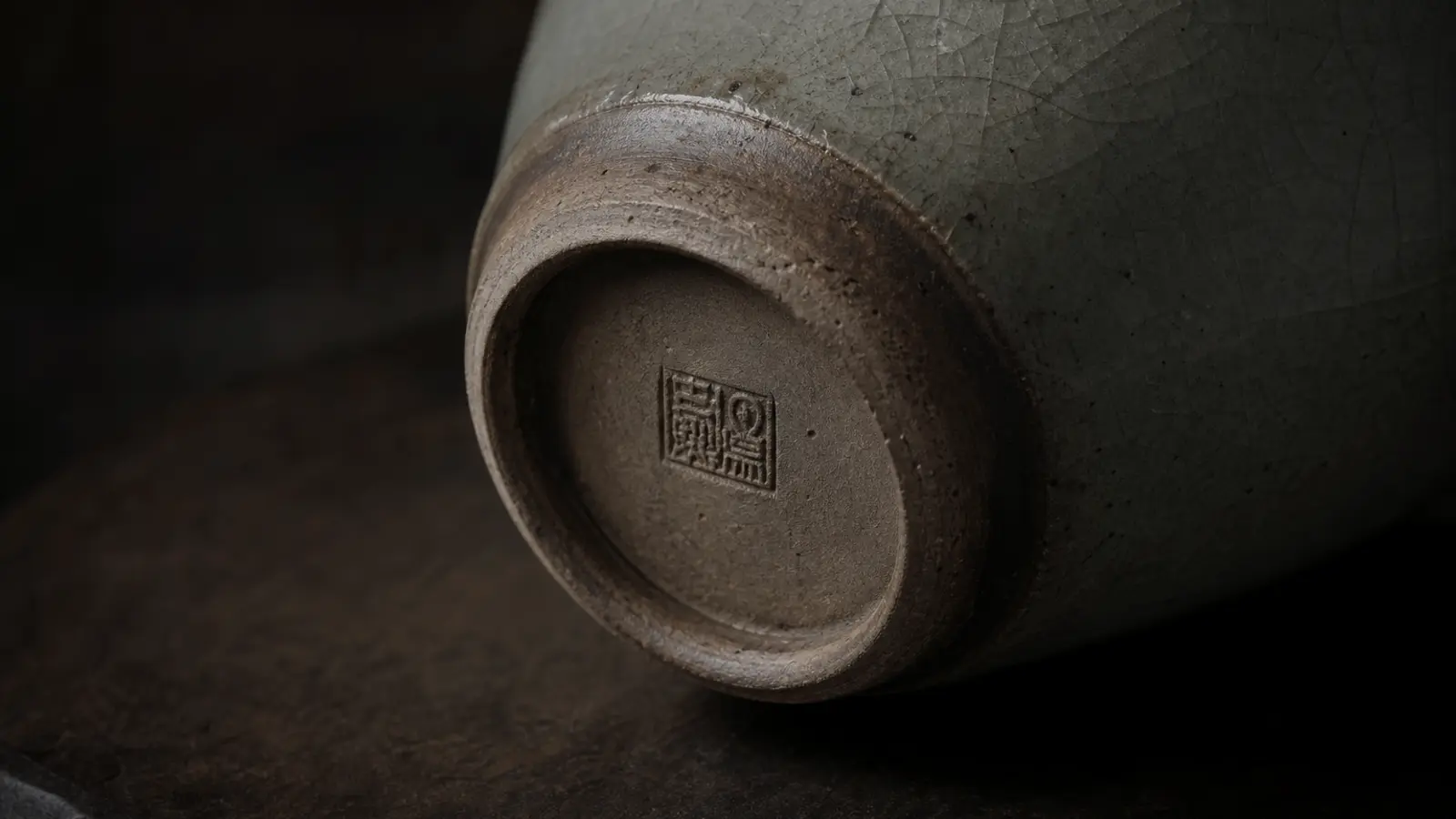
How to Identify Korean Pottery: Marks, Makers, and What to Look For
Visual guide to identifying Korean ceramics. Celadon glaze tests, buncheong slip techniques, potter's marks, foot ring analysis, and what each tradition...
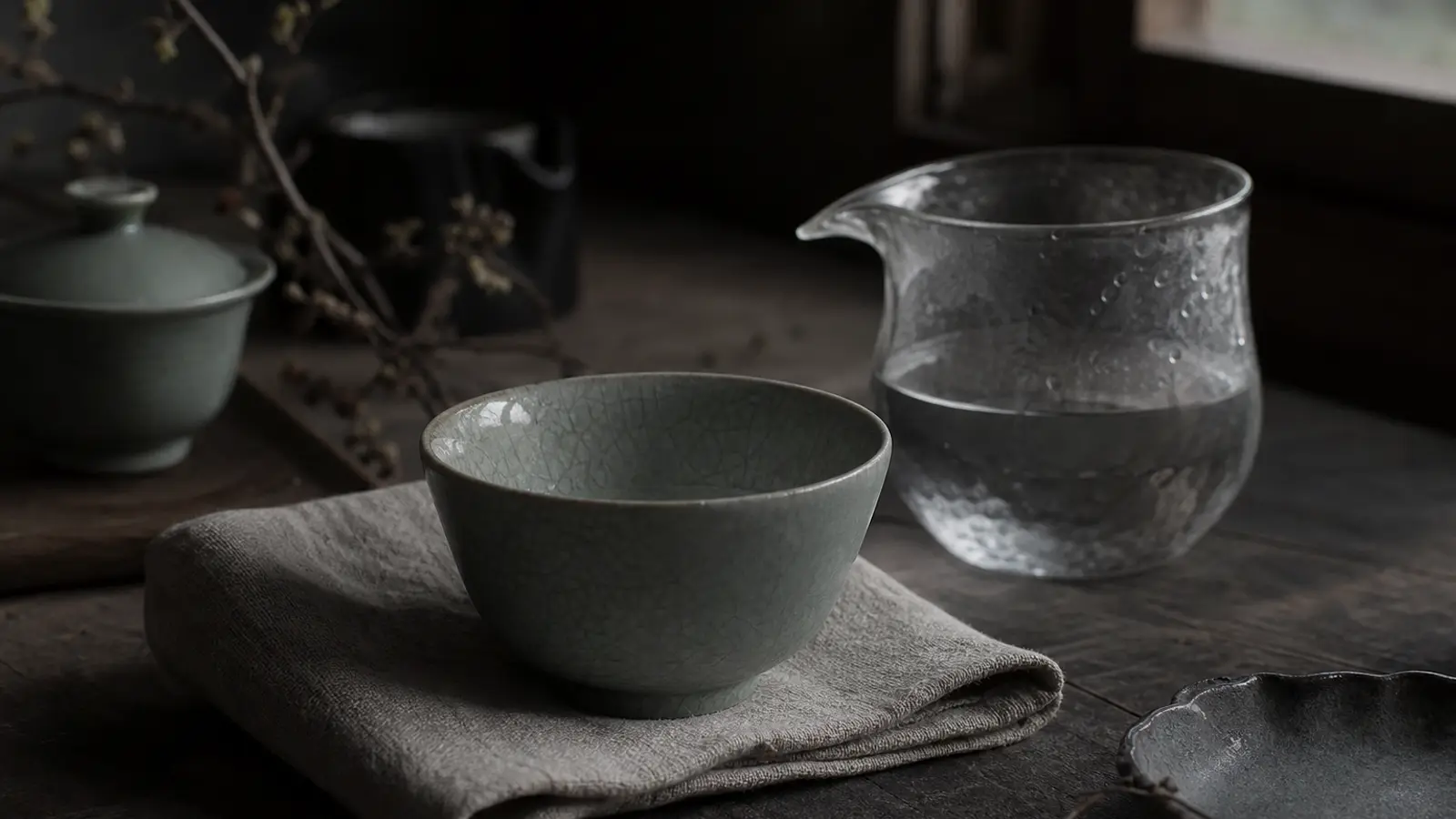
Korean Pottery Care: How to Season and Maintain Your Teaware
Learn how to care for Korean celadon, buncheong, and white porcelain teaware with specific seasoning, cleaning, and storage methods for each tradition.
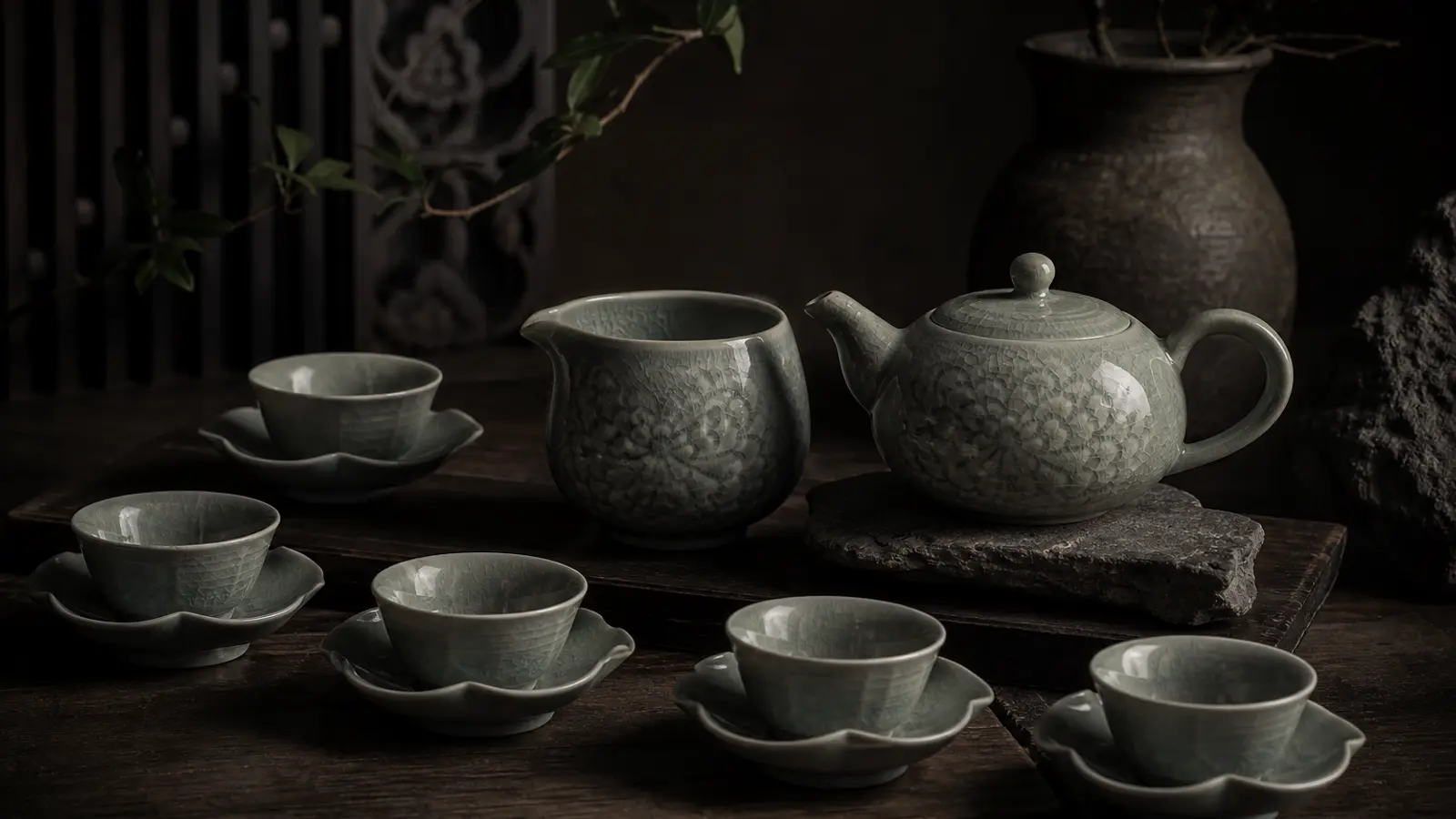
Korean Tea Set Guide: What to Look for and What to Expect
A complete Korean tea set guide covering celadon, buncheong, and white porcelain sets — with price tiers, quality checks, and what each tradition pairs ...
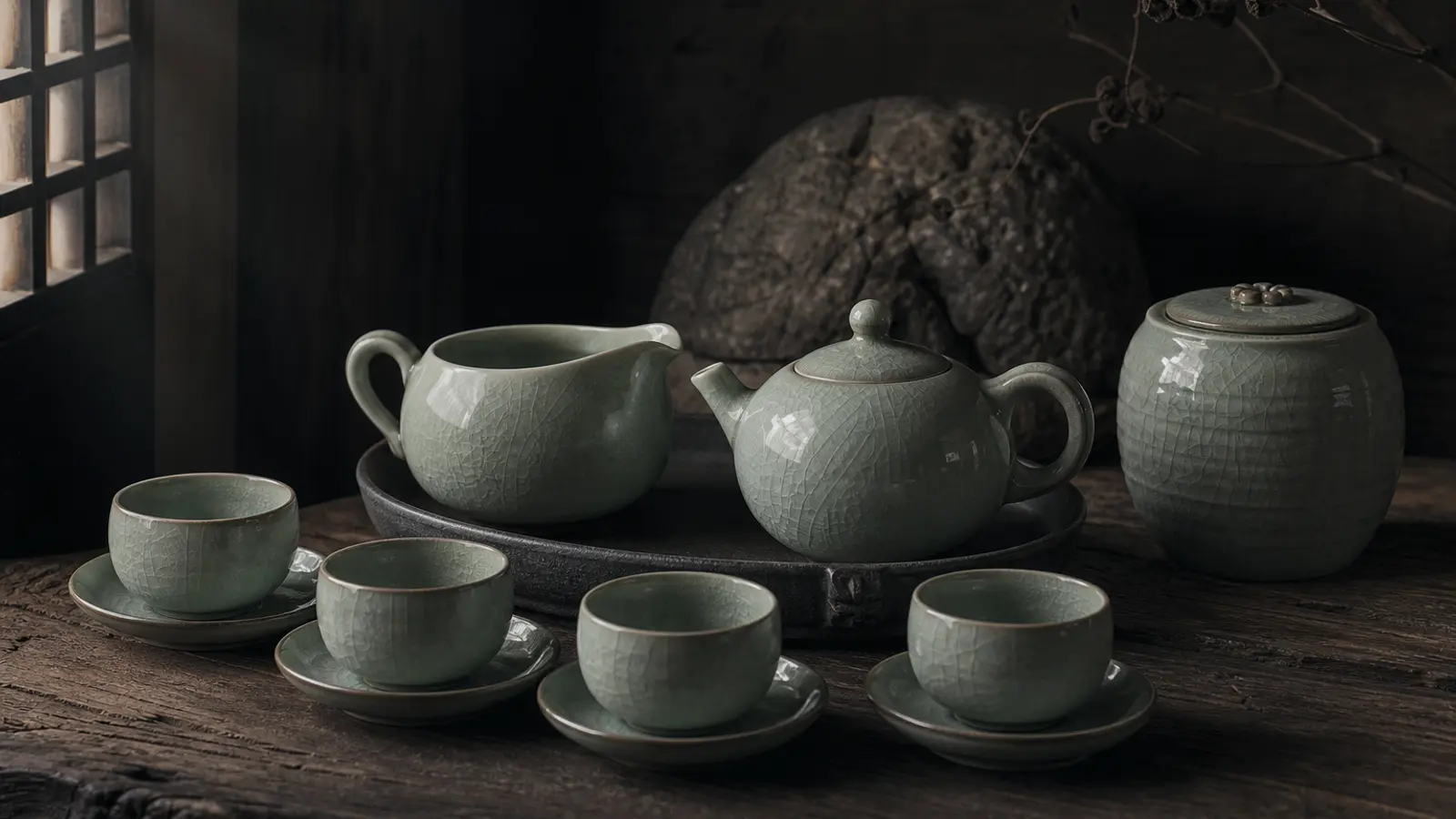
Korean Celadon Tea Sets: What to Know Before You Buy
Everything you need to know before buying a Korean celadon tea set: what's included, three price tiers, quality checks, and where to shop.
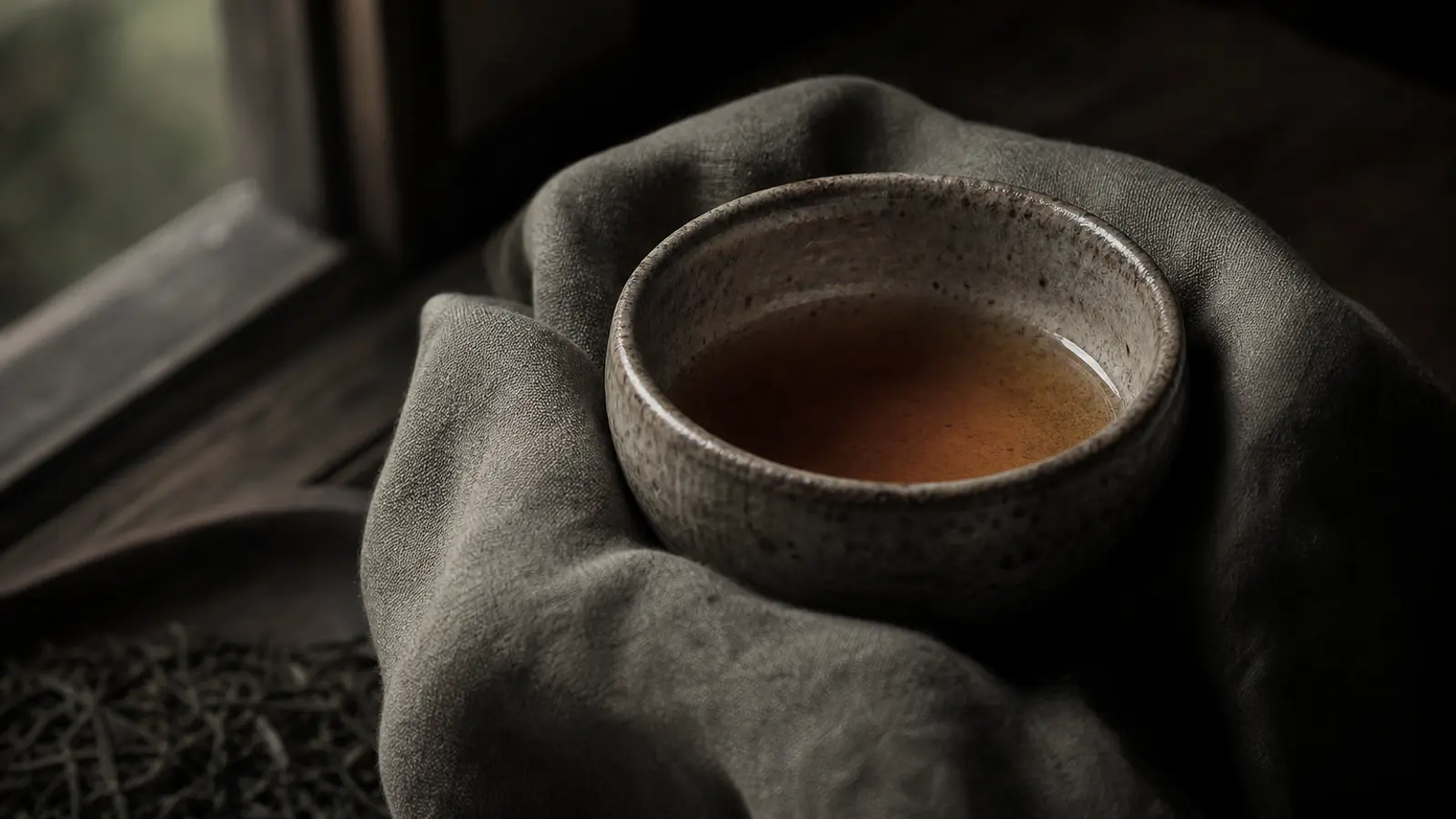
Korean Dawan: Choosing Your First Tea Bowl
A complete guide to Korean tea bowls (다완): what they are, how to use them for ceremony and gongfu, sizes, materials, and price ranges.
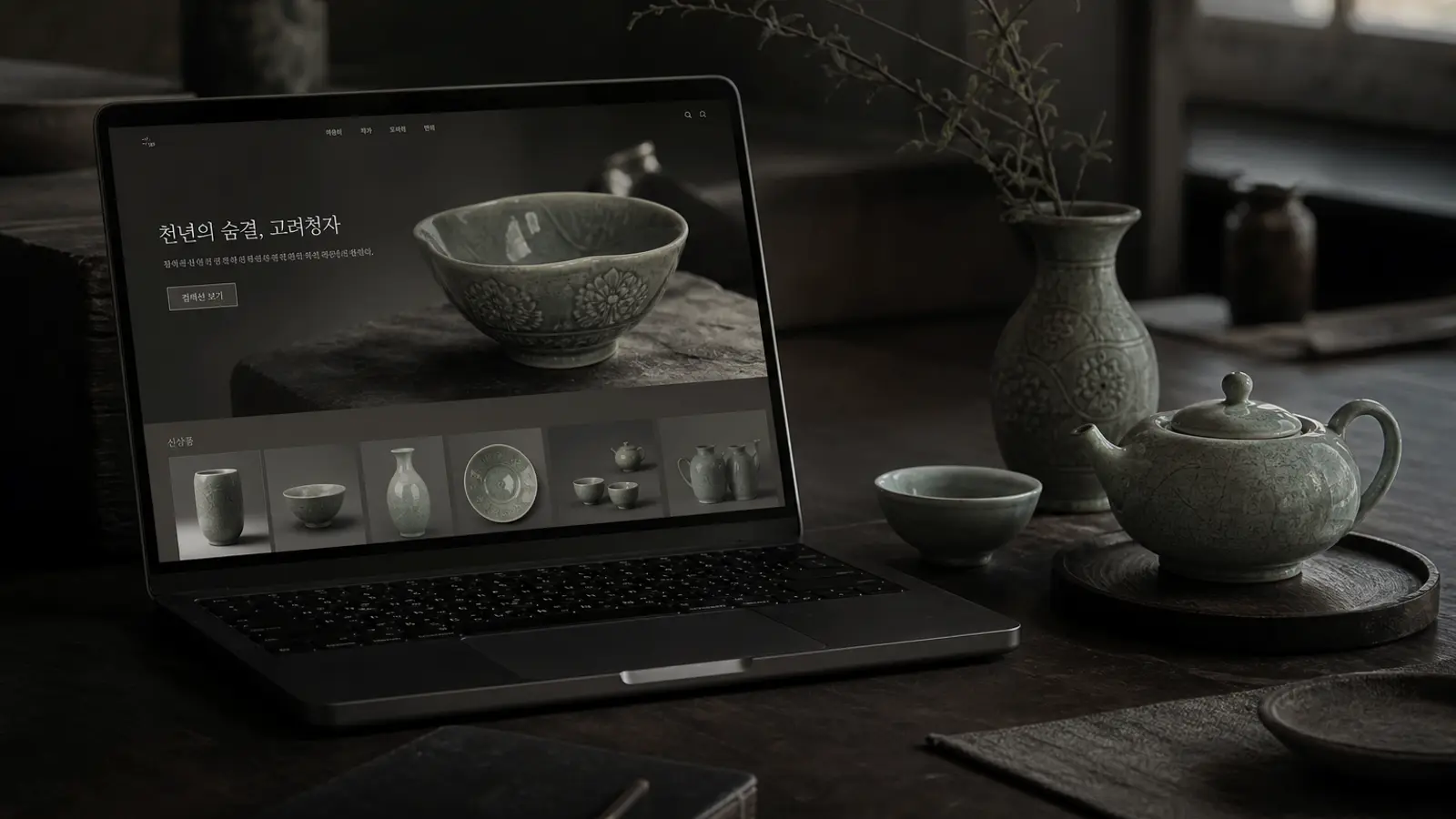
Where to Buy Korean Teaware: A Regional Guide
Korean teaware comes from specific regions, specific kilns, specific hands. The pottery regions of Korea mapped — what each produces and what to look for.
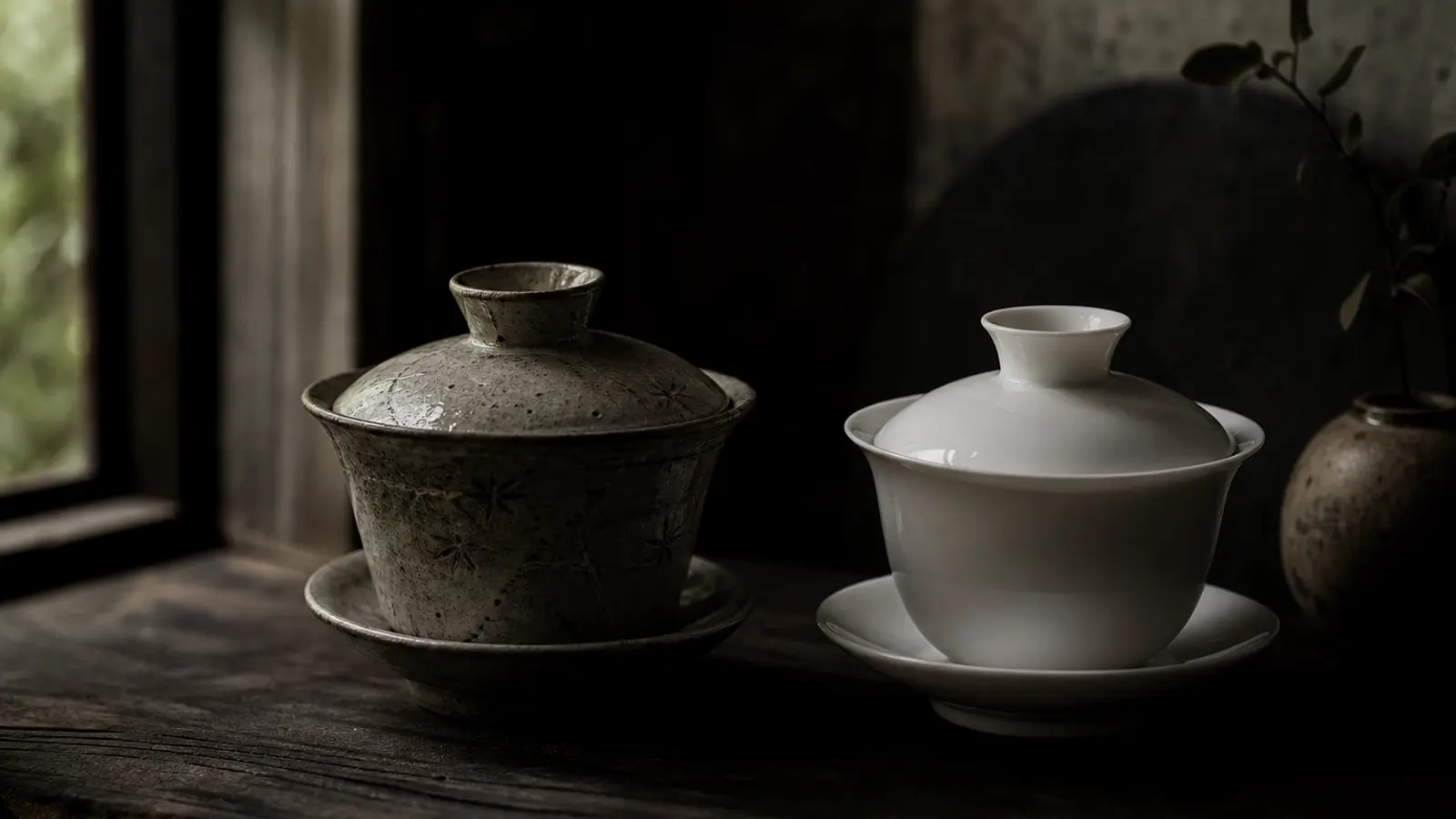
Korean Gaewan: A Guide to the Korean Gaiwan
Korean gaewan (개완) vs Chinese gaiwan: thicker walls, semi-porous clay, textured grip. A practical guide to brewing gongfu with Korean ceramic vessels.
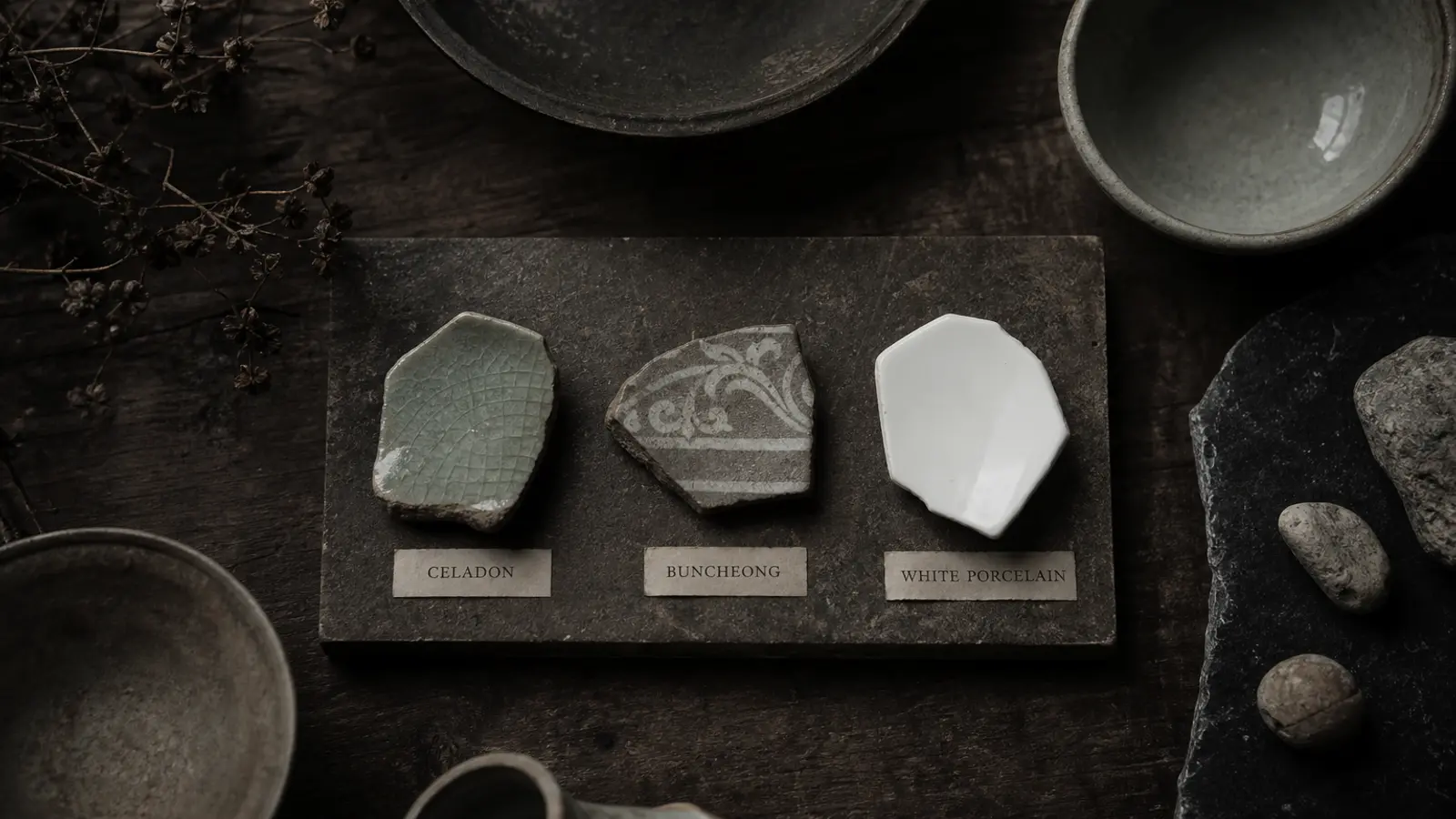
Korean Pottery Terms: A Visual Glossary for Tea Lovers
Complete Korean pottery terminology guide: materials, techniques, motifs, and vessel types. Hangul, Hanja, transliteration, and definitions in one refer...
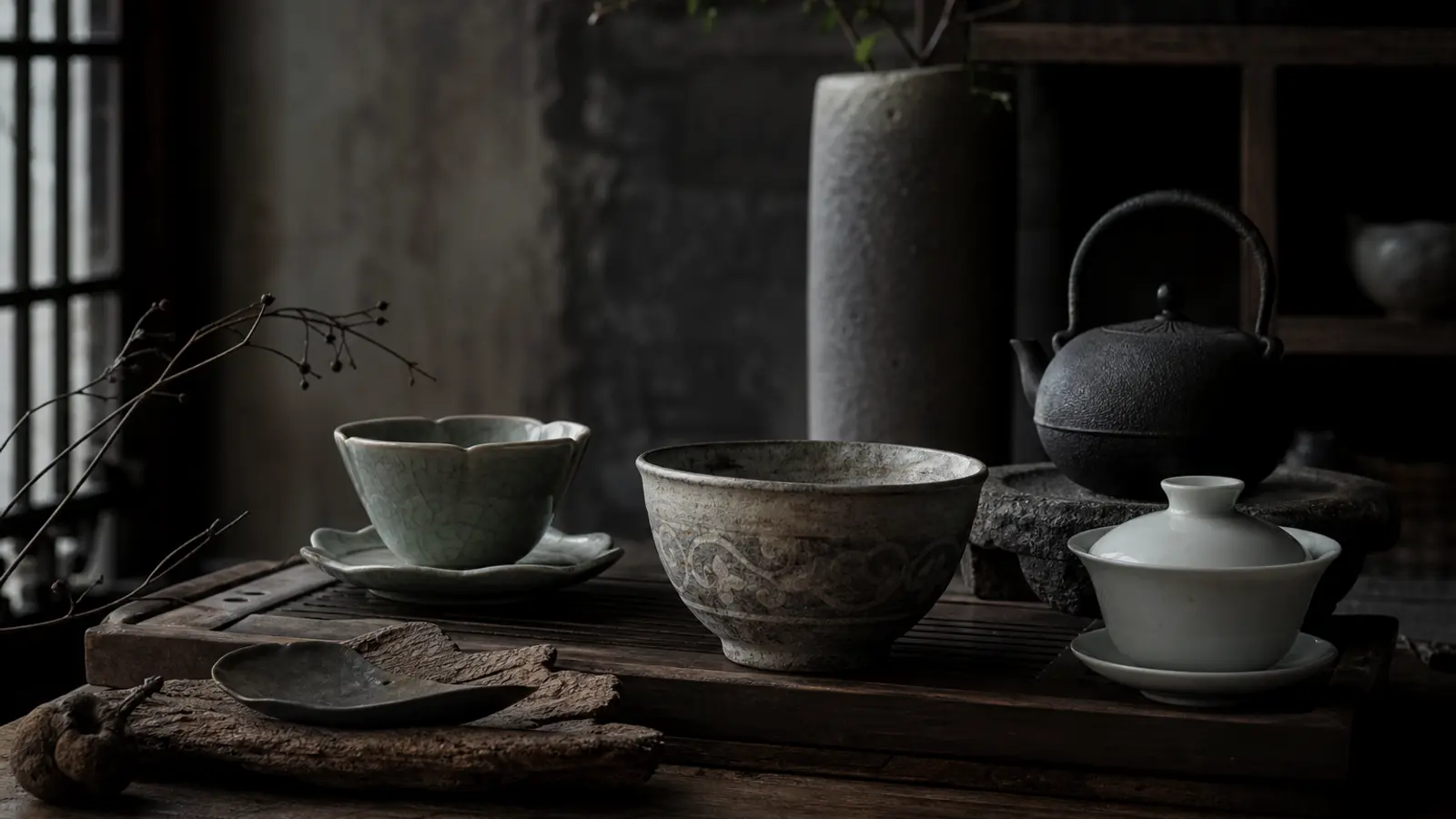
Korean Teaware for Gongfu Brewing: The Complete Guide
A complete guide to Korean teaware for gongfu brewing: celadon, buncheong, white porcelain, gaewan, dawan, and how each ceramic tradition shapes your tea.
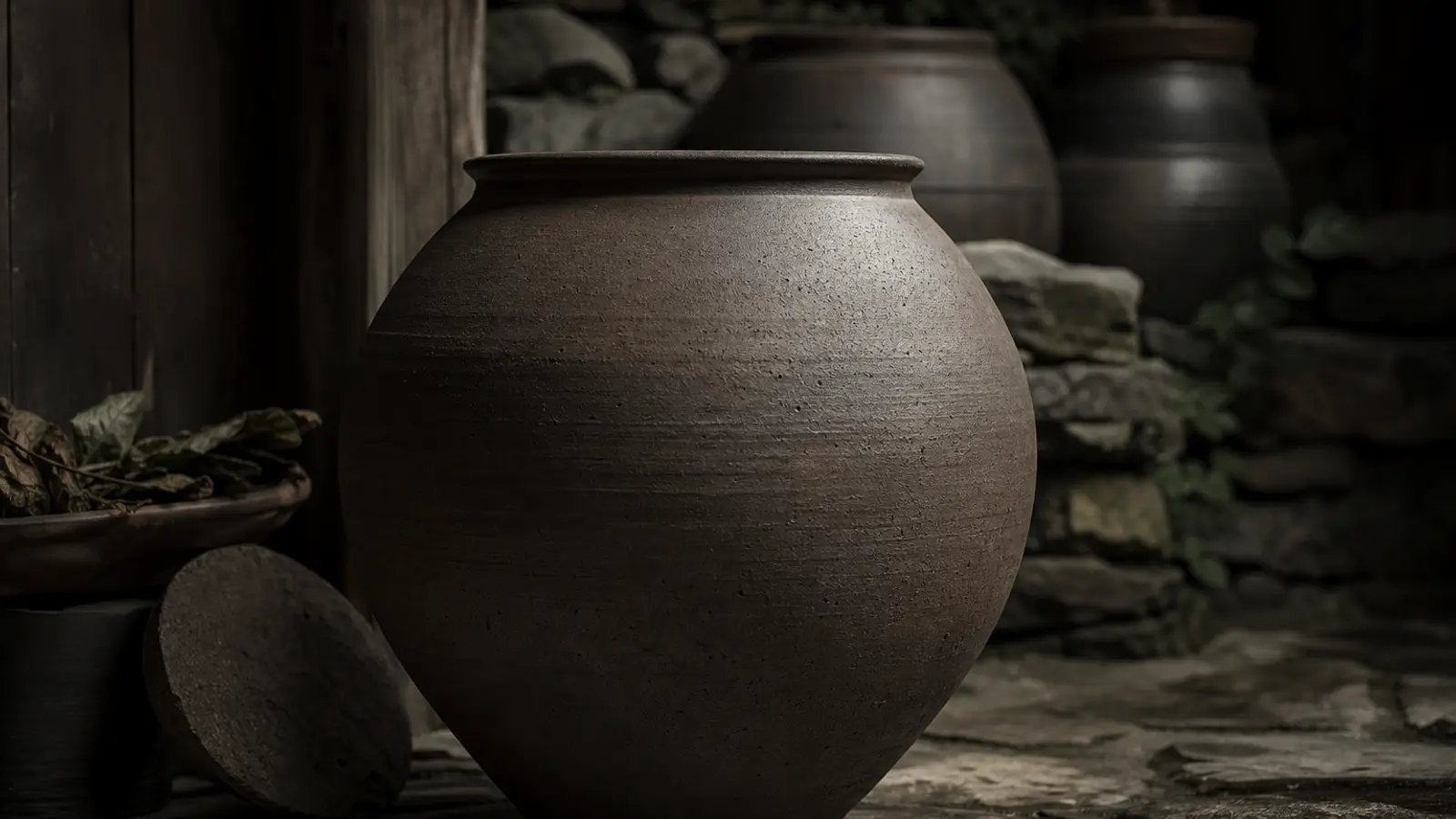
Onggi: Korea's Breathing Pottery and Its Place at the Tea Table
Onggi (옹기) is Korea's traditional porous stoneware — built to breathe. Learn how its micropore science applies to tea storage, water vessels, and aging.
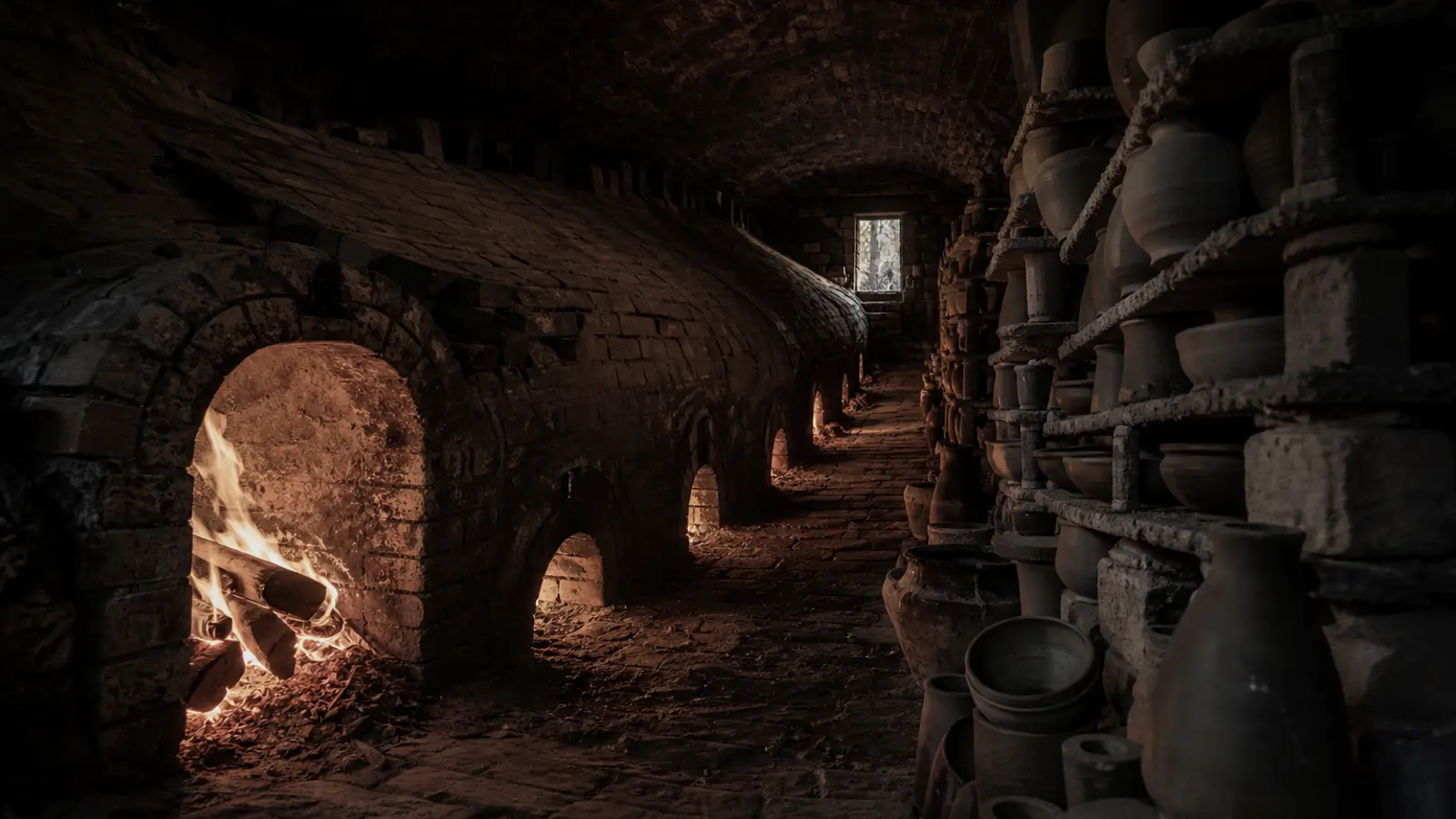
Wood-Fired Korean Pottery: What the Kiln Gives the Cup
Understanding 장작가마 jangjakgama — how wood-fired, gas, and electric kilns shape Korean pottery and why the firing method matters for your teaware.
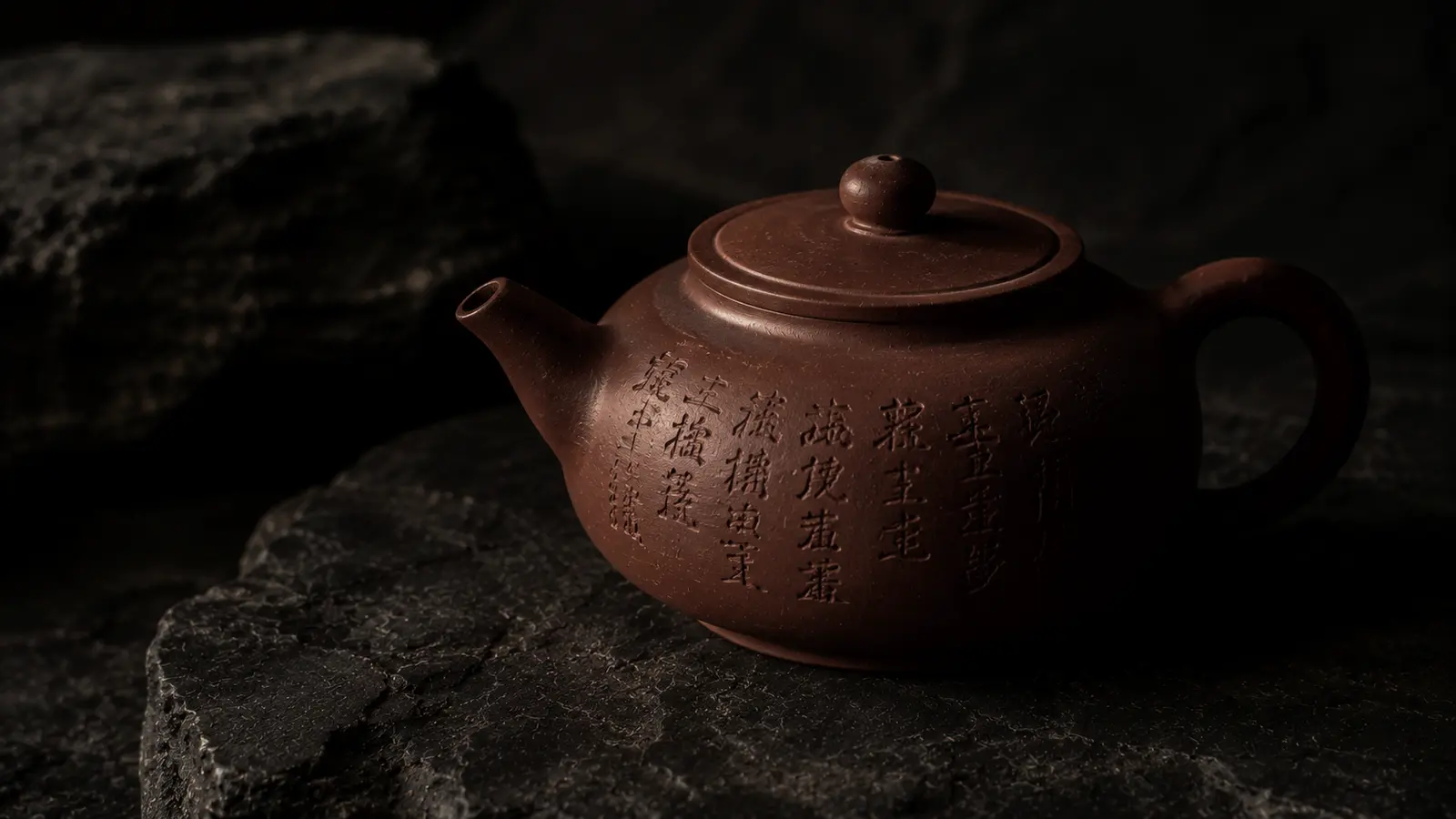
Jian Shui Pottery: Yunnan's Other Famous Clay
Jian Shui pottery from Yunnan is one of China's Four Famous Ceramics—almost unknown in the West. History, clay science, brewing notes, and sourcing guide.
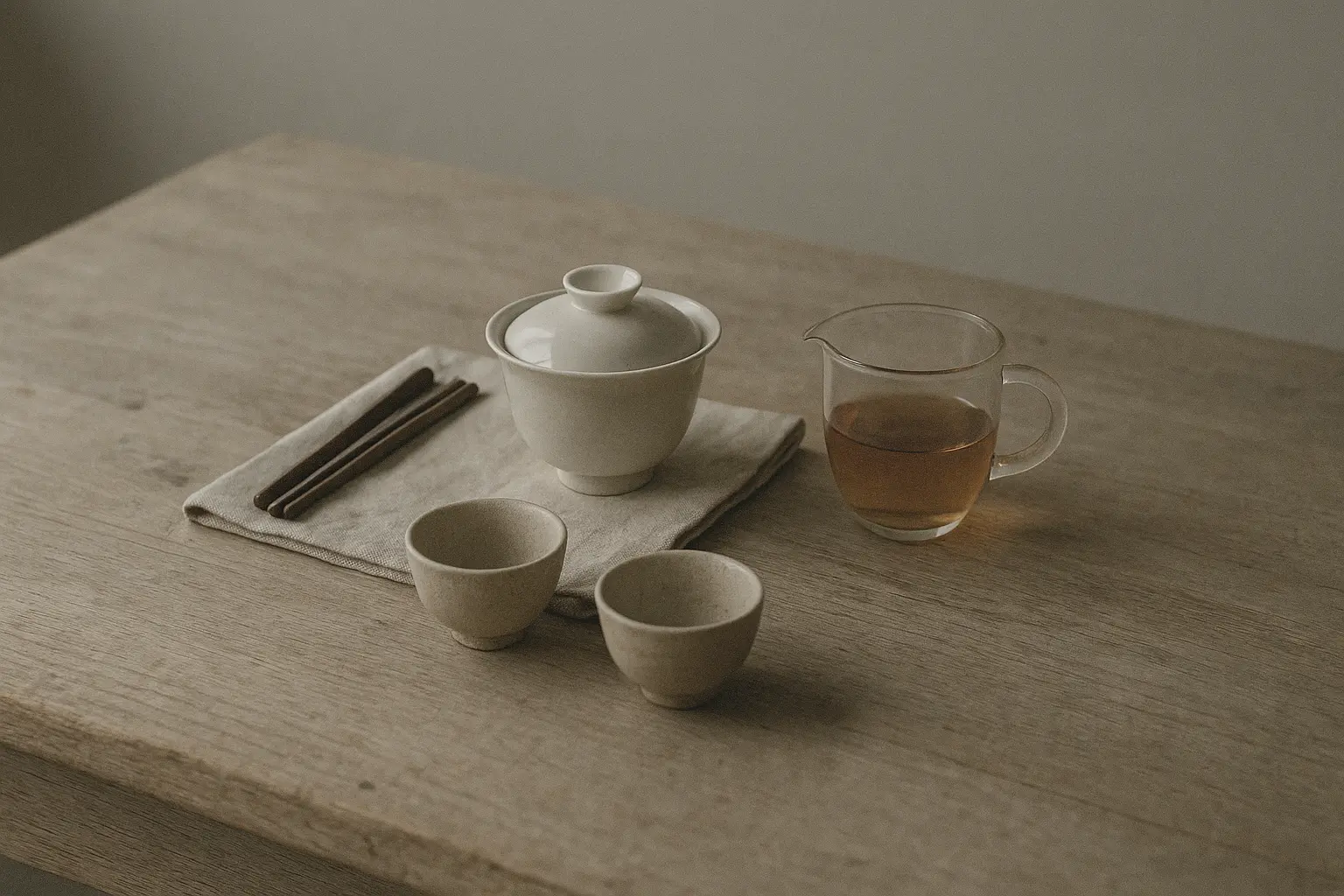
The Complete Guide to Gongfu Tea Equipment
Everything you need for gongfu brewing, from a $35 starter kit to a serious setup. What each piece does and what to look for when buying.
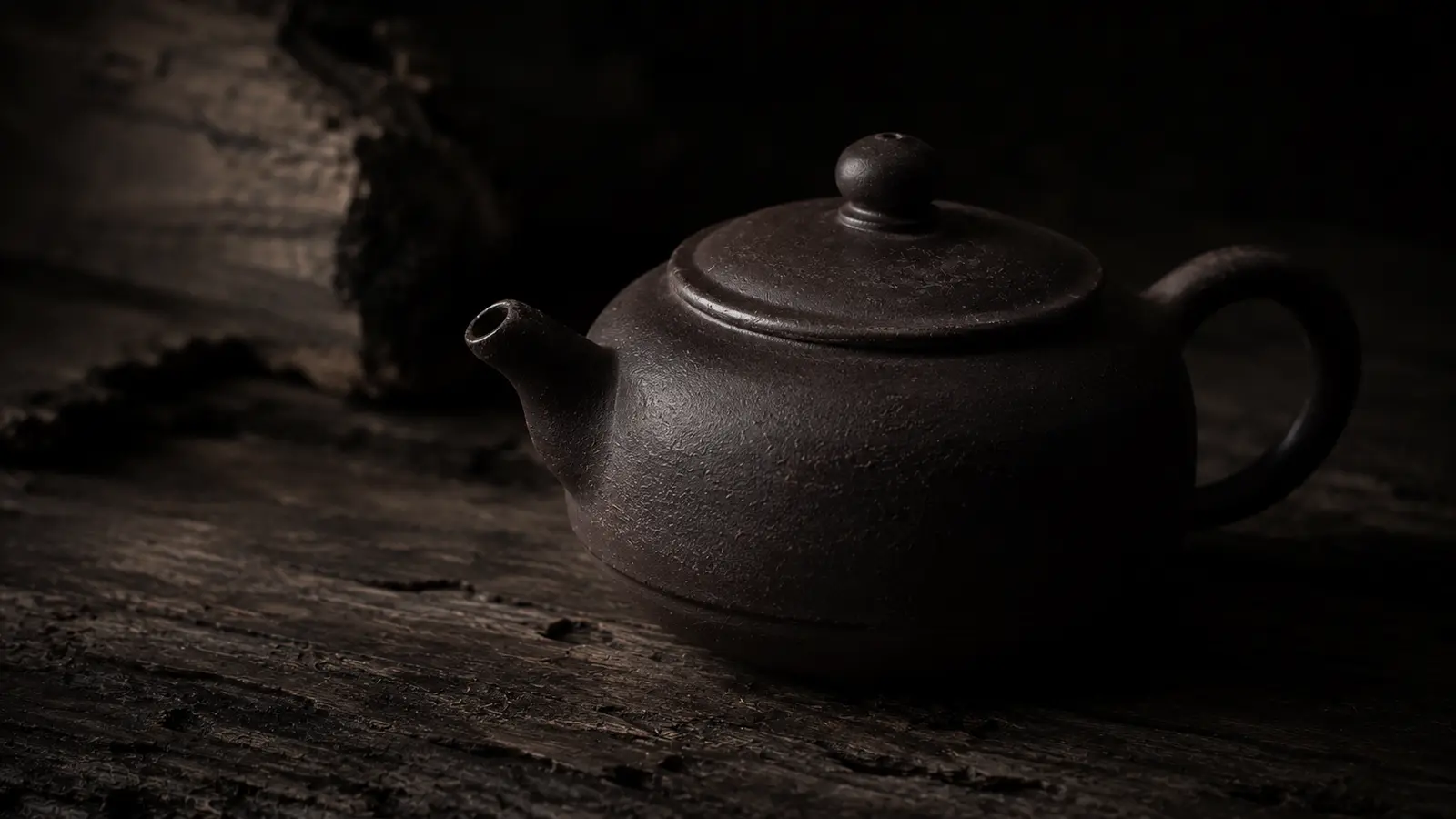
Yixing Teapot Guide: What to Know Before You Buy
Complete yixing teapot guide covering clay types, authenticity red flags, seasoning process, shapes, and a price guide from $20 to $1000+.
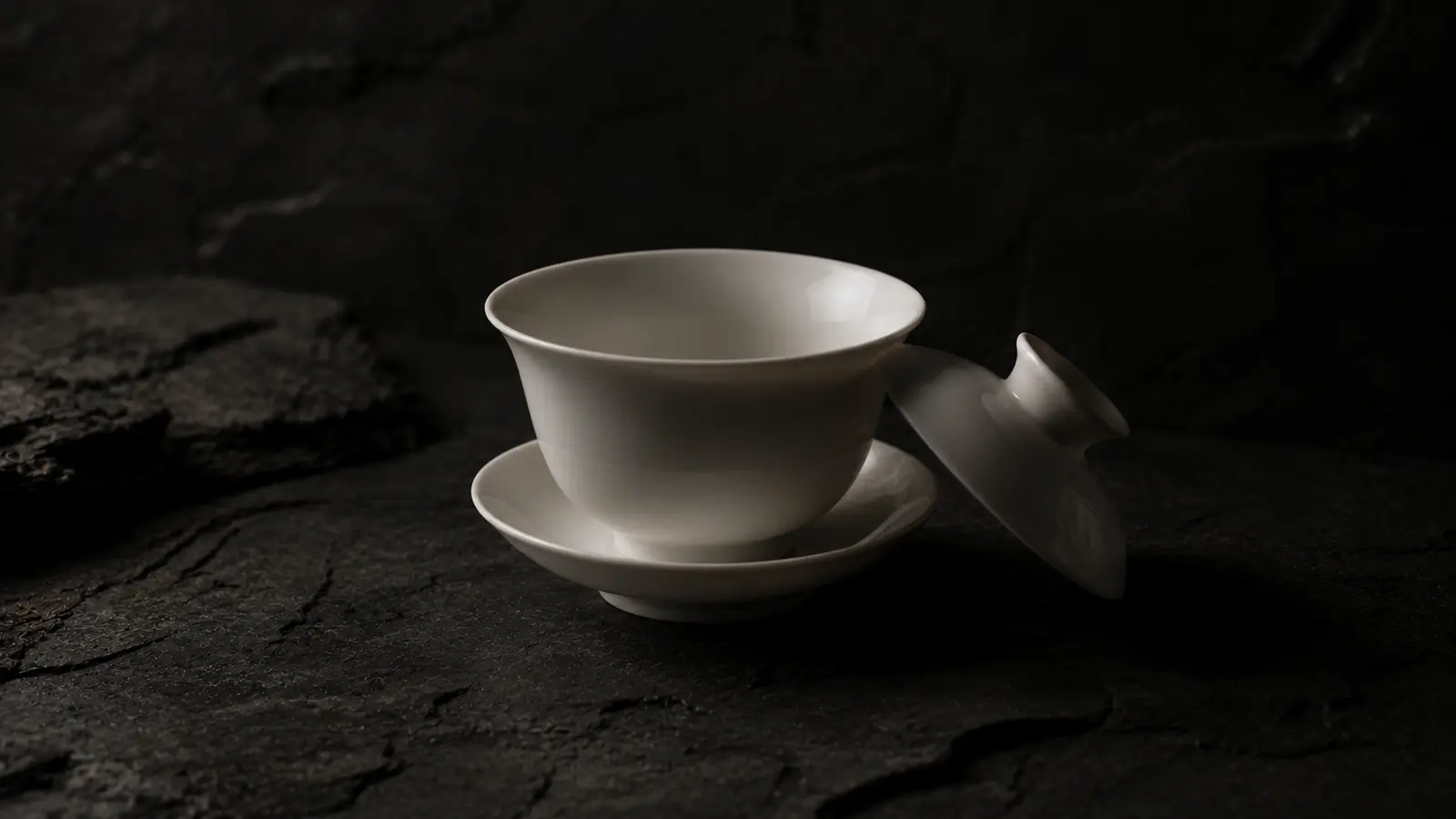
Your First Gaiwan: A Complete Buying Guide
Everything you need to know to choose your first gaiwan (蓋碗): size, material, shape, where to buy, and how to hold it without burning your fingers.