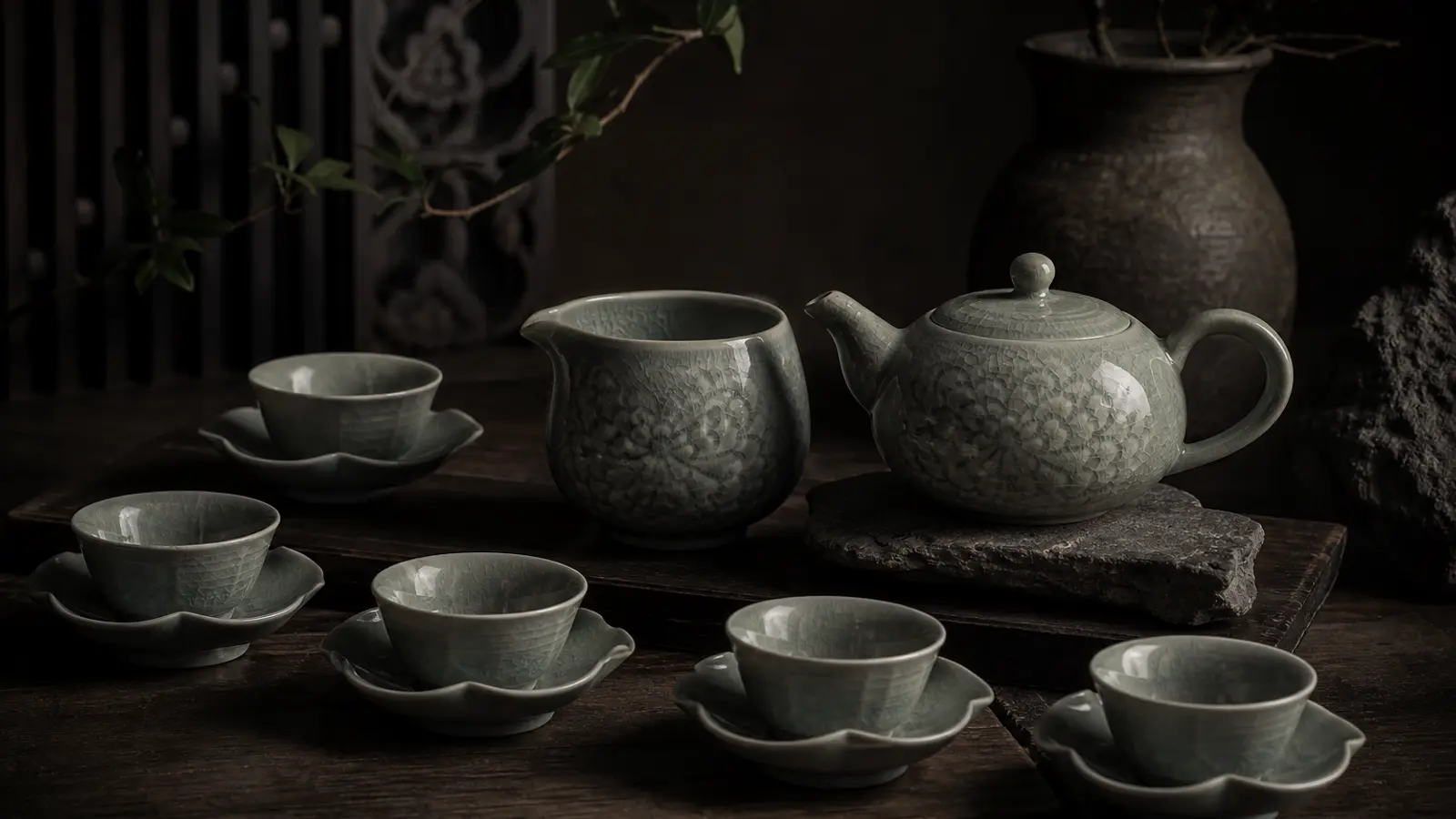
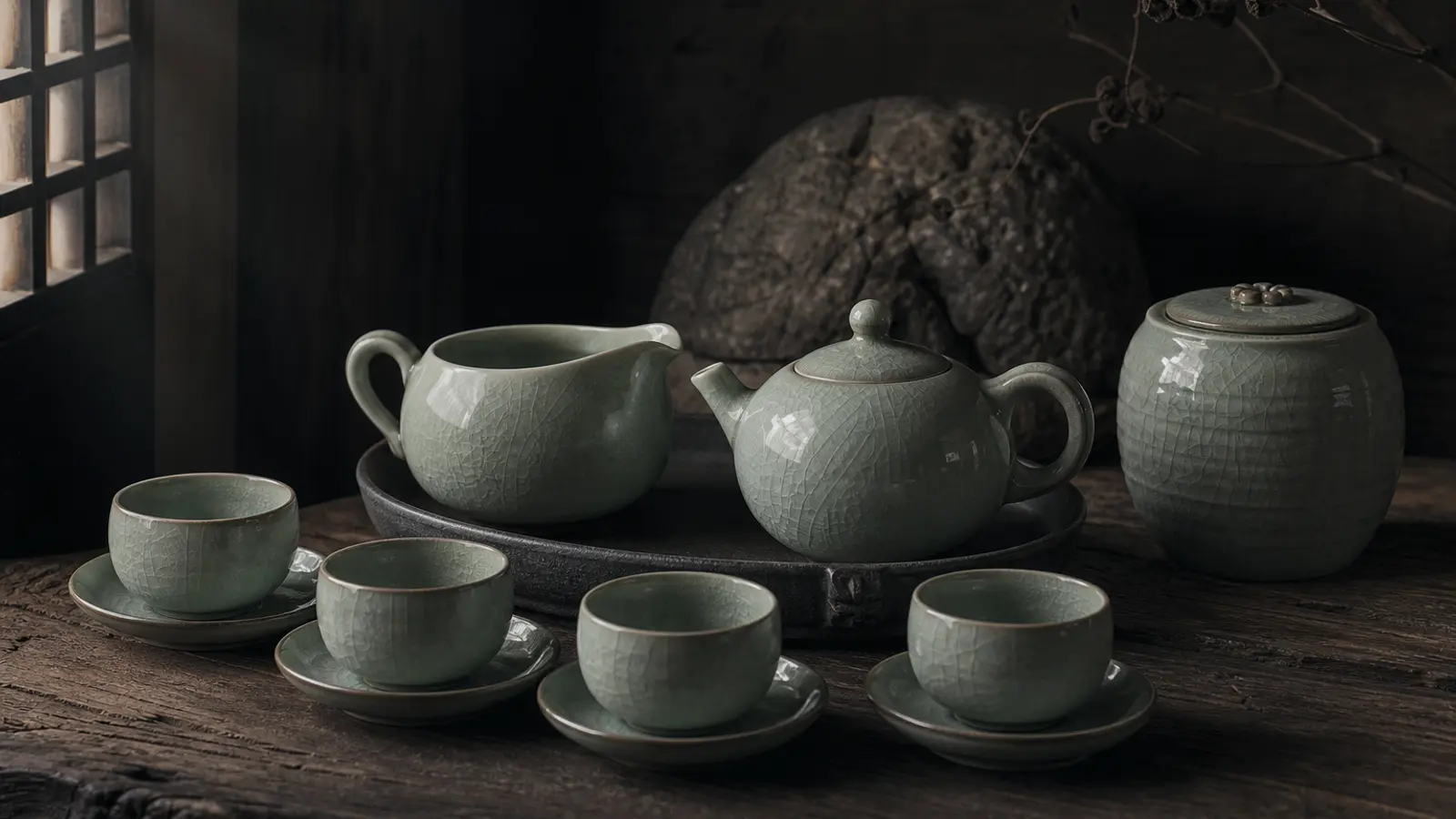
A Korean celadon tea set (청자 다기세트) typically includes a side-handle teapot (다관 dagwan), cooling pitcher (숙우 sugu), five cups (찻잔 chatjan), and five individual saucers (잔받침 janbatchim) — all finished in the jade-green glaze that defines Korea’s thousand-year celadon tradition. The saucer is the distinctively Korean element, absent from Chinese and Japanese tea sets, elevating each cup both physically and ceremonially.
This guide covers what a 다기세트 (dagi seteu) includes, how the price tiers break down, what separates good craftsmanship from poor, and where to find legitimate pieces.
What a Korean Celadon Tea Set Actually Includes
The standard 다기세트 contains five components:
- 다관 (dagwan) — the teapot. Usually 150–350 ml for a set intended for Korean 다례 (darye, tea ceremony) practice; smaller for Goryeo-style fine ware.
- 숙우 (suguu) — the fairness pitcher, used to cool water to the correct brewing temperature and distribute tea evenly. Equivalent to the Chinese 公道杯 (gongdao bei).
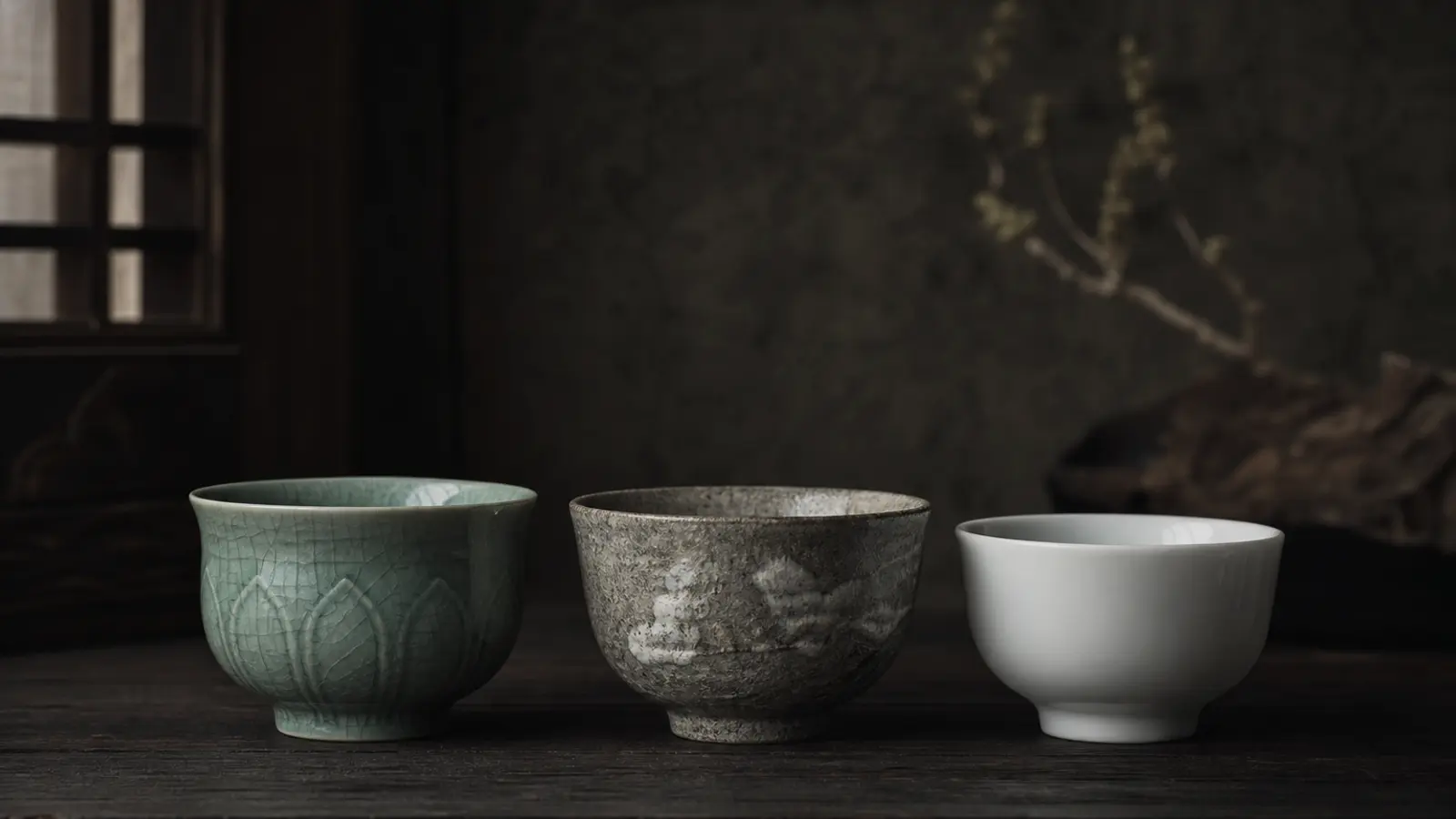
- 찻잔 (chatjan) — teacups, typically five per set.
- 잔받침 (janbadjim) — saucers, one per cup.
That’s the baseline. A 풀세트 (pul seteu, full set) adds:
- 퇴수기 (toesuki) — the waste water bowl, used for discarding rinse water and spent tea liquid.
- 차호 (chaho) — a tea caddy for storing loose leaf at the table.
Some potters also include a 차선 (chaseon) brush rest or a 물식힘 사발 (water cooling bowl), but these are less standard. When comparing prices across vendors, always confirm which pieces are included — a listing at ₩200,000 with only the teapot and two cups is not comparable to one with the full seven-piece set.
The Three Price Tiers
Korean celadon tea sets follow a fairly consistent market structure. Here’s how to think about each tier.
Entry Tier: $33–$100 (₩50,000–₩150,000)
Entry-level sets are factory-produced or come from junior artisan workshops early in their careers. “Factory-produced” is not inherently a condemnation — Korean industrial ceramics have a higher floor than many international equivalents, and a well-made factory celadon set will hold heat adequately, pour cleanly, and look attractive on a tea table.
What you typically get at this tier:
- Machine-jiggered or slip-cast forms (consistent but less character)
- Glaze quality is functional; crazing (균열, gyunyeol) may be present as a design choice or as a quality variable
- Lids fit with acceptable but not precise tolerance
- Unsigned or stamped with a workshop mark rather than an individual artisan
This tier is appropriate for daily brewing and learning. If you’re developing your brewing practice or equipping a tea session for guests without the risk of chipping a significant piece, entry-level sets do the job. They’re widely available on Korean e-commerce platforms and from Korean ceramic vendors that offer international shipping.
Mid-Tier: $133–$333 (₩200,000–₩500,000)
This is where named artisan identity enters the picture. Potters working at this level are trained craftspeople with an established practice — their work is signed, often carries a stamp (인장, injang), and reflects a consistent aesthetic vision.
고암 김흥복 (Goam Kim Heung-bok) is a representative name at this tier. His celadon sets have a direct, classical feel — the forms reference Goryeo prototypes without being archaeological copies, and the glaze has genuine depth. Prices for a standard five-piece set with 숙우 fall in the ₩250,000–₩400,000 range.
The practical difference from entry-level: you’re paying for human decision-making at every stage of making. Wheel-thrown forms have minor variations that make each piece individual. Glaze application reflects the potter’s eye. The lid fit on a mid-tier teapot is noticeably more precise.
Vendors in this tier include established Korean ceramic platforms and artisan studio shops — 박씨상방 (Bakssi Sangbang) and 백담요 (Baekdamyo) are representative names.
High Tier: $467–$2,133+ (₩700,000–₩3,200,000+)
This tier is defined by 명장 (myeongjang) designation — officially recognized master craftspeople — and by potters whose work has achieved museum or collector attention regardless of formal designation.
보광 조세연 (Bogwang Jo Se-yeon) is a reference point here. His 운학문 풀세트 (cloud-and-crane motif full set) is priced at approximately ₩700,000 ($467) — the entry point for this tier. The 운학문 (雲鶴文) inlay pattern is one of the defining motifs of Goryeo celadon, executed as 상감청자 (sanggam cheongja, inlaid celadon), and doing it well requires a level of technical skill that simply isn’t present in lower-tier work.
At the upper end, 백산 김정옥 (Baeksan Kim Jeong-ok) produces 정호 (jeongho, formal teapots) sets at approximately ₩3,200,000 ($91 per piece is not the right math — the full set lands around $2,133 at current rates). These are objects with collectible value. They brew tea, but they’re also material records of a making tradition that goes back centuries. The 정호 form itself — a compressed, wide-shouldered teapot — is a direct conversation with historical prototypes.
High-tier pieces typically ship in 오동박스 (odong bakseu) — paulownia wood presentation boxes — which provide humidity buffering and impact protection. This is traditional presentation and also smart logistics.
Reading Quality: What to Check Before Buying
Whether you’re shopping in person at a pottery market or evaluating photos online, these are the indicators that matter.
Glaze Consistency
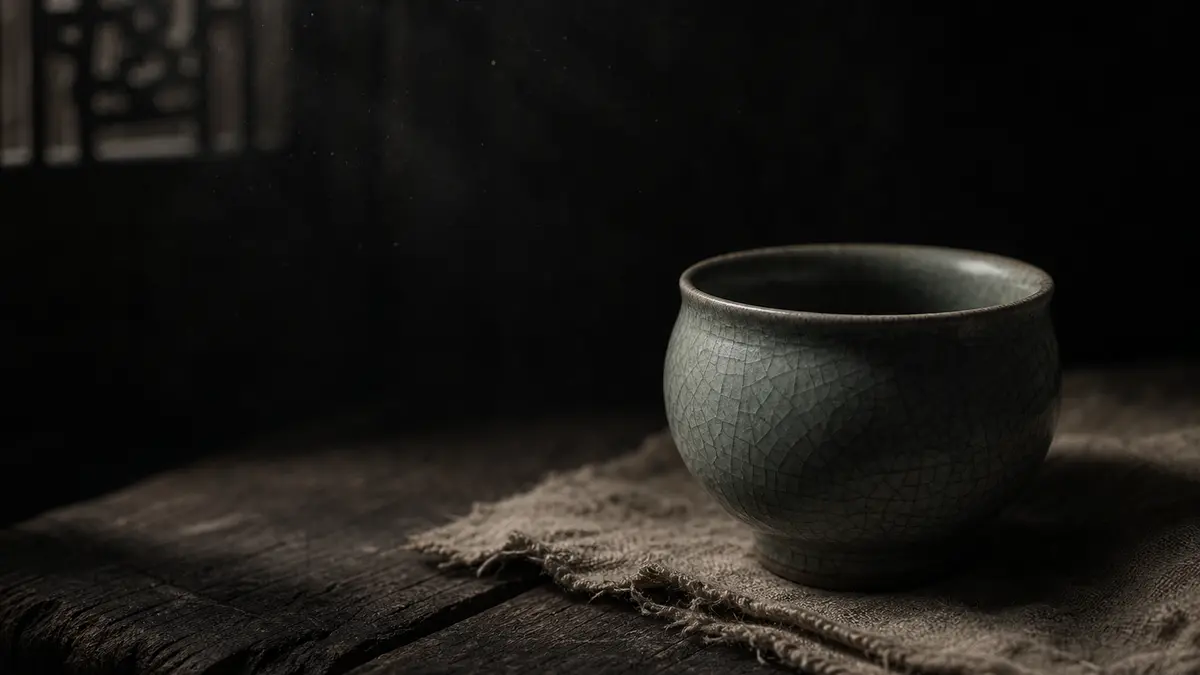
Look at the interior walls, the spout, and any recessed areas. Glaze should be even in thickness — thin spots appear lighter in color, thick spots can pool and run. Slight color variation is normal and often desirable (it records the kiln atmosphere). What you don’t want is pinholes, bare patches, or areas where the glaze has crawled away from the clay surface.
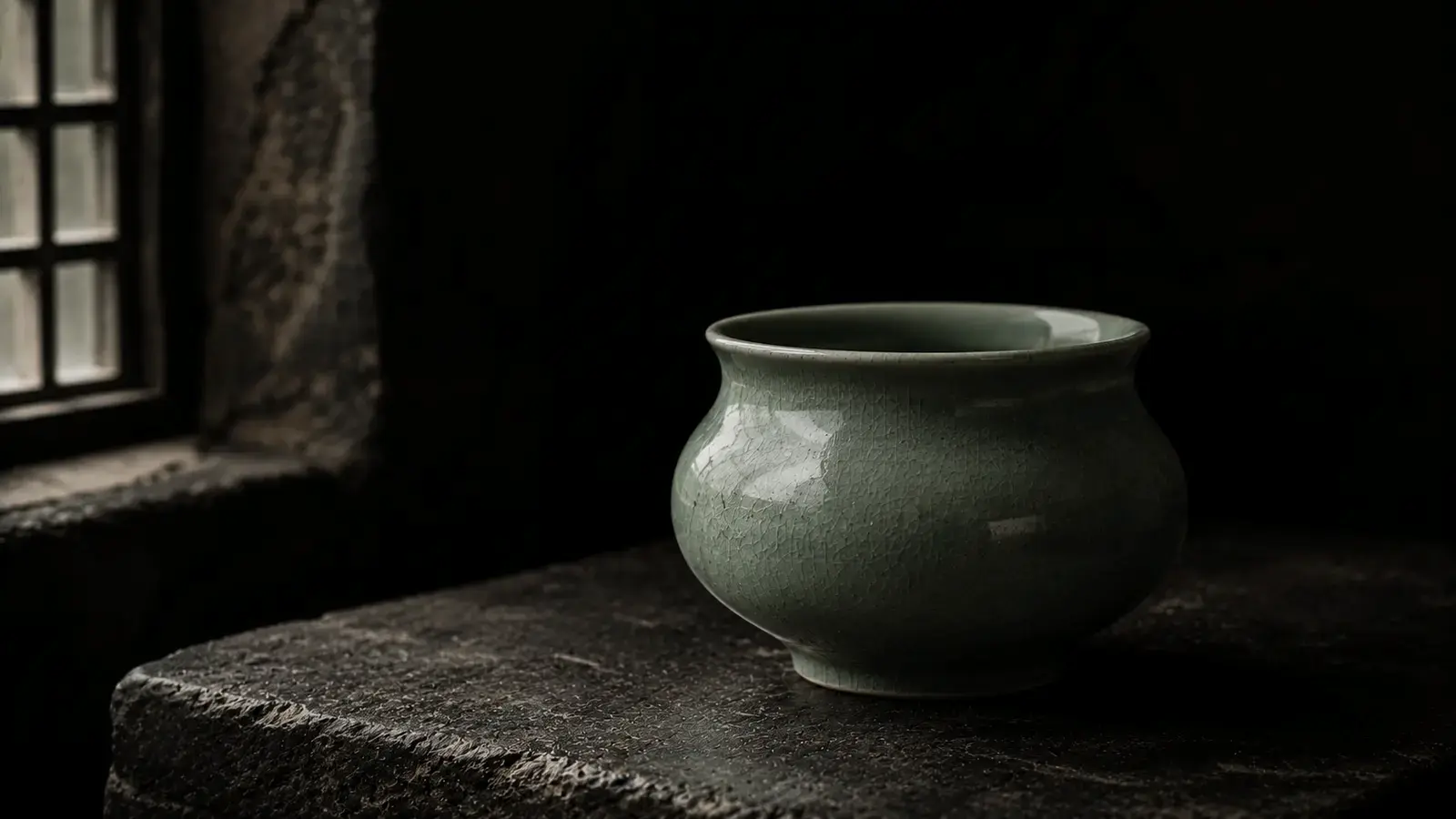
균열 (gyunyeol, crazing) — the fine network of cracks in the glaze — is a separate question. On antique pieces, crazing is expected and can be a beauty indicator. On new functional ware, its presence or absence is a stylistic choice. Some potters deliberately craze their glaze; others fire to avoid it. Neither is inherently wrong, but crazing on a piece intended for daily tea use means the fine cracks will absorb tea oils over time, developing a patina. If you want a pristine appearance maintained, look for non-crazed ware.
Foot Ring Finish
The 굽 (gup, foot ring) is where potters reveal their discipline. Turn the piece over. The foot ring should be cleanly trimmed with consistent depth and width. The edge where the foot meets the table should be smooth enough not to scratch a lacquered tray. Grit, sharp edges, or a foot ring that wobbles indicate rushed finishing.
On high-tier celadon, the foot ring is often left unglazed (exposing the grey or buff clay body) and shows clean kiln stilts marks — these are features, not flaws.
Lid Fit on the Teapot
Hold the 다관 and tilt it slightly with the lid in place. The lid should seat with minimal rattle and resist falling with a gentle tilt. It doesn’t need to be airtight — Korean teapots don’t require that — but a loose, wobbling lid is a sign of careless forming or poor matching between lid and body.
Check the lid knob: it should be centered and secure, not a visual afterthought.
Spout Pour and Filter Holes
Fill the teapot with water and pour. The stream should be clean, steady, and cut off sharply when you right the pot (no dripping). The filter holes inside where the spout meets the body should be clean and not partially blocked by glaze. You can verify this visually with a phone light before buying in person.
Signature and Stamp
For mid- and high-tier purchases, verify the artisan identity. Korean potters typically stamp fired pieces with their 인장 (injang, seal) — a carved impression pressed into the clay before firing. Some also sign in iron oxide or slip. When buying online, request close photos of the stamp and cross-reference with the potter’s known mark.
This matters because Korean celadon pottery has a secondary market for imitations, particularly for well-known names. Legitimate vendors in the named artisan market — specialist Korean ceramic platforms and verified artisan studios — carry verified work, but individual listings on general e-commerce require scrutiny.
Shipping and Handling
Most Korean pottery ships domestically via 택배 (taekbae) — the national courier network — in 1–3 business days. Domestic packaging from established vendors is generally competent: bubble wrap, foam inserts, and a corrugated outer box.
For international buyers, Korean ceramic platforms that explicitly offer 해외배송 (haewae baesong, international shipping) are the most reliable route for buyers outside Korea who don’t have a domestic forwarding address. Shipping costs add $30–$60 to most orders depending on weight and destination. See our Korean teaware sourcing guide for current options.
If a set ships in a 오동박스 (paulownia wood box), treat it as fragile regardless of the packing around it. The wood box is traditional presentation — it’s not a structural shipping container on its own. The outer packaging is what absorbs impact.
A note on insurance: for any purchase above $200, it’s worth confirming that the vendor insures against breakage in transit. High-tier pieces occasionally travel in double-boxed configurations with each component individually wrapped. Ask before ordering.
Comparing the Tiers at a Glance
| Tier | Price Range (USD) | Price Range (KRW) | Typical Form | Key Artisans | Signature |
|---|---|---|---|---|---|
| Entry | $33–$100 | ₩50,000–₩150,000 | Cast or jiggered | Workshop stamp | Often unsigned |
| Mid | $133–$333 | ₩200,000–₩500,000 | Wheel-thrown | 고암 김흥복 | Signed + stamped |
| High | $467–$2,133+ | ₩700,000–₩3,200,000+ | Wheel-thrown, inlaid | 보광 조세연, 백산 김정옥 | 명장-level marks |
Matching a Set to Your Brewing Practice
The decision isn’t just about budget — it’s about function and use pattern.
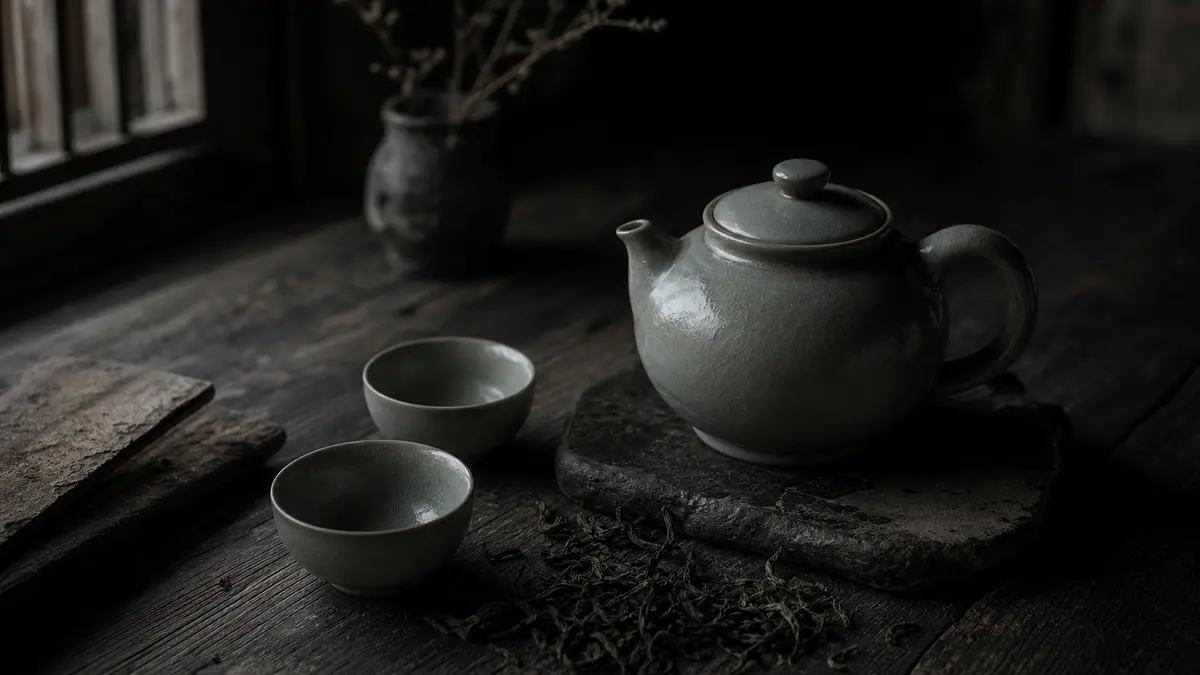
If you’re new to Korean tea or expanding from a Chinese gaiwan (蓋碗, gàiwǎn) practice: An entry or low mid-tier set gives you functional ware to develop your technique without anxiety. Korean Dagwan (다관) typically have a different pouring geometry than Chinese teapots — slightly more upright, with a wider filter — and it takes time to learn the pour.
If you’re brewing Korean green tea (녹차, nokcha) or yellow tea regularly: A 150–200 ml 다관 in the mid-tier range suits this well. You’re making two to four cups per brew, and the teapot size matches Korean brewing conventions better than a Chinese-sized pot.
If you’re building a permanent tea table or have cultural connection to Korean ceramics: The high tier is worth considering. These sets will outlast any contemporary teaware trend. The 운학문 (cloud and crane inlay) motif on a 보광 조세연 set connects to the Goryeo period (918–1392) aesthetic in a way that mass production cannot replicate.
One Practical Note on Celadon Care
Korean celadon is high-fired stoneware — typically 1250–1280°C — with a stable, durable glaze. It doesn’t require seasoning the way Yixing clay does. Rinse new pieces with hot water before first use. Wash by hand with warm water; dish soap is fine on glazed surfaces but avoid abrasive pads on the unglazed foot ring, which can scratch.
If you’re using a crazed piece for regular tea, expect the crazing to deepen in color over years of use. Many collectors consider this desirable — it’s evidence of a life in tea. If you want the piece to remain visually consistent, store it dry and use it for display.
A Korean celadon tea set is not a single object — it’s a coordinated table. The most rewarding purchases are the ones where you understand exactly what tier you’re buying in, why, and what the potter’s hand contributed to what you’re holding. At any price point, the jade-green glaze carries a millennium of making knowledge. That’s worth understanding before you spend a dollar of it.