Korean Tea & Pottery
The ceramic tradition that changed how the world drinks tea — explored by someone who grew up in it.
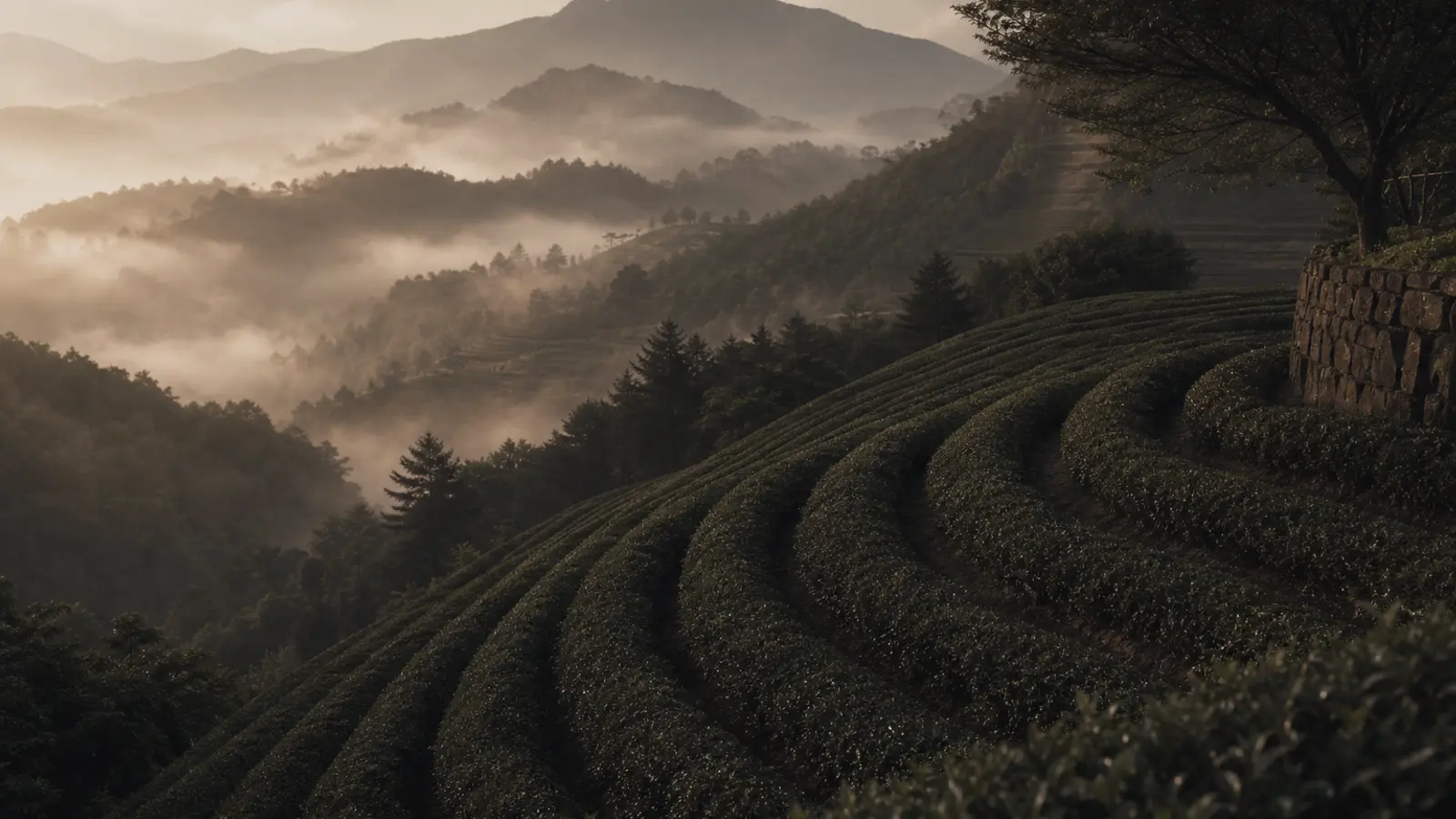
Most tea content treats Korea as a footnote. A paragraph in a "types of tea" article. A mention of matcha's Korean-adjacent history. Maybe a photo of Boseong's green rows used as decoration.
This site treats Korea differently. The founder is Korean, the sourcing runs through Korean-language networks, and the editorial team reads Korean artisan portfolios in the original language. When we source teaware, we navigate Korean e-commerce platforms directly. When we profile a tea region, we understand the cultural context from the inside.
That access is the difference between writing about Korea from the outside and mapping it from within. Everything in this section comes through that lens.
Korean Tea: Three Regions, One Tradition
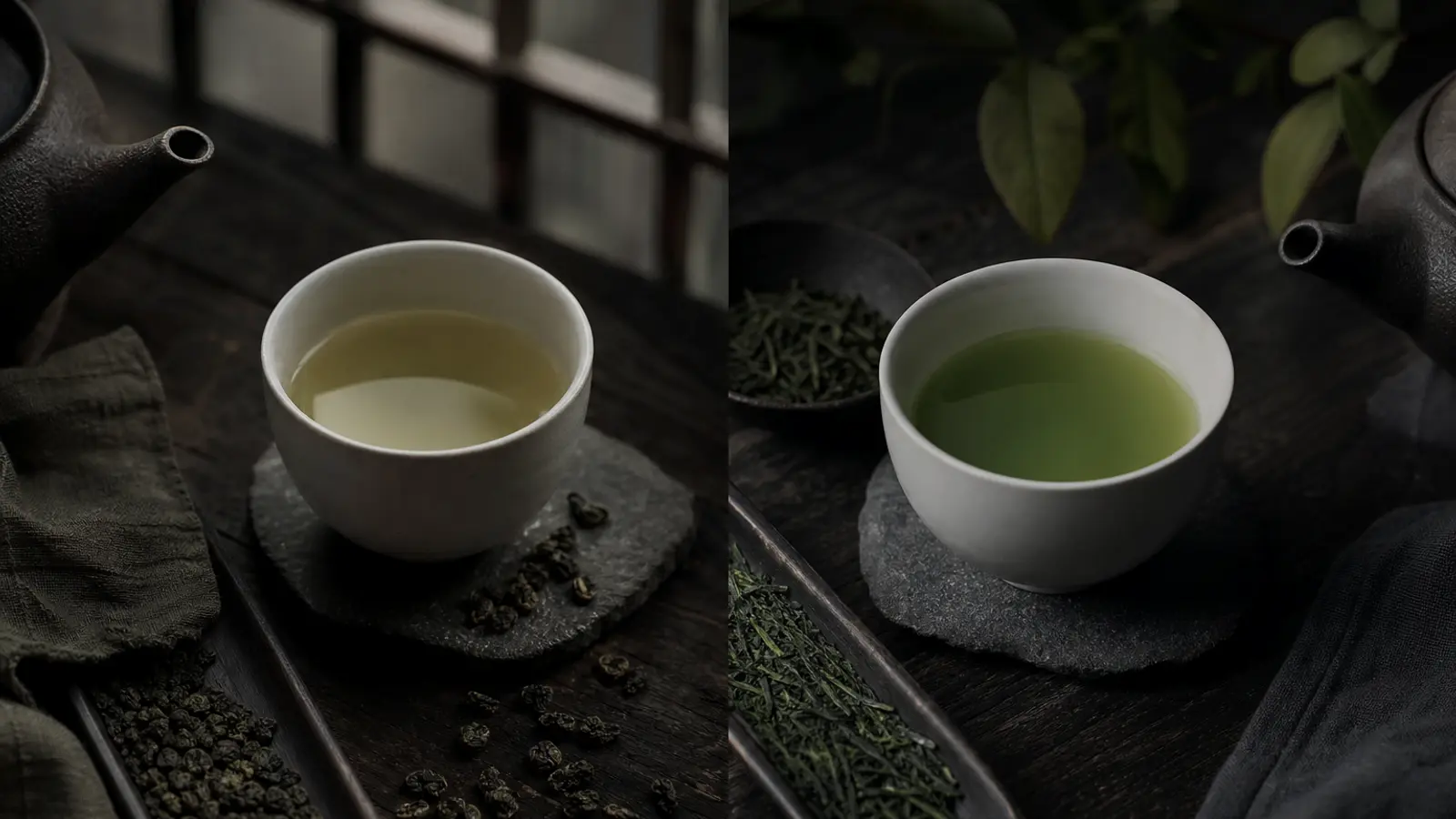
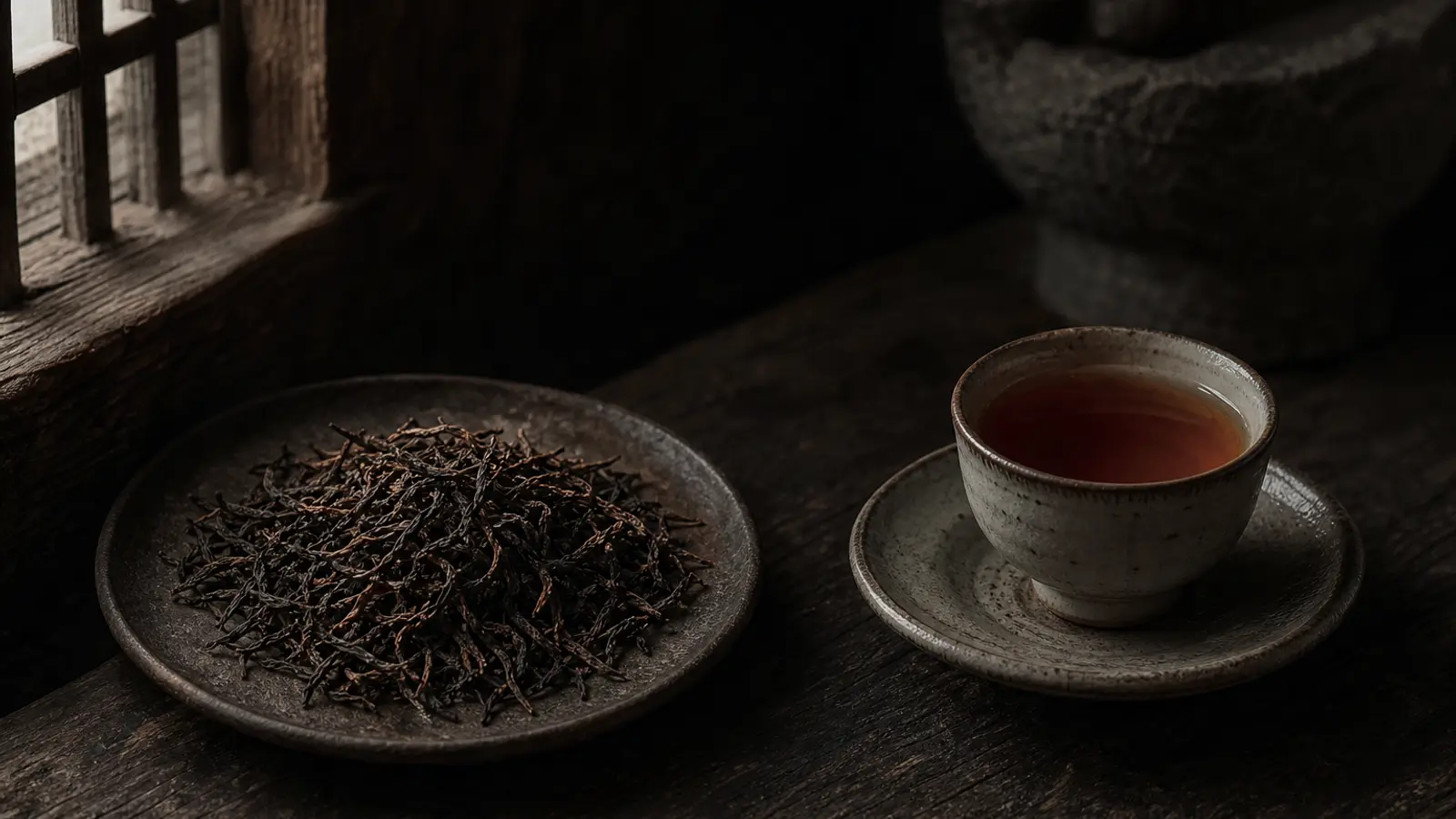
Korea produces primarily green tea (녹차, nokcha), with emerging production in oxidized teas (황차, hwangcha) and Korean red tea (홍차, hongcha). The tradition is smaller in scale than China or Japan but older than most people realize — tea cultivation on the Korean peninsula dates to at least the 9th century, when the monk Daeryeom (대렴) brought seeds from Tang Dynasty China and planted them on the slopes of Jirisan Mountain.
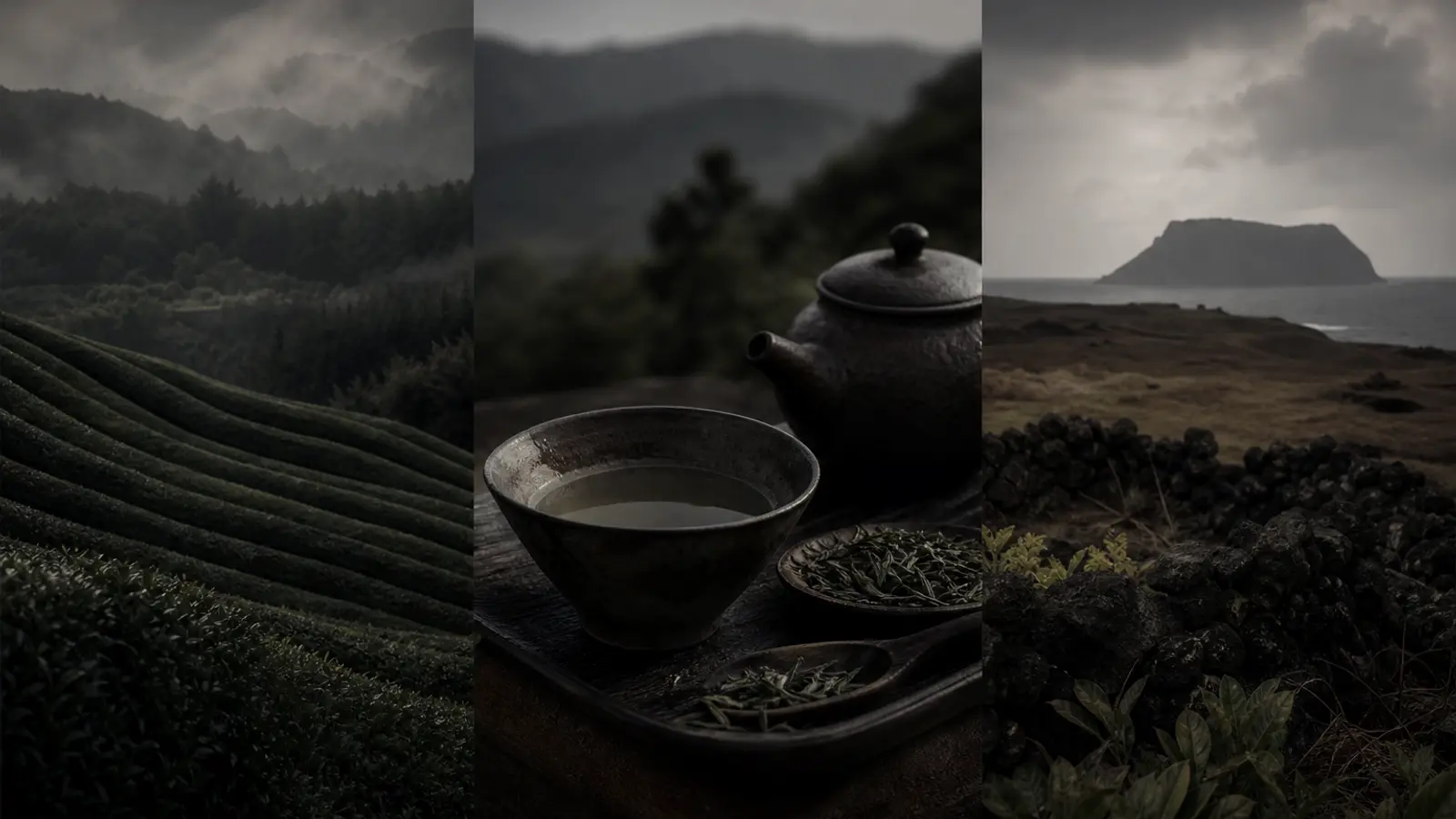
Three regions define Korean tea today. Each has distinct terroir, distinct culture, and distinct character in the cup.
Boseong (보성)
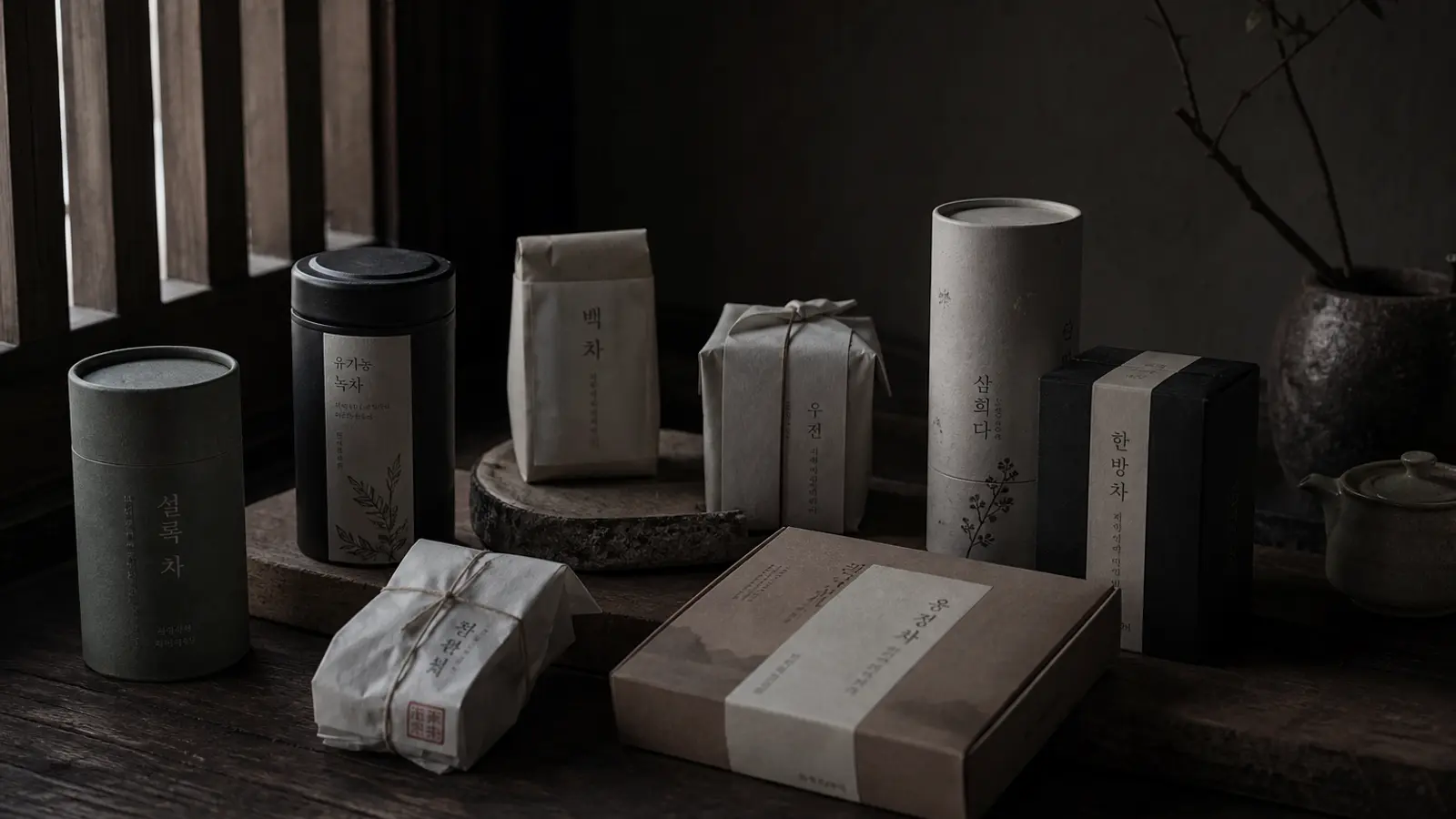
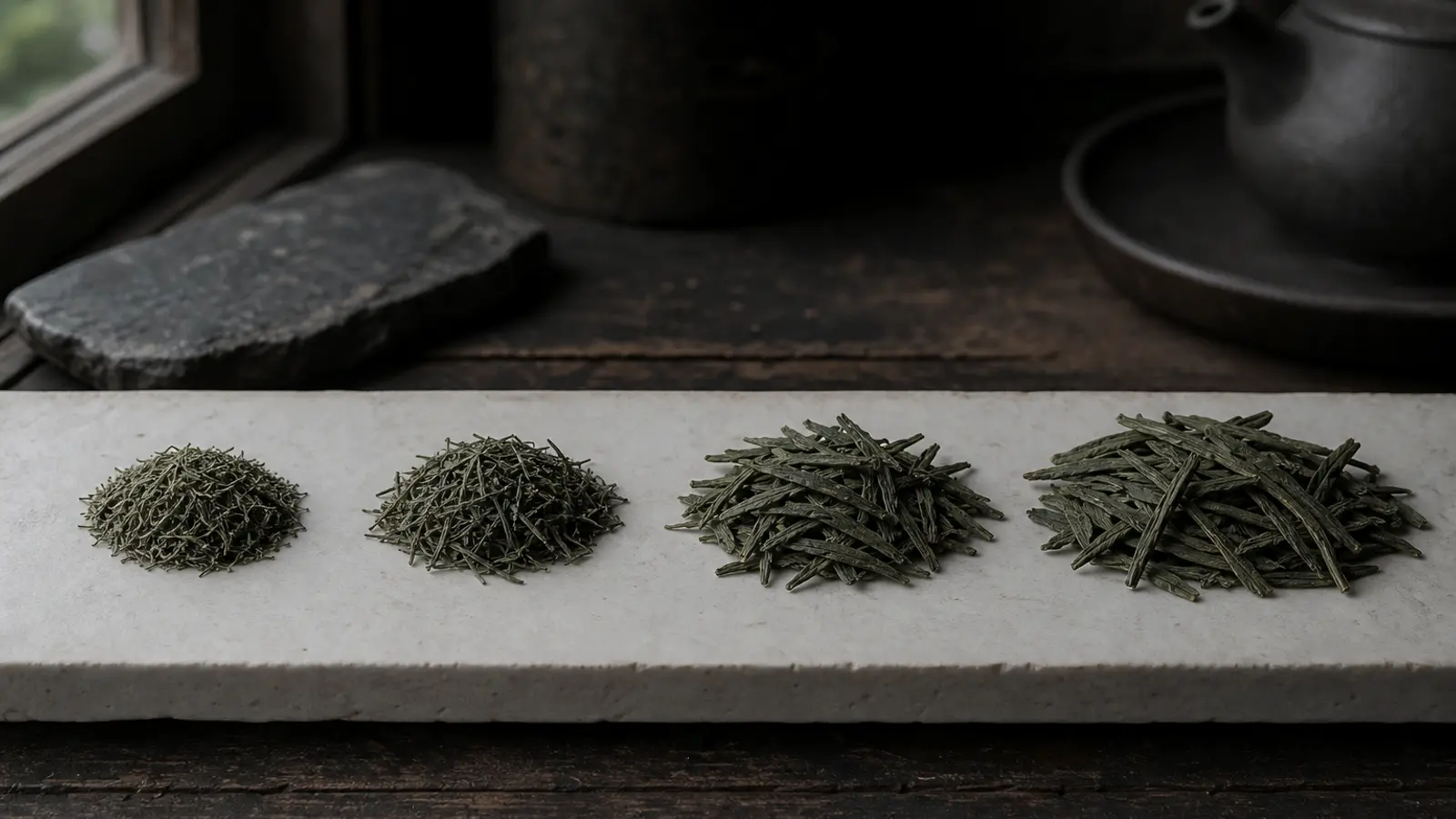
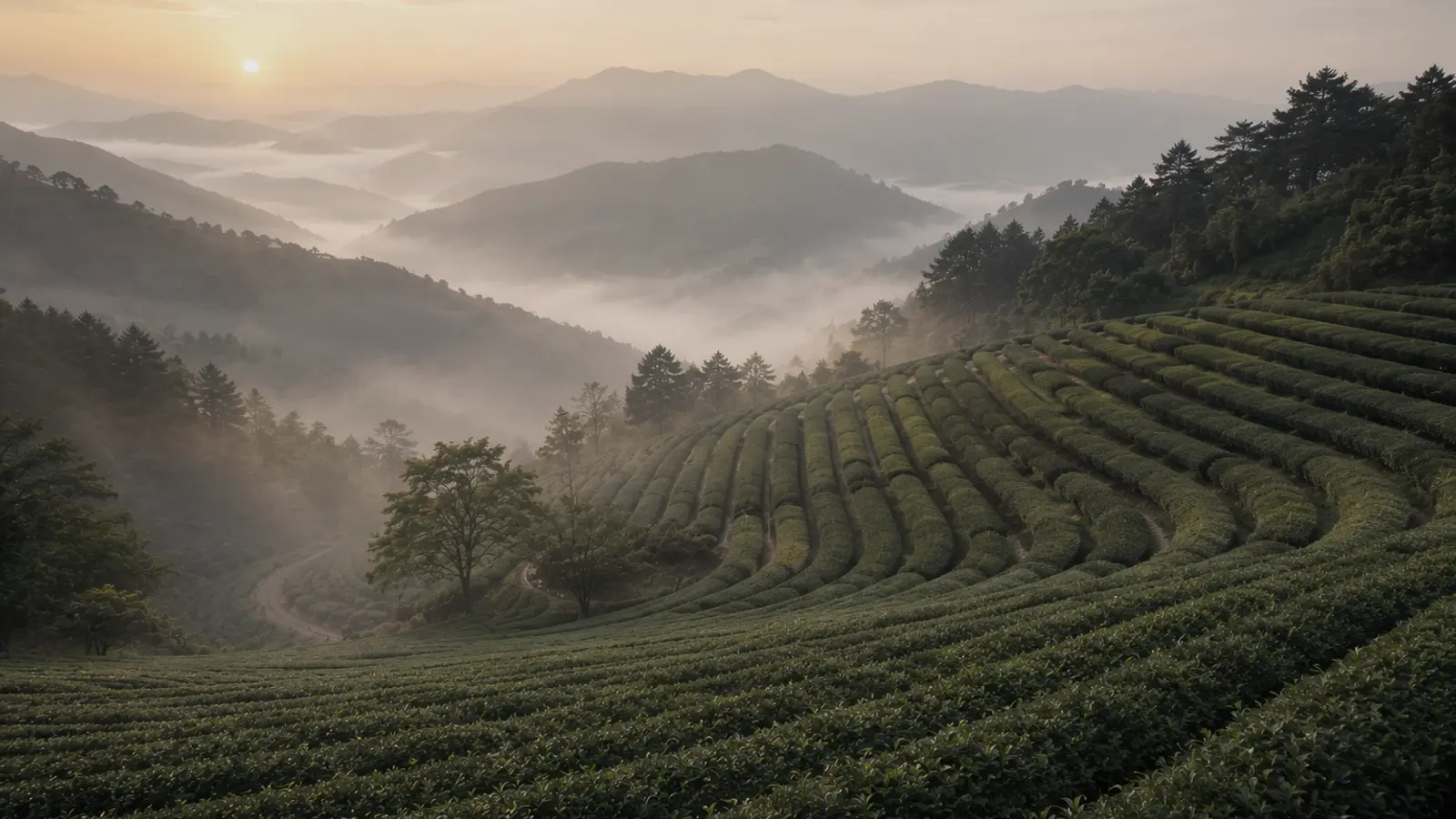
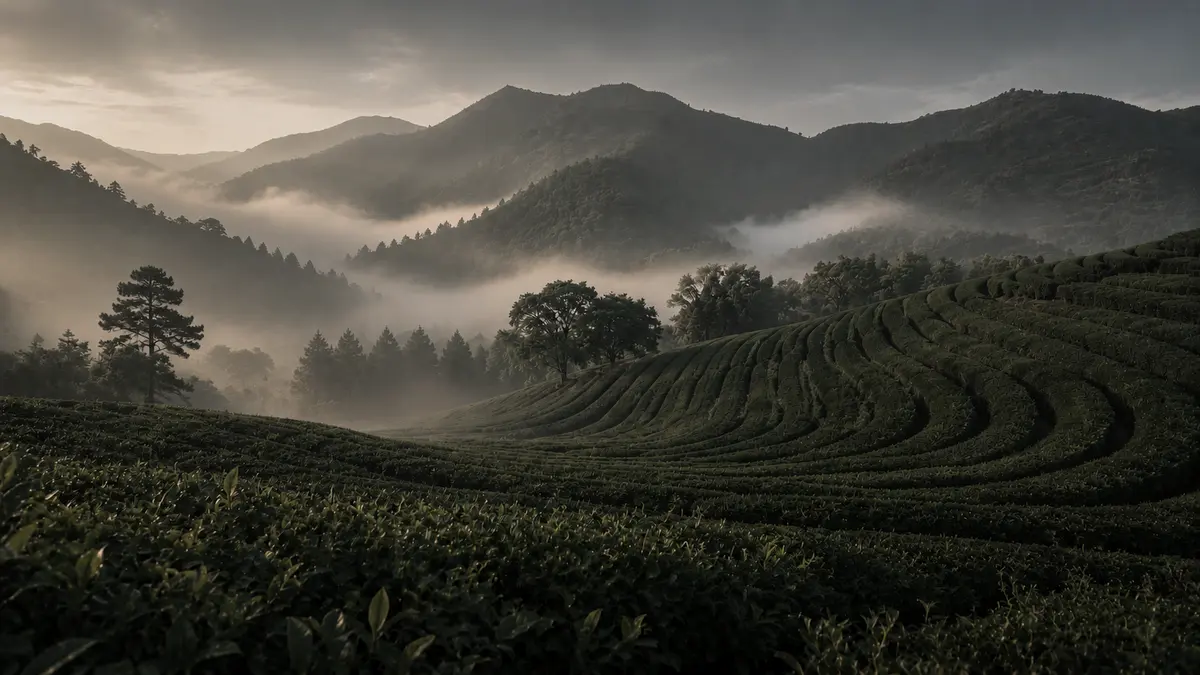
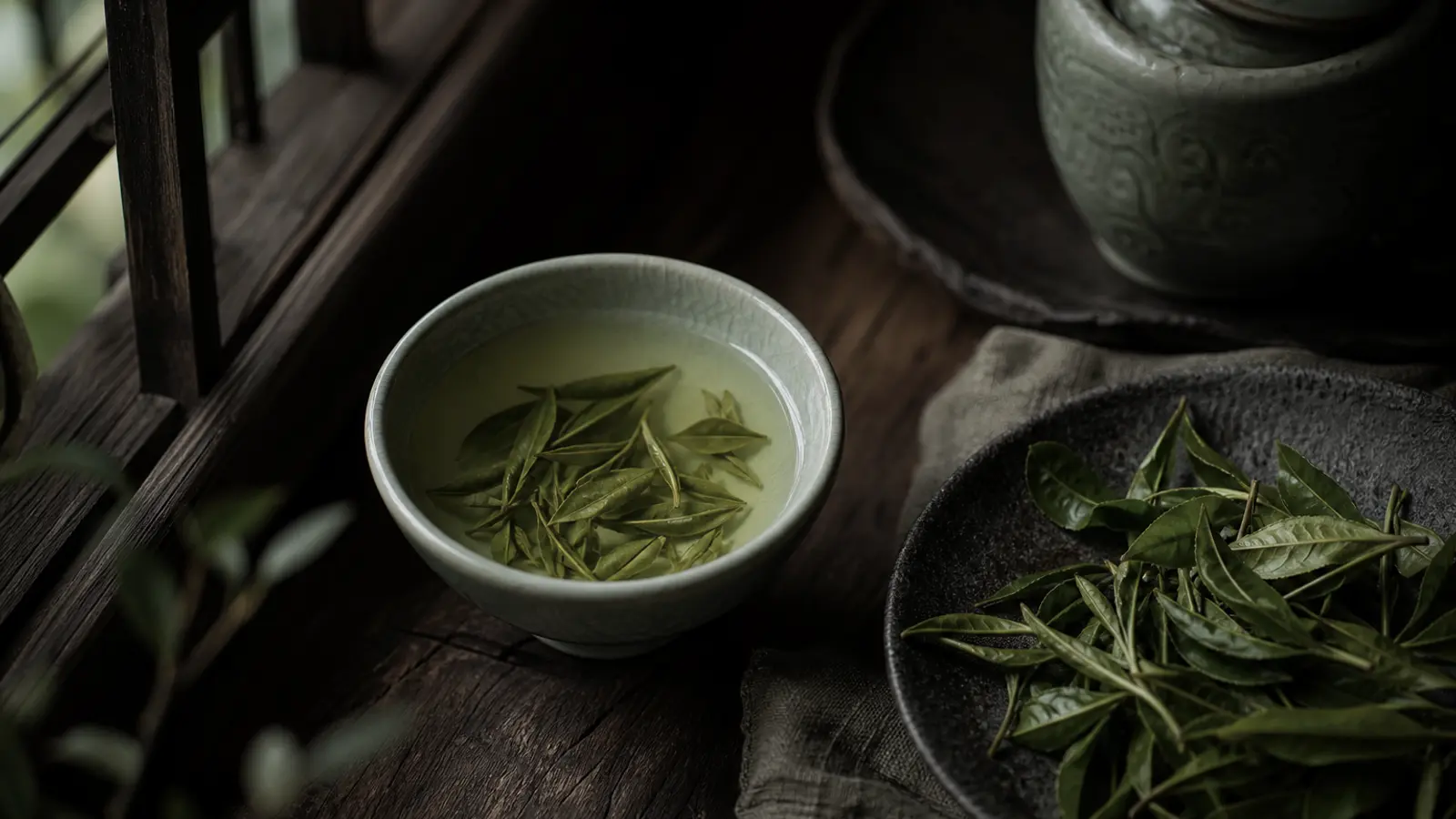
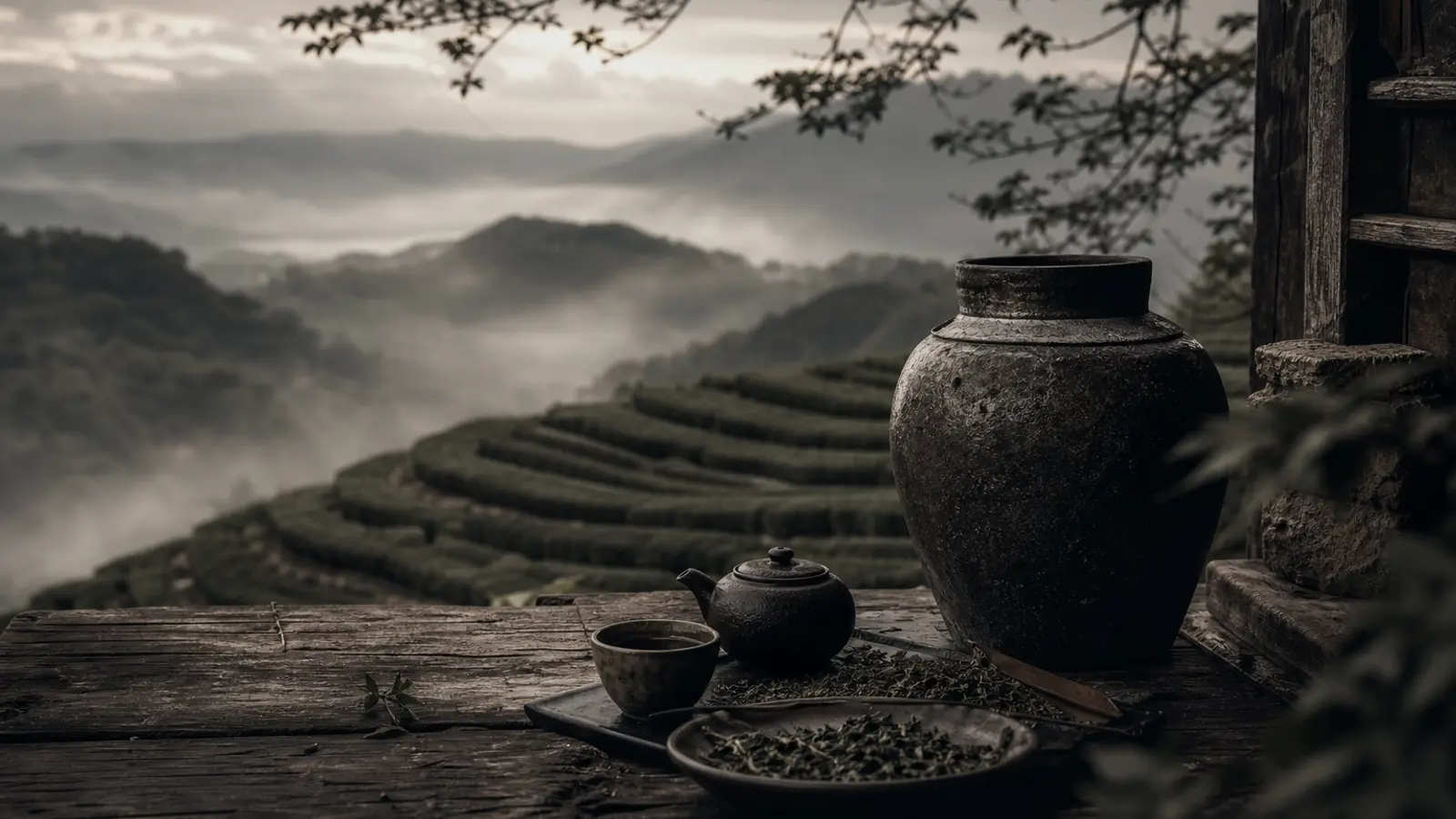
Korea's green heart — rolling emerald hillsides in Jeollanam-do that produce roughly 40% of the country's tea. The terraced rows are iconic, frequently featured in Korean drama and tourism marketing. Large plantations dominate, led by Daehan Tea Plantation (대한다원), but smaller artisan farms produce work that few export markets ever see. Boseong tea is categorized by harvest timing: 우전 (ujeon, before April 20 — the most precious), 세작 (sejak, late April — premium grade), 중작 (jungjak, May — everyday quality). The pan-fired method (덖음차, deokkeum-cha) produces a roasted chestnut character that distinguishes Korean green tea from Japanese steamed greens.
Hadong (하동)
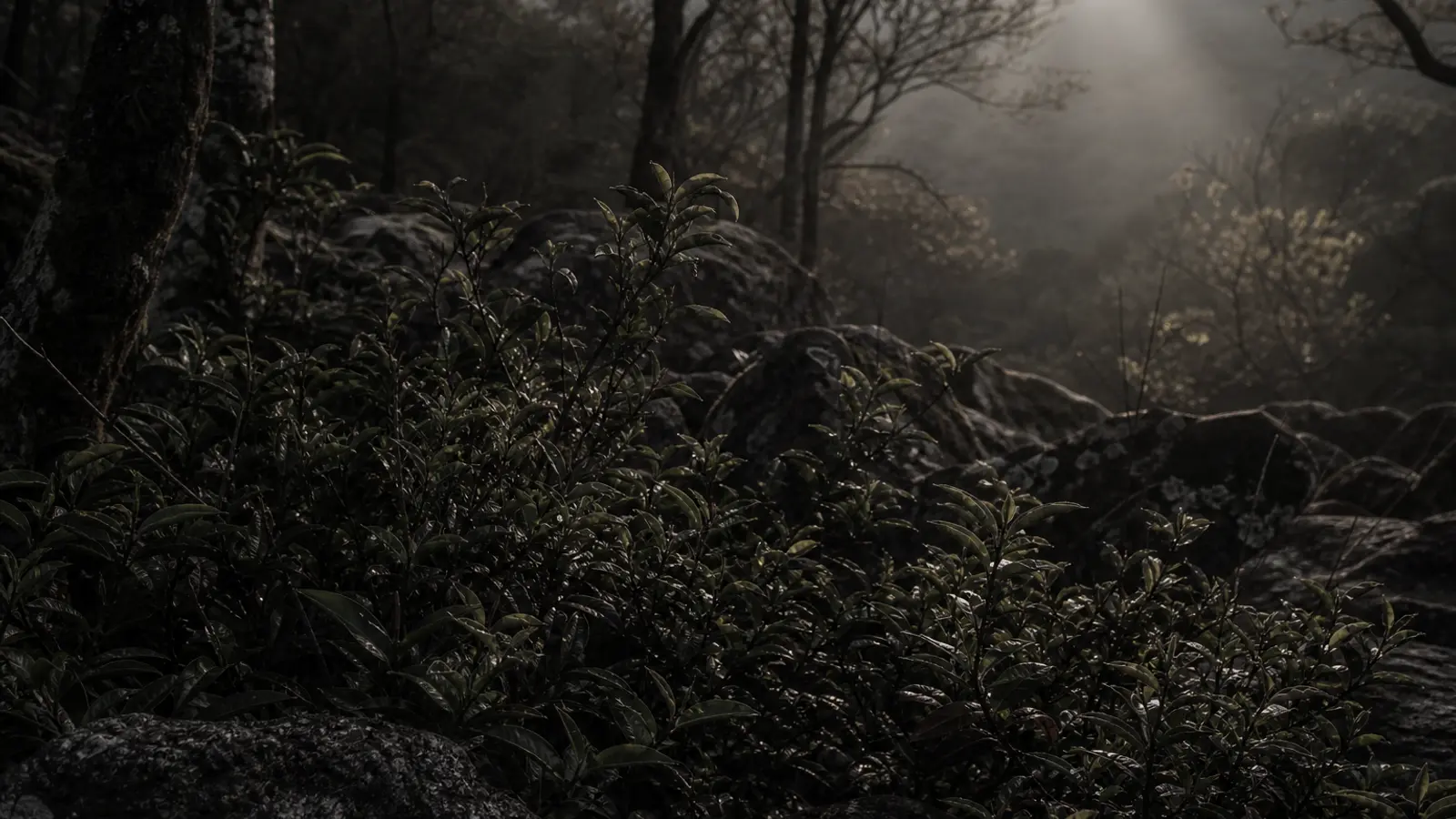
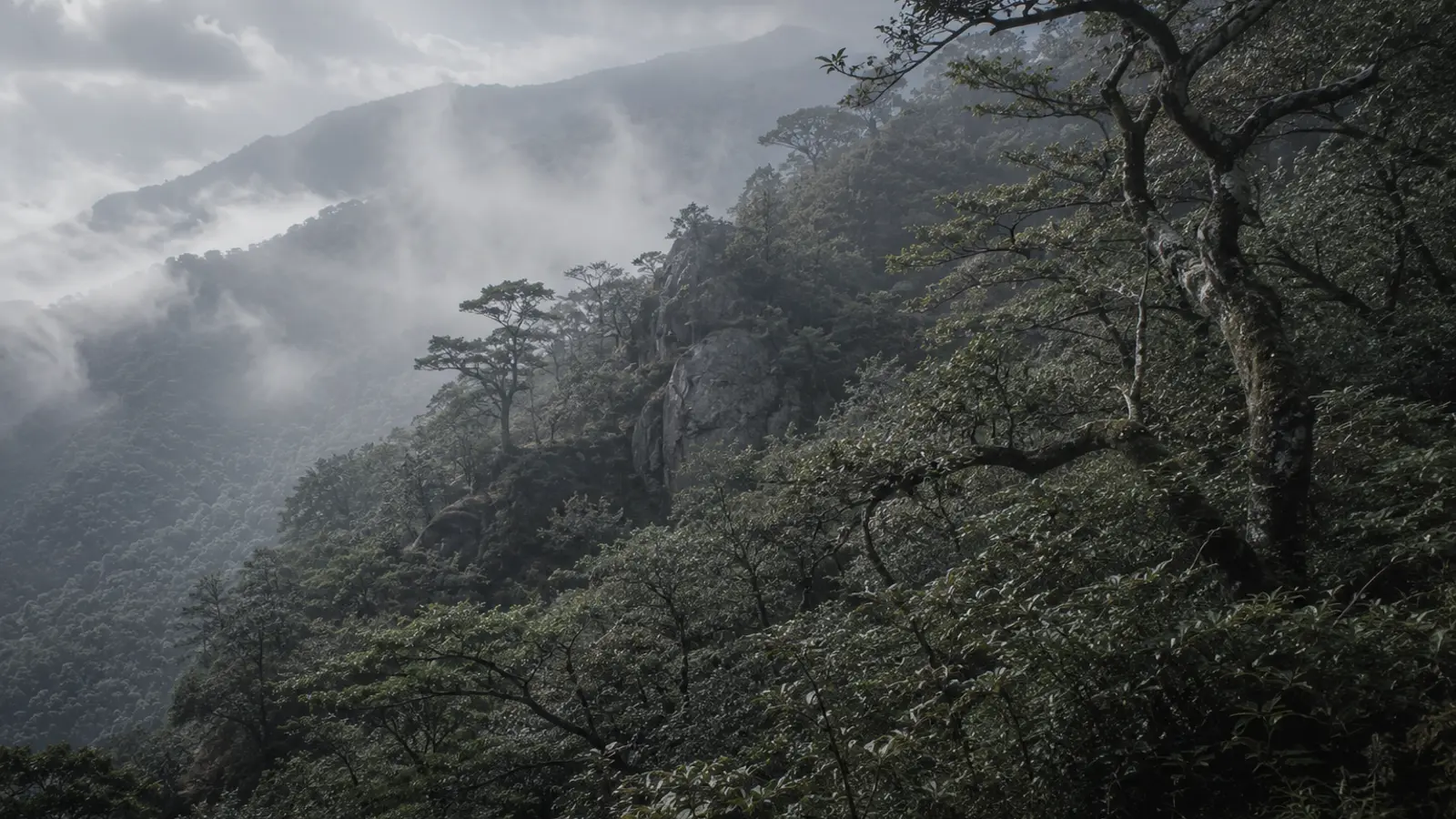
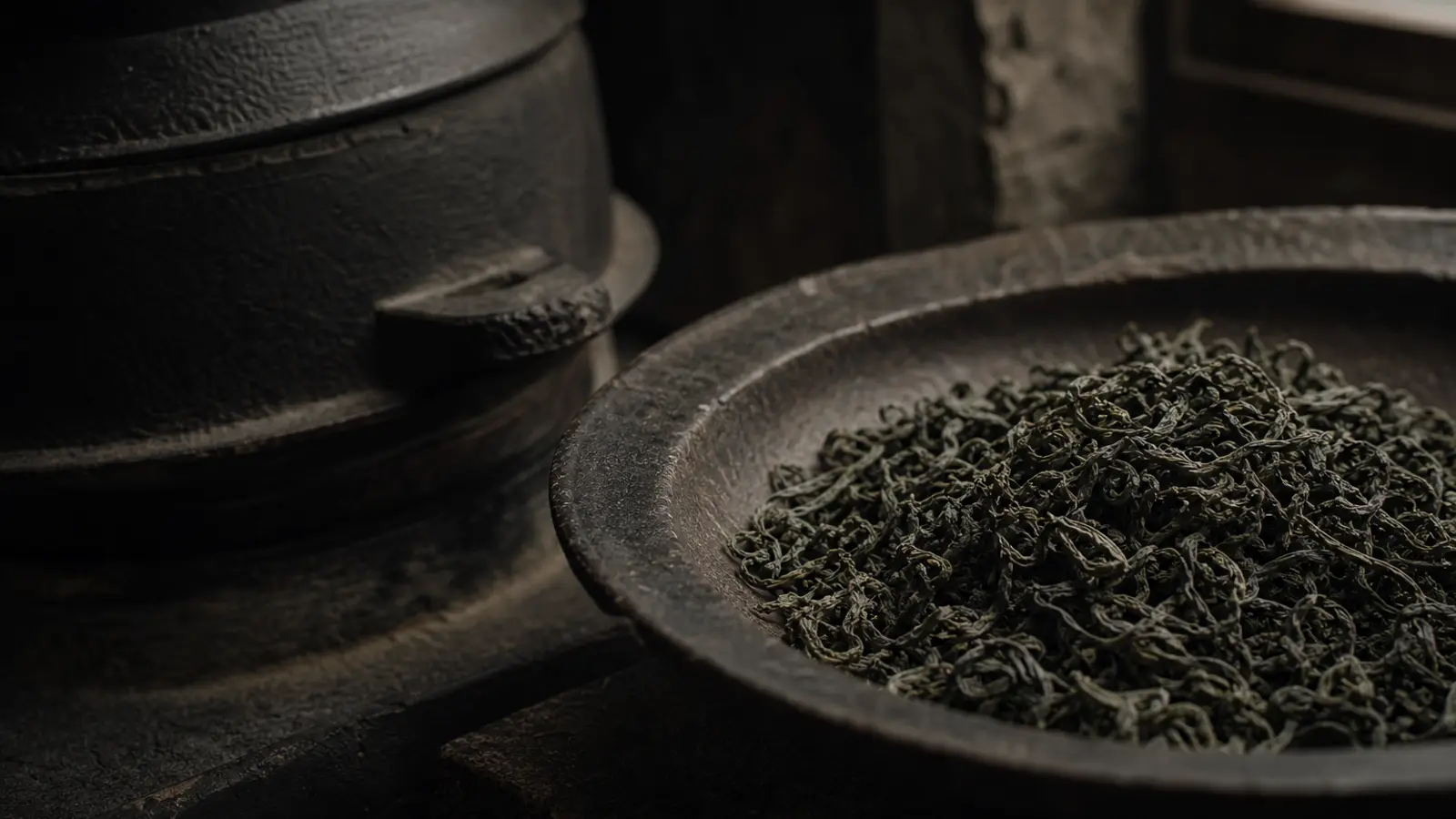
Korea's oldest tea mountain — wild tea plants on the slopes of Jirisan dating back over a thousand years. Where Boseong is the tea factory, Hadong is the tea heritage. The distinction matters: Hadong's wild-grown tea (야생차, yasaeng-cha) grows not in managed rows but scattered through mountain forest, untended, with deep root systems producing concentrated, complex flavor. Hadong artisans use traditional iron cauldrons (가마솥, gamasot) for hand-firing in small batches. The terroir is rockier, the yield is lower, the price is higher, and the tea is worth it.
Jeju (제주)
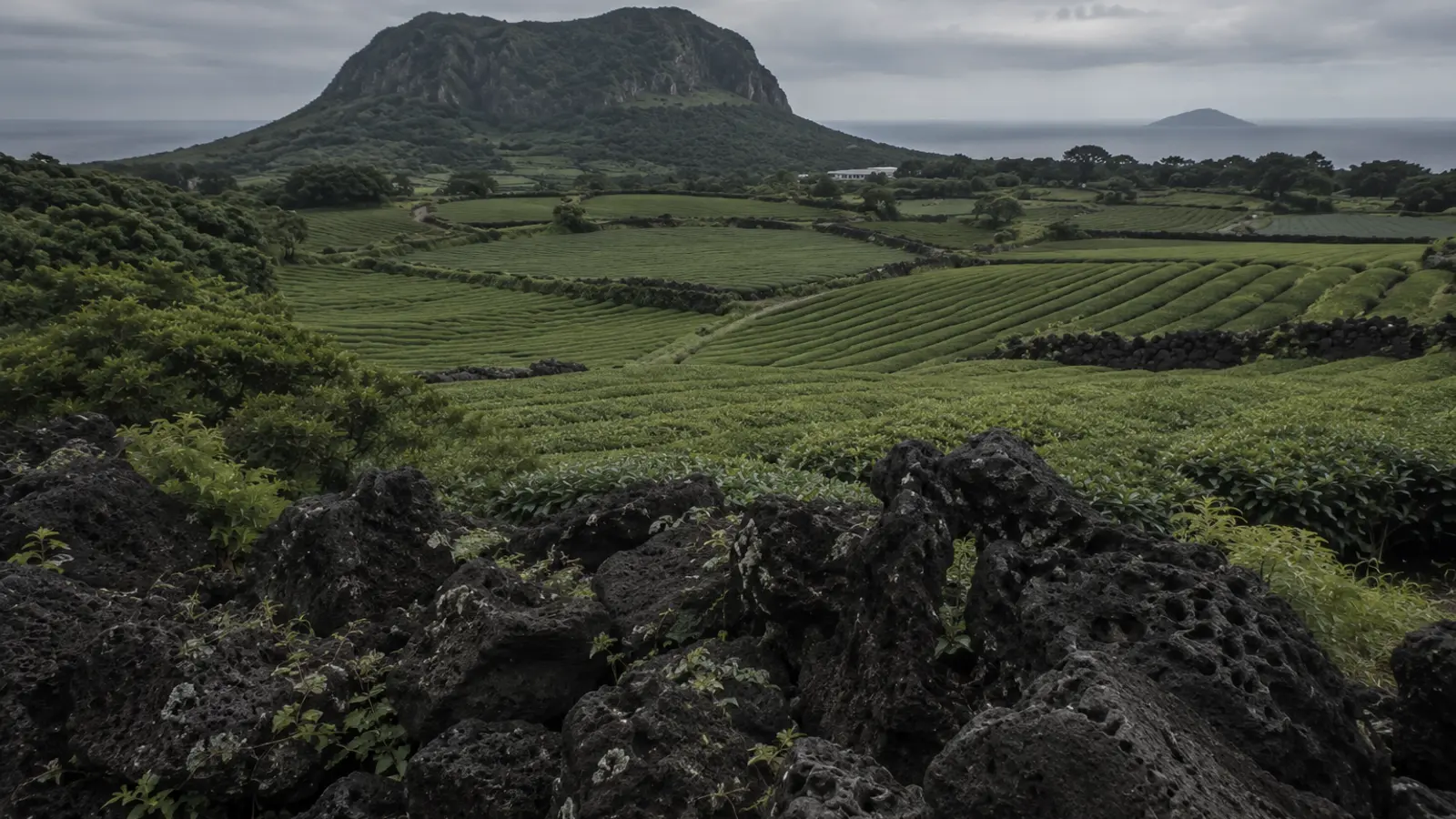
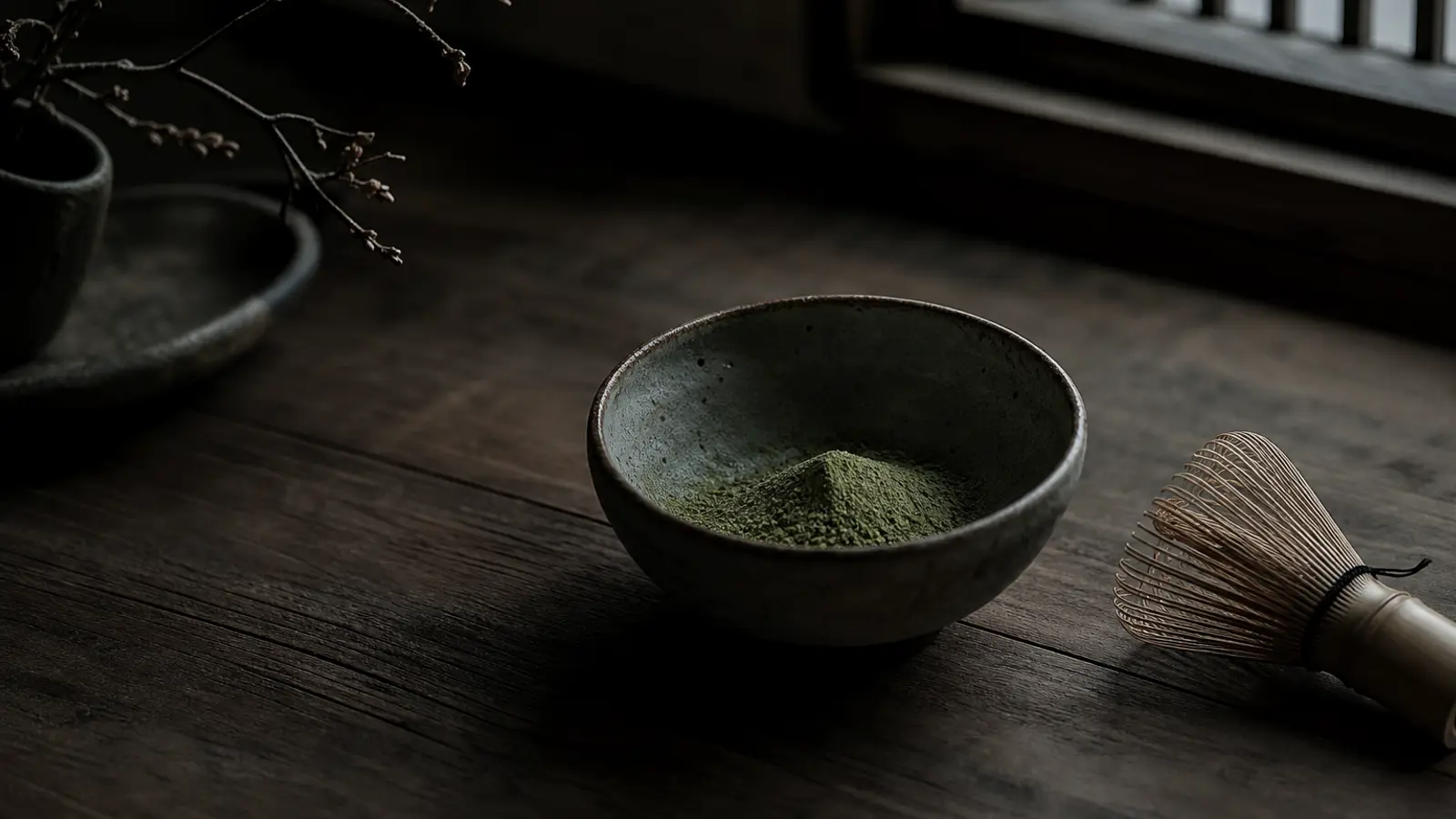
Volcanic island tea — basaltic soil creating a mineral character that mainland Korean tea cannot replicate. Osulloc (오설록, Amorepacific) dominates Jeju's tea landscape with sleek branding and museum retail, but independent farms on the island's mid-slopes produce distinctive, terroir-expressive teas that few outside Korea have tasted. Jeju's volcanic geology creates a parallel worth noting: like Wuyi's rocky terroir producing mineral yan cha, Jeju's basalt produces tea with a stony quality unavailable from any other Korean origin.
Korean Tea: Guides and Deep Dives
From the first spring picking of ujeon to the roasted depth of pan-fired sejak, from Hadong's wild-grown yasaeng-cha to Jeju's volcanic matcha — Korean tea produces flavors no other origin replicates. These guides cover every major Korean tea type, processing method, harvest grade, and regional comparison.
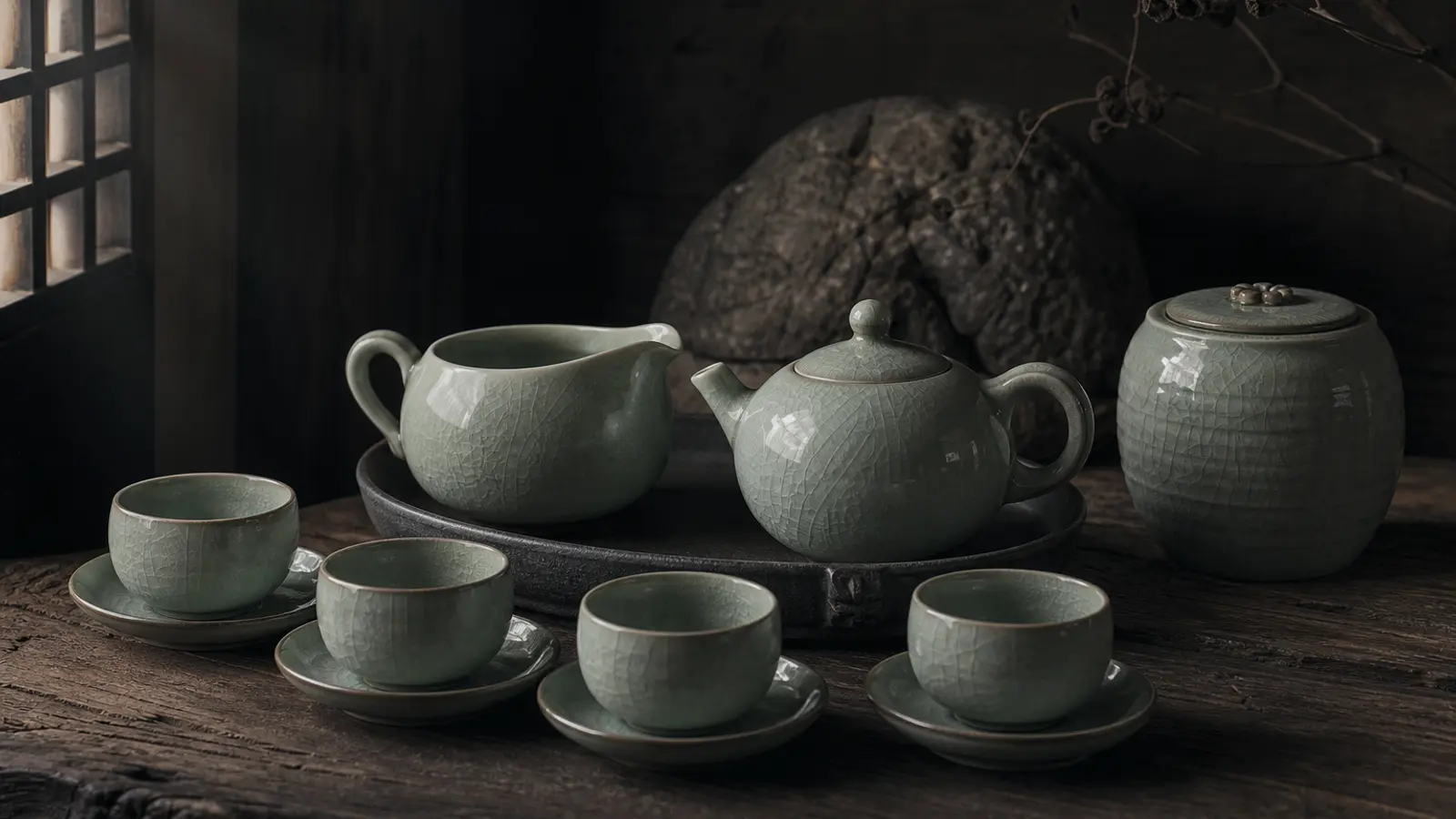
Korean Teaware: Celadon, Buncheong, and the Bowls That Changed Everything
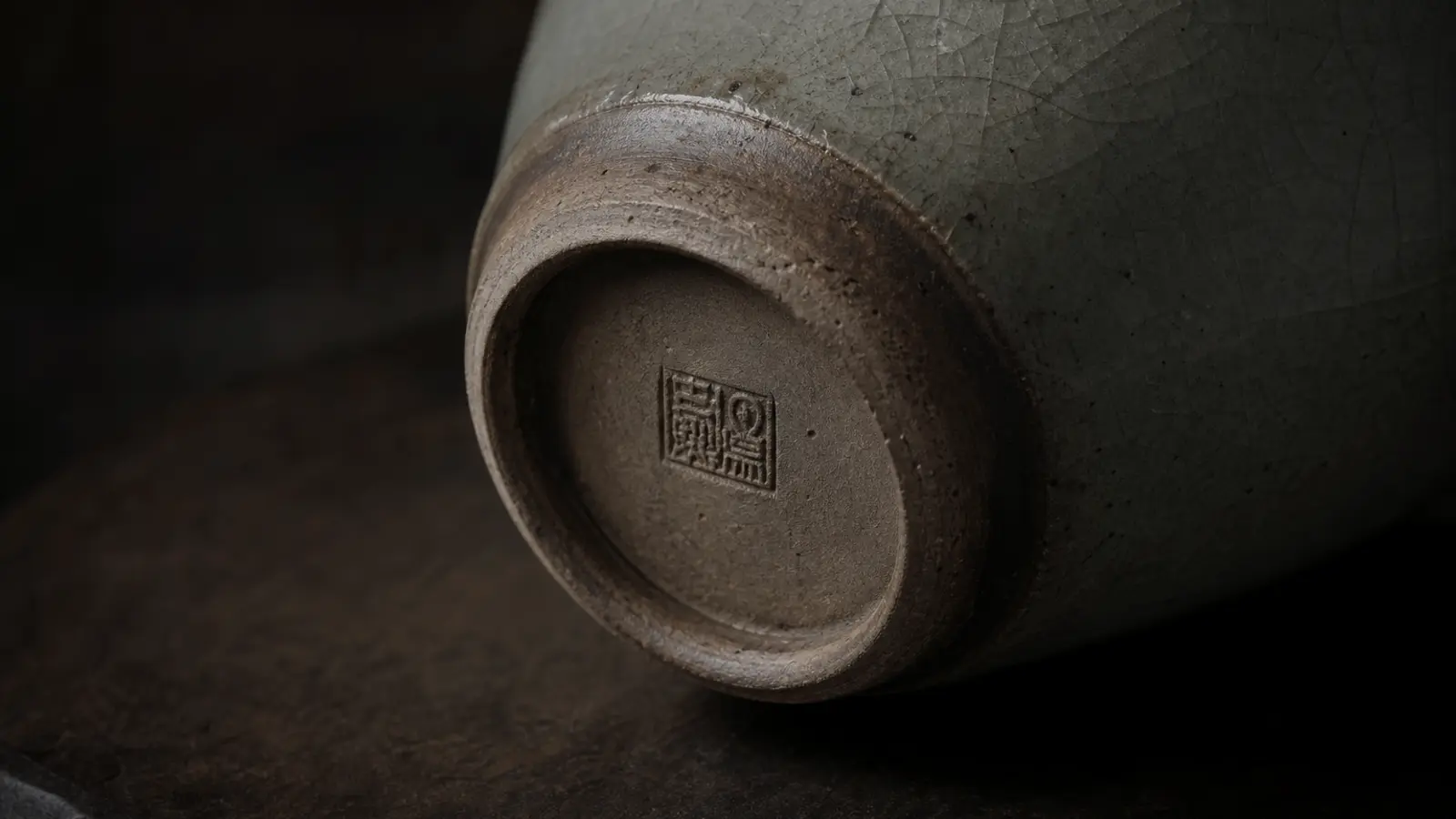
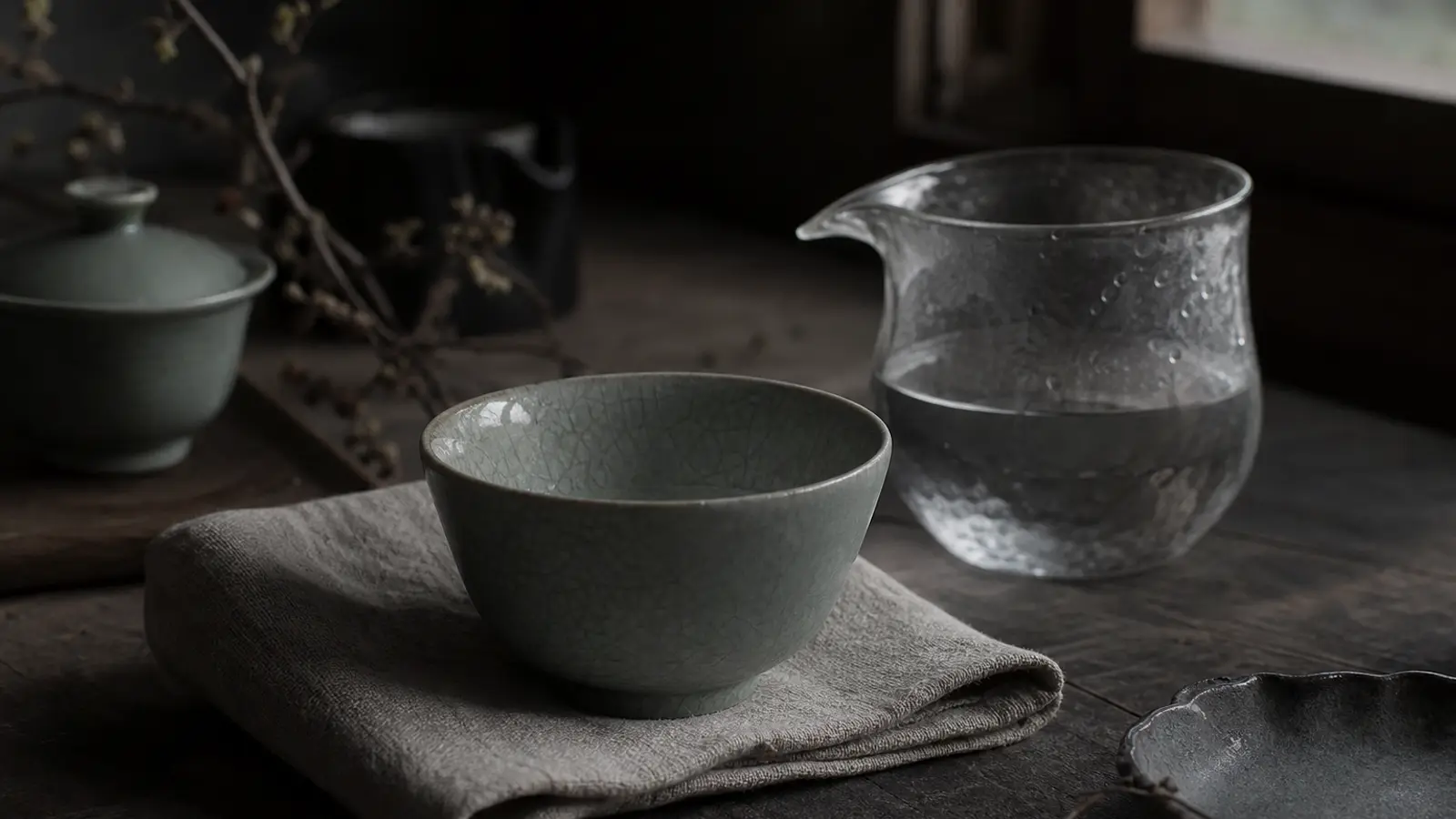
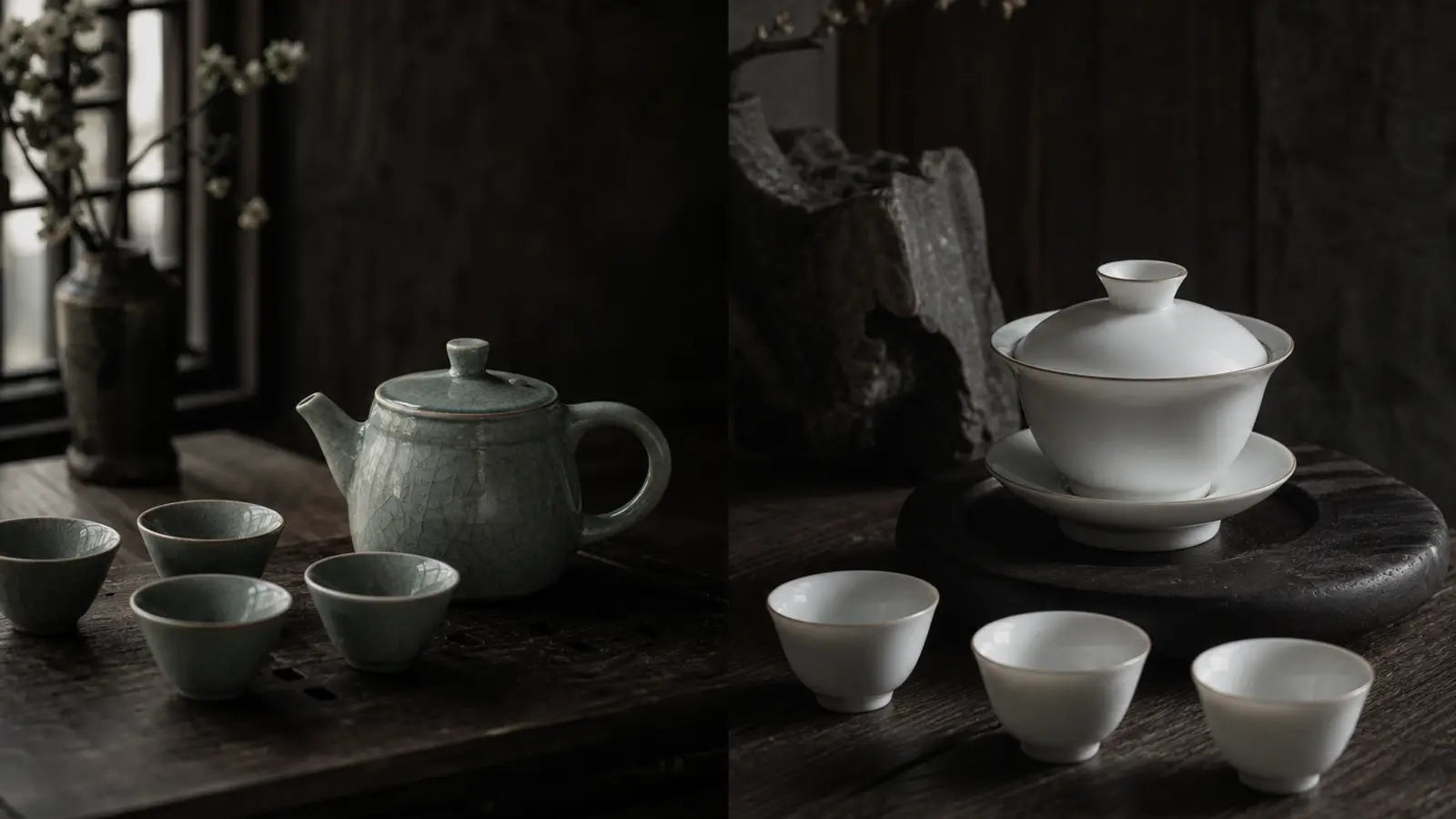
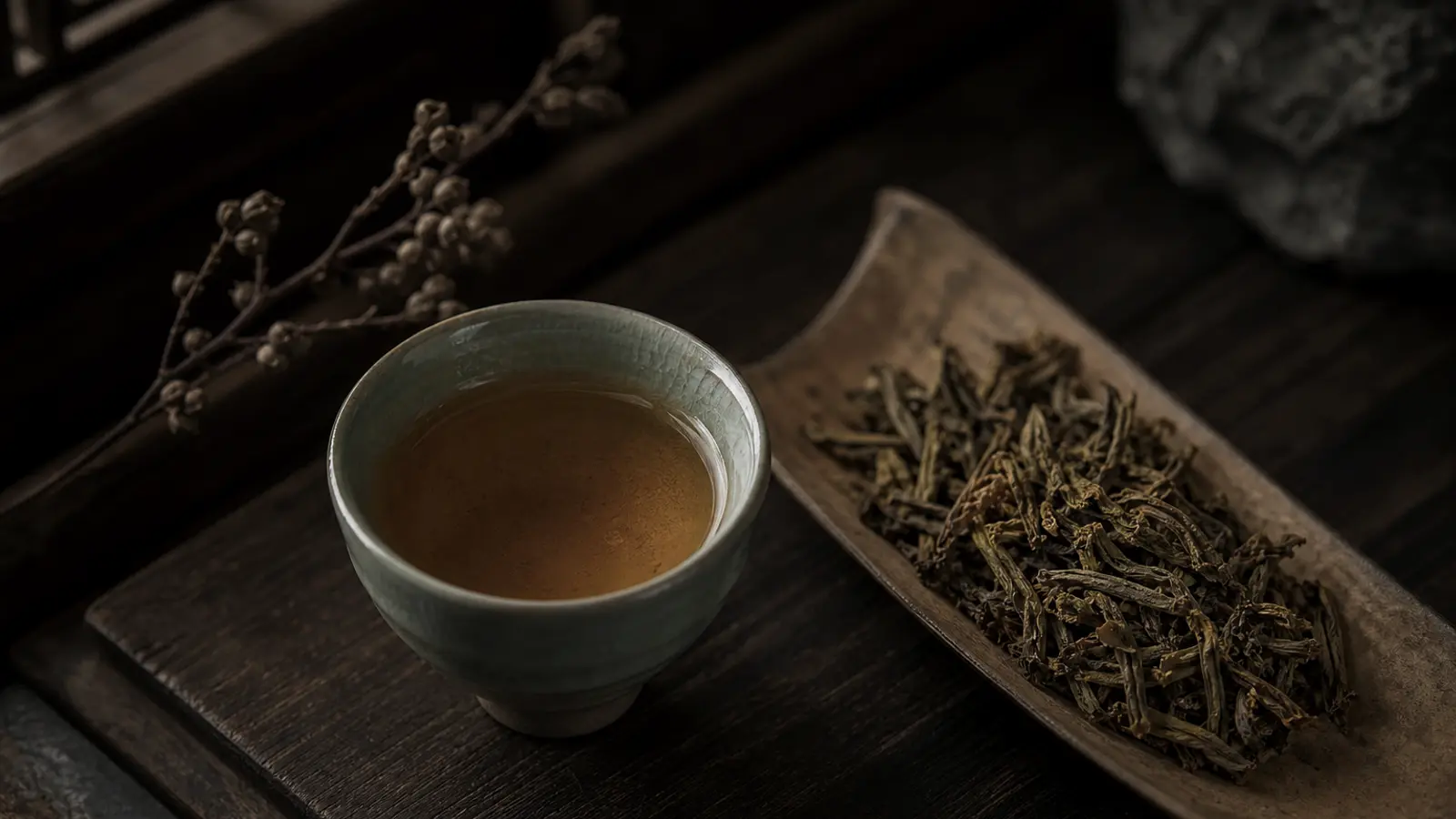
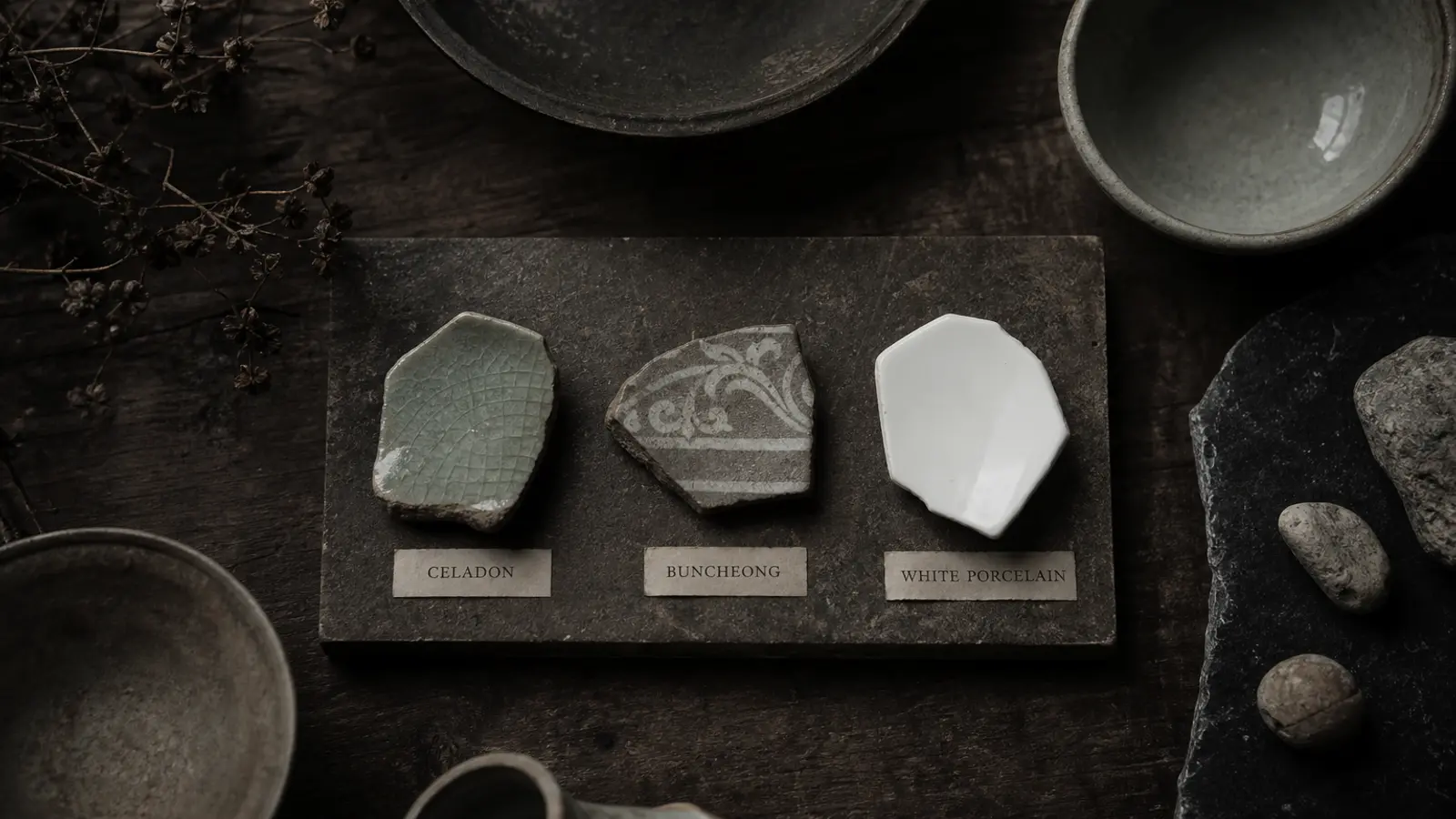
Korean pottery is one of the great ceramic traditions in human history. It produced two innovations that shaped tea culture across East Asia: the jade-green celadon glaze that Song Dynasty China acknowledged as superior to their own, and the rough folk bowls that became the most sacred objects in Japanese tea ceremony.
If you brew gongfu tea, Korean teaware offers something that Chinese porcelain and Yixing clay do not: a middle path between neutrality and seasoning, between precision and texture, between control and warmth.
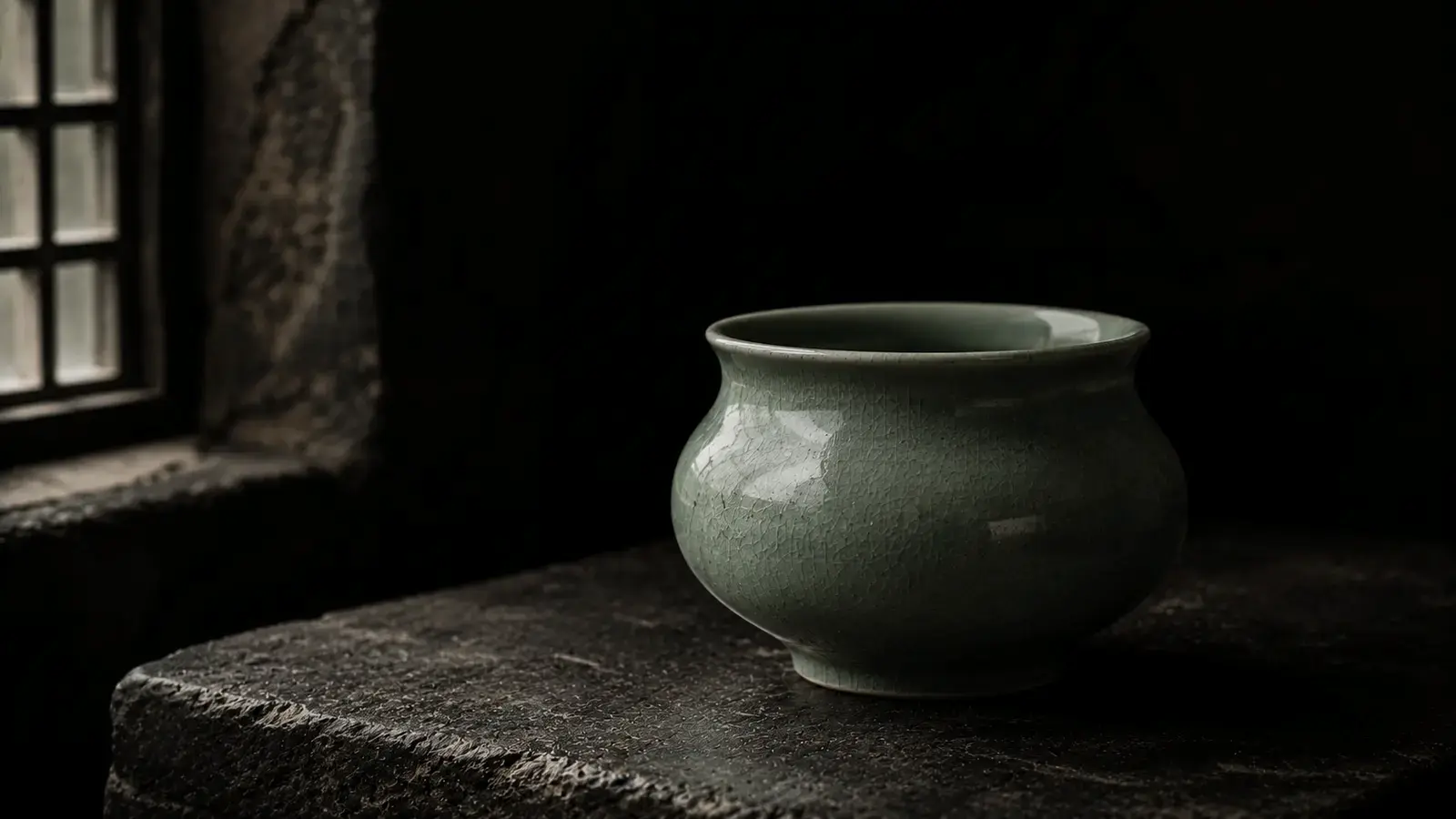
Celadon (청자, cheongja)
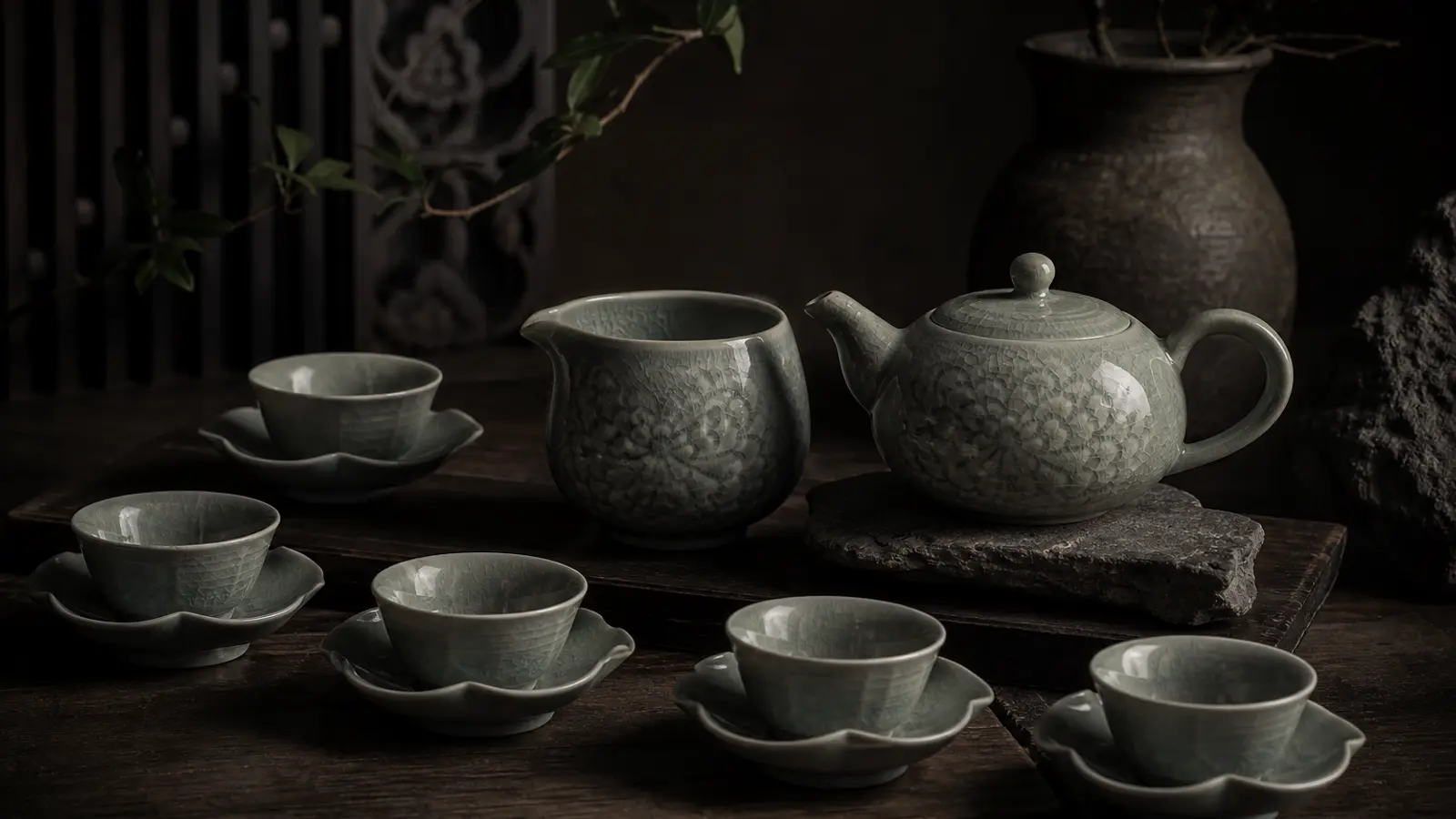
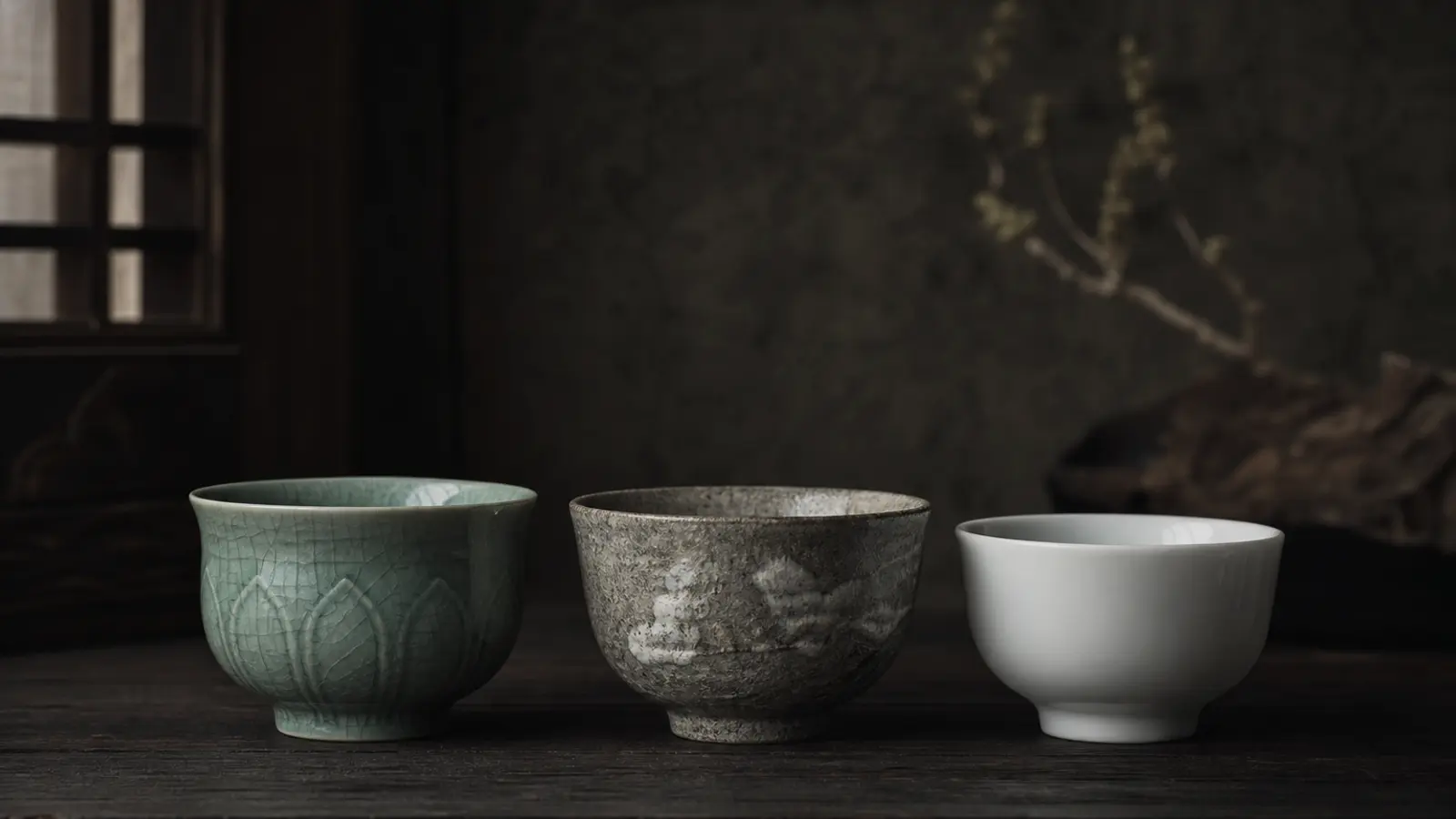
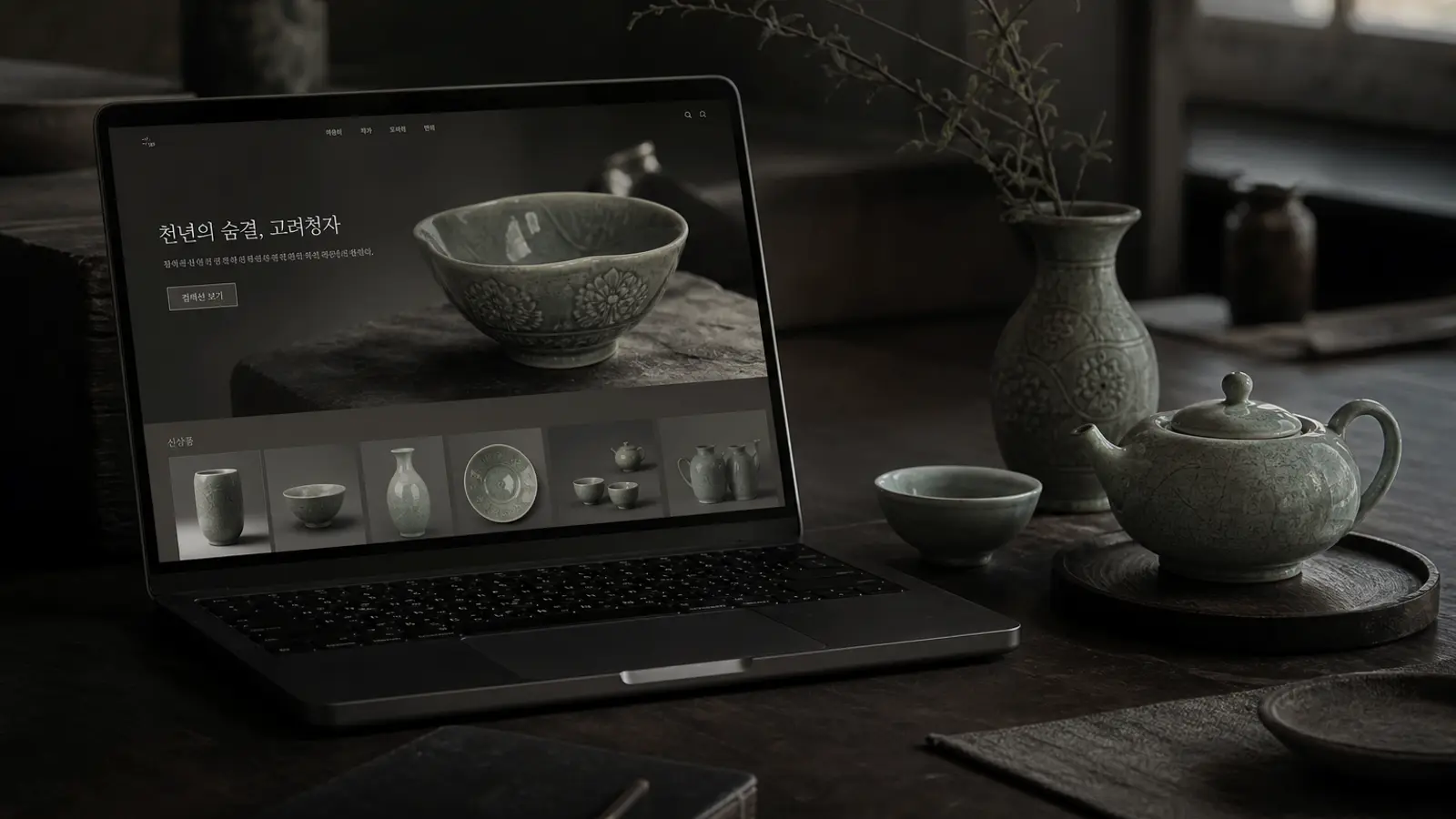
Defined by the 비색 (bisaek, jade color) — a glaze achieved through iron oxide fired in a reduction atmosphere. Goryeo-era celadon (10th–14th century) perfected a translucent jade-green that remains the aesthetic ideal. The 상감 (sanggam, inlay) technique — carving designs into the clay body and filling with contrasting clay — is unique to Korean ceramics. No Chinese or Japanese tradition developed it.
Buncheong (분청사기)
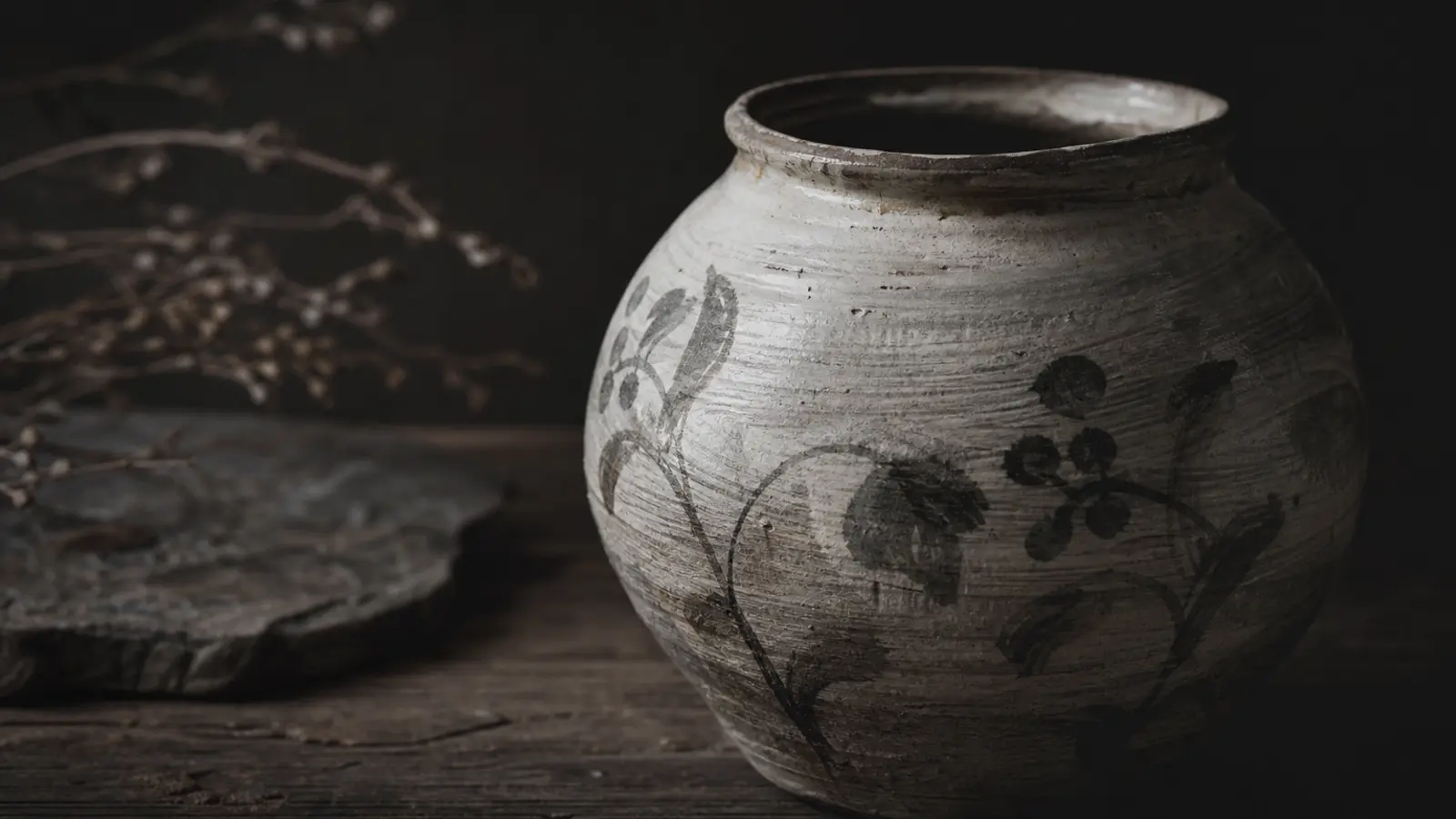
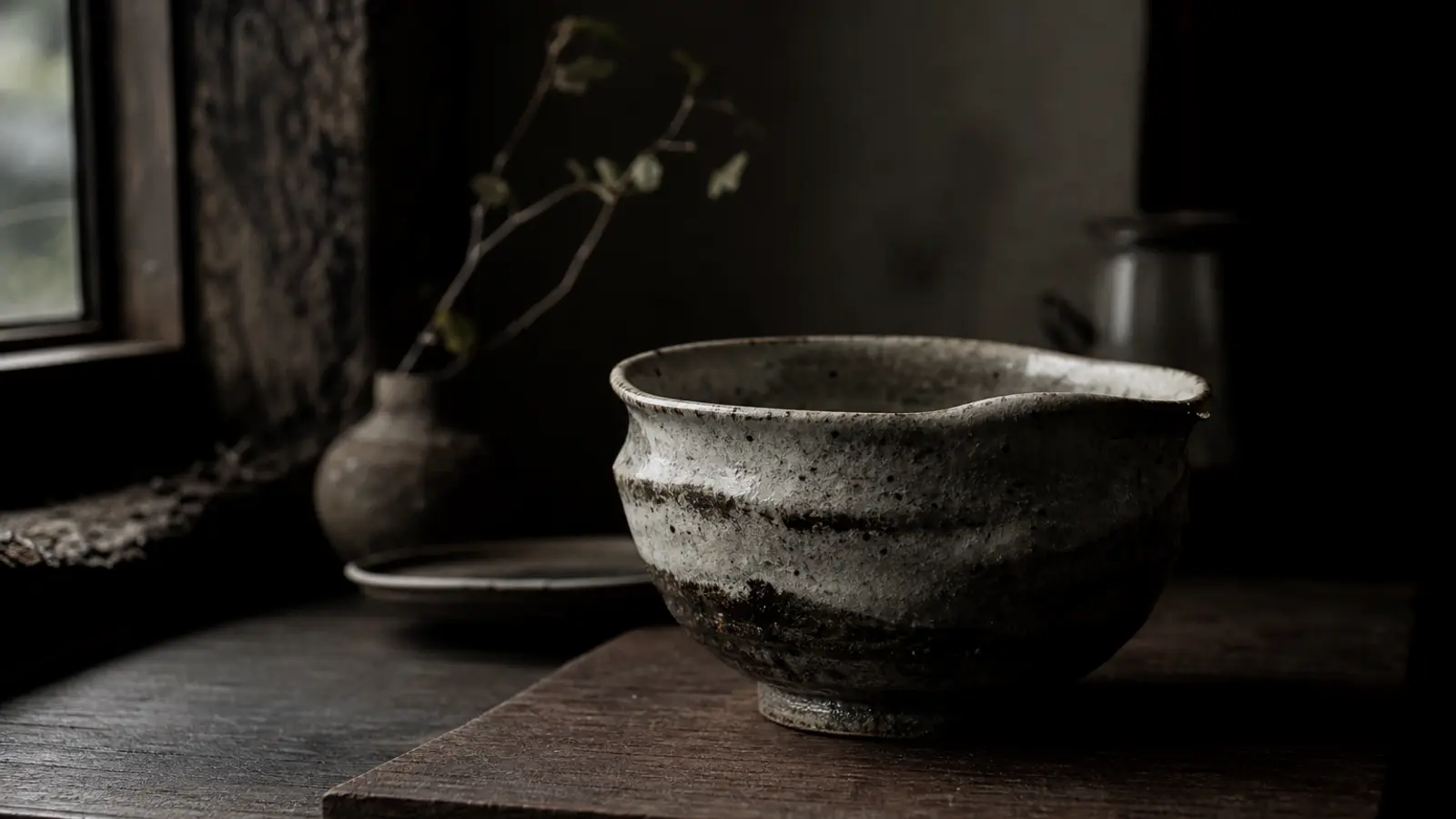
Celadon's earthy counterpart — slip-decorated stoneware with spontaneous energy that formal celadon lacked. When Toyotomi Hideyoshi invaded Korea in 1592, Korean potters were taken to Japan, where their buncheong sensibility became the foundation of wabi-sabi tea aesthetics. The greatest tea bowl in the world — the Kizaemon Ido (喜左衛門井戸) — is a Korean folk bowl, made by an anonymous potter who almost certainly did not know it was beautiful.
For Gongfu Practice
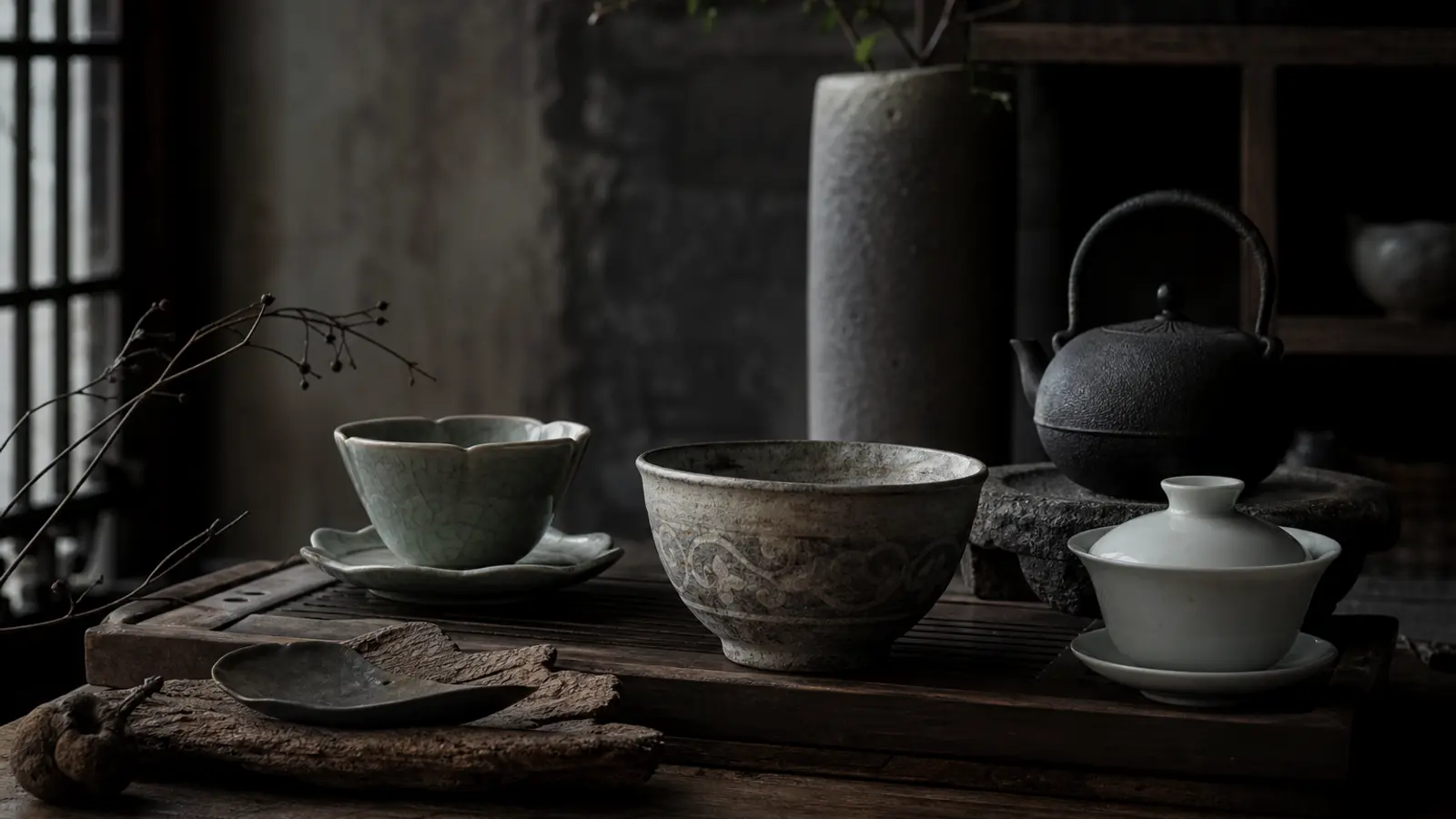
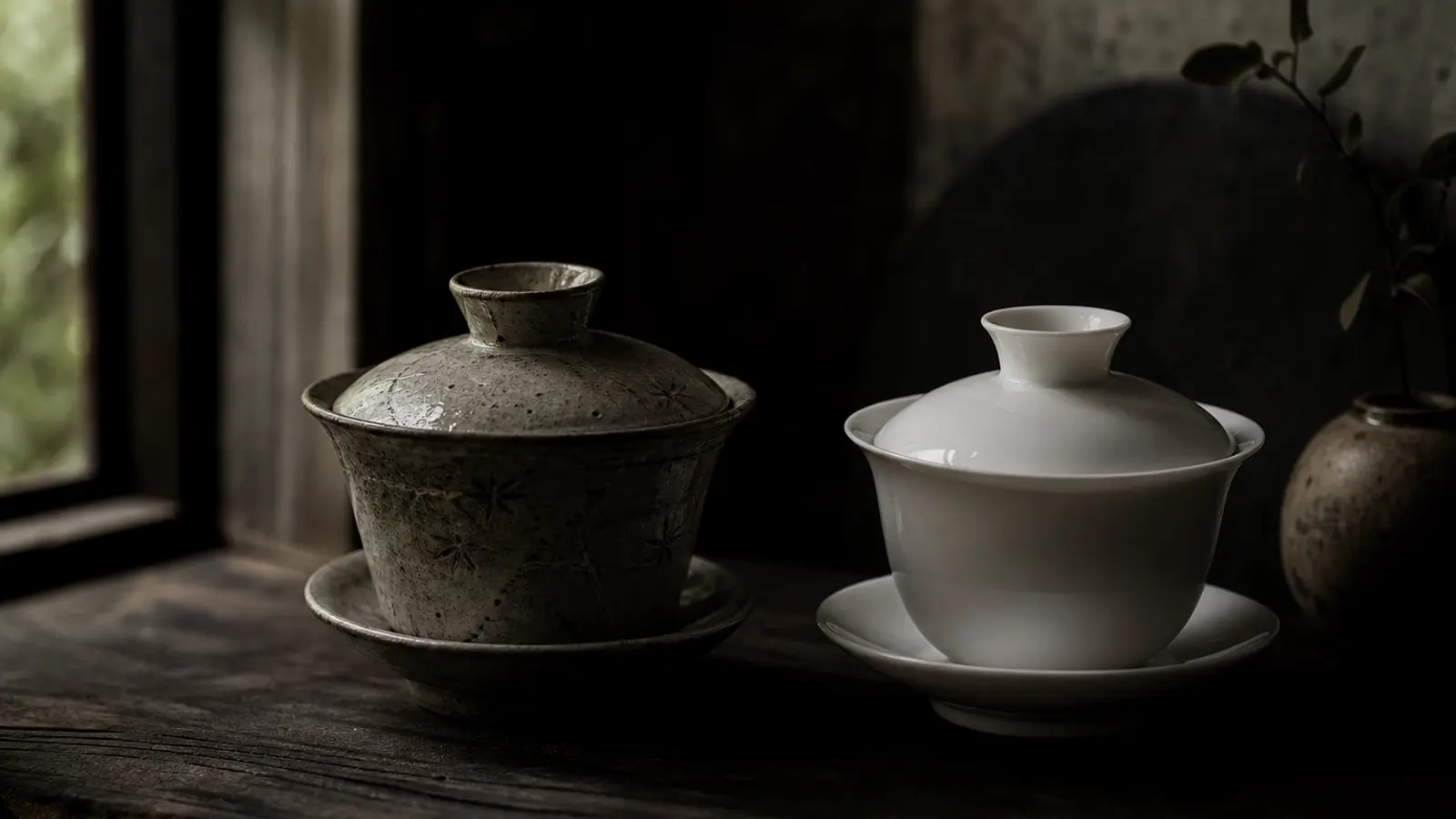
Korean teaware occupies a space between Chinese and Japanese vessels. A Korean gaewan (개완) — the Korean interpretation of the Chinese gaiwan — features thicker walls for different heat retention, textured surfaces that change the tactile ritual, and semi-porous clay bodies that season over time like Yixing. A Korean tea bowl (다완, dawan) held with both hands forces a different kind of attention — slower, more contemplative, physically grounding.
Master Potters Working Today
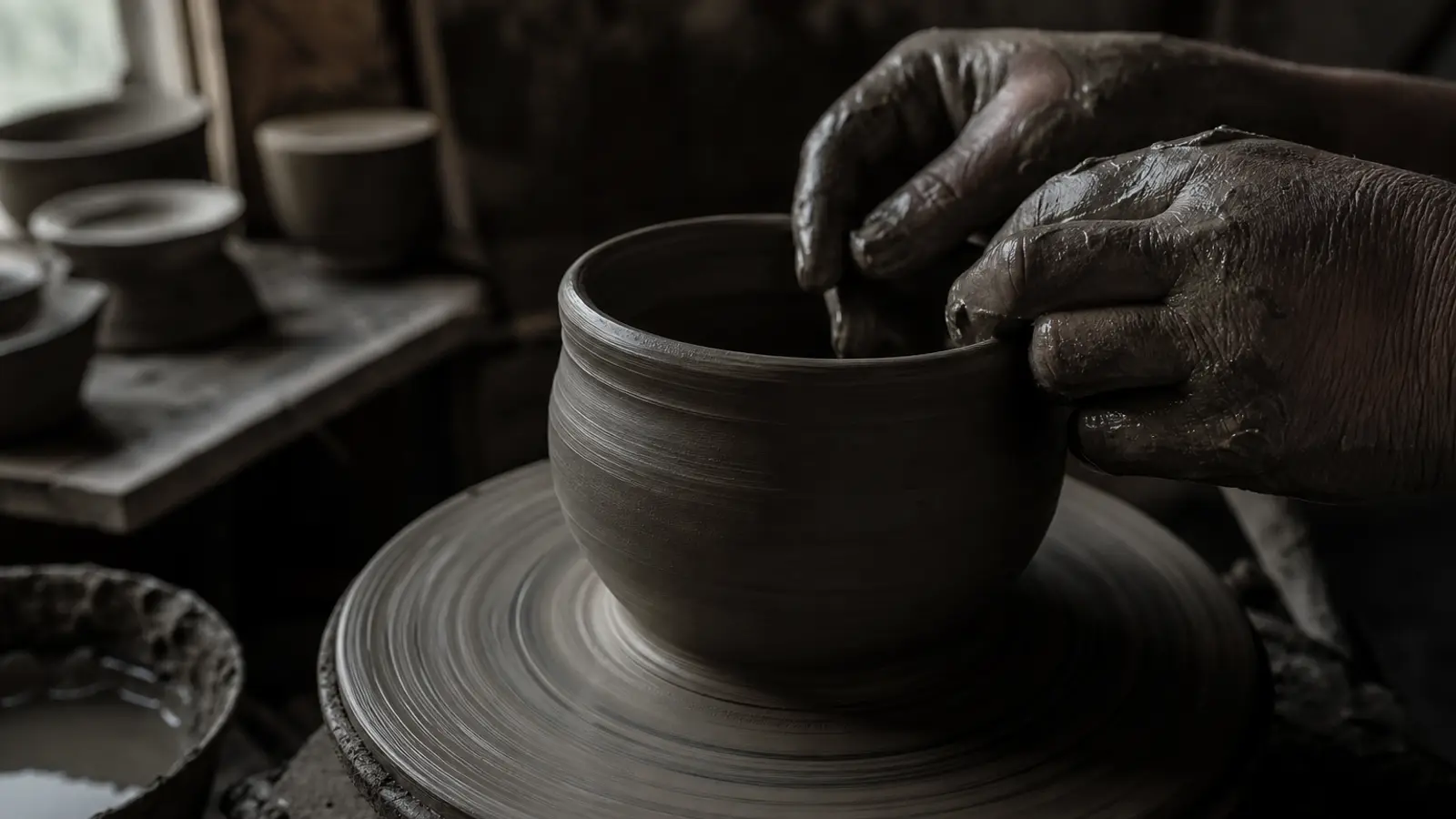
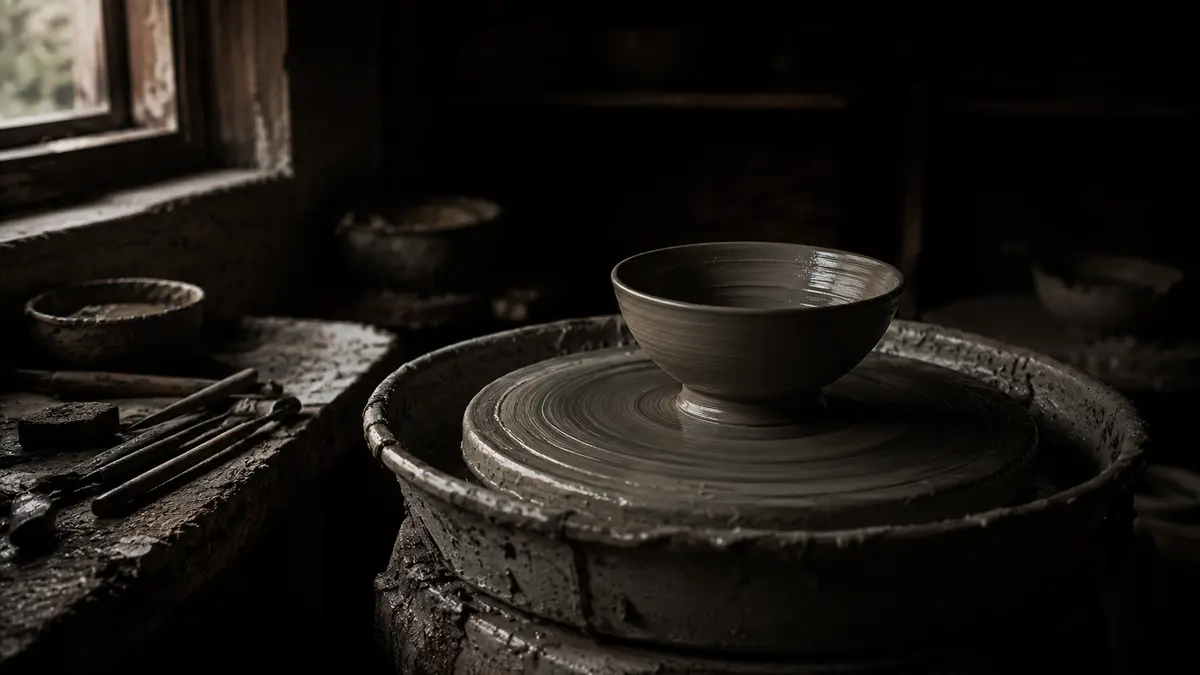
Korean pottery is not a museum tradition. Living masters produce teaware that you can buy, use daily, and watch develop patina over years of practice.
The designation system matters: 무형문화재 (muhyeong munhwajae, intangible cultural heritage) and 대한민국 명장 (daehanminguk myeongjang, national master) are government-recognized titles awarded to artisans who have preserved and advanced traditional techniques. Below these designated masters, a generation of contemporary studio artists is reinterpreting traditional forms for modern tea practice.
Names to know: 백산 김정옥 (Baeksan Kim Jeong-ok, Korea's first designated ceramics master), 고암 김흥복 (Goam Kim Heungbok, first-generation Icheon potter), 윤광조 (Yoon Kwang-cho, whose buncheong reinterpretations sit in the British Museum), 민토 최민록 (Minto Choi Minrok, carbon-fired unglazed gaewan). Each brings a different hand to the same clay.
Pottery Regions: Where Korean Ceramics Are Made
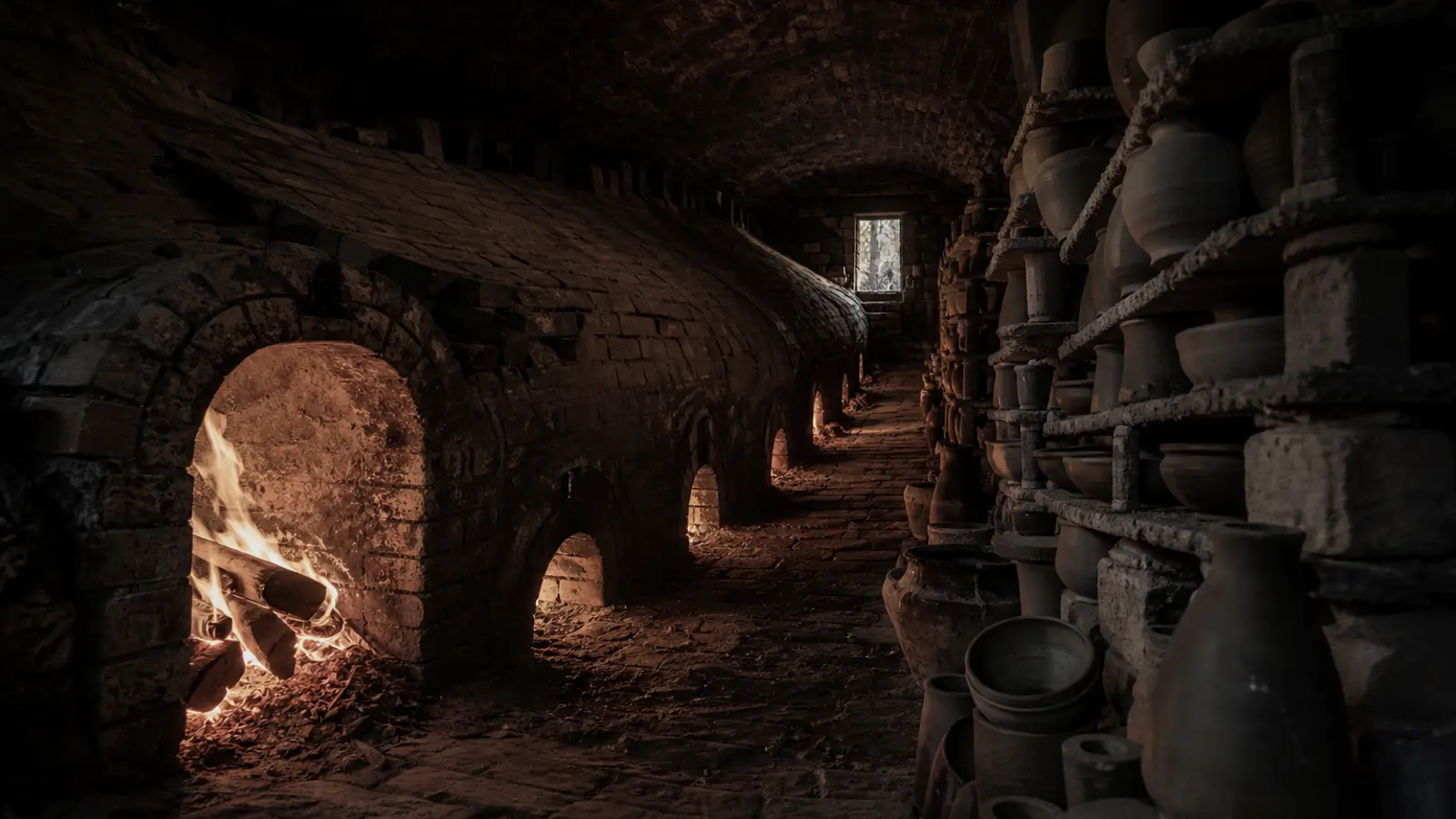
Korean pottery comes from specific places. Each region has distinct clay, distinct kiln traditions, and distinct aesthetic identity. The same way Boseong, Hadong, and Jeju define Korean tea terroir, these three cities define Korean ceramic terroir.
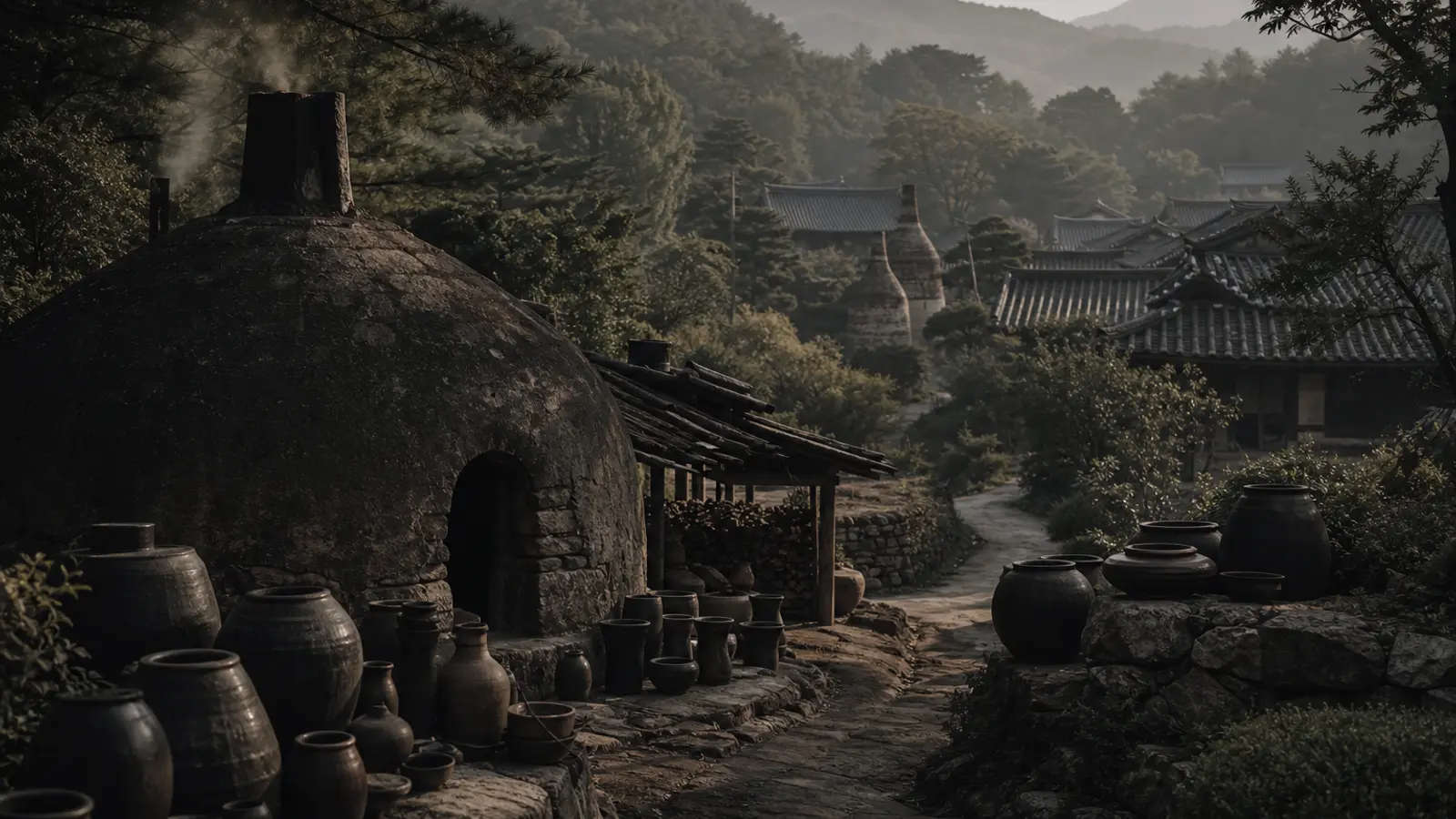
Icheon (이천) — Korea's Ceramics Capital
UNESCO Creative City of Crafts. Over 300 pottery studios. The annual Icheon Ceramics Festival is Asia's largest. Goryeo-revival celadon, Joseon white porcelain, contemporary studio work.
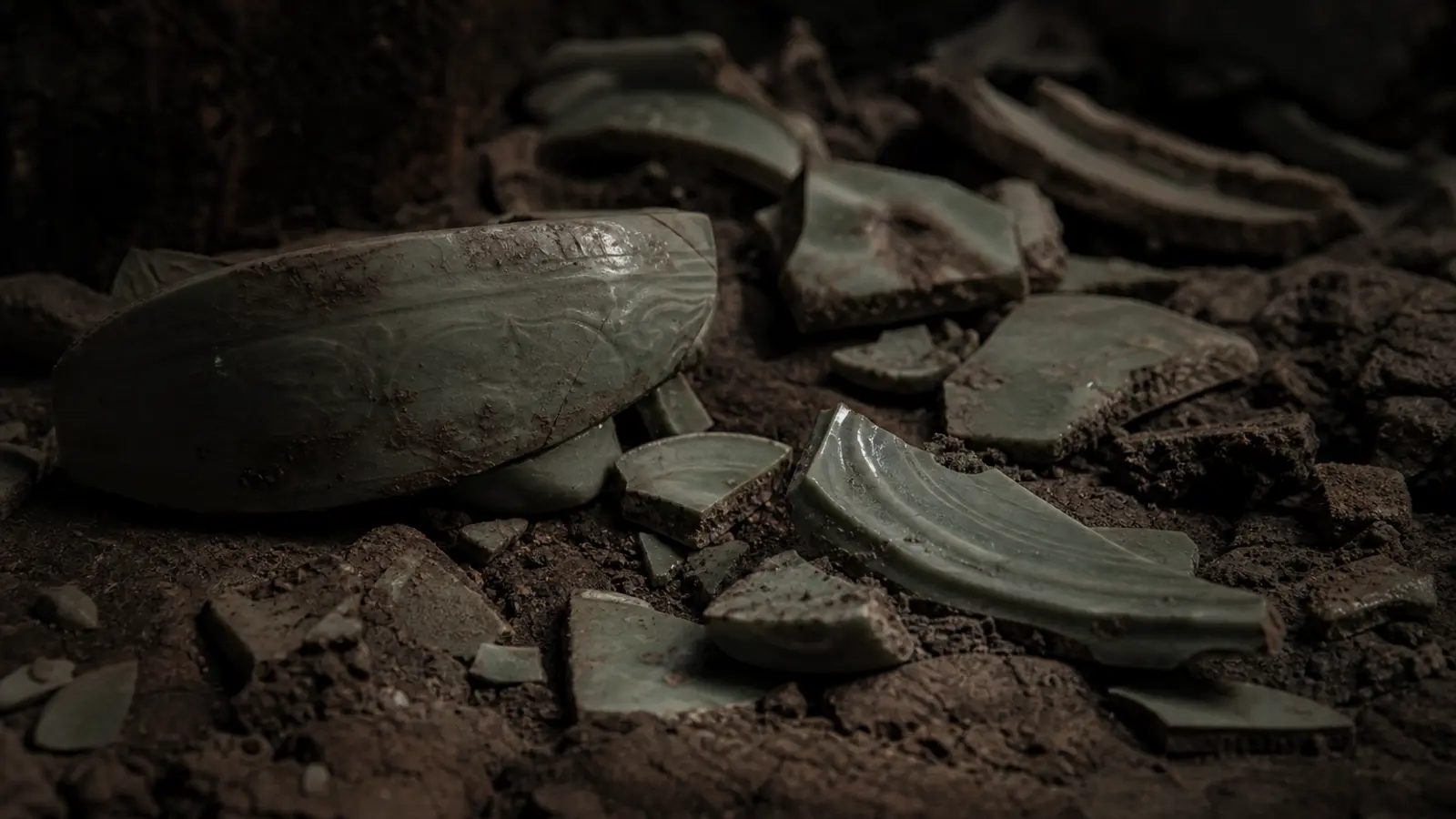
Gangjin (강진) — Where Celadon Began
The archaeological birthplace of Korean celadon. Ninth-century kiln sites where the jade-green glaze was first perfected. Studios here work with direct historical lineage.
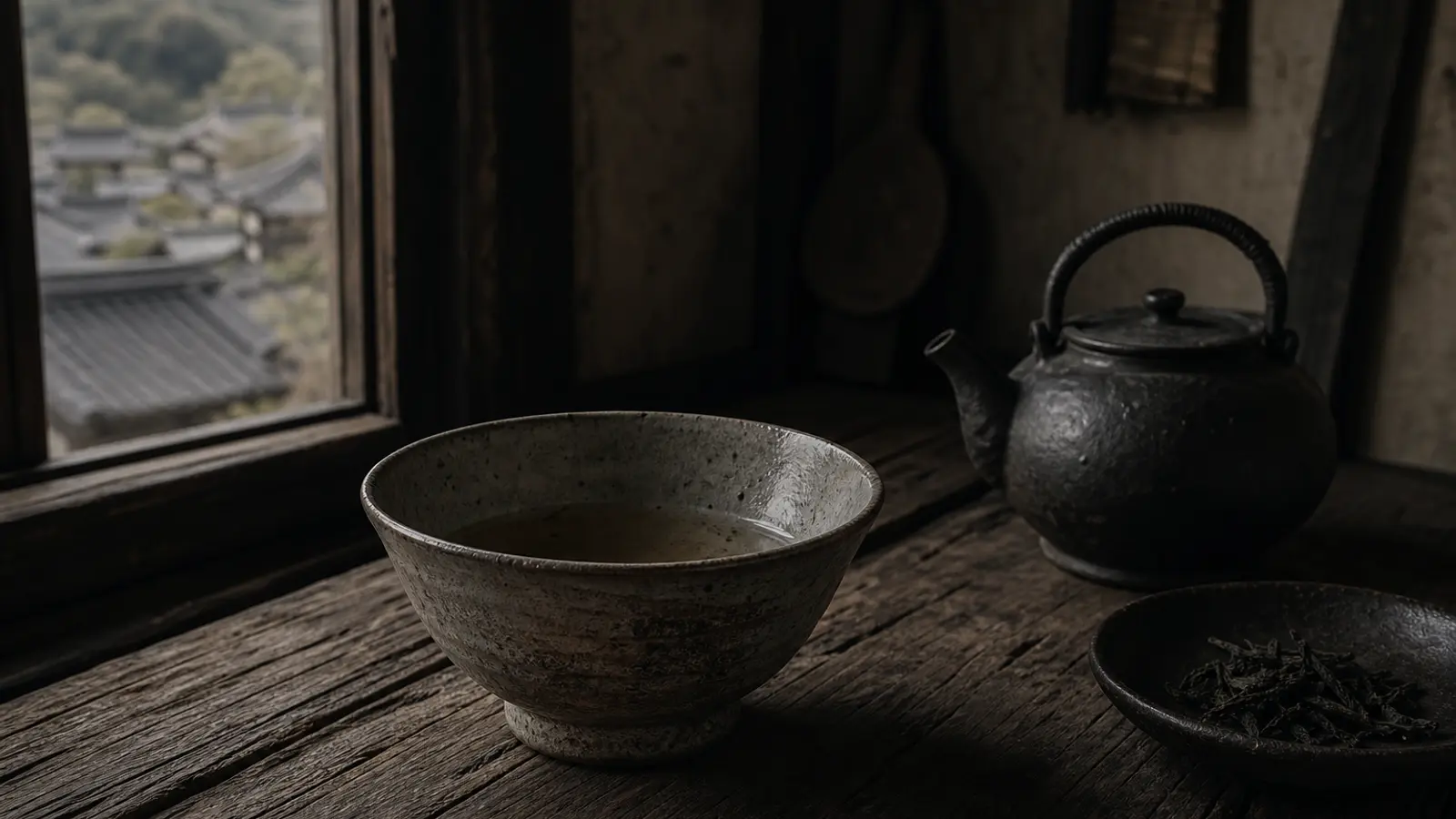
Mungyeong (문경) — The Tea Bowl Town
Korea's sabal (tea bowl) heartland. The Ido chawan tradition — the Korean folk bowls that became Japan's most sacred tea objects — traces to kilns in this region.
Sourcing Korean Teaware
Buying Korean pottery from outside Korea requires navigating Korean-language platforms that most Western tea enthusiasts cannot access. This is where Steep Atlas has an advantage: we source directly from Korean retailers and artisan studios, in Korean.
The primary platforms include Korea's traditional ceramics retailers with international shipping, contemporary teaware galleries with Seoul showrooms, and heritage pottery houses. Several offer international shipping directly. For those that don't, Korean forwarding services bridge the gap.
Price context: entry artisan Korean teaware starts around ₩50,000–100,000 ($33–67). Named master work ranges ₩200,000–700,000 ($133–467). Designated 명장 pieces can exceed ₩3,000,000 ($2,000). Compared to equivalent-quality Chinese artisan teaware, Korean work is often comparable or better value.

Korean Tea Ceremony: 다례 (Darye)
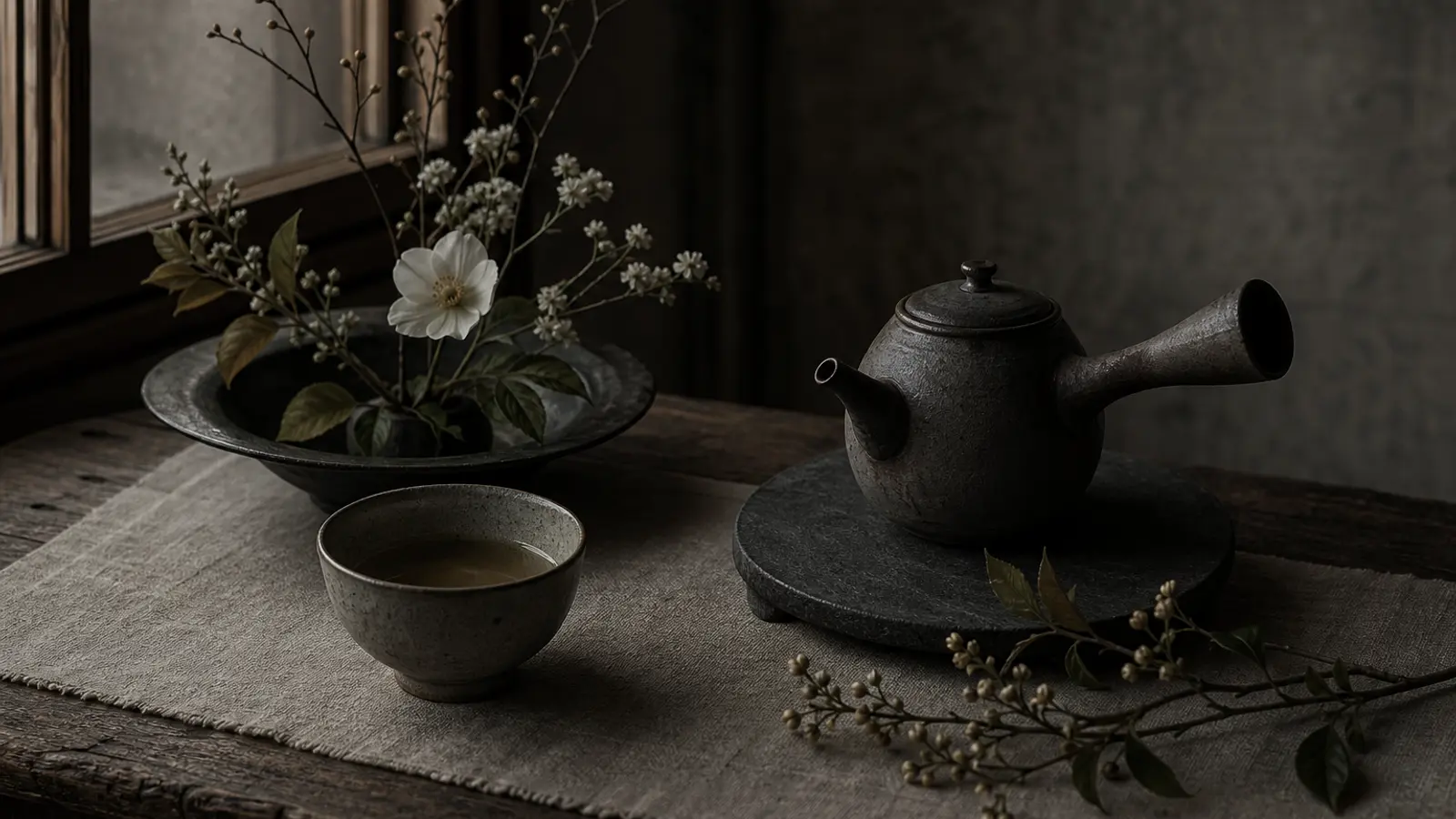
Korean tea ceremony is distinct from both Chinese gongfu cha and Japanese chanoyu. Where Chinese gongfu emphasizes extracting maximum flavor through precise technique, and Japanese chanoyu codifies movement into choreographed ritual, Korean darye emphasizes seasonal harmony, simplicity, and mindfulness. The act of making tea IS the practice — not a performance, not a competition, but a quiet conversation between the maker and the moment.
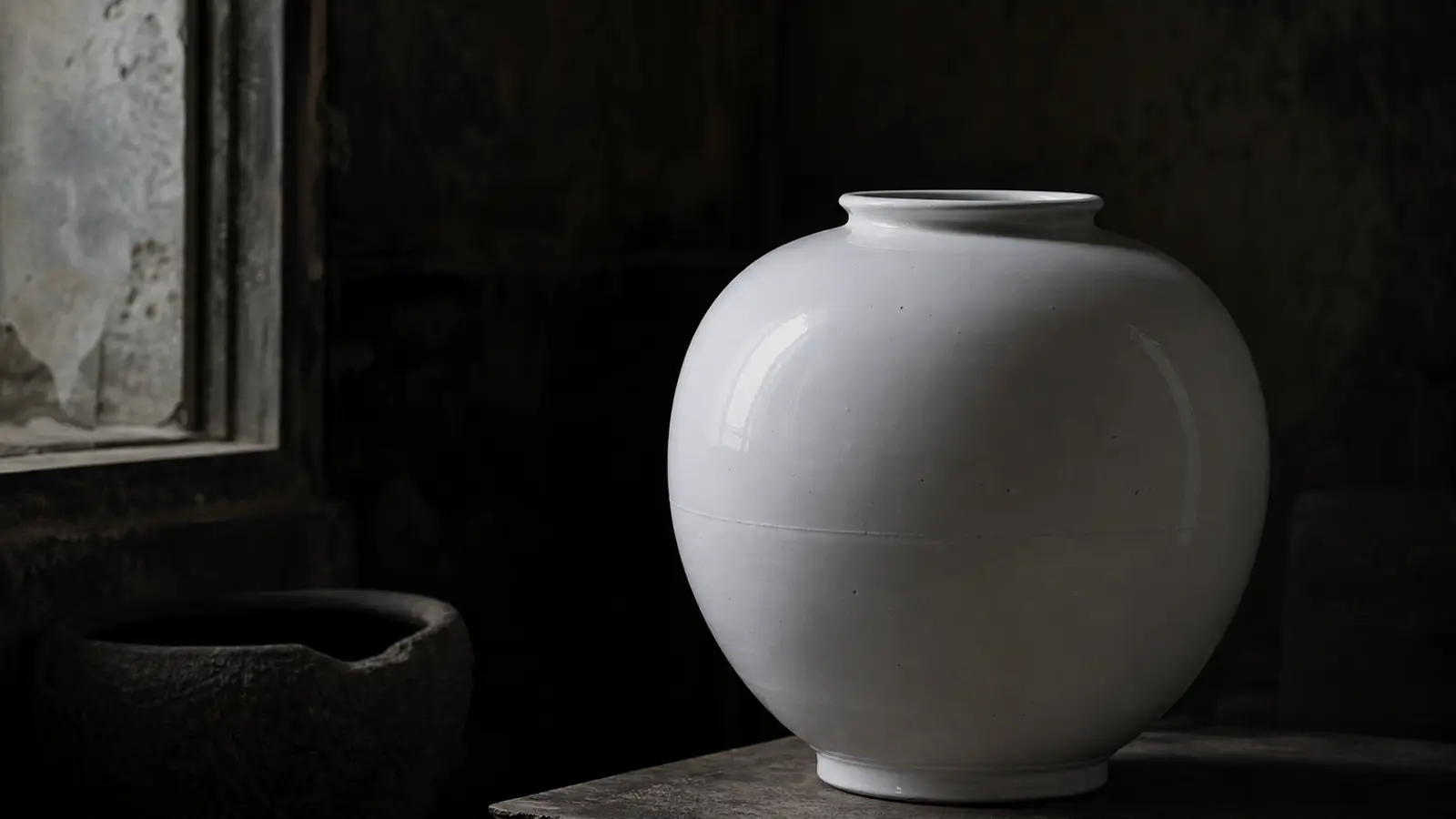
The aesthetic philosophy underlying darye is 소박함 (sobakham) — understated simplicity. This same philosophy informs the moon jar (달항아리), Korea's most iconic ceramic form, which embodies beauty through imperfect roundness, deliberate asymmetry, and pure white restraint.
Why Korea Matters on a Tea Site
Korea is not the largest tea-producing country. It is not the oldest. It does not dominate any global market category.
But Korea produced the pottery that defined Japanese tea aesthetics. Korea preserved tea ceremony traditions through centuries of cultural upheaval. Korea's modern artisan potters create teaware with a depth of craft and philosophical grounding that factory production cannot replicate. And Korean tea — particularly wild-grown Hadong 야생차 and volcanic Jeju green — offers flavor profiles unavailable from any Chinese or Japanese origin.
For Steep Atlas, Korea is not a side project. It is a core thesis: that the most interesting things in tea happen at the edges of the map, in the places the mainstream hasn't fully documented yet. Korea is one of those places. This section maps it.
Frequently Asked Questions
-
Korean tea (한국차) is primarily green tea (녹차, nokcha) produced in three regions: Boseong, Hadong, and Jeju. Korean green tea is pan-fired rather than steamed, producing a roasted chestnut character distinct from Japanese green tea. Korea also produces hwangcha (황차, yellow tea) and hongcha (홍차, red tea). Tea cultivation dates to the 9th century.
-
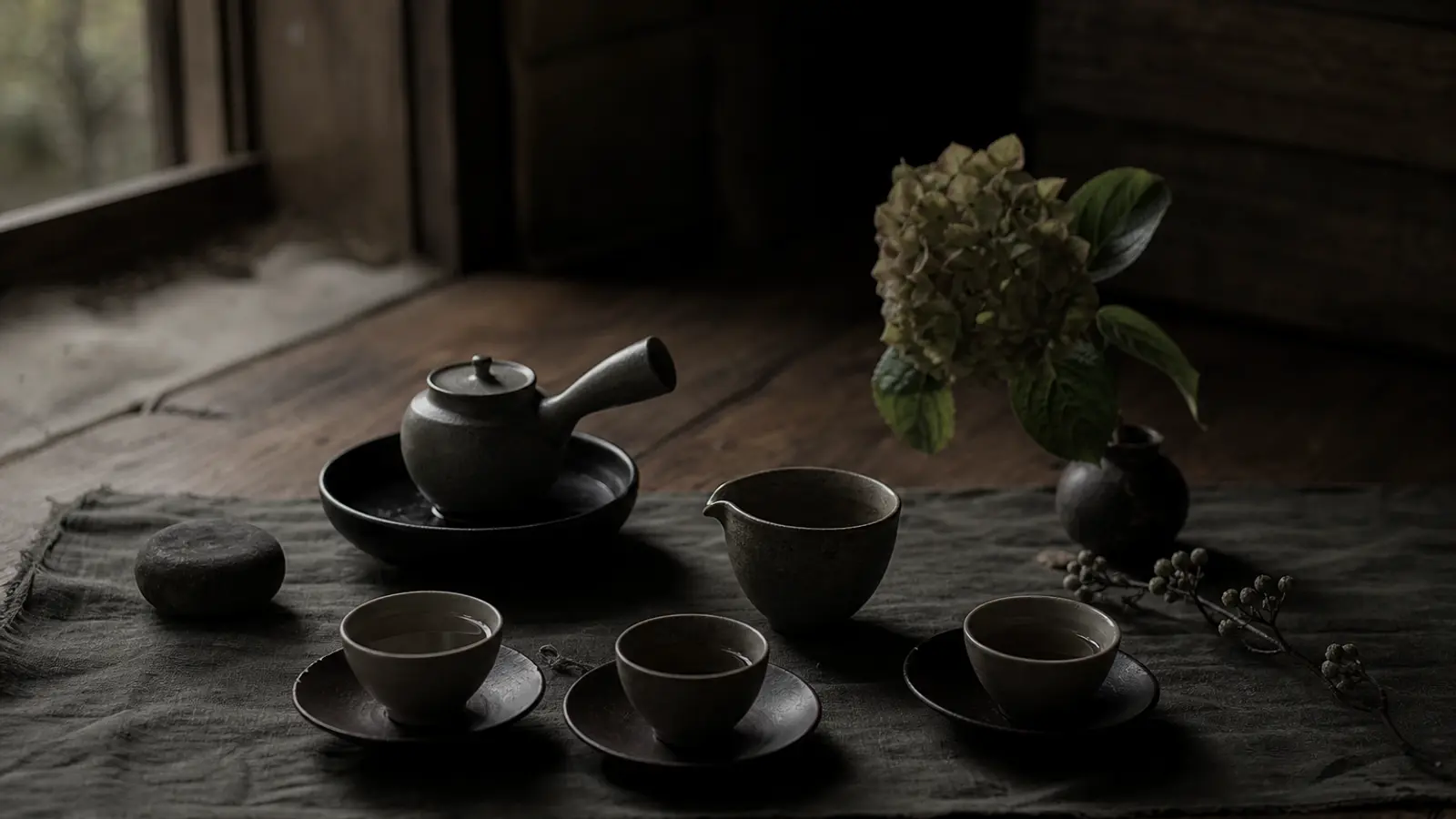
Korean teaware includes the gaewan (개완, Korean gaiwan), dawan (다완, tea bowl), dagwan (다관, side-handle teapot), sugu (숙우, fairness pitcher), and chatjan (찻잔, teacup). The three ceramic traditions are celadon (청자), buncheong (분청사기), and white porcelain (백자).
-
Yes. Korean gaewan work well for gongfu brewing, offering thicker walls for different heat retention and semi-porous clay bodies that season over time. Korean teaware occupies a middle ground between Chinese porcelain neutrality and Yixing seasoning properties.
-
Korean tea ceremony is called darye (다례). It emphasizes seasonal harmony, simplicity, and mindfulness. The underlying philosophy is sobakham (소박함) — understated simplicity — which also informs Korean ceramic aesthetics.
-
Korean teaware is available from specialist Korean ceramic platforms that offer international shipping, contemporary gallery sites, and heritage pottery houses. Entry artisan pieces start around $35-70. Korean forwarding services handle shops that don't ship internationally.
All Korean Content