Korea hosts three major pottery festivals annually — each with a different focus and character — offering direct access to hundreds of working potters and the opportunity to buy directly from the makers. No gallery markup, no intermediary, no guesswork about provenance. These are the events where serious collectors plan their Korean trips, and where a first-time visitor can walk away with a tea bowl that will last generations.
This guide maps all three festivals with the practical detail you need to plan a real trip: dates, travel times from Seoul, what to expect on the ground, and how to make the most of limited time.
The Three Major Korean Pottery Festivals at a Glance
Before going deep on each, here is the full comparison in one place.
| Festival | Location | Timing | Focus | Seoul Access | Scale |
|---|---|---|---|---|---|
| Icheon Ceramics Festival (이천도자기축제) | Icheon, Gyeonggi Province | May (2–3 weeks) | Full ceramics tradition | 1–1.5 hours | Largest |
| Gangjin Celadon Festival (강진청자축제) | Gangjin, South Jeolla Province | July–August | Celadon specifically | 4–5 hours | Smallest, deepest history |
| Mungyeong Traditional Pottery Festival (문경전통찻사발축제) | Mungyeong, North Gyeongsang Province | Late April – Early May | Tea bowls (사발/다완) | 2.5–3 hours | Tightly focused |
Icheon Ceramics Festival (이천도자기축제)
What It Is
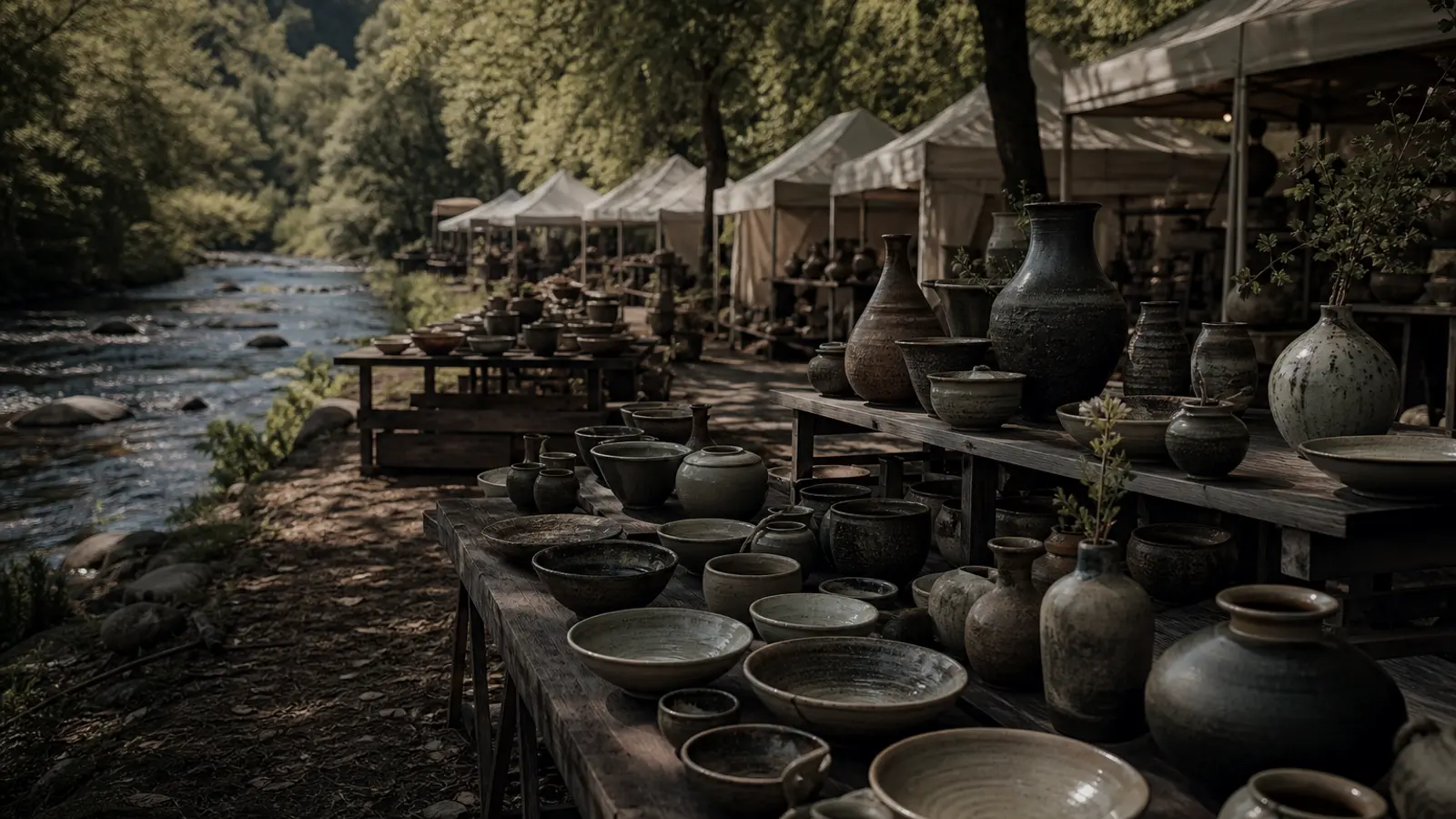
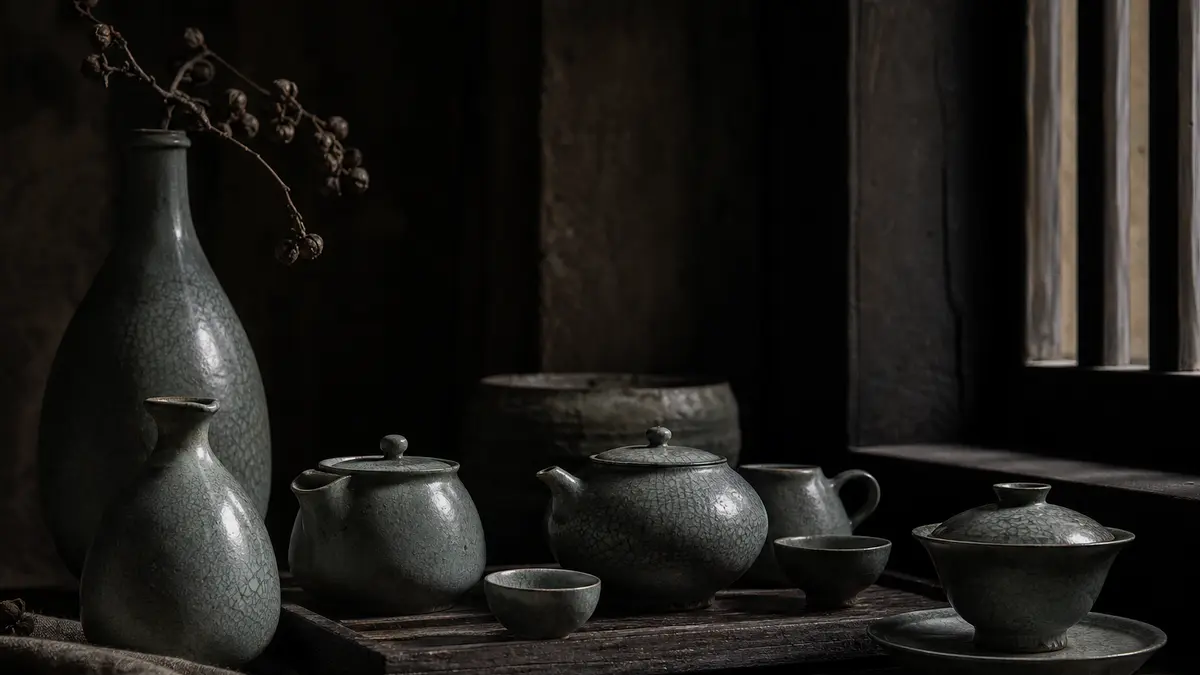
Icheon (이천) has been Korea’s dominant ceramics city for centuries, and its annual festival is the largest ceramics event in the country by any measure. Over 300 participating studios set up across the festival grounds during a run that typically spans two to three weeks in May. Working kilns fire during the event itself — you can watch pieces come out of anagama-style wood kilns and gas kilns while the ash settles. Gallery exhibitions, demonstration firings, and direct sales all run simultaneously.
If you want a comprehensive survey of contemporary Korean ceramics — white porcelain (백자 baekja), celadon (청자 cheongja), buncheong (분청사기), tea ware, decorative work, functional stoneware — Icheon is the place. The breadth can be overwhelming in the best way.
Practical Details
When: May, typically running two to three weeks. Exact dates shift year to year; confirm via the Icheon City official tourism portal or the Korea Tourism Organization website before booking.
Where: Centered around the Icheon Ceramic Village (이천도예촌) and the World Ceramic Center (세계도자기엑스포).
Getting there from Seoul: This is the most accessible of the three festivals. Express buses depart regularly from Seoul’s Gangnam Express Bus Terminal (강남고속버스터미널) and East Seoul Bus Terminal (동서울터미널). Journey time is roughly 1 to 1.5 hours depending on traffic. A rental car adds flexibility if you want to visit studio villages outside the main festival grounds.
What to budget: Festival pricing typically runs 10–20% below gallery retail. Pieces range from a few dollars for small functional items to several hundred USD for signed work by established masters. Come with cash as backup even if cards are accepted widely — some individual potters at smaller stalls prefer it.
Strategy
The best pieces sell fast. If you have a specific style or potter in mind, arrive on opening weekend. Serious Korean collectors know this and act accordingly. Walking the full grounds before buying anything on day one is useful for calibration — prices and quality vary significantly across 300+ studios, and a reference point helps.
Gangjin Celadon Festival (강진청자축제)
What It Is
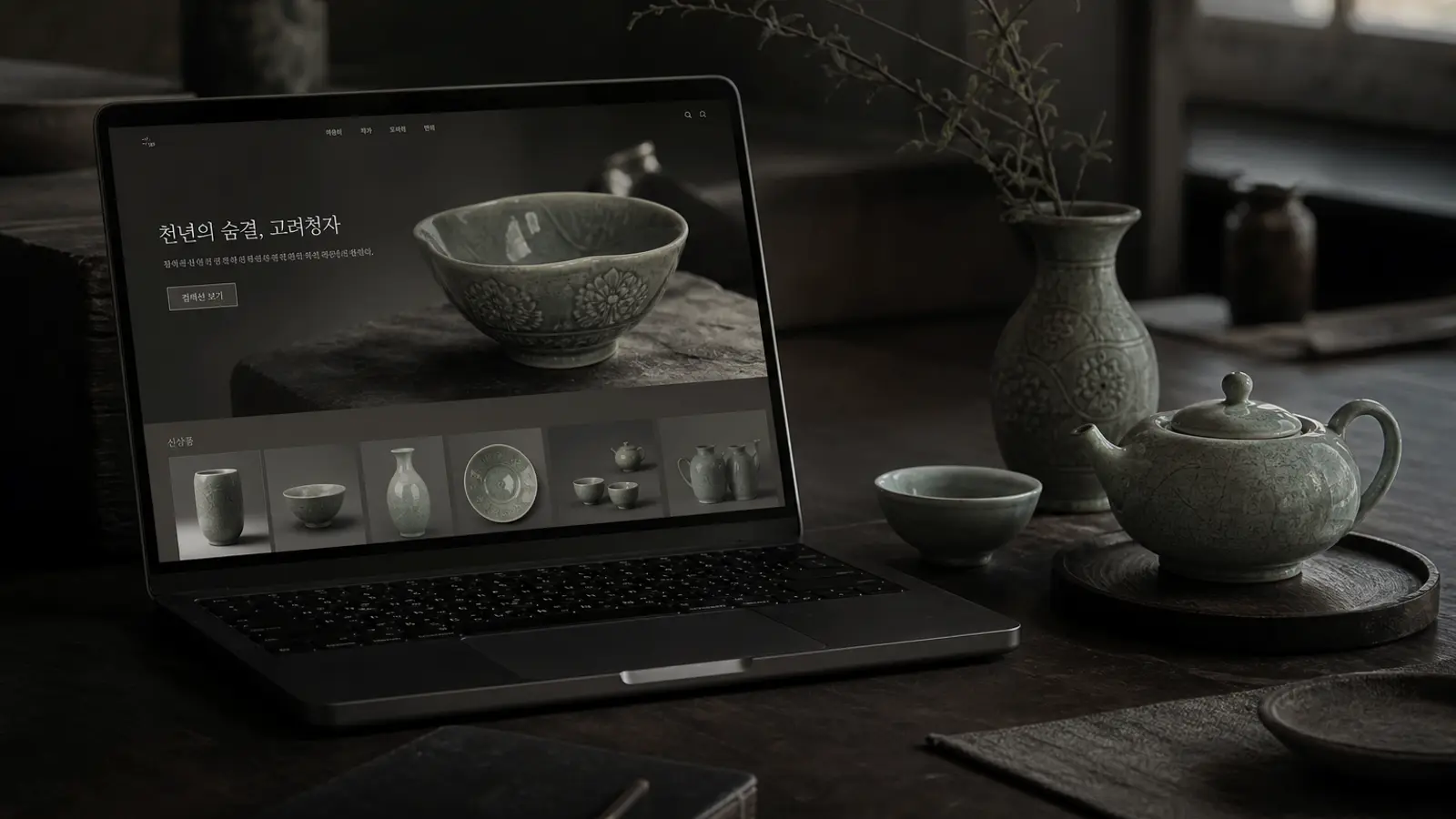
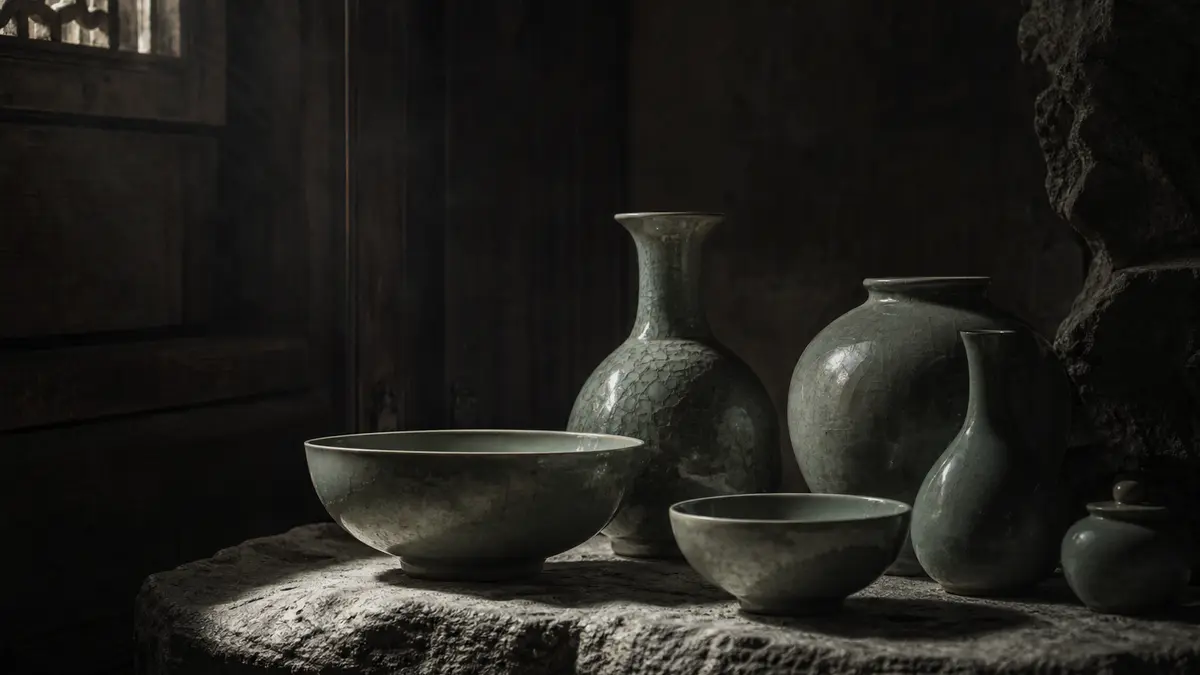
Gangjin (강진) in South Jeolla Province is where Korean celadon reached its apex during the Goryeo dynasty (918–1392 CE). The kilns at Sadang-ri produced the celadon pieces now in Korea’s national museums — the jade-green glazed work that defined an era. The annual festival held here in summer is smaller than Icheon but considerably more historically grounded.
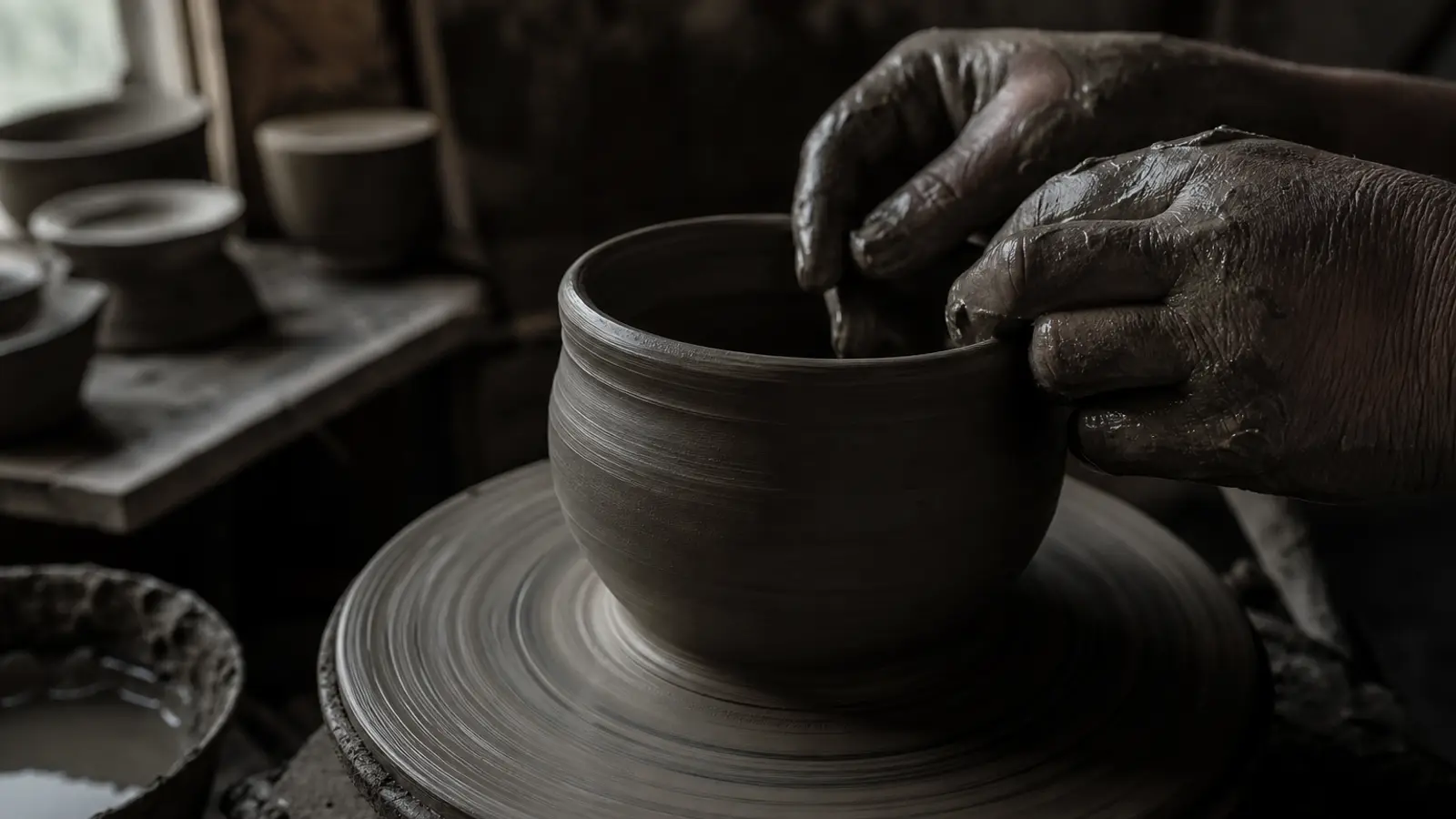
Kiln site tours connect contemporary production to the actual archaeological heritage underfoot. Workshops let participants engage with celadon-making processes firsthand. For anyone interested specifically in the lineage of Korean ceramics rather than just its current output, Gangjin carries a resonance the other festivals cannot match.
Practical Details
When: July to August. Specific timing varies; the summer scheduling makes this a different kind of trip than the spring festivals — warmer, more humid, but the kiln sites and museum context work in any weather.
Where: Centered around the Gangjin Celadon Museum (강진청자박물관) and the surrounding kiln heritage sites at Sadang-ri.
Getting there from Seoul: This is the longest journey of the three — approximately 4 to 5 hours by bus or car. Buses run from Seoul’s Central City Bus Terminal (센트럴시티터미널) in Gangnam. Combining Gangjin with a broader South Jeolla trip makes geographic sense; the region’s food culture and coastal scenery reward extra days.
What to expect: A smaller, quieter festival. Fewer studios, deeper focus. The workshop programming here tends to be more structured and educational than at Icheon. If you want to understand why Korean celadon looks and feels the way it does — the iron content in the clay, the reduction firing, the distinctive glaze chemistry — Gangjin is where that education happens.
Mungyeong Traditional Pottery Festival (문경전통찻사발축제)
What It Is
Mungyeong (문경) hosts the most narrowly focused of the three festivals, and that focus is its strength. The entire event centers on the tea bowl: 사발 (sabal, the broad Korean term for bowl) and specifically 다완 (dawan, the tea bowl used in tea ceremony). This is not a general ceramics fair. It is a gathering of potters who have dedicated their practice to one of the most demanding and philosophically loaded forms in all of East Asian ceramic history.
The mountain setting — Mungyeong sits in a valley in North Gyeongsang Province with peaks rising around it — reinforces the contemplative atmosphere. This is terrain where tea culture (다례 darye) and the physical objects of tea practice feel continuous with each other rather than commercially separated.
Many of the potters here work in the styles that fed directly into Korean tea ceremony traditions, some tracing lineages to the kilns that supplied Joseon-era 茶道 (dado) practitioners. The bowls they make now are used in active practice, not displayed behind glass.
Practical Details
When: Late April to early May. This is the critical scheduling detail: Mungyeong and Icheon overlap during this window, making a combined trip feasible.
Where: In and around Mungyeong’s old town and surrounding mountain areas. The festival uses multiple sites rather than a single centralized ground.
Getting there from Seoul: Approximately 2.5 to 3 hours by bus or car. Buses depart from Seoul’s Dong Seoul Bus Terminal and Central City Terminal. The road through the mountains is straightforward by car.
For tea people specifically: If you practice Korean tea ceremony, Japanese 道 (chado), or any bowl-centered tea tradition, this is the festival that speaks most directly to your practice. You will handle pieces made by potters who understand how a bowl sits in the hand during a session, how the foot ring meets a tatami or a wooden tray, how the interior glaze affects the color of brewed tea. That specificity shows in the work.
Planning a Combined Trip
The Late April – May Window
Late April through May is the most efficient window for a pottery-focused Korea trip. Mungyeong runs late April to early May; Icheon runs through most of May. A five-day trip covering both is logistically reasonable from a Seoul base.
A workable structure:
- Days 1–2: Mungyeong. Arrive opening weekend for first selection of tea bowls. Take the mountain air. Attend a kiln demonstration if scheduled.
- Day 3: Return to Seoul or transit toward Icheon.
- Days 4–5: Icheon Ceramics Festival. Use the broader context to fill out your collection with styles you didn’t find in Mungyeong — buncheong, porcelain, decorative pieces.
Adding Gangjin requires a separate trip, ideally in summer when the celadon festival runs and South Jeolla’s other attractions justify the longer journey south.
Buying and Carrying Pottery Home
Festival pricing typically runs 10–20% below gallery retail, which on a significant piece represents real money. A few practical notes:
- Best pieces sell early. Arrive opening weekend at both Mungyeong and Icheon.
- Pack carefully. Bring bubble wrap or plan to buy it locally. Most potters will wrap pieces for you, but heavy wrapping materials are your responsibility on the journey home.
- Cash and card. Both are accepted, but have cash available for smaller vendors.
- Know airline rules. Ceramic pieces can go in checked luggage well-wrapped, or in carry-on if small enough. A single dawan in a padded bag usually clears security without issue.
Language
All three festivals are accessible to non-Korean speakers. Signage at Icheon increasingly includes English. At smaller venues like Mungyeong, translation apps fill most gaps, and many younger potters have some English. Knowing a handful of Korean terms — 청자 (cheongja, celadon), 백자 (baekja, white porcelain), 분청 (buncheong), 다완 (dawan, tea bowl), 사발 (sabal, bowl) — signals genuine interest and tends to open conversations.
Why These Festivals Matter
Korean pottery festivals are not craft fairs in the generic sense. They are points of direct contact with a living tradition that runs from the Goryeo dynasty through to potters firing this week. The pieces you buy at Mungyeong or Icheon carry that lineage in their clay body, their glaze, their form.
For anyone seriously interested in Korean teaware — the bowls used in 다례 (darye), the feeling (향 hyang, literally fragrance but used broadly to describe a piece’s presence) that distinguishes a masterwork from competent production — there is no substitute for holding hundreds of pieces over a few days and developing your own calibration. These festivals make that possible in a way that no gallery or online purchase can replicate.
Plan around the late April to May window. Arrive early in the festival run. Buy what speaks to your practice, not what photographs well.