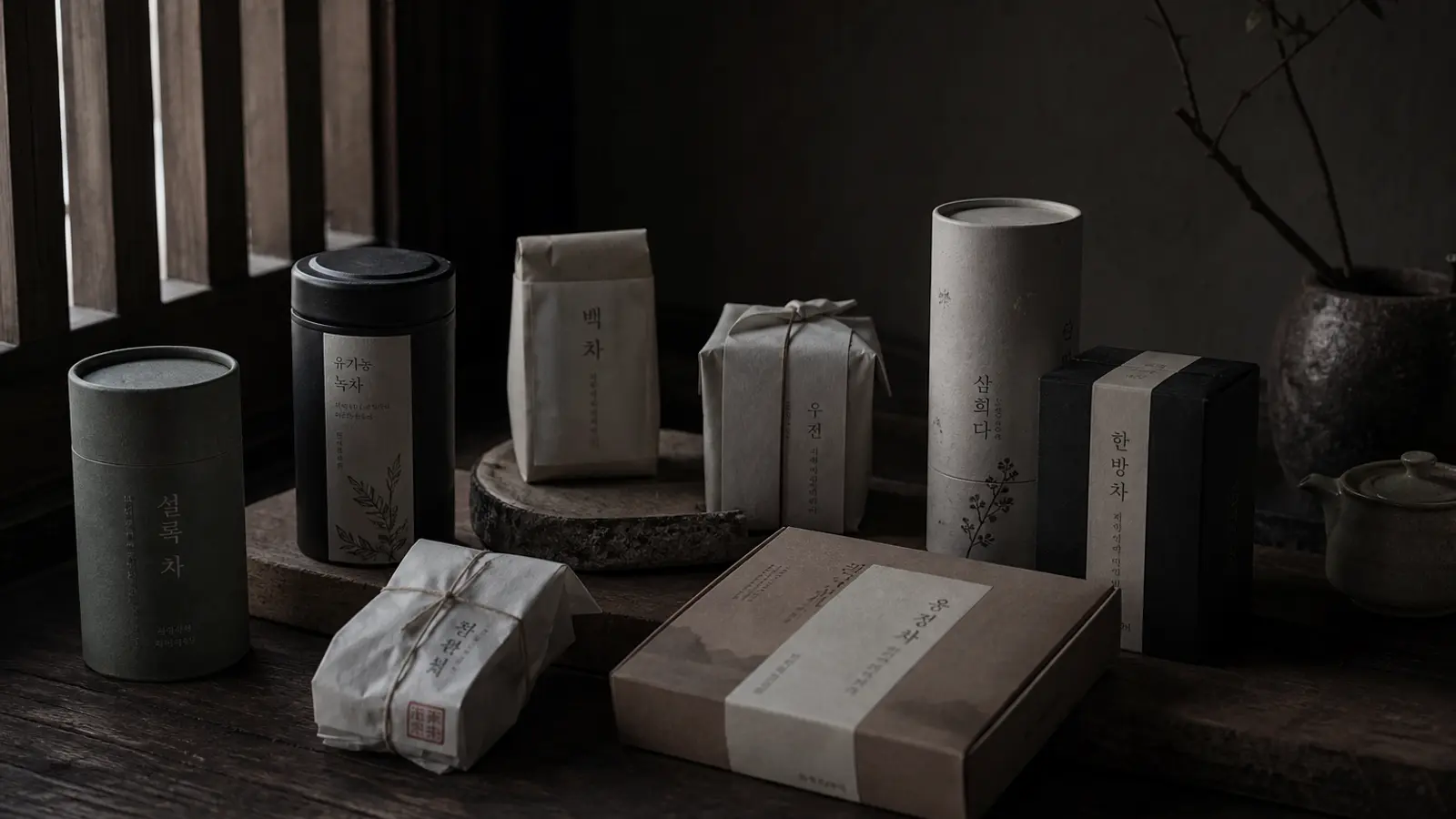
If you want to buy Korean tea online, you face a problem that has nothing to do with taste: the best tea is on the other side of a language barrier. Korean domestic e-commerce offers extraordinary selection and fair pricing. International options exist but are narrower and more expensive. This guide won’t hand you a list of links to click. Instead, it teaches you what to look for — the harvest grades, processing methods, origin markers, and price benchmarks that separate a memorable cup from a forgettable one — so you can evaluate any source you find with confidence.
Korean tea (한국차, hangukcha) occupies a singular position in the tea world. The volumes are tiny compared to China, Japan, or India. The best producers are artisans working small plots, often in mountainous terrain, selling primarily to Korean-speaking customers. That constraint is also the appeal. When the tea is good, it’s unlike anything else: roasted chestnut, toasted grain, sweet vegetal depth, and a clarity that rewards slow, attentive drinking.
Understanding Korean Tea Harvest Grades
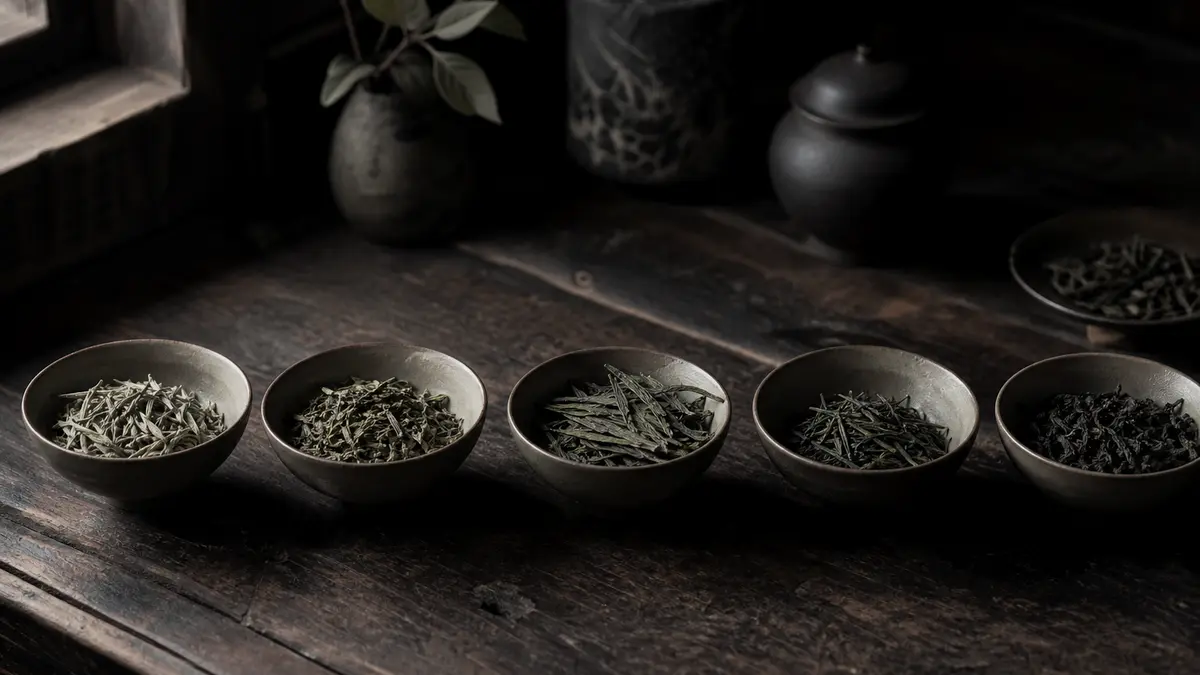
Before you spend a dollar, learn the grade system. Korean green tea is classified by harvest timing, and this single variable drives more price and quality variation than almost any other factor. The Korean grading system uses poetic names tied to the traditional agricultural calendar.
우전 (Ujeon) — Before the Rain
Ujeon translates literally to “before the rain” and refers to leaves picked before Gogu (곡우), the “grain rain” solar term that typically falls around April 20. These are the first buds of spring — tiny, concentrated, and labor-intensive to harvest. Ujeon is the most precious Korean tea grade, analogous to a first-flush Darjeeling or a Grand Cru Burgundy in terms of its scarcity premium and the attention it commands.
Expect to pay $80–$200 per 50g for artisan ujeon, and $120–$250 per 50g for wild-grown Hadong ujeon. At these prices, you’re paying for extreme seasonality and hand-processing in small batches.
세작 (Sejak) — Slender Sparrow
Sejak means “slender sparrow” — the leaves are small but slightly more developed than ujeon, harvested roughly from late April through early May. This is the grade I recommend as your entry point into Korean tea. Sejak delivers the full spectrum of Korean green tea character — the roasted chestnut notes, the sweetness, the lingering huigan (回甘) — at a price point ($25–$50 per 50g) that reflects genuine craft without the scarcity premium.
Think of sejak as village-level Burgundy from a good producer: it expresses place, variety, and skill, and you can drink it regularly without financial anxiety.
중작 (Jungjak) — Medium Sparrow
Jungjak represents leaves harvested in mid-to-late May, larger and more developed than sejak. This is solid daily-drinking tea, usually in the $10–$25 per 50g range. The flavor profile is broader, sometimes slightly more astringent, with less of the concentrated sweetness found in earlier harvests. A good jungjak from a skilled producer can be genuinely satisfying — just don’t expect the finesse of sejak.
대작 (Daejak) — Big Sparrow
Daejak is the latest and most affordable harvest, picked in June or later. Leaves are large, flavor is less nuanced, and prices drop to $5–$15 per 50g. This is the grade most commonly found in commercial blends and mass-market Korean tea products. It serves a purpose — casual drinking, iced tea, everyday cups — but it won’t show you what Korean tea is capable of.
The rule is simple: always check the grade. If a listing doesn’t specify ujeon, sejak, jungjak, or daejak, be cautious. Ambiguity in grading often correlates with lower quality or blended harvests.
Processing Method: Pan-Fired vs. Steamed
The second critical variable is how the tea was processed. This determines whether your Korean green tea tastes distinctly Korean or like a cousin of Japanese sencha.
덖음 (Deokkeum) — Pan-Fired
Pan-firing (덖음, deokkeum) is the traditionally Korean method. Fresh leaves are tossed repeatedly in a heated iron pan or cauldron, a process that halts oxidation while imparting a distinctive toasty, nutty character. The best pan-fired Korean teas carry notes of roasted chestnut, toasted rice, and a sweet warmth that lingers in the throat.
This is the processing method that defines the category. When tea people talk about what makes Korean green tea different from Chinese longjing or Japanese gyokuro, they’re usually talking about the character that deokkeum produces. Seek it out.
Pan-fired processing is also more variable than steaming. Each producer’s hand, timing, and heat management leaves a signature. Two sejak teas from neighboring plots in Hadong, both pan-fired, can taste meaningfully different. That variability is part of the appeal — and part of why origin specificity matters.
증제 (Jeungje) — Steamed
Steamed processing (증제, jeungje) was adopted from Japanese methods and produces a greener, more vegetal cup. Korean steamed teas tend to be cleaner and more uniform but less distinctive. They sit closer to sencha on the flavor spectrum — bright, grassy, marine — and farther from the roasted character that makes Korean tea unique.
Steamed Korean green tea isn’t bad. Some producers do it well, and it has a loyal following. But if you’re spending the premium that Korean tea commands over Japanese or Chinese alternatives, you should be getting something you can’t find elsewhere. Pan-fired deokkeum delivers that difference.
When browsing listings, look for 덖음 or “pan-fired” in the description. If the processing method isn’t stated, the tea is more likely steamed or machine-processed.
Origin Specificity: Where the Tea Grows Matters
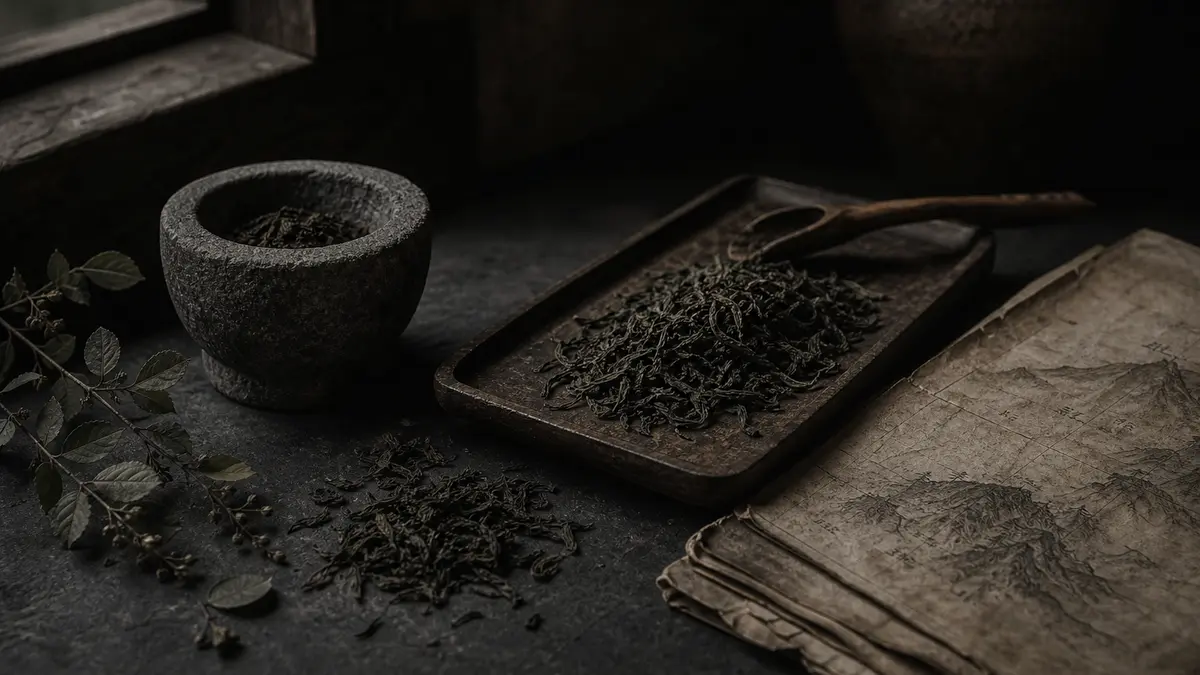
Korean tea production concentrates in the southern part of the peninsula, where winter temperatures are mild enough for Camellia sinensis to survive. Two regions dominate, and they produce distinctly different teas.
Hadong (하동) — Wild-Grown and Artisan
Hadong County in South Gyeongsang Province is the historic heart of Korean tea. The Jiri Mountain (지리산) foothills harbor wild and semi-wild tea trees — yasaeng-cha (야생차) — some descended from plantings that date back over a thousand years. The terrain is steep, the plots are small, and the picking is done by hand.
Wild-grown Hadong tea (하동 야생차) represents the pinnacle of Korean tea. The wild trees produce smaller leaves with more concentrated flavor compounds, and the mountain terroir — elevation, soil, mist — adds complexity that plantation tea rarely matches. If Korean tea has a Grand Cru, it’s here.
The tradeoff is price and availability. Hadong yasaeng-cha ujeon can command $120–$250 per 50g, and quantities are genuinely limited. Even sejak from good Hadong producers is at the upper end of the sejak price range.
Boseong (보성) — Plantation Scale
Boseong County in South Jeolla Province is Korea’s largest tea-producing region, famous for its photogenic rows of hedged tea bushes. Production here is more systematic — clonal cultivars, organized plantations, and a mix of hand and machine harvesting.
Good Boseong tea is clean, consistent, and well-made. It typically costs less than Hadong equivalents and is easier to source. For someone building familiarity with Korean tea, a quality Boseong sejak is an excellent starting point.
The Origin Hierarchy
As a general rule, specificity of origin correlates with quality and price:
- Hadong yasaeng-cha (wild-grown) — highest quality potential, highest price
- Boseong or Hadong plantation tea with named producer — reliably good, moderate-to-high price
- “Korean green tea” with no further specifics — variable quality, approach with caution
A listing that names the village, the producer, and the harvest date is telling you something valuable: that someone along the supply chain cares enough to provide traceability. A listing that says only “Korean green tea” is often a blend or a commercial product where origin is secondary to branding.
Freshness: Check the Harvest Date
Korean green tea is best consumed fresh — within 12 months of harvest. This is not pu-erh (普洱茶). Korean green tea does not improve with age. The delicate aromatics, the chestnut sweetness, and the bright vegetal notes all diminish over time.
Always check the harvest year. A sejak from spring 2026 should be drunk by spring 2027 at the latest. Tea from the previous year sold at full price is a red flag. Some retailers discount prior-year harvests, which can be a reasonable value if the price reflects the age — but freshness matters for flavor.
Store your Korean tea sealed, away from light, heat, and moisture. A sealed foil pouch in a cool cupboard works. Refrigeration is acceptable if the tea is vacuum-sealed, but repeatedly opening cold-stored tea invites condensation and staleness.
Price Benchmarks for Korean Tea
Korean tea is expensive relative to Chinese or Japanese teas of similar grade. Small production volumes, high labor costs, and limited arable land all contribute. Here are the ranges I use as benchmarks:
| Grade | Typical Price (per 50g) | Notes |
|---|---|---|
| Daejak (대작) | $5–$15 | Commercial, daily drinking |
| Jungjak (중작) | $10–$25 | Solid everyday grade |
| Sejak (세작) | $25–$50 | Premium everyday, best entry point |
| Artisan Ujeon (우전) | $80–$200 | Scarcity premium, special occasions |
| Wild-grown Hadong Ujeon | $120–$250 | Peak Korean tea, very limited |
These are international retail prices. Korean domestic prices are generally 20–40% lower for equivalent teas, which is one of the strongest arguments for navigating Korean-language sourcing channels if you can.
If you find a “Korean ujeon” for $20 per 50g, something is wrong. Either the grading is inaccurate, the tea is old, or it’s not what it claims to be. Price doesn’t guarantee quality, but dramatically low prices for premium grades should trigger skepticism.
The Sourcing Landscape
Korean-Language E-Commerce
Korean online platforms offer the widest selection and the best prices. The challenge is obvious: you need Korean language skills to navigate listings, communicate with sellers, and complete purchases. Product descriptions are detailed, but they’re in Korean. Reviews are abundant, but they’re in Korean. Payment systems sometimes require Korean bank accounts or phone numbers.
This is the access barrier, and it’s real.
Korean Retailers with International Shipping
A smaller number of Korean specialty tea retailers offer English-language websites and international shipping. Selection is narrower than what’s available domestically, and prices carry an export premium. But the convenience is significant, and the better retailers are transparent about grades, origins, and processing methods.
Korean Forwarding Services (배대지, Baedaeji)
Forwarding services accept domestic Korean deliveries at a Korean warehouse address and reship them internationally. This bridges the gap for platforms that only ship within Korea. Expect to add $10–$20 in forwarding fees per shipment depending on weight and destination. The process requires some logistical comfort — you’re essentially adding a middleman in the shipping chain — but it opens access to the full Korean domestic market.
A Note on Osulloc (오설록)
Osulloc, the tea subsidiary of Amorepacific (the Korean cosmetics conglomerate), dominates Korean tea retail and is the most internationally visible Korean tea brand. Their products are widely available, consistently made, and attractively packaged. For many non-Korean tea drinkers, Osulloc is Korean tea.
The tea is fine. Consistent quality, clean processing, pleasant flavors. But pricing reflects heavy branding, marketing, and retail infrastructure rather than raw material quality alone. At comparable or even lower prices, artisan producers — especially in Hadong — offer more distinctive character, more terroir expression, and more of the roasted chestnut depth that makes Korean tea worth seeking out.
The tradeoff: artisan producers are harder to find and almost always require Korean-language navigation. Osulloc is easy. Ease has value, especially for a first purchase. Just understand what you’re paying for.
How to Evaluate a Korean Tea Listing
Whether you’re browsing a Korean-language marketplace or an English-language specialty retailer, here’s what to check:
- Grade specified — ujeon, sejak, jungjak, or daejak. If missing, ask or move on.
- Processing method stated — look for 덖음 (pan-fired) or 증제 (steamed). Pan-fired is more distinctively Korean.
- Origin named — Hadong, Boseong, Jeju, or another specific region. The more specific, the better.
- Wild-grown or plantation — 야생 (yasaeng, wild) commands a premium for good reason.
- Harvest date visible — current year is ideal, previous year is acceptable if priced accordingly.
- Producer identified — a named maker is more trustworthy than an anonymous blend.
- Price within expected range — refer to the benchmarks above. Outliers in either direction deserve scrutiny.
Not every listing will hit all seven points. But the more boxes checked, the more confidence you can have in what you’re buying.
Your First Korean Tea Purchase
If I were advising someone on their first Korean tea purchase, the recommendation would be straightforward: a pan-fired sejak from either Hadong or Boseong, current harvest year, from a source that specifies all of the above.
Sejak is the sweet spot. It’s expensive enough that producers take it seriously but affordable enough to drink without rationing. Pan-firing gives you the authentic Korean flavor profile — the roasted chestnut, the toasted grain sweetness, the gentle astringency that resolves into lingering sweetness. And a current harvest ensures you taste the tea at its peak.
Brew it Korean-style in a small pot or bowl at 70–75°C, 3–4g per 150ml, steeping 60–90 seconds for the first infusion. Or use a gaiwan (蓋碗) if that’s your comfort zone. The tea is forgiving. Pay attention to the aftertaste — the way sweetness builds in the throat over successive steeps is one of the signatures of well-made Korean green tea.
If that sejak speaks to you — if the character feels different enough from Chinese and Japanese greens to justify the price — then you can start exploring: a Hadong yasaeng-cha for the wild terroir expression, an ujeon for the spring-bud intensity, a jungjak for the daily rotation.
Building Your Korean Tea Access
The honest truth about sourcing Korean tea: the best access requires Korean language skills. My coverage of Korean tea on Steep Atlas is possible because my wife handles Korean-language sourcing — reading product descriptions, communicating with producers, navigating domestic platforms. That access advantage shapes what I can write about and recommend.
I’m building a curated Korean tea sourcing guide to share that access more broadly. If you want to be notified when it launches, subscribe to the Steep Atlas newsletter.
In the meantime, use the framework in this guide. The grades, processing methods, origin markers, and price benchmarks work regardless of where you source. They’re the vocabulary you need to evaluate any Korean tea listing you encounter — whether it’s on a Korean-language marketplace, an English-language specialty site, or a forwarding service intermediary.
Korean tea rewards the effort of finding it. The volumes are small, the producers are dedicated, and the cup — when it’s right — offers something genuinely distinct in the world of tea. Learn what to look for, and the where takes care of itself.