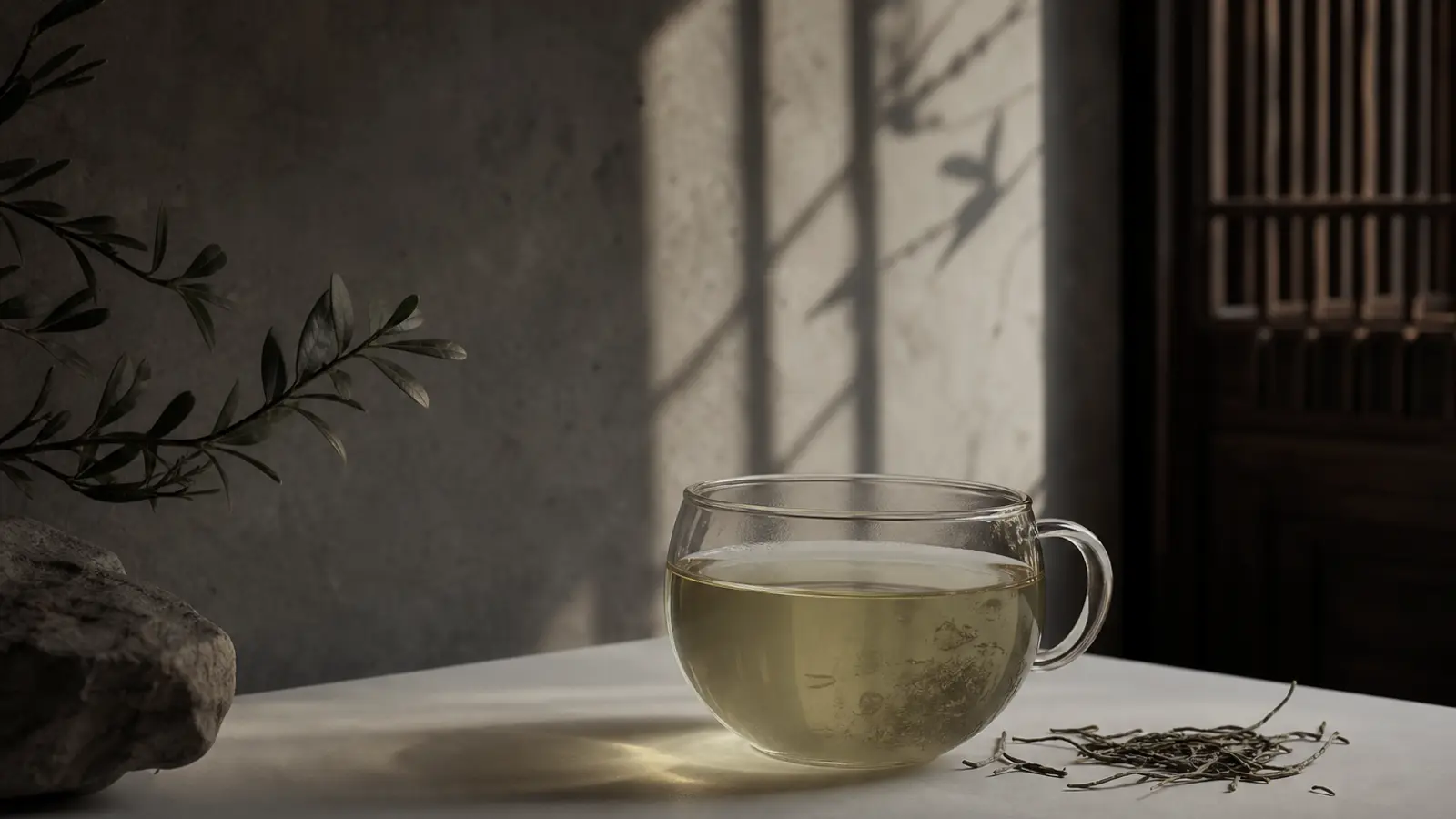
Korean green tea contains the same beneficial compounds as all Camellia sinensis teas — L-theanine for calm focus, EGCG for antioxidant activity — with the additional wellness dimension of the 다례 (darye) ritual practice that Korean tea culture uniquely emphasizes. But the full picture of korean tea health benefits is more nuanced than the supplement marketing world would have you believe, and this article is going to be honest about what the science actually supports.
I use a three-tier evidence framework here at Steep Atlas: Tier 1 is established, replicated, mechanistically understood. Tier 2 is promising but limited. Tier 3 is traditional or historical knowledge that hasn’t been clinically validated. You’ll see those distinctions throughout.
What’s in Korean Green Tea
Korean green tea — 녹차 (nokcha) — is made from Camellia sinensis leaves grown primarily in the Boseong (보성) and Hadong (하동) regions of South Korea. The leaves are processed using the pan-firing method called 덖음 (deokkeum), which uses dry heat to halt oxidation rather than the steam-fixation used in most Japanese green teas.
That processing difference matters for the compound profile. Pan-firing drives off some moisture quickly but preserves the catechin and polyphenol content at levels comparable to Chinese pan-fired greens. The resulting tea is slightly more grassy and roasted in character than Japanese steamed greens — and it contains the same fundamental family of bioactive compounds.
The key players:
- L-theanine — an amino acid unique to tea plants
- EGCG (epigallocatechin gallate) — the primary catechin in green tea
- Caffeine — present at moderate levels, typically 20–35mg per 150ml cup
- Other polyphenols — including EGC, ECG, and EC catechins
- Chlorophyll and vitamins — including vitamin C, though brewing leaches less than eating the whole leaf
L-Theanine and Calm Focus (Tier 1)
This is the most well-supported benefit of any green tea, including nokcha.
L-theanine crosses the blood-brain barrier and promotes alpha wave activity in the brain — the same brainwave state associated with relaxed alertness, the mental space between drowsy and anxious. Multiple double-blind studies have confirmed this effect at doses of 50–200mg, achievable from 2–4 cups of green tea.
Korean pan-fired green tea retains L-theanine at levels comparable to Chinese green teas. One meaningful distinction: because Korean shade-growing is less common than in Japan, Korean nokcha generally has a lower L-theanine-to-catechin ratio than Japanese gyokuro or matcha. Gyokuro is shaded for 20+ days before harvest, which suppresses catechin development and boosts L-theanine dramatically. Most Korean nokcha receives little or no shading.
This means Korean green tea gives you more antioxidant catechin activity per gram but somewhat less of the pure umami-calm profile that shade-grown teas deliver. Neither is superior — they’re different trade-offs.
The synergy between L-theanine and caffeine is also Tier 1 territory. Together they produce what researchers describe as “attentive calm” — the caffeine lifts cognitive performance without the jitter, because L-theanine blunts the anxiety response to caffeine. This is the compound behind why tea feels different from coffee of equivalent caffeine content.
EGCG and Korean Tea Antioxidants (Tier 1–2)
EGCG is the most studied polyphenol in food science. Its antioxidant activity — the ability to neutralize free radicals and reduce oxidative stress — is established at the mechanistic level (Tier 1). Whether that antioxidant activity translates to specific disease prevention in humans is where the evidence becomes Tier 2.
Korean green tea contains EGCG at levels broadly comparable to Chinese and Japanese green teas, typically in the range of 50–150mg per brewed cup depending on leaf quality, brewing temperature, and steep time. At 80°C for 2 minutes with 3g of leaf per 150ml, you’re extracting meaningful amounts.
The cardiovascular research on green tea polyphenols — modest reductions in LDL cholesterol, improvements in endothelial function, mild blood pressure effects — is Tier 2: promising, with several meta-analyses suggesting real effects, but most individual studies are small and confounded by diet and lifestyle variables. Korean researchers have published studies on locally produced nokcha showing cardiovascular marker improvements, but these studies are predominantly small-scale and not yet replicated at the population level.
Green tea’s antimicrobial properties, also documented in Korean research contexts, fall in the same Tier 2 category. EGCG has demonstrated antimicrobial activity in vitro (in lab settings), but clinical translation to human health outcomes is less clear.
The Darye Dimension: Ritual as Wellness Practice
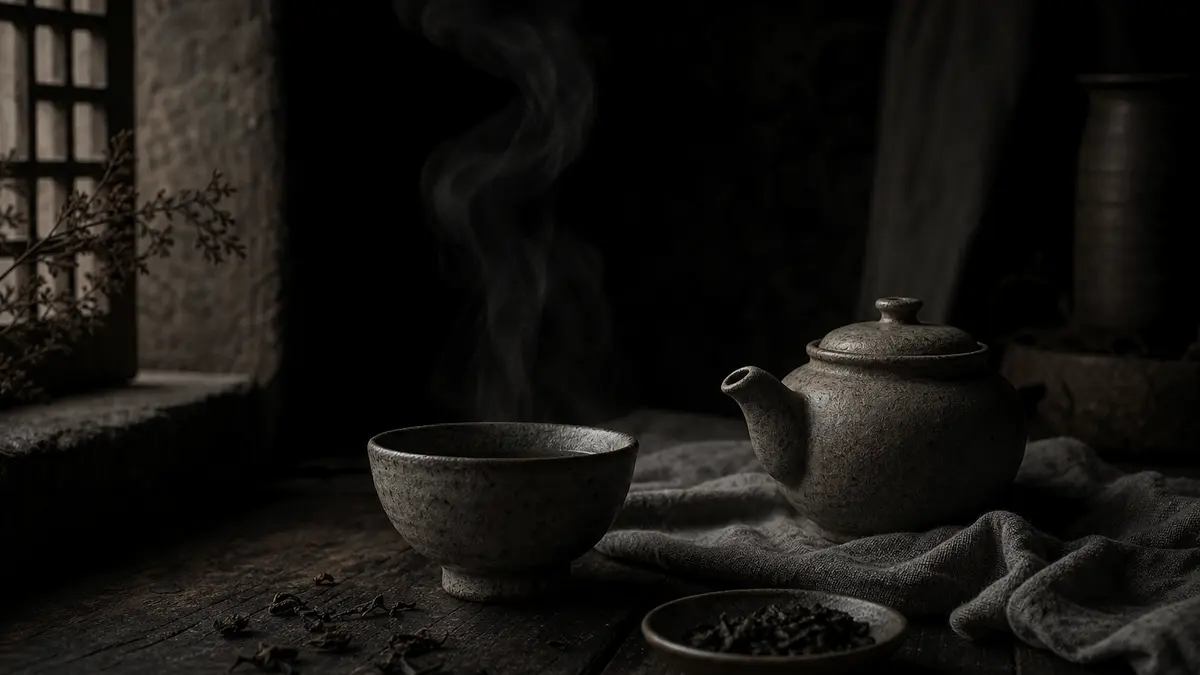
Here’s something the supplement world ignores entirely.
The traditional Korean tea ceremony — 다례 (darye), which translates roughly as “tea etiquette” or “the way of tea” — is a structured practice of deliberate attention. You heat water to a precise temperature, you observe the leaves, you pour slowly, you drink without distraction.
That behavioral structure functions as a mindfulness practice regardless of what’s in the cup. The evidence for mindfulness-based practices in stress reduction, cognitive function, and emotional regulation is Tier 1 — as solid as the L-theanine data. The darye ritual delivers this effect through structure rather than biochemistry.
This isn’t a soft claim. Two cups of nokcha consumed while scrolling your phone is a different experience — and likely a different health intervention — than two cups consumed in a deliberate slow preparation. The ritual is part of the medicine, in the traditional 한방 (hanbang) sense of the word.
Traditional Korean Medicine Perspective (Tier 3)
Korean traditional medicine, hanbang, has valued green tea for centuries as a digestive aid, a clarifying beverage for mental fatigue, and a companion to meditation practice. Joseon-era texts document nokcha’s use in both ceremonial and therapeutic contexts.
This is historical knowledge, not clinical validation. I list it at Tier 3 not to dismiss it — traditional use data often leads researchers toward real biological effects — but to be accurate about what we know versus what we observe. Generations of Korean practitioners found value in this practice. The clinical mechanisms remain incompletely mapped.
Korean Fermented Tea: Tteok-cha
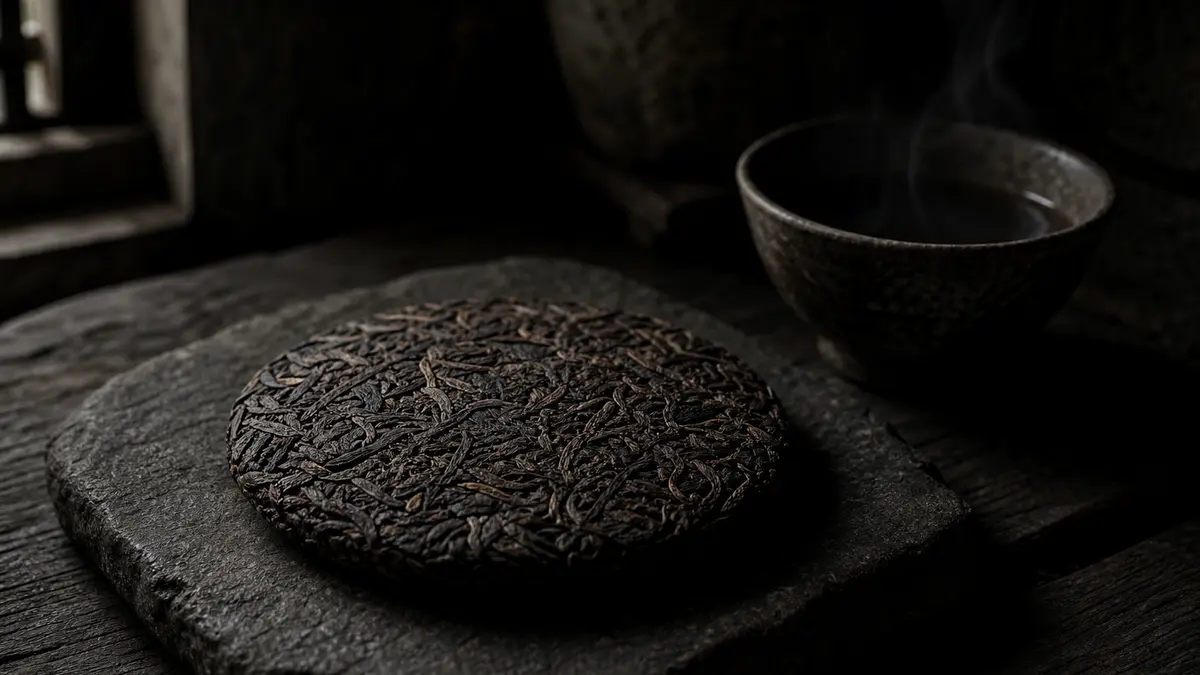
One category that deserves separate mention: 떡차 (tteok-cha), the traditional Korean pressed and fermented tea that represents a distinct tradition from pan-fired green tea.
Tteok-cha undergoes post-fermentation that creates microbial metabolites — the same broad category of compounds that make shou pu-erh (熟普洱) interesting from a microbiome research perspective. The documented findings on post-fermented tea and gut microbiome diversity are Tier 2, with research accelerating. Tteok-cha specifically has minimal published research; most of the microbiome data comes from Chinese shou pu-erh studies.
The honest position: tteok-cha likely shares some of those microbiome-adjacent properties, but I won’t extrapolate from a different tea to make strong claims. The research on tteok-cha needs to be done on tteok-cha.
How Korean Green Tea Compares: A Quick Reference
| Compound | Korean Nokcha | Japanese Gyokuro/Matcha | Chinese Pan-Fired Green |
|---|---|---|---|
| L-theanine | Moderate | High (shading boosts it) | Moderate |
| EGCG / Catechins | High | Moderate–High | High |
| Caffeine | Moderate | Moderate–High | Moderate |
| Whole-leaf consumption | No (steeped) | Yes (matcha) | No (steeped) |
| Antioxidant per cup | High | Very High (matcha) | High |
The table above reflects general patterns — specific values vary enormously by cultivar, harvest season, growing conditions, and brewing method.
Honest Framing: What Korean Tea Actually Is
Korean tea is not a health supplement. It is a beverage.
It contains documented beneficial compounds consumed as part of a practice that promotes wellbeing through ritual attention. The health benefits are real but secondary. The primary question is whether you enjoy it consistently — because a beverage you drink daily for a decade delivers more cumulative benefit than the most optimally dosed cup you drink once a month.
2–3 cups of nokcha daily sits comfortably within the consumption range studied in green tea research. The caffeine content — roughly 25–35mg per cup — is low enough that most people can drink it through the afternoon without disrupting sleep. Individual tolerance varies.
Brew it at 75–80°C for 2 minutes with 3g per 150ml. Use good water. Pay attention to the cup. The last instruction isn’t poetic flourish — it’s part of the practice.
The research shows Korean green tea is good for you. The culture shows it can be even better when you treat it as a practice rather than a pill.