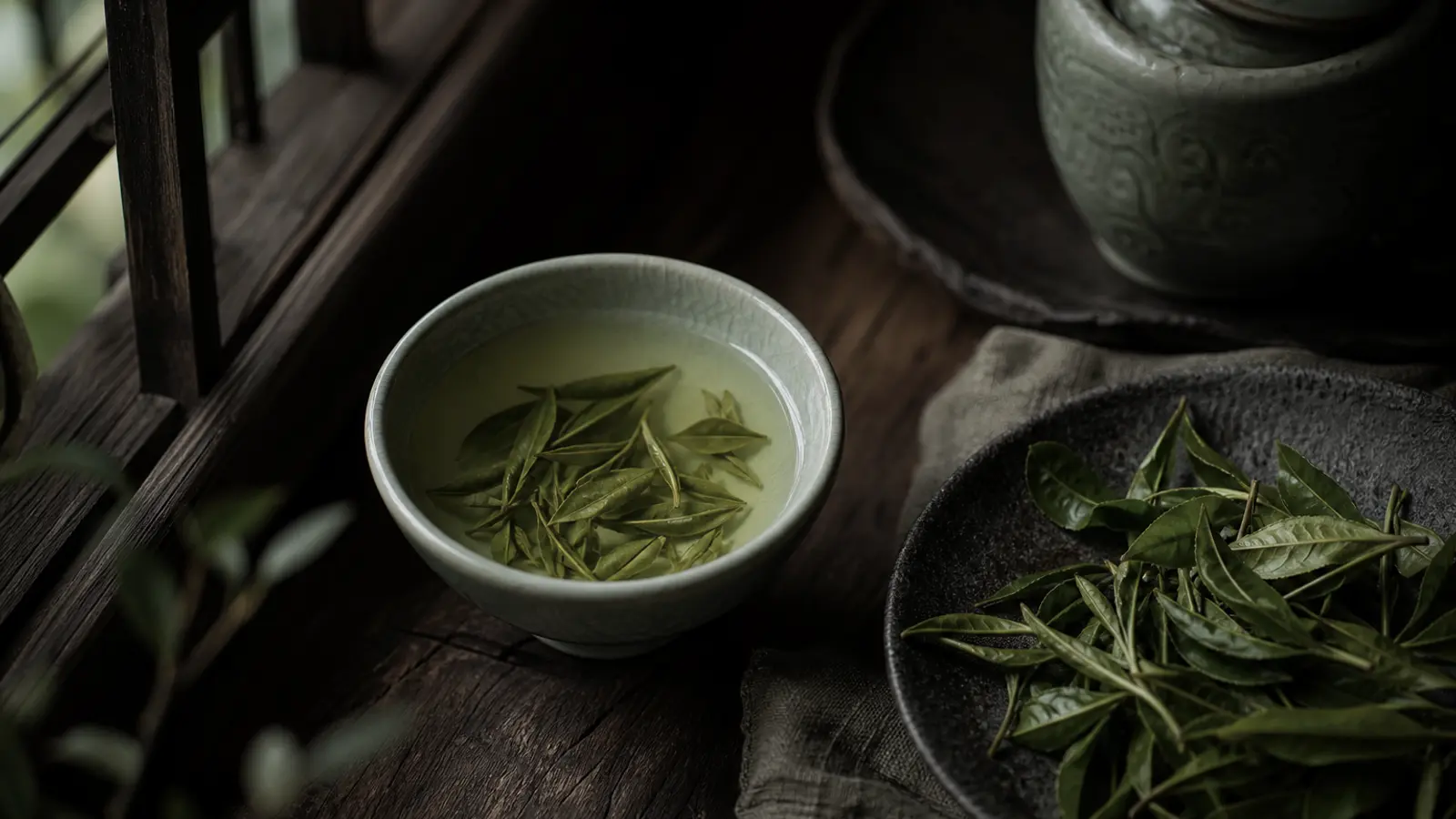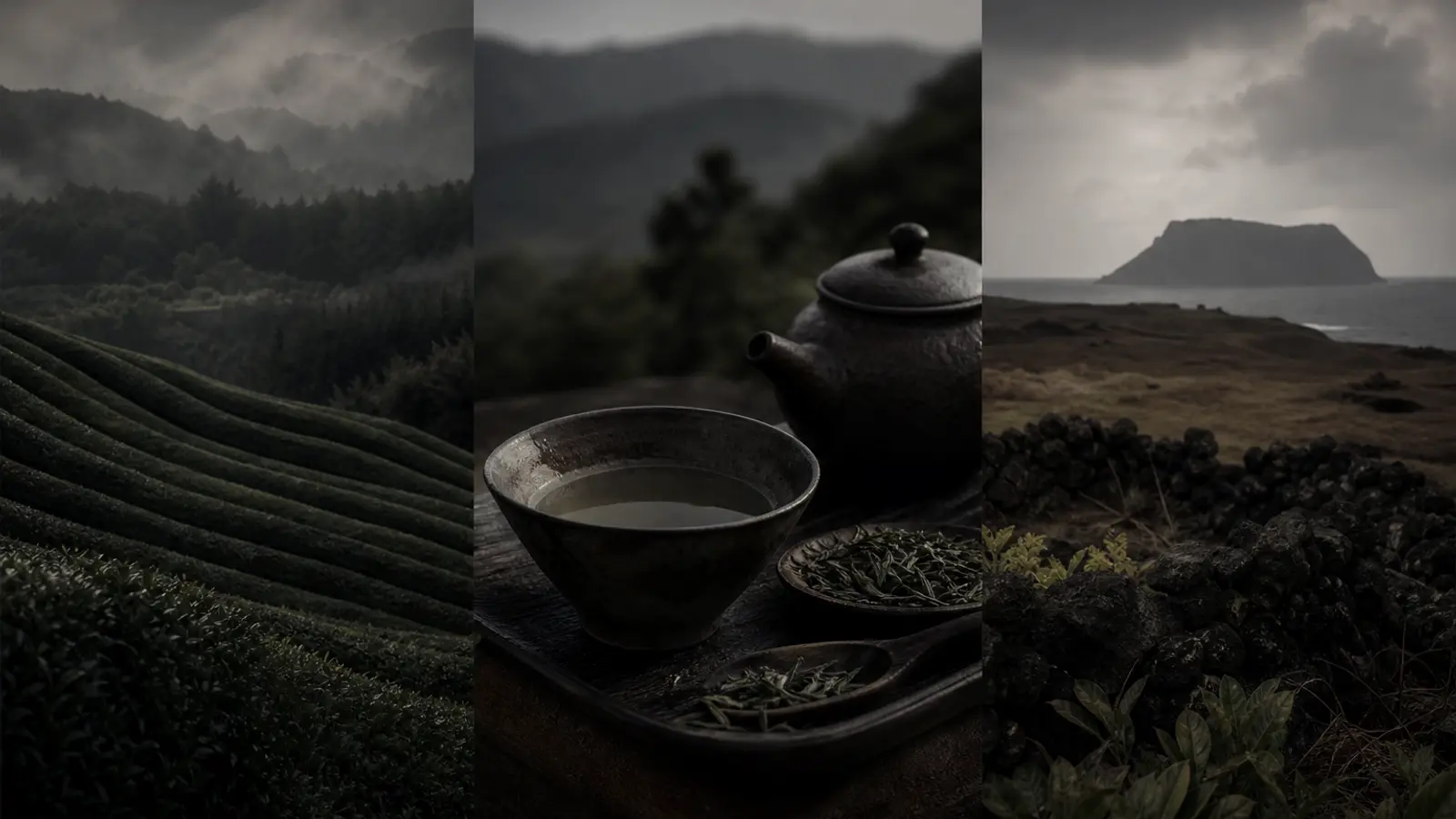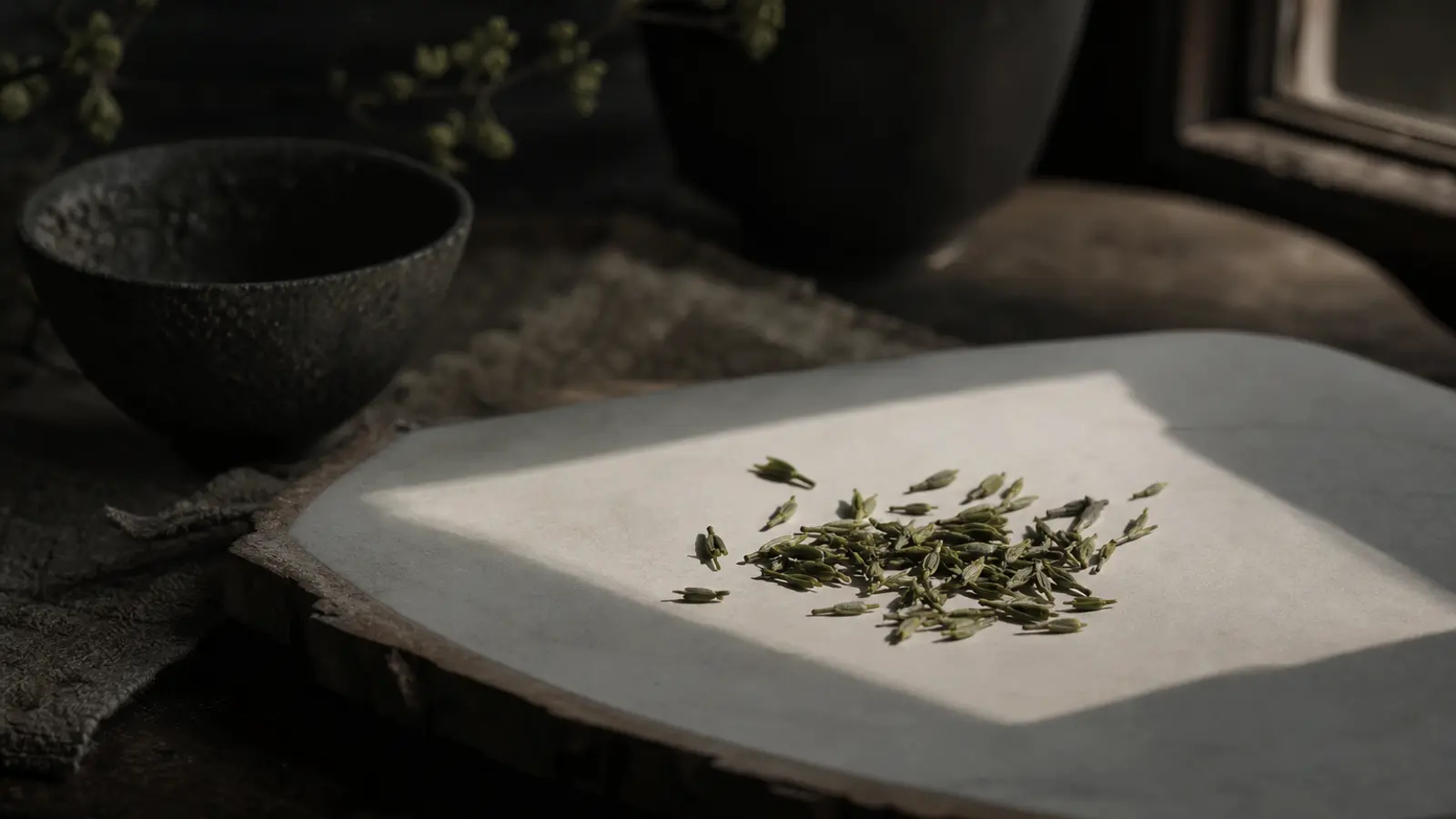
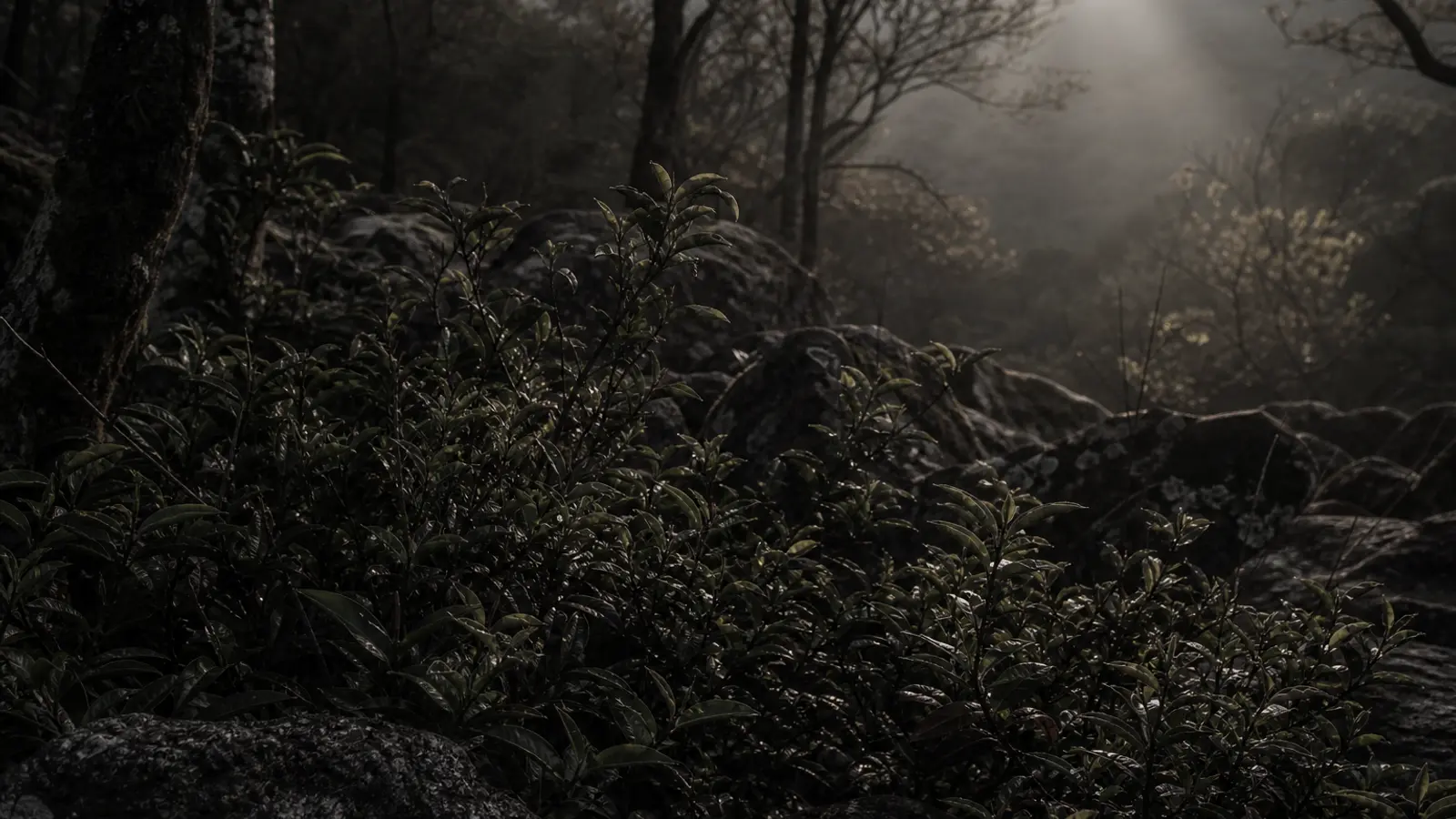
Yasaeng-cha (야생차, 野生茶) is one of the most precise and least-hyped terms in specialty tea. It means exactly what it says: wild-born tea. Not farmed tea marketed as wild. Not abandoned plantation tea that has partially rewilded. Tea from plants that grow as individuals scattered through mountain forest, competing with surrounding trees for light, water, and minerals, with root systems penetrating deep into rocky soil over decades or centuries.
Understanding yasaeng-cha wild Korean tea requires separating the term from the romance surrounding it — and then recognizing that the reality is more interesting than the romance.
What Yasaeng-cha Actually Means
The characters tell the story directly. 野生 (yasaeng) means wild or wild-growing. 茶 (cha) means tea. The compound 野生茶 is used across East Asian tea traditions — you encounter it in Chinese (yěshēng chá) and Japanese contexts too — but in the Korean context it carries specific geographic and historical weight that makes it meaningful as a distinct category.
A true yasaeng-cha plant grows as part of its mountain ecosystem rather than within it. No managed rows. No pruning to optimize flush production. No irrigation. No fertilizer. The plants are harvested during the spring picking seasons, but between harvests they exist entirely on their own terms.
This is not the same as abandoned plantation tea that has rewilded — though the distinction can blur at the edges. Genuinely feral plantation tea that has been left for decades develops some characteristics of wild-grown plants, particularly deeper roots and slower growth. But the starting genetics and original planting density differ, and experienced producers can usually distinguish the two by leaf morphology and plant spacing. True yasaeng-cha grows from seed in natural conditions, often from the reseeding of older wild plants, with spacing determined by the forest rather than human design.
Where Yasaeng-cha Grows
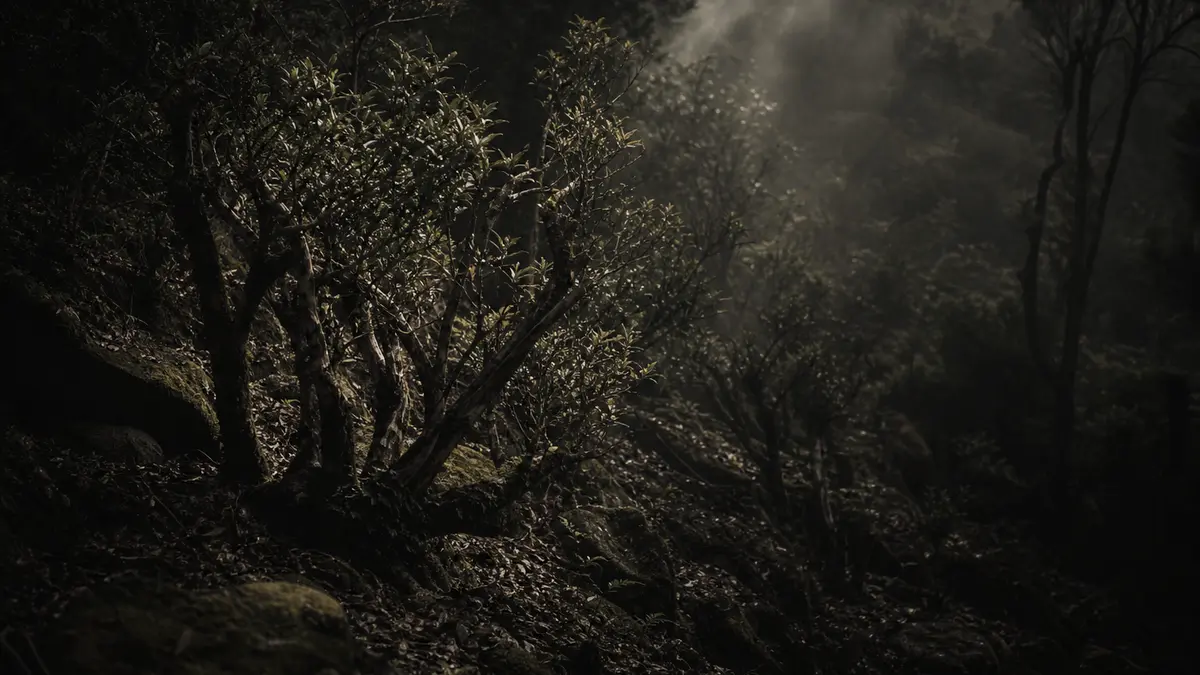
The canonical origin is Hadong (하동) county, located on the southern slopes of Jirisan (지리산) — the mountain whose name translates roughly as “mountain of wisdom” — in South Gyeongsang Province. This is not arbitrary geography. According to historical records, Buddhist monks brought tea seeds to this region during the Silla dynasty (57 BCE–935 CE), and some of the wild tea plants growing on Jirisan’s slopes today are multi-generational descendants of that original stock through natural reseeding over more than a millennium.
Hadong wild tea is traceable in historical texts. The Samguk Sagi (삼국사기), the twelfth-century Korean historical chronicle, mentions tea cultivation in the region. The density of documented history surrounding Hadong’s tea is part of what gives yasaeng-cha from this area its particular credibility — this isn’t marketing backstory, it’s regional record.
Smaller yasaeng-cha producing areas exist in other southern Korean mountains: parts of Jeollanam-do province, certain slopes in the Boseong (보성) area, isolated sites in the mountains of South Gyeongsang. But Hadong remains the defining origin. When Korean tea producers and scholars use yasaeng-cha without qualification, they typically mean Hadong.
Why Wild Growth Produces Different Tea
The flavor argument for yasaeng-cha rests on plant physiology, not tradition. A wild tea plant competing with surrounding forest for resources responds by investing more in root development than a plantation plant that receives regular inputs. Deep roots in rocky mountain soil access different mineral profiles than shallow plantation roots in managed soil. The plant grows slower, producing fewer flushes and smaller individual yields, but concentrates more biochemical complexity into each leaf.
The measurable results: higher amino acid concentrations — particularly L-theanine — which translate directly to more pronounced umami and sweetness in the cup. Greater mineral uptake from deeper soil penetration. More pronounced expression of what Korean tea culture calls 산야기운 (sanya giwun), roughly “the vital energy of mountain and field” — the Korean equivalent of the concept that in Chinese tea is called 山野气韵 (shān yě qì yùn), the wild mountain character that distinguishes unmanaged-terrain teas from controlled cultivation.
The wine parallel is apt and illuminating: yasaeng-cha versus plantation Korean tea is old vine versus young vine production. Same species. Same general growing region. Radically different root architecture, resource competition, and yield. The concentration differential is real and detectable in the cup rather than theoretical.
In practice, yasaeng-cha tends toward a quality of depth that is difficult to articulate but easy to compare when tasting side by side with plantation Korean green tea. The sweetness arrives later and lasts longer. The vegetal notes that dominate some Korean green teas are present but framed by a mineral, almost forest-floor earthiness. The huigan (回甘) — the returning sweetness that develops after swallowing — is more pronounced and more sustained.
Yasaeng-cha and Gushu: The Direct Parallel
Anyone who follows pu-erh tea (보이차, pǔ’ěr chá) will recognize the conceptual overlap immediately. Gushu (古树) — literally “ancient tree” — refers to old, unmanaged tea trees in Yunnan and neighboring regions whose deep root systems and slow growth produce the most sought-after and expensive pu-erh material. The argument for gushu over plantation pu-erh (台地, táidì) is structurally identical to the argument for yasaeng-cha over plantation Korean tea: root depth, resource competition, mineral uptake, biochemical concentration.
The difference lies in what has happened to these terms commercially. Gushu has become one of the most abused marketing terms in the global tea trade. Counterfeiting is widespread, blending of plantation material into “gushu” products is common, and the term has been diluted to near meaninglessness in many commercial contexts. Buyers of Chinese gushu pu-erh operate in a high-uncertainty environment even when purchasing from established vendors.
Yasaeng-cha has not undergone this dilution — yet. Production scale is genuinely tiny. The artisan producers who harvest wild Hadong tea are identifiable, often multi-generational, and embedded in a regional food culture that values traceability. Korea’s specialty tea market remains small enough that producer accountability is enforced by proximity and reputation rather than requiring certification systems. This does not mean yasaeng-cha can never be misrepresented, but the structural conditions for fraud are much less developed than in the Chinese gushu market.
Price and What It Reflects
Yasaeng-cha commands 3–10 times the price of plantation-grown Korean green tea. Ujeon (우전) grade yasaeng-cha — the first picking, harvested before the spring rains, the Korean equivalent of first-flush — from named Hadong producers can exceed $150 per 50g. That price is not primarily a marketing premium.
Wild tea plants on mountain slopes produce dramatically less harvestable leaf per year than managed plantation rows. A wild plant’s annual yield might be a fraction of what a pruned plantation bush produces across multiple flushes. Harvest requires physically navigating mountain terrain rather than working organized rows. Processing quantities are small enough that economies of scale never apply. The scarcity is structural.
This does not mean every product labeled yasaeng-cha is worth its asking price, or that the wild-grown character will be detectable by every palate in every brewing session. It means that when the term is applied honestly, the premium reflects real production constraints rather than branding.
Brewing Yasaeng-cha
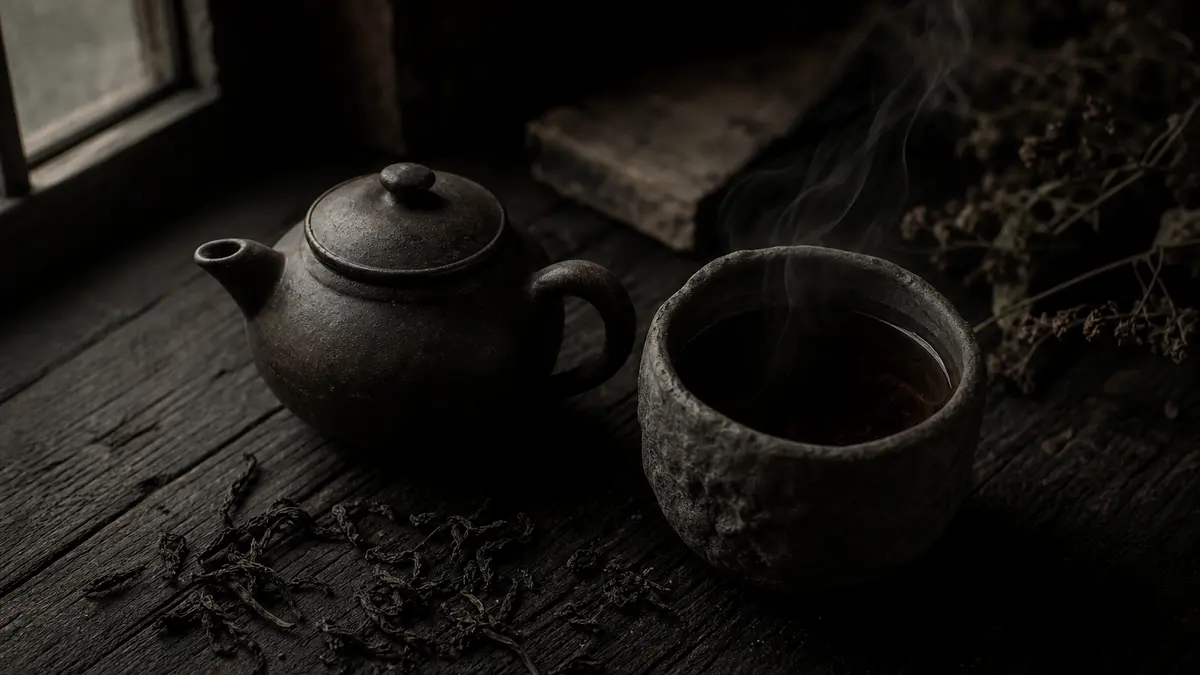
Wild-grown Korean tea responds well to careful, lower-temperature brewing. For green-processed yasaeng-cha — which is most of what reaches international markets — I brew at 70–75°C with a 5–6g dose per 100ml in a gaiwan (蓋碗) or small ceramic pot. First steep of 45–60 seconds. Subsequent steeps extended by 20–30 seconds each. The tea holds through four to six steeps without losing character, and the later steeps often reveal the mineral depth that distinguishes wild-grown material most clearly.
The patience required to brew it well mirrors the patience encoded in the plant’s own growth. Neither is optional if you want to understand what yasaeng-cha actually is.
Recognizing the Term in Context
Yasaeng-cha is establishing itself in international tea writing as the primary transliteration of 야생차, parallel to the way gushu and dancong (單叢) have moved from specialized Chinese terms into the working vocabulary of international specialty tea. The term is worth knowing precisely because it carries specific meaning that “wild-grown Korean tea” or “natural Korean tea” doesn’t fully capture — it points to a particular combination of plant age, growth condition, geography, and cultural context that has no single English equivalent.
When you encounter it on a product page or in a producer’s description, the questions to ask are the same questions you’d ask of any high-value single-origin tea: Which mountain? Which harvest? Which producer? Yasaeng-cha from a named Hadong artisan in a documented harvest year is a traceable, specific thing. Yasaeng-cha as a generic label on mass-market Korean tea deserves skepticism.
The term is precise when used precisely. That precision is what makes it worth establishing.