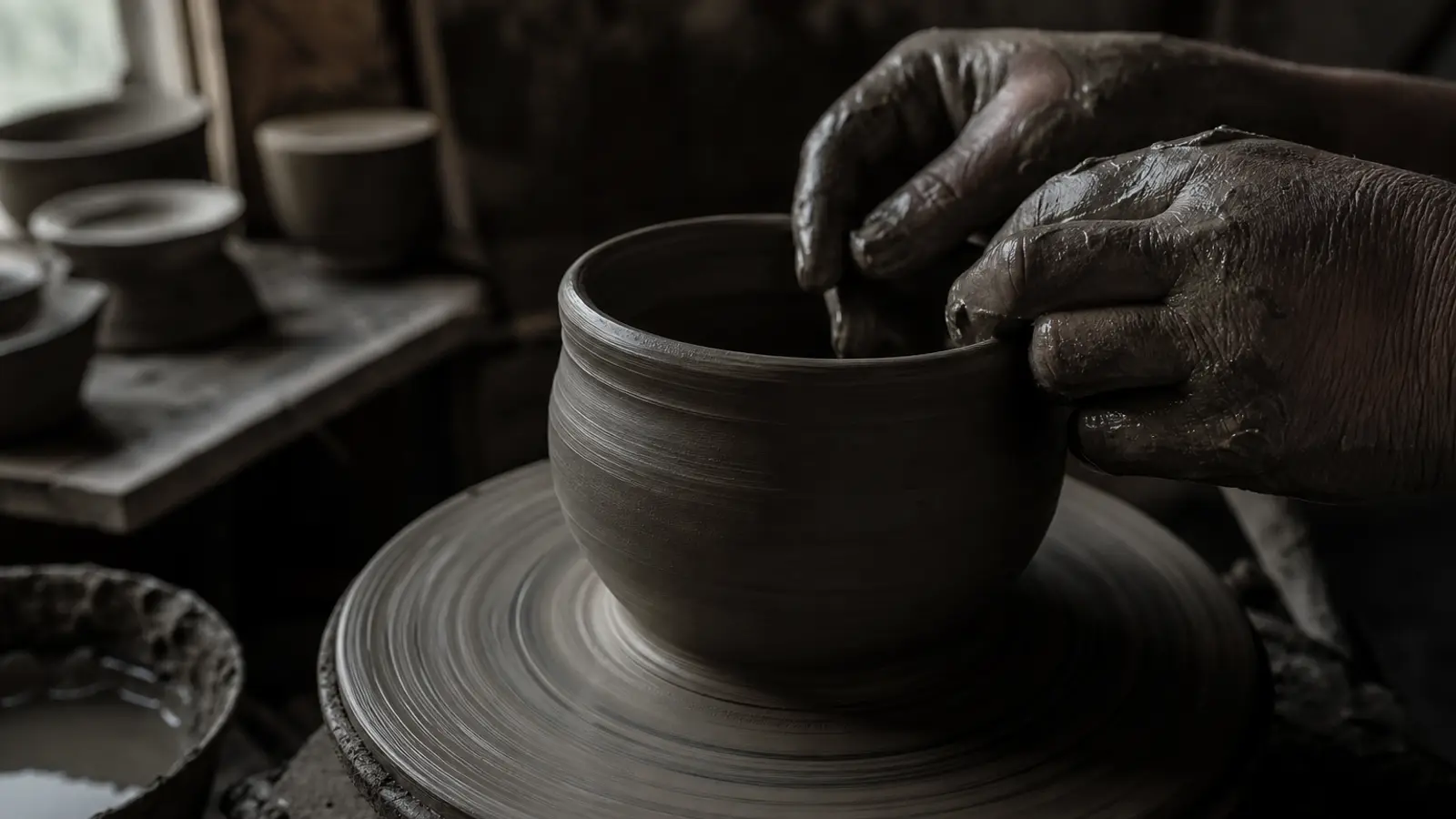
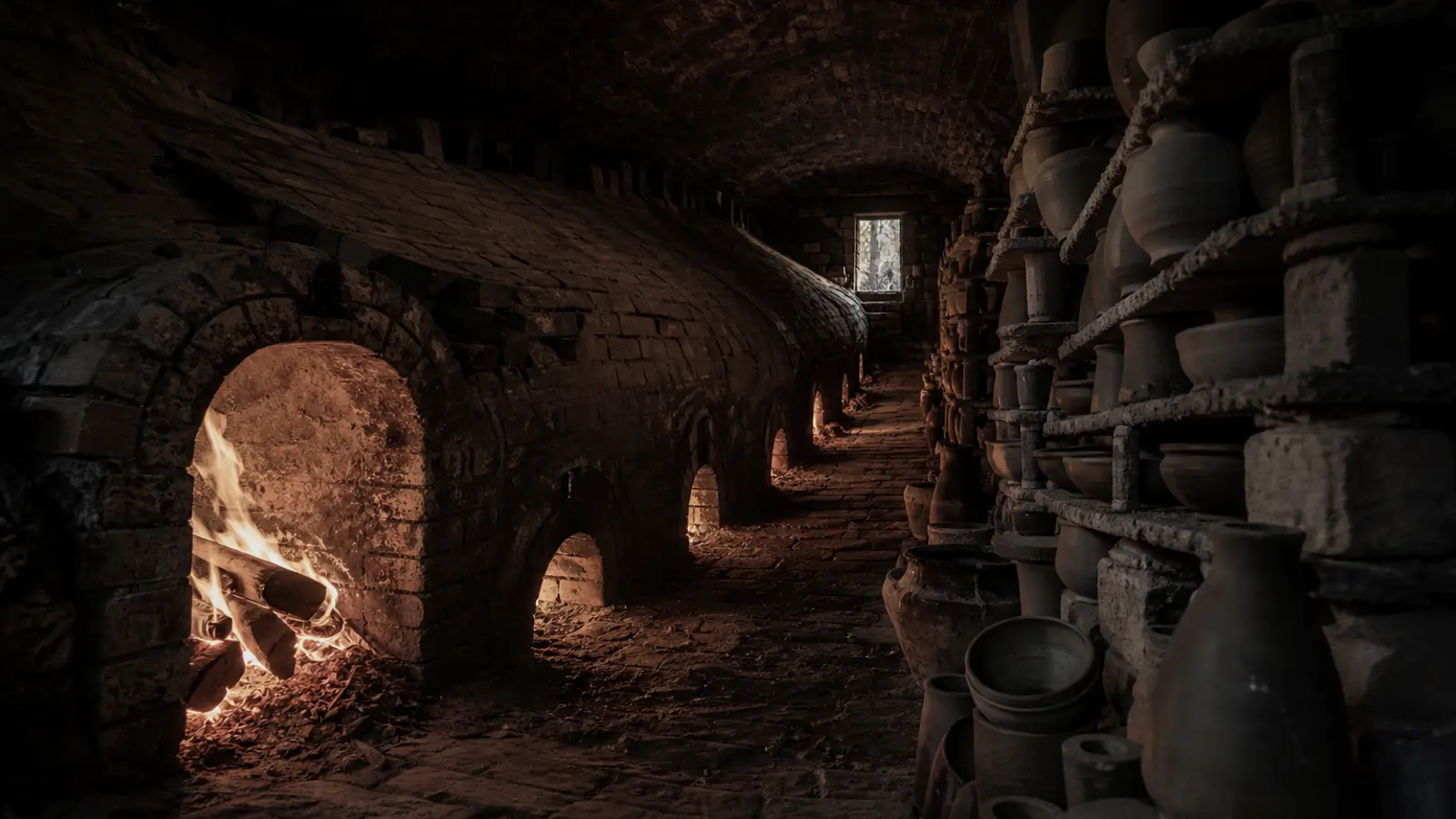
Wood-fired Korean pottery (장작가마 jangjakgama — literally “firewood kiln”) represents the highest tier of Korean ceramic craft. These are pieces fired for three to seven days in climbing kilns fueled by pine or oak, where the flame path and ash deposits create surface effects that no electric or gas kiln can replicate. The kiln gives every cup something the potter’s hands alone cannot: the record of a fire.
Understanding the kiln type behind a piece of Korean teaware is as fundamental as knowing whether a wine was aged in oak or steel. It shapes the surface, the feel in your hand, and — I’d argue — the way tea behaves in the cup. Three kiln types produce Korean pottery today, and knowing the differences changes how you evaluate what you’re buying.
Three Korean Kiln Types That Shape Every Piece
Wood-Fired: 장작가마 Jangjakgama
The traditional climbing kiln, called 등요 (deungyo), is built on a slope so heat rises naturally through connected chambers. Firing takes three to seven days of continuous stoking. Temperatures reach 1,250–1,350°C. Several tons of wood — typically pine or oak — are consumed in a single firing.
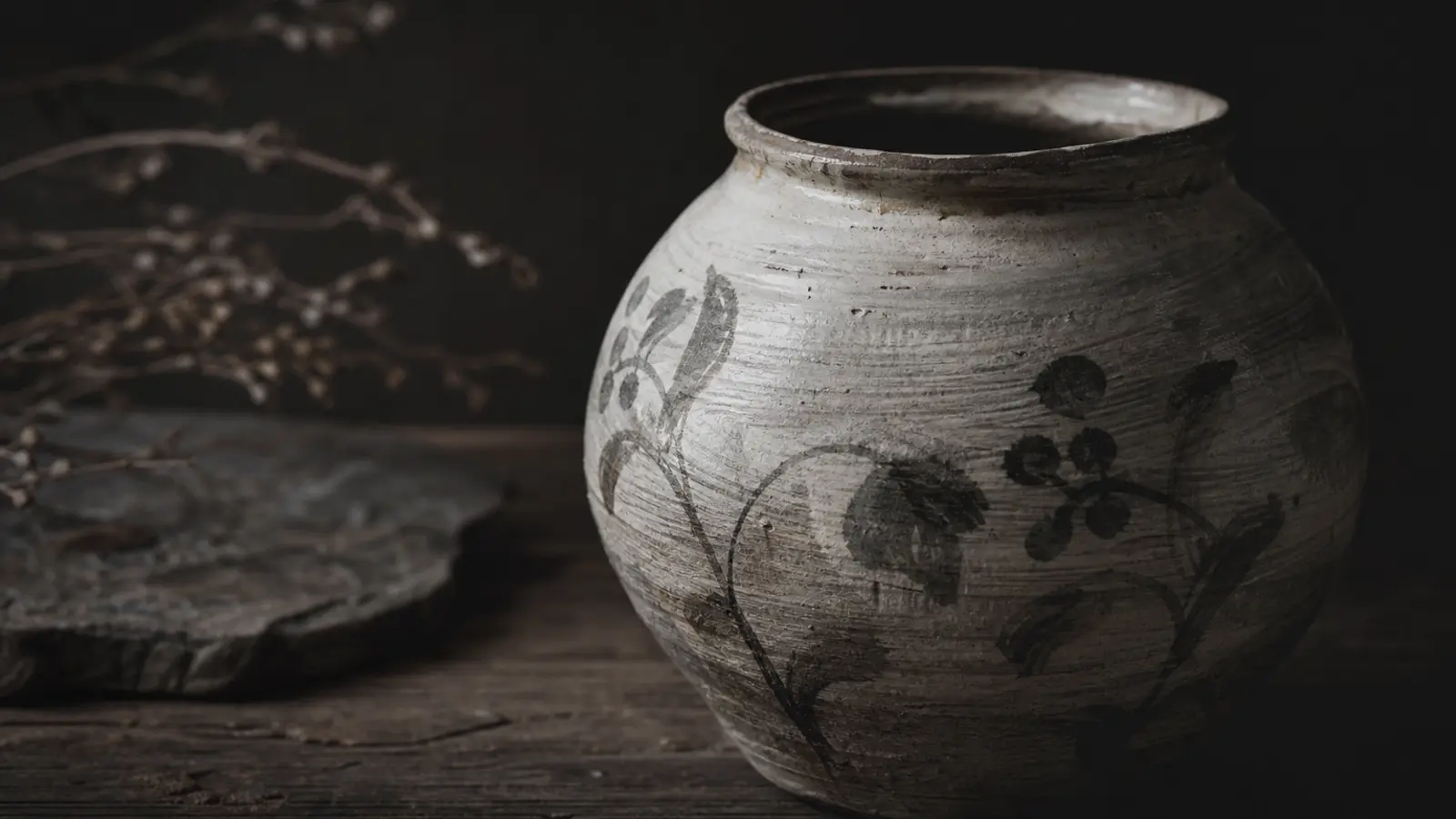
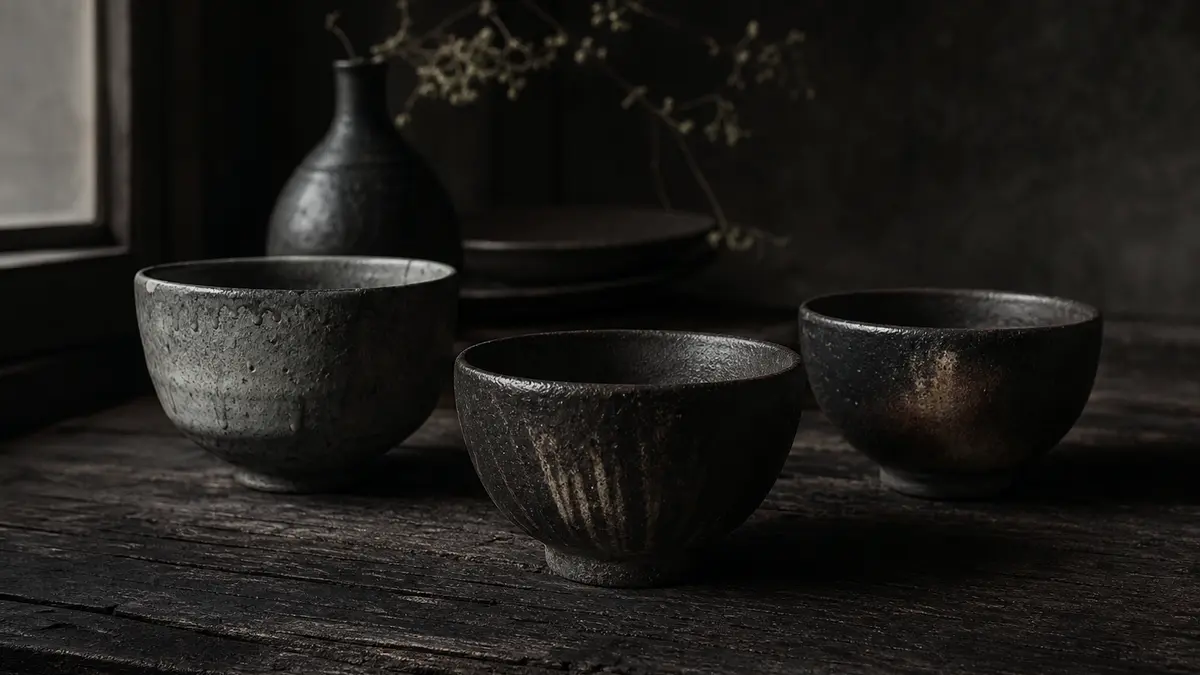
During those days and nights of sustained flame, the fire does its own decorating. Wood ash drifts through the kiln and settles on exposed surfaces, melting into a natural ash glaze called 자연유 (jayeonyu). Where the flame touches clay directly, it leaves flame marks (불자국 buljakguk) — patches of color that record the fire’s exact path across each piece. Wind direction outside the kiln, the moisture content of the wood, the draft through the chambers — all of it writes itself onto the surface.
No two pieces emerge the same. Master potters place work strategically within the kiln, knowing that position determines which effects the fire will create. The best positions — closest to the flame path, where ash accumulates most heavily — produce the most dramatic results. But even a master cannot fully predict the outcome. The kiln decides.
This is the most labor-intensive and most unpredictable firing method. It is also the one that produces the most distinctive results.
Gas Reduction: 가스가마 Gasugama
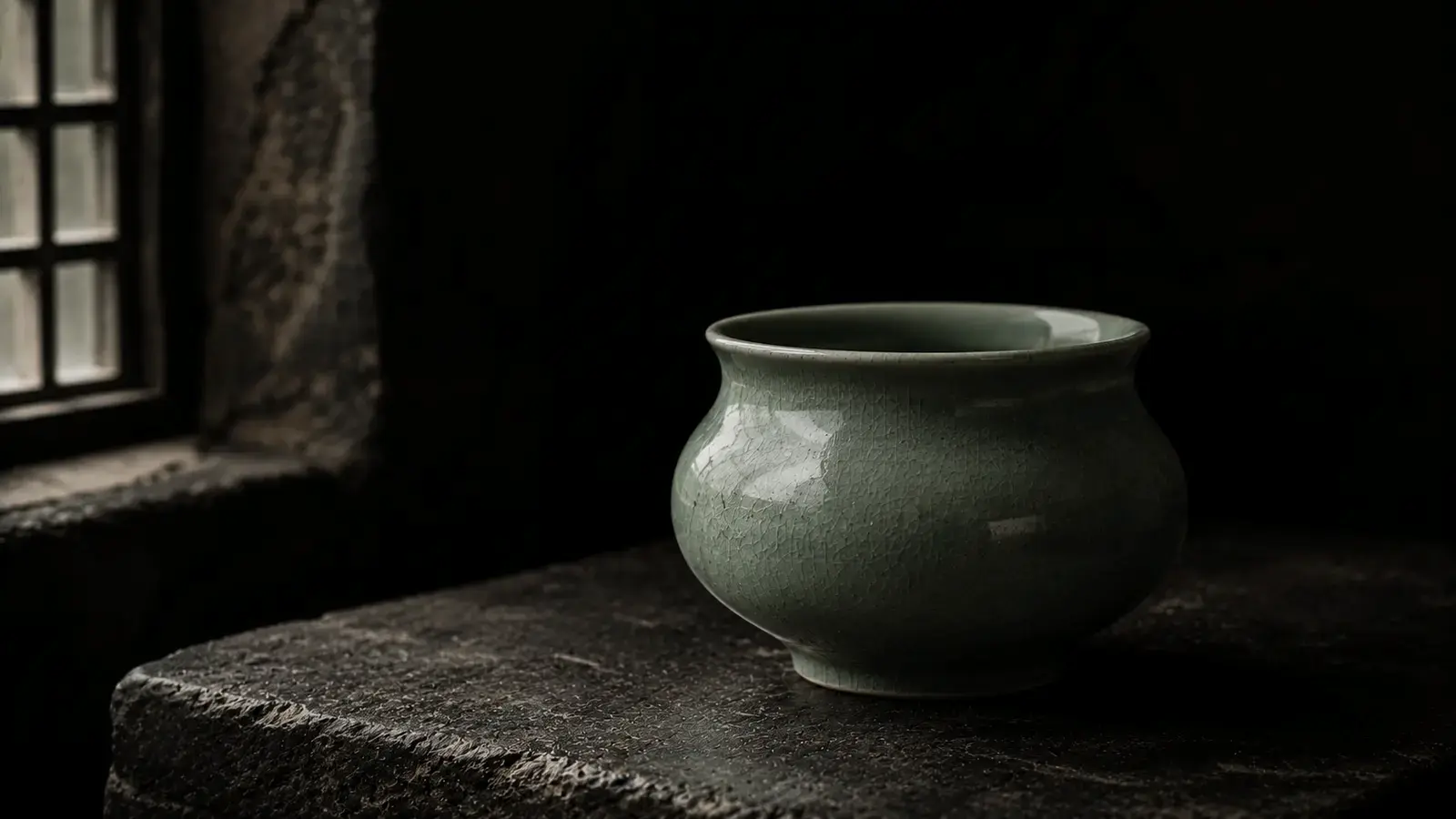
Gas kilns are the most common method for contemporary Korean celadon (청자 cheongja) production. They achieve the oxygen-reduced atmosphere needed for celadon’s jade-green 비색 (bisaek) color more reliably than wood kilns. The potter controls temperature and atmosphere with precision. Results are consistent and repeatable.
I want to be clear: good gas-fired celadon is excellent. The reduction atmosphere produces genuine bisaek color — that elusive blue-green that has defined Korean ceramics since the Goryeo dynasty. Most commercial and mid-tier artisan Korean celadon is gas-fired, and rightly so. The method serves the aesthetic.
But gas-fired pieces lack the ash deposits, the flame coloring, the surface accidents of wood firing. The surface is uniform. Beautiful, often — but uniform.
Electric: 전기가마 Jeongigama
Electric kilns fire in an oxidation atmosphere. They offer the most controllable, most consistent results. They’re used for some white porcelain (백자 baekja) and for production-level work.
The critical limitation: electric kilns cannot produce reduction-atmosphere celadon. The jade-green bisaek color requires oxygen reduction that electric firing simply doesn’t provide. The result is clean and even, which suits certain forms, but without the atmospheric character of wood or gas firing.
For teaware, electric-fired pieces serve a purpose — they’re reliable, affordable, and can be well-made. But they occupy a different category from wood-fired or even gas-reduction work.
Why Wood Firing Matters for Korean Teaware
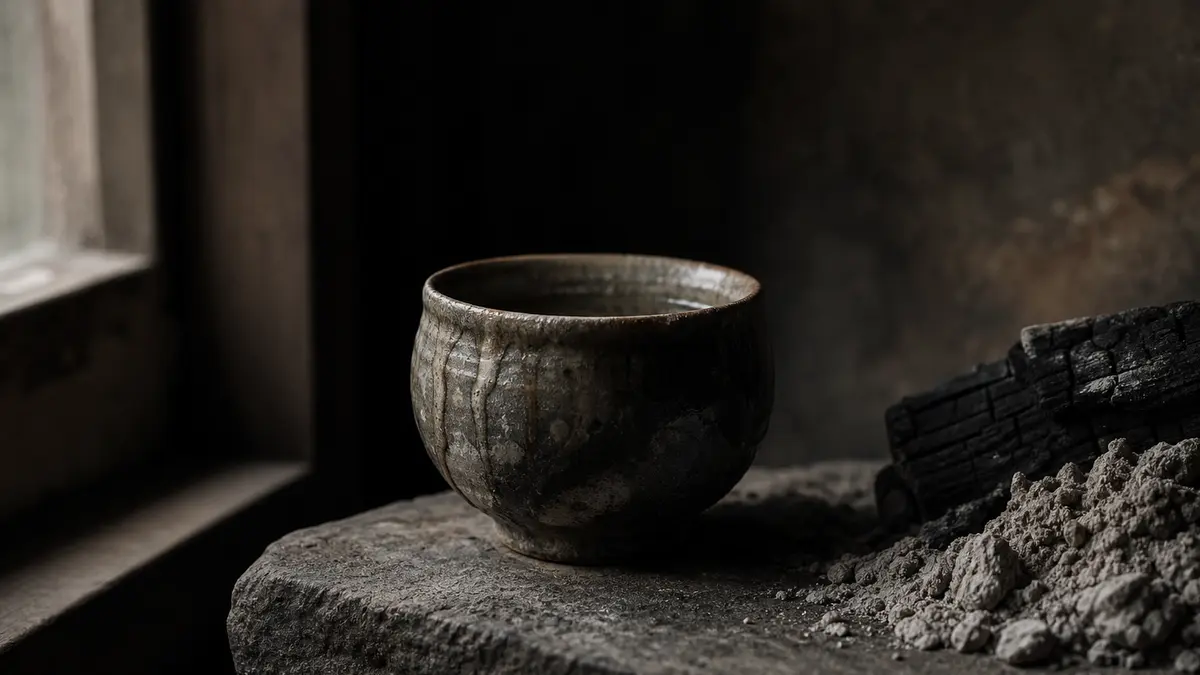
The ash that settles on pieces during a week-long wood firing creates a natural glaze that is literally unreproducible. It depends on wind direction, flame path, the chemistry of the specific wood burned, humidity, the duration of stoking cycles, and the piece’s exact position relative to the fire mouth. A potter can load the kiln with intention, but the fire finishes the work.
Think of it this way: wood-fired pottery is like wild-ferment wine. You surrender control to an elemental process and accept that the result will be unpredictable, unrepeatable, and sometimes more beautiful than anything deliberate intention could produce. The winemaker who inoculates with commercial yeast gets consistency. The one who lets ambient yeast do the work gets something that belongs to a specific place and moment. Same principle, different medium.
For tea drinkers, wood-fired cups and bowls carry a tactile dimension that factory-consistent ware cannot. The ash glaze creates micro-variations in surface texture. Some areas are glassy-smooth where ash pooled and melted; others are rough where the flame dried the clay bare. These variations aren’t just visual — they interact with the tea liquor. I’ve noticed that wood-fired cups with heavier ash deposits seem to soften the edges of astringent teas, though I’ll be honest that the mechanism is more intuitive than scientific. The point is that the cup participates in the experience differently than a perfectly uniform vessel.
What to Look for in Wood-Fired Korean Pottery
When evaluating wood-fired Korean ceramics, look for these markers:
- Natural ash deposits on the shoulder or rim — gray-green or amber glaze pooling where airborne ash settled and melted during firing. This is 자연유 (jayeonyu) and it’s the signature of genuine wood firing.
- Flame coloring — patches of different color where the flame touched the surface directly. These might appear as warm orange or brown areas against a cooler clay body.
- Surface variation — no two sides of the piece should look identical. If a piece marketed as wood-fired looks perfectly even on all sides, question it.
- Kiln maker provenance — the maker or gallery should be able to tell you the firing method, the kiln used, and ideally the approximate position in the kiln. If they can’t answer these questions, that’s a flag.
Not every effect is desirable. Cracking, warping, and uneven bases can result from the extreme conditions inside a wood kiln. A skilled potter manages these risks through clay preparation and kiln loading, but some degree of irregularity is inherent to the method. The distinction between a beautiful accident and a flaw comes down to whether the piece functions well — whether the cup sits flat, holds tea without leaking, feels balanced in the hand.
The Price of Fire: Understanding the Cost of Wood-Fired Korean Ceramics
Wood-fired pieces from established Korean potters command two to five times the price of equivalent gas-fired work. This premium reflects real economics:
- Fuel costs: several tons of pine or oak per firing
- Labor: round-the-clock stoking for three to seven days, typically requiring a team
- Kiln losses: cracking, warping, or uneven firing can claim 30–50% of the pieces loaded into the kiln
- Genuine scarcity: fewer pieces survive, and each surviving piece is unique
A gas-fired celadon tea bowl from a skilled artisan might run $40–$80. The same potter’s wood-fired work, if they maintain a wood kiln, could range from $100–$400 depending on the quality of the ash effects and the potter’s reputation. At the master level, wood-fired pieces move well beyond that range.
The premium is not a marketing story. It reflects genuine scarcity and genuine distinctiveness. When you hold a wood-fired cup, you hold something that required a week of fire and emerged as the only version of itself that will ever exist.
Choosing the Right Kiln Type for Your Practice
None of this means gas-fired or electric-fired Korean pottery is inferior for brewing tea. A well-made gas-reduction celadon gaiwan (蓋碗) with proper bisaek color is a legitimate piece of craft. An electric-fired white porcelain cup can be exactly right for appreciating a delicate green tea where you want the liquor color visible against a clean background.
The kiln type is information, not a hierarchy. Know what you’re buying and why. If you want the natural ash surface, the flame marks, the one-of-a-kind character — look for 장작가마 work and expect to pay for it. If you want reliable celadon color and clean form at a more accessible price — gas-reduction is the appropriate choice.
The kiln gives the cup its skin. The potter gives it bones. Both matter. But when you drink from a wood-fired bowl and notice how the ash glaze catches the light differently with each turn of the cup, you’re experiencing something the fire authored. That’s what you’re paying for — not just a vessel, but a collaboration between a maker and an element that refuses to be fully controlled.