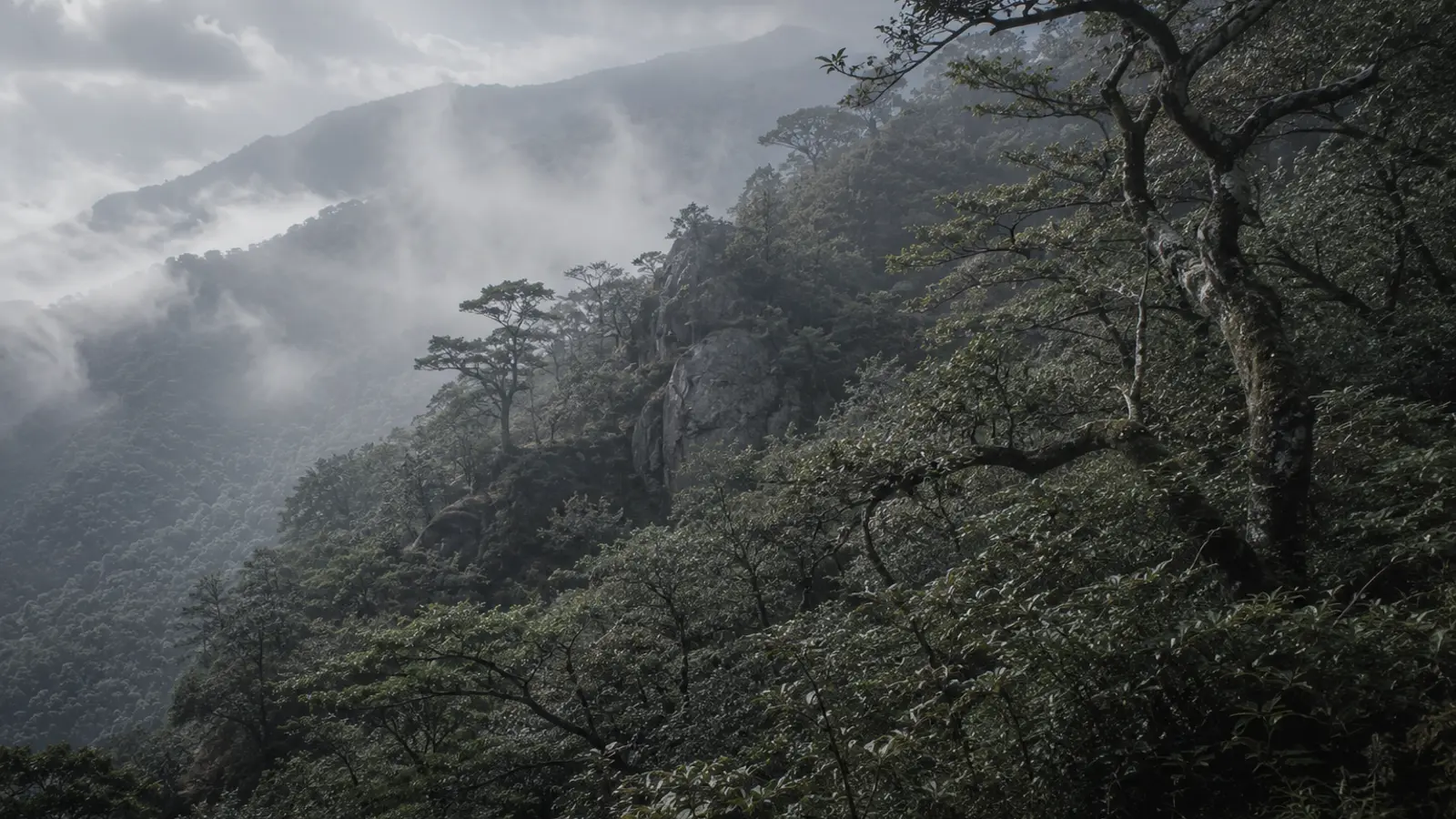
Hadong korean tea occupies a place in Korean tea culture that no other region can claim: it is where the story begins. Set against the southern slopes of Jirisan Mountain (지리산, 智異山) in Gyeongsangnam-do province, Hadong county (하동, 河東) at approximately 35.1°N 127.7°E has been producing tea for over 1,100 years by documented record. Where Boseong delivers Korea’s most recognizable commercial tea, Hadong delivers its soul.
I have not yet sat with a Hadong tea in my own sessions, so everything here is drawn from published historical records, academic research on Korean tea culture, and documented accounts from tea scholars and practitioners who have spent serious time in the Hwagae valley. The picture that emerges from those sources is consistent enough to paint with confidence — and remarkable enough to warrant that effort.
Geography & Location
Hadong county sits at the southeastern end of the Sobaek Mountain range in South Korea, bordered by the Seomjingang River (섬진강) to the west. The tea-growing areas cluster on Jirisan’s southern slopes, at elevations between 200 and 700 meters above sea level.
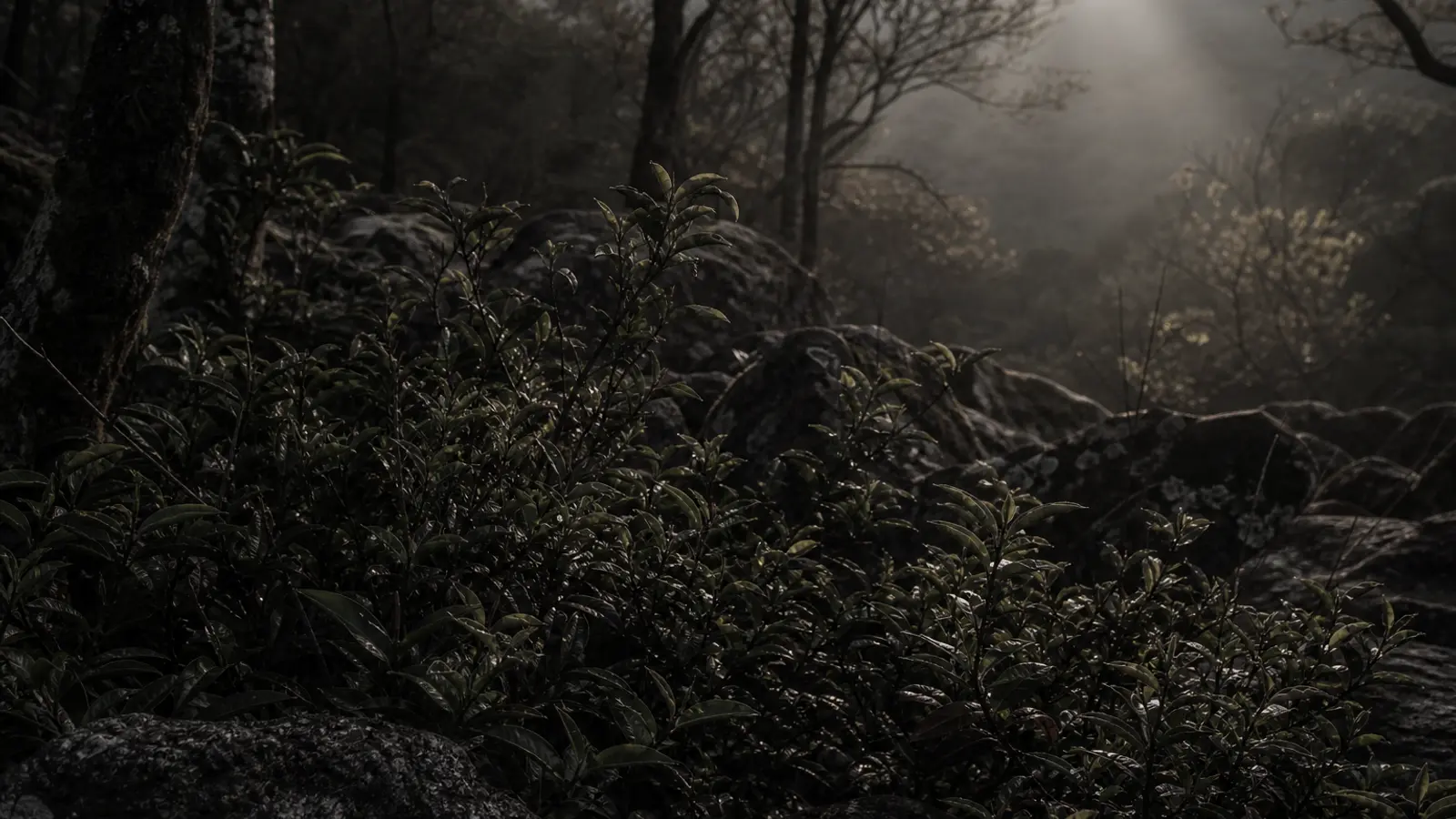
Jirisan itself is the second-highest peak on the Korean mainland at 1,915 meters. The mountain creates its own micro-geography: southern slopes receive more direct sun than northern aspects, the river valley moderates temperature extremes, and the forested terrain creates pockets of humidity and shade that vary dramatically within short distances. Tea plants do not grow in neat, mappable zones here. They grow where conditions allow — which is precisely what makes this place interesting.
The Hwagae valley (화개) is the spiritual and commercial center of Hadong tea. Running along the Hwagae stream toward the Seomjingang, this valley is home to the region’s most celebrated tea gardens and the ancient Ssanggyesa Temple (쌍계사), whose surrounding grounds contain tea plants among the oldest in Korea. The road through the valley — lined with flowering cherry trees in spring — has become synonymous with Korean tea romanticism, though the actual tea culture here predates any tourist infrastructure by more than a millennium.
Climate & Elevation
Hadong’s climate is continental-maritime transitional: colder and more variable than the coastal tea regions further south and west. Winters can drop to -10°C, a far harsher cold than Boseong endures. Summers are humid and warm. The four-season cycle is distinct and pronounced.
Annual rainfall sits between 1,400 and 1,600mm, concentrated in the summer monsoon months. This precipitation, combined with the mountain’s natural drainage and the rocky substrate that prevents waterlogging, creates growing conditions that stress the tea plant just enough to produce biochemically complex leaf.
The elevation range of 200–700m matters considerably. Tea grown at the valley floor behaves differently than plants clinging to rocky outcrops at 600 meters. Higher-elevation plants experience more dramatic temperature swings between day and night, slower growth, and longer development time. These variables translate directly into the cup — higher-elevation Hadong wild tea consistently shows more pronounced mineral character and longer finish according to multiple practitioner accounts.
The cold winters serve a purpose beyond mere hardship. Extended dormancy allows the tea plant to accumulate nitrogen compounds in its root system. When spring arrives, the flush emerges with elevated amino acid content — glutamate and theanine particularly — which contributes both to umami depth and to the sweetness that balances Hadong tea’s sometimes assertive bitterness.
Soil & Terroir
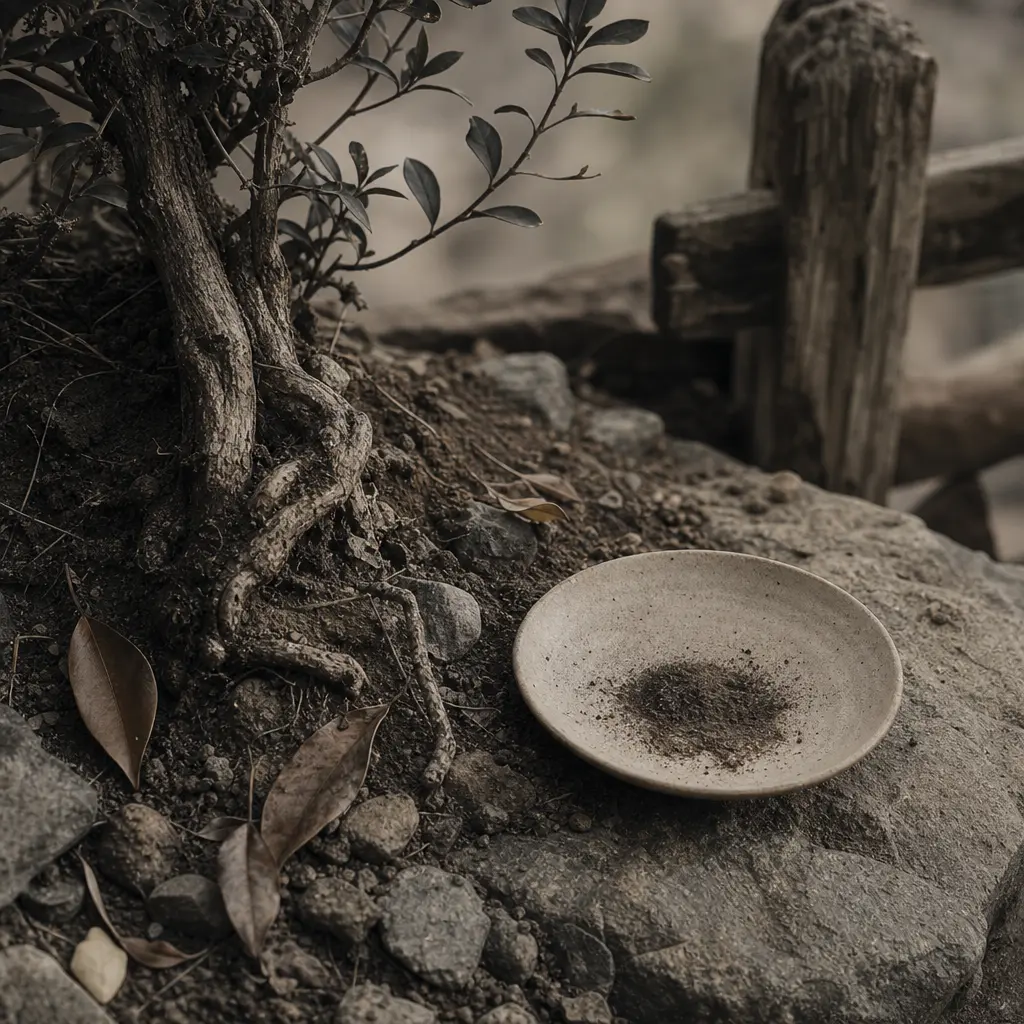
Hadong’s soils are granitic decomposition mixed with accumulated forest humus. The granitic parent material breaks down into coarse-textured, well-drained, moderately acidic soil — pH in the 4.5 to 5.5 range, appropriate for Camellia sinensis. But unlike Boseong’s more uniform plantation soils, Hadong’s mountain slopes are rocky, irregular, and highly variable across short distances.
This variability is a feature, not a defect. Pockets of deeper humus accumulation between rock faces support tea plants with unusually deep and wide-ranging root systems. Thin, rocky patches force roots to extend far in search of water and minerals. The result is a diverse mineral uptake profile that changes meaningfully from garden to garden, slope to slope, and even plant to plant.
The forest understory context also matters. Many wild Hadong tea plants grow among oak, pine, and mixed deciduous forest. Leaf litter decomposes into organic matter. Mycorrhizal networks potentially connect tea plants with the broader forest ecosystem. Whether that translates into measurable flavor compounds is not definitively established by published research, but the forest context is consistently cited by practitioners as integral to what wild Hadong tea tastes like.
In wine terms, Hadong’s soils resemble the rocky schist of the Northern Rhône more than the uniform clay-limestone of Chablis. Same fundamental grape family, but the substrate forces a different conversation between plant and place. For a deeper look at how soil and elevation shape tea flavor across regions, tea terroir explained covers the framework in full.
Key Cultivars & Tea Types
Unlike Japan’s highly systematized cultivar landscape or China’s regionally specific clonal varieties, Hadong tea cultivation has historically relied on seed-propagated plants rather than cuttings. This means Hadong’s wild tea population is genetically diverse — a population of individuals rather than clones.
The dominant species is Camellia sinensis var. sinensis, the small-leaf Chinese variety, consistent with the historical record of seeds brought from Tang Dynasty China. But centuries of open pollination on a mountain slope produces significant variation in leaf size, shape, and biochemical profile from plant to plant.
The main tea types produced from Hadong leaf:
Jaksul-cha (작설차, 雀舌茶) — “sparrow’s tongue tea,” named for the small, folded young leaves that resemble a sparrow’s tongue. This is the primary green tea of the region, harvested in spring. The finest grade is ujeon (우전, 雨前), meaning “before the rain” — leaves picked before Gogu (곡우, 穀雨), the traditional solar term falling around April 20. Ujeon from wild Hadong plants is among the most expensive Korean teas produced.
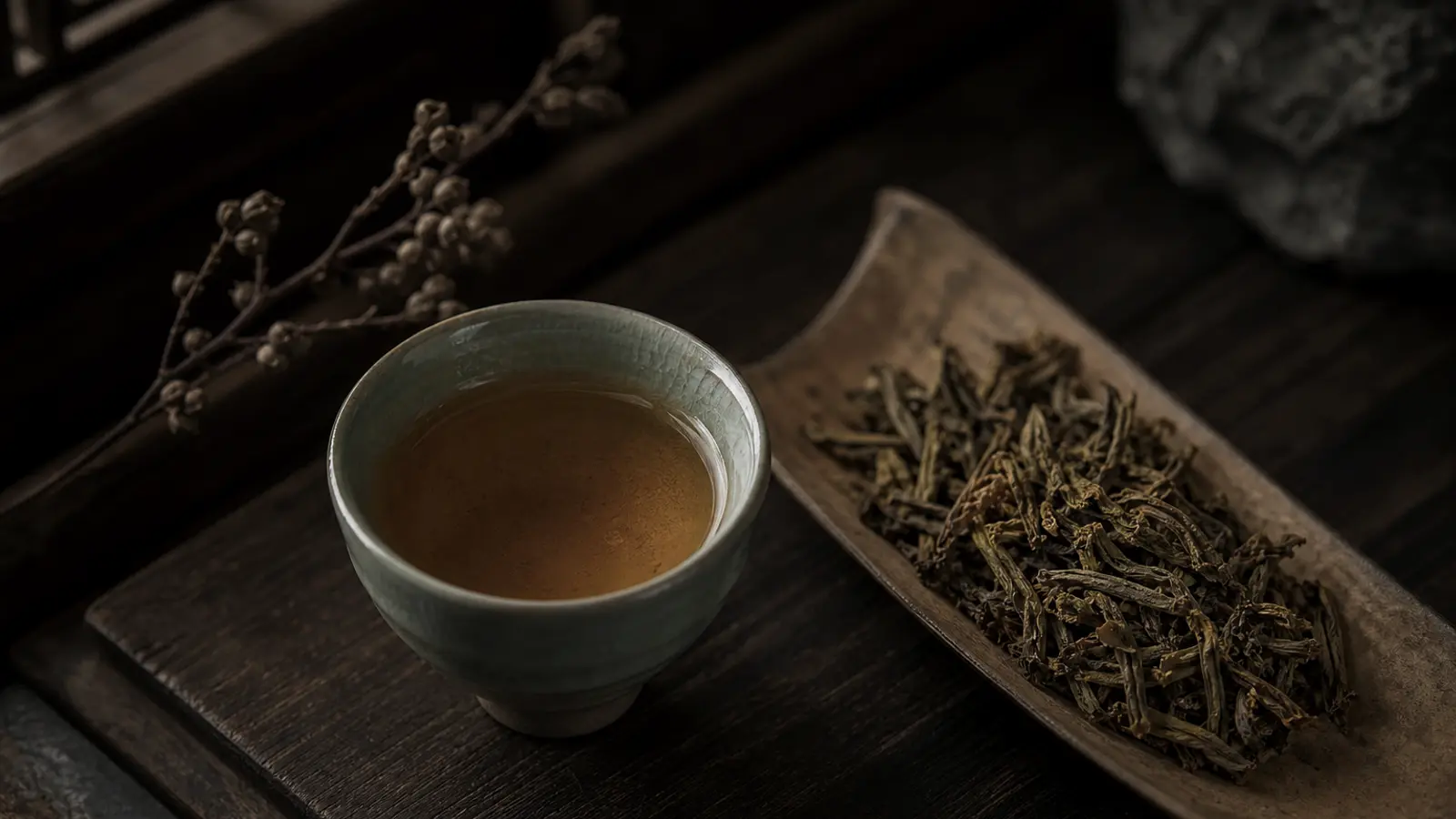
Hwangcha (황차, 黃茶) — partially oxidized yellow tea, a style that occupies a distinct niche in Korean tea. During processing, the leaf is allowed to undergo controlled oxidation beyond what green tea permits, resulting in a warmer amber liquor, softer astringency, and a mellow sweetness that distinguishes it immediately from jaksul-cha. Wild-leaf hwangcha from Hadong is rare even within Korea; it represents a category that Korean tea scholars argue deserves far more international attention than it currently receives.
Ip-cha (잎차) — loose-leaf tea in various harvest grades below ujeon. Sejak (세작, fine sparrow) is the second-flush grade, harvested around the time of Ipha (입하, 立夏) in early May. Jungjak (중작) and daejak (대작) are later, coarser harvests used for everyday drinking.
Processing Traditions
Hadong’s processing tradition is artisan by definition. The dominant method is deokkeum (덖음), pan-firing in a traditional iron cauldron called a gamasot (가마솥). This is hands-on, sensory-driven work: the processor shapes and dries the leaf through repeated cycles of firing and rolling, adjusting temperature and pressure by touch and smell, not by thermostat.
A skilled deokkeum practitioner — a dain (다인, tea master) — develops an understanding of the leaf’s behavior under heat that takes years to build. The cauldron temperature, the moisture content of the leaf at each stage, the rhythm of turning and pressing: these are not standardized. They are inherited knowledge, adjusted for each harvest’s specific character.
The result of this processing approach is a roasted chestnut and sweet grain quality that distinguishes Hadong green tea from the steamed green teas of Japan (which tend toward more vegetal, marine character) and from Boseong’s pan-fired teas (which, processed in larger batches with more mechanical assistance, tend toward cleaner but less idiosyncratic profiles).
Wild-leaf hwangcha processing adds an additional step: after initial deokkeum, the leaf is wrapped or piled to encourage controlled oxidation before a final firing. The precise protocols vary among producers, and this variation is considered a feature of artisan hwangcha culture rather than a quality control problem.
The Hadong tea processing tradition is recognized as Korean Intangible Cultural Heritage (무형문화재). This designation acknowledges that the knowledge held by Hwagae valley tea masters is irreplaceable and actively protects its transmission to future generations. To learn more about the potters and craftspeople working within similar heritage frameworks today, Korean master potters making teaware today offers a parallel look at living artisan traditions.
The Historical Foundation: 828 CE and the Monk Daeryeom
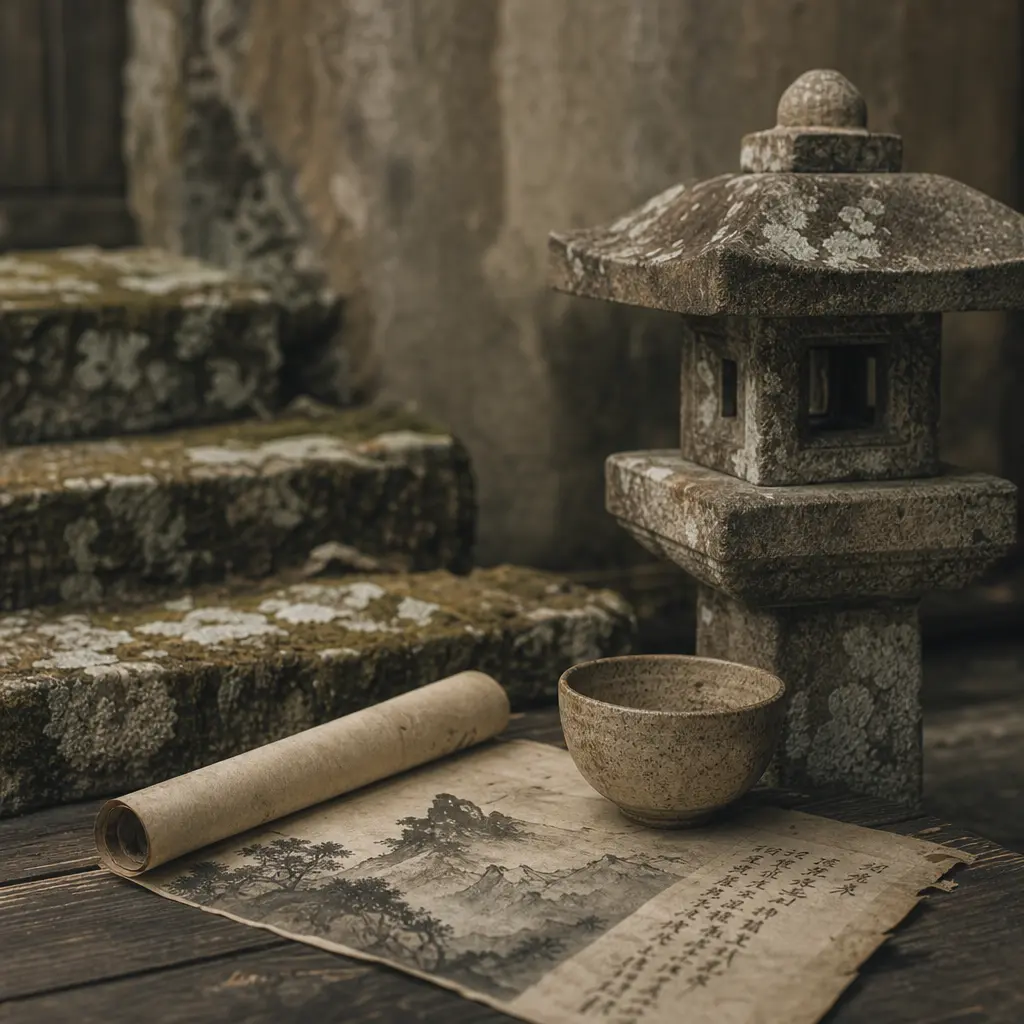
The story that defines Hadong’s identity comes from the Samguk Sagi (삼국사기), the twelfth-century historical record of the Three Kingdoms period. It states that in 828 CE, during the reign of King Heungdeok (흥덕왕) of the Silla Dynasty (新羅), the monk Daeryeom (대렴) returned from Tang Dynasty China carrying tea seeds. The king ordered them planted on Jirisan.
Whether this account is precisely accurate as a single founding moment is a question historians debate. Tea knowledge likely entered Korea through multiple channels over time, and earlier references to tea consumption in Korea exist. But the Daeryeom account establishes Hadong as the site of Korea’s first systematically recorded tea cultivation — a claim no other Korean region can match. Over 1,100 years of continuous tea tradition, with living evidence in the form of ancient plants still growing near Ssanggyesa Temple.
The temple itself functions as a living archive. The garden surrounding Ssanggyesa contains tea plants whose age is measured in centuries, not decades. These plants have been tended by generations of monks who understood tea as integral to Buddhist practice — consumed during meditation, offered to guests, central to the rhythms of monastic life.
This is not heritage preserved in a museum. The monks still tend the gardens. Artisan tea masters in the valley still use the same gamasot methods their teachers used. The tradition is alive and contested in the most productive sense: practitioners debate harvest timing, processing protocols, and what constitutes authentic wild-grown character. That argument is proof of vitality.
Characteristic Flavor Signatures
Based on documented accounts from Korean tea scholars, practitioners, and published tasting records, wild-grown Hadong jaksul-cha presents a consistent signature that distinguishes it from both Boseong plantation tea and the better-known Japanese green teas most international drinkers encounter first.
Roasted chestnut and sweet grain dominate the aromatic profile, a direct consequence of the deokkeum pan-firing method. This is warm, round sweetness rather than the sharp vegetal brightness of Japanese sencha.
Mineral structure is prominent — described repeatedly as rocky, earthy, and clean in the way mountain water is clean. This likely reflects the granitic soil base and the deep root systems of wild-grown plants.
Huigan — the returning sweetness that emerges in the throat after swallowing — is reportedly pronounced in high-quality Hadong wild tea, appearing by the second or third steep and deepening as the session progresses.
Astringency is present but integrated. Wild-grown tea with its higher catechin density can push bitterness, but the slow growth of mountain plants and the skilled processing of experienced dain modulate this into something more complex than harsh.
Hwangcha from Hadong shows a different but equally compelling profile: mellow amber liquor, oxidative sweetness reminiscent of ripe stone fruit, very low astringency, and a warmth that practitioners describe as more forgiving and meditative than green tea’s sharper presence.
The comparison to old-vine wine is not casual. Wild Jirisan tea plants with decades-deep root systems, growing in rocky granitic soil with minimal intervention, produce leaf with the kind of concentration and layered character that only comes from plant stress and time. Plantation tea, however well-managed, cannot replicate what those roots have accumulated.
Quality Indicators & Authentication
Identifying genuine wild-grown Hadong tea in a global market where the term “wild” is used loosely requires attention to several signals:
Harvest grade and timing. Ujeon (우전) — pre-Gogu — represents the highest quality and commands the highest price. Legitimate ujeon is expensive because the harvest window is genuinely narrow (often less than two weeks) and the wild-plant yield is low. If ujeon pricing seems equivalent to common Boseong green tea, scrutiny is warranted.
Producer identification. Authentic Hadong artisan tea is almost always traceable to a named producer or small collective in the Hwagae valley. Anonymous bulk green tea labeled “Hadong” exists but does not represent the region’s heritage tradition.
Leaf appearance. Wild-grown jaksul-cha leaves are typically irregular in size and shape, reflecting the genetic diversity of seed-propagated plants. Perfectly uniform leaf across a large batch suggests plantation origin rather than wild mountain slopes.
Processing character. Genuine deokkeum processing produces small scorch marks or slight irregularity in dried leaf — evidence of hand contact with a hot cauldron. Machine-processed tea has a consistency that hand-processed tea lacks.
The Intangible Cultural Heritage context. Some of the most respected Hadong tea masters operate under the formal recognition framework of Korean cultural heritage. Tea produced within that framework carries documentation of its provenance and processing lineage.
Hwangcha authentication adds another layer of complexity. Because hwangcha occupies a category unfamiliar to most international buyers, it is both undersourced and occasionally mislabeled. Genuine Hadong hwangcha shows amber-to-golden liquor, not the bright green of pan-fired jaksul-cha.
The Hwagae Valley as Living Culture
Every April, the Hwagae Tea Culture Festival (화개 차문화축제) brings practitioners, scholars, and visitors to the valley. This is not primarily a commercial event. It functions as an annual gathering of Korean tea culture — demonstrations of traditional darye (다례, tea ceremony), gamasot processing workshops, and conversation about the future of wild tea cultivation.
The festival draws attention to a genuine tension: Hadong’s wild tea tradition is extraordinary but fragile. Wild-grown plants cannot simply be scaled up. The mountain slopes that host them are not infinitely available. The dain who carry the processing knowledge are not infinitely replicable. Demand from both domestic consumers and international buyers is growing, while the supply of authentic wild Hadong tea is by definition limited.
This is not a crisis, but it is a constraint that defines the market. The highest-quality Hadong wild teas exist in small quantities, reach buyers through direct relationships or specialist vendors, and command prices that reflect actual scarcity rather than artificial positioning.
Price Ranges
Wild-grown Hadong tea occupies the premium tier of the Korean tea market, with pricing reflecting its genuinely different production economics compared to Boseong plantation tea.
| Grade | Type | Approximate Price (USD/100g) |
|---|---|---|
| Ujeon (우전) wild yasaeng-cha | Green (jaksul-cha) | $200–$350+ |
| Sejak (세작) wild yasaeng-cha | Green (jaksul-cha) | $80–$150 |
| Mid-grade wild jaksul-cha | Green | $60–$100 |
| Wild hwangcha (황차) | Partially oxidized | $80–$200 |
| Plantation-adjacent Hadong green | Green | $25–$50 |
These figures represent the international export market. Domestic Korean pricing from the valley itself is sometimes lower for direct-purchase relationships, particularly for mid-grade tea. The highest-end ujeon from named heritage producers operates in a collector market where small lots trade at prices that exceed the ranges above.
For context: a comparable-quality Boseong plantation ujeon might cost $30–$60 per 100g. The premium for genuine wild-grown Hadong tea reflects lower yield, more labor-intensive harvesting on steep terrain, and small-batch artisan processing — not brand inflation.
Hadong and the Broader Korean Tea Landscape
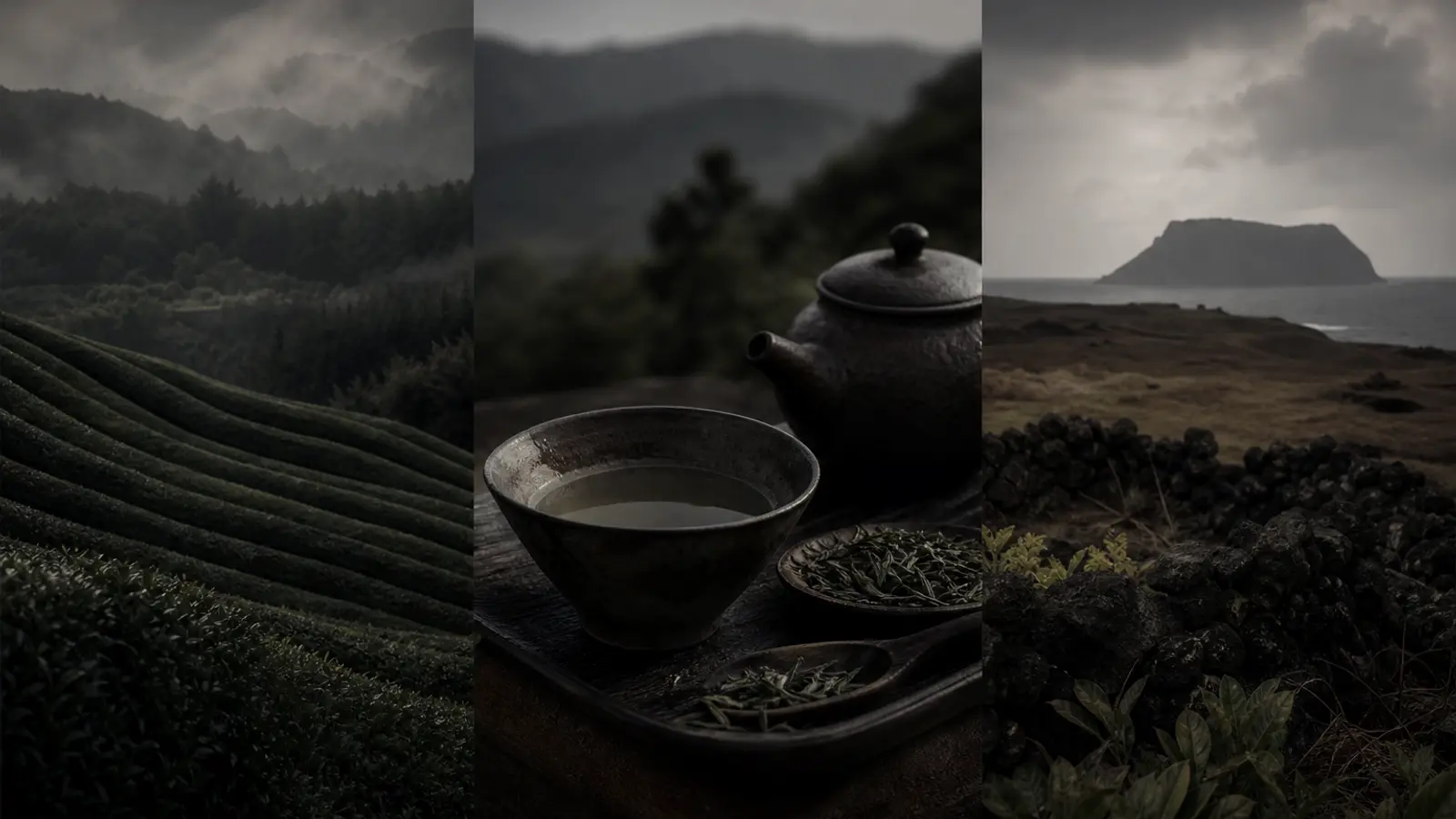
Understanding Hadong positions you to understand Korean tea as a whole. Boseong produces the volume and sets the accessible standard. Jeju island brings volcanic terroir and distinctive cultivar experiments. But Hadong provides the historical anchor — the evidence that Korean tea culture is not an import of Chinese or Japanese frameworks but an indigenous tradition with over a millennium of continuous development in a specific mountain landscape.
The wild-tea philosophy implicit in yasaeng-cha (야생차) culture challenges assumptions that good tea requires intensive management. The Korean dain who harvests from plants she did not plant, using processing methods her teacher’s teacher refined, producing tea that no automated system could replicate, is making an argument about what tea is for. It is an argument worth hearing.