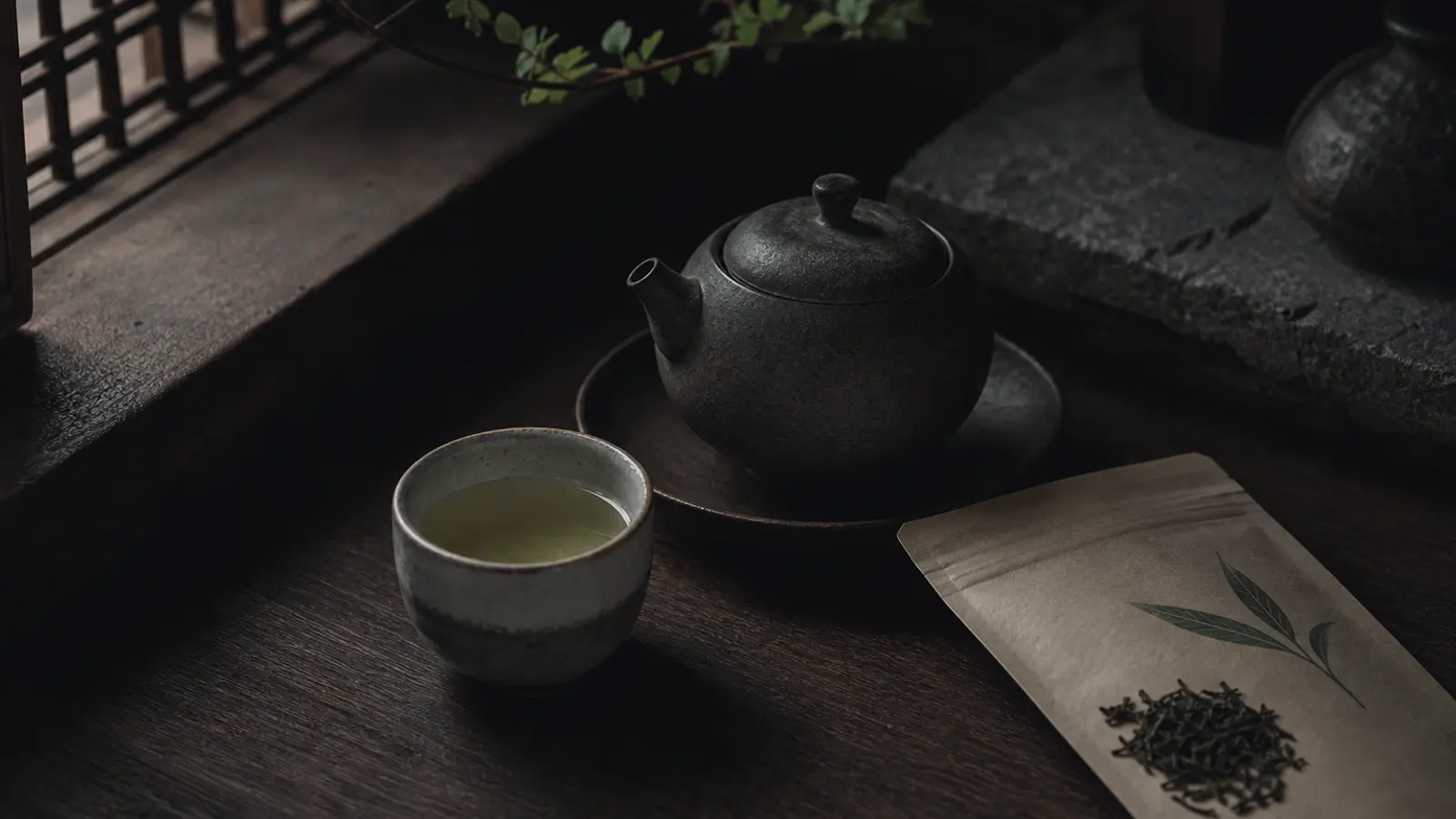
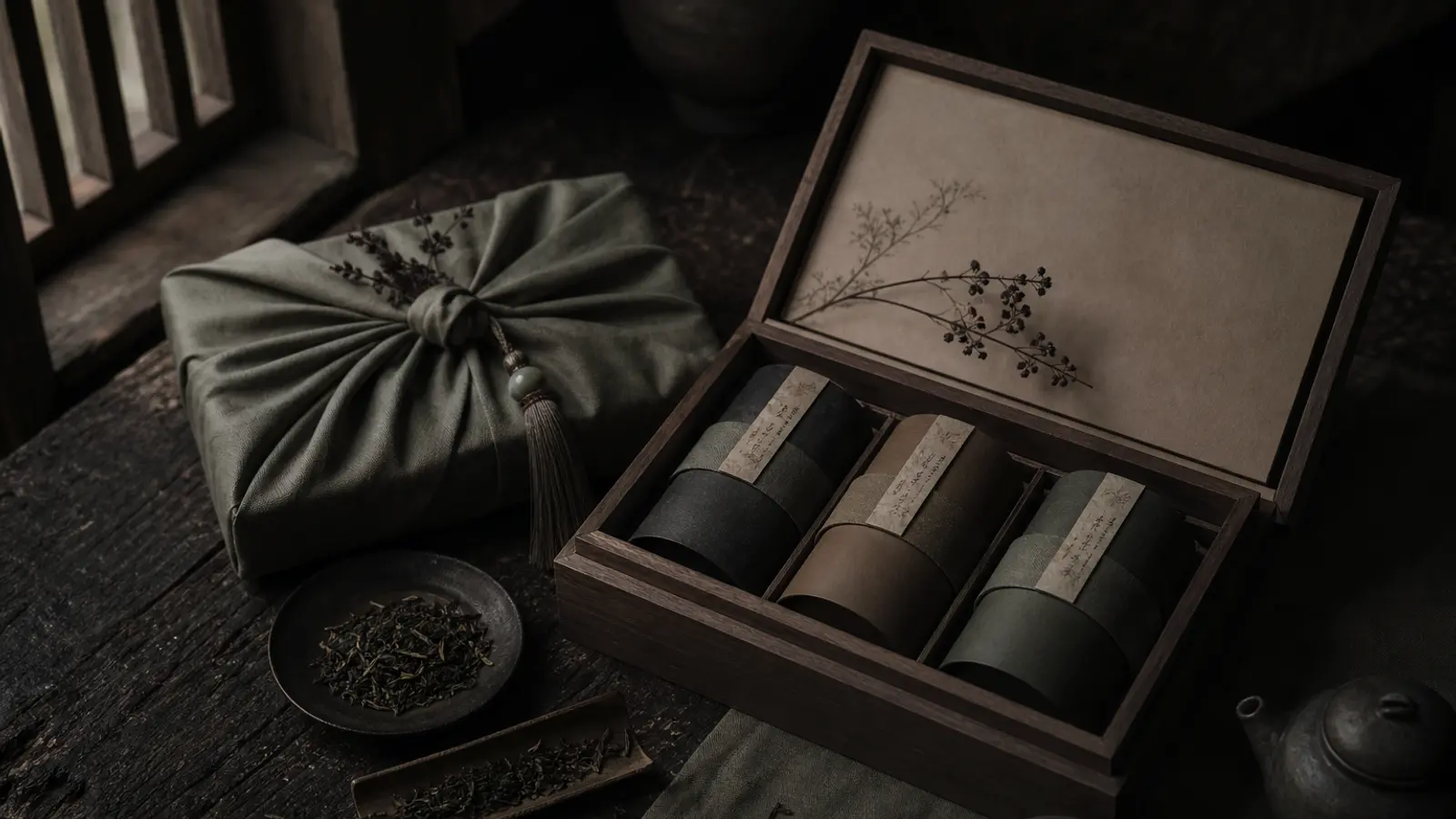
In Korean culture, gift-giving — 선물 (seonmul) — is not casual. It is a structured social practice with specific expectations around quality, presentation, and appropriateness. Korean tea gifts occupy a respected tier in the gifting hierarchy: above casual snacks, below luxury goods, and carrying a cultural weight that makes them appropriate for nearly every occasion worth marking.
Whether you are Korean and choosing tea as a gift, or an international buyer looking for something distinctive to give, understanding how tea functions within Korean 선물 culture is the difference between a gift that lands and one that misses.
Where Tea Sits in the Korean Gifting Hierarchy
Think of Korean gift-giving as a ladder. At the bottom: packaged snacks, fruit baskets, commodity items. At the top: luxury goods, cash gifts in envelopes (축의금, chugeuigeum), high-end electronics. Tea sits in the middle-to-upper tier — a gift that communicates taste, thoughtfulness, and cultural literacy.
This positioning matters. A well-chosen Korean tea gift tells the recipient: I consider you someone of refinement, and I put thought into this. In Korean social dynamics, where hierarchy (위계, wigye) and mutual respect shape every exchange, that message carries real weight.
The closest Western parallel is wine. A bottle of good Champagne at a dinner party signals the same things a quality tea gift set signals at Chuseok: I showed up prepared, I understand the occasion, and I respect you enough to choose well.
The Commercial Tier: Osulloc Gift Sets
Osulloc (오설록), the tea subsidiary of Amorepacific, dominates Korean tea gifting the way Moët dominates Champagne gifting — not because it is the finest tea in the country, but because it is premium-positioned, universally recognized, and immaculately packaged.
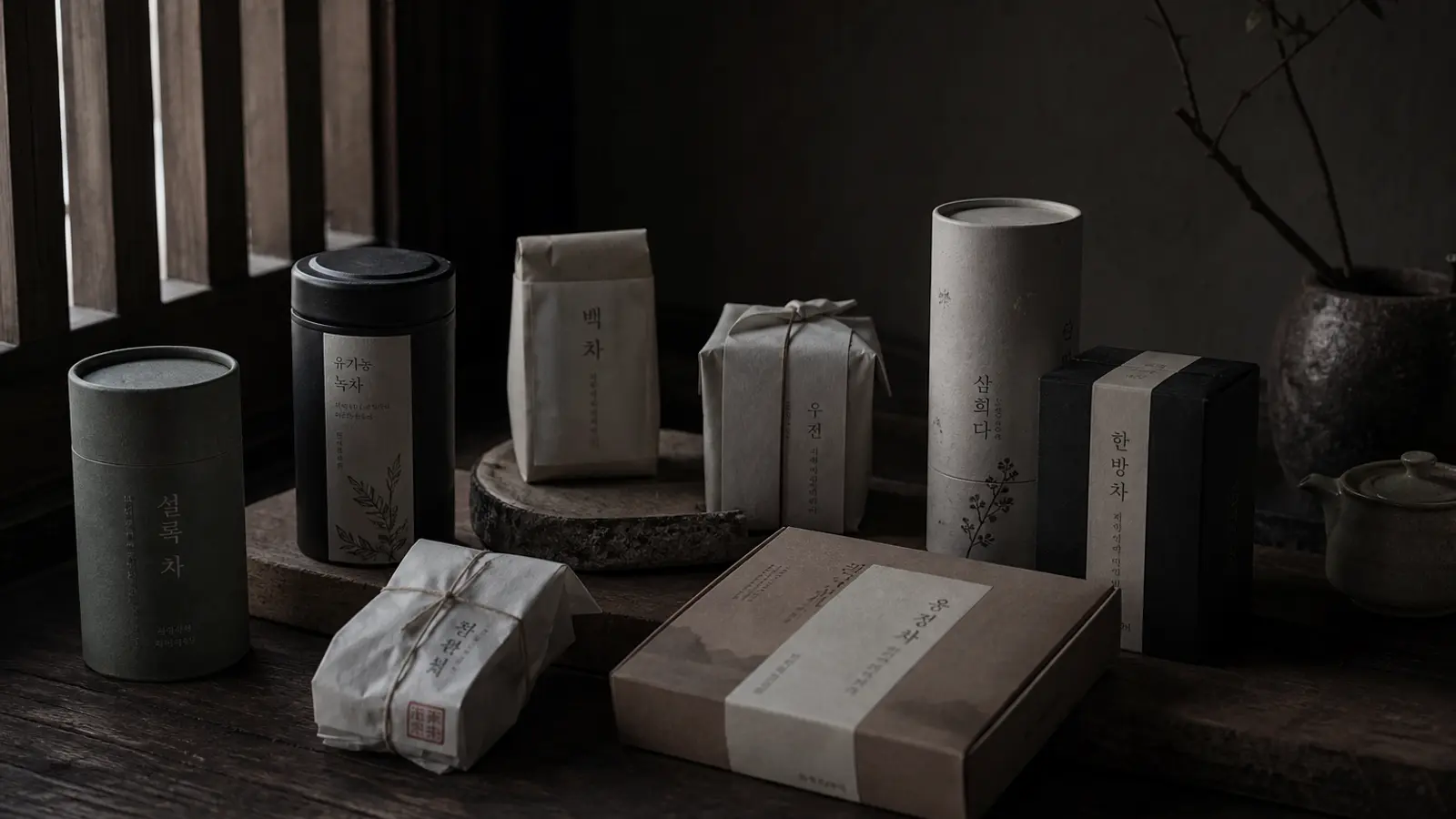
An Osulloc gift set is a safe, prestigious choice for both corporate gifts (비즈니스 선물, bijineseu seonmul) and personal occasions. Their packaging is sleek, seasonal, and designed with the understanding that in Korean culture, the box is part of the gift. Osulloc understands 선물포장 (seonmul pojang — gift presentation) at an institutional level.
Osulloc Price Tiers
| Tier | Price Range (USD) | Typical Contents | Best For |
|---|---|---|---|
| Entry | $22–$35 | Tea bag assortments, small loose-leaf tins | Casual gifts, 집들이 (housewarming) |
| Mid | $40–$70 | Premium loose-leaf sets, blended collections | Corporate gifts, Parents’ Day |
| Premium | $80–$145+ | Aged teas, limited editions, curated multi-item sets | Seollal, Chuseok, distinguished recipients |
Osulloc is available internationally through their online store and global retail platforms, making it the most accessible entry point for anyone sending a Korean tea present abroad.
If you are unsure what to give and the relationship calls for something polished: an Osulloc gift set in the $40–$70 range is the Korean equivalent of bringing a good bottle of Burgundy. Nobody will be disappointed.
Beyond Commercial: Artisan Korean Tea as a Prestige Gift
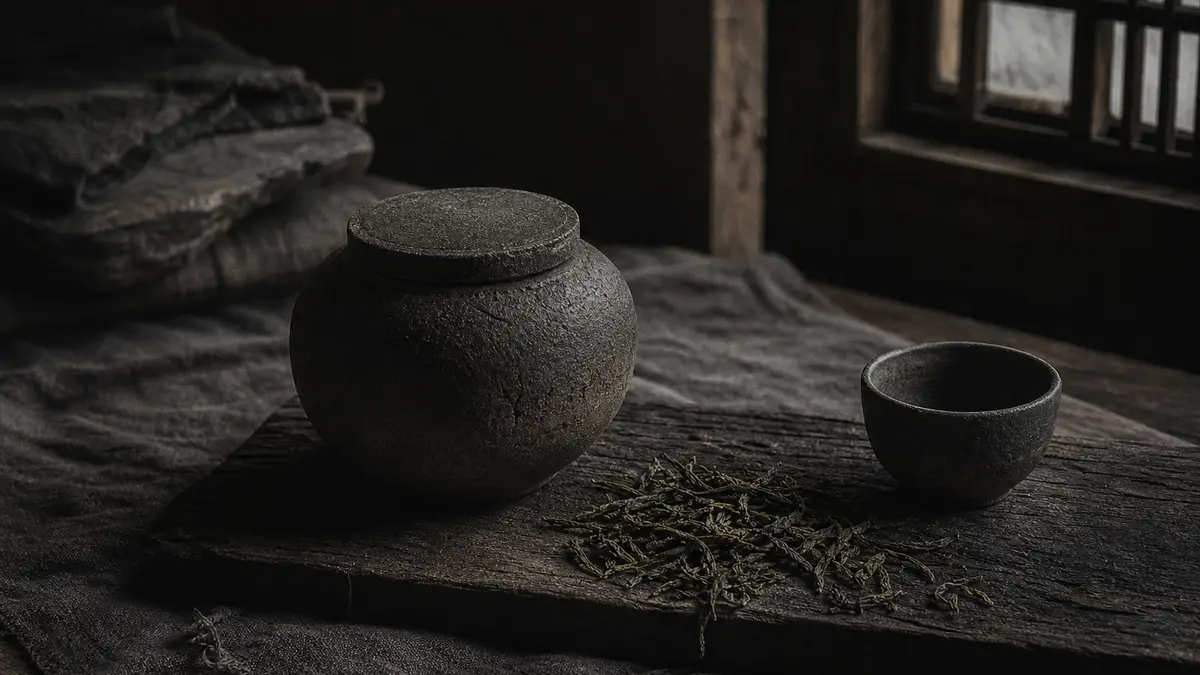
For a more distinctive and personal gift, artisan Korean tea from named producers represents a level above commercial brands — the difference between a négociant Burgundy and a single-vineyard Grand Cru.
A 50g package of Hadong (하동) ujeon (우전) — the first-pick spring tea, sometimes from wild-growing bushes (야생차, yasaeng-cha) — runs $100–$200 depending on the producer and harvest. This is a genuinely special gift for a tea lover. The quantity is small. The flavor is extraordinary: vegetal sweetness, marine depth, a clean finish that lingers. The recipient is holding something that most Western tea drinkers have never encountered.
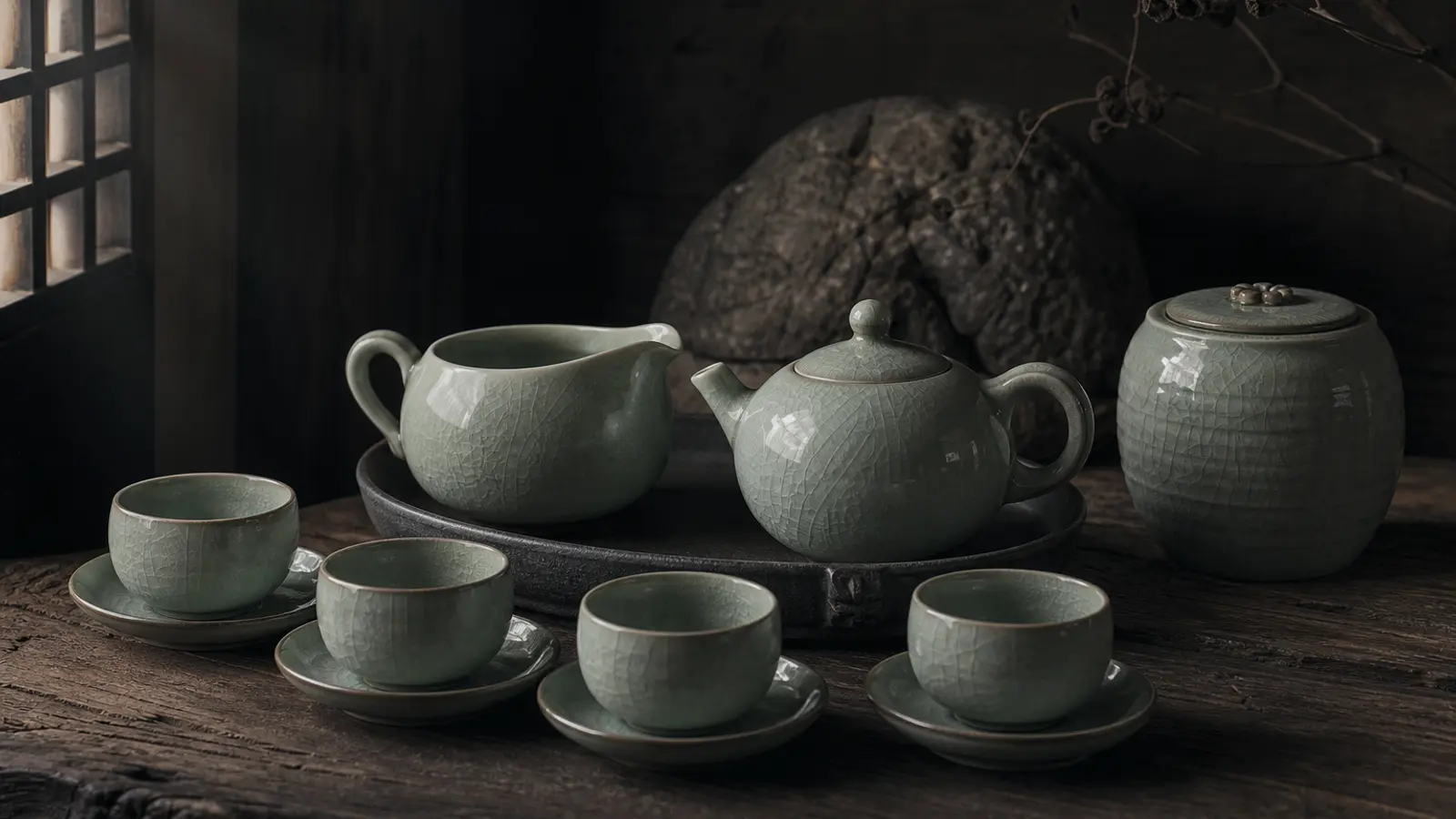
Pair that artisan tea with a piece of Korean celadon (청자, cheongja) teaware — a single cup in the $35–$70 range from an active ceramicist — and you have created a gift that is:
- Culturally meaningful — rooted in Korean tea tradition (다례, darye)
- Materially excellent — handmade ceramics and hand-processed tea
- Unavailable in typical Western gift shops — genuinely distinctive
This combination communicates a level of intention and knowledge that mass-market gifts cannot. For the right recipient — a parent, a mentor, a business relationship you want to honor — it is hard to beat.
Artisan Korean tea is available through specialty Korean tea retailers and Korean-language sourcing platforms. Many Korean tea producers offer gift packaging (선물포장), including paulownia wood boxes (오동나무 상자, odong-namu sangja) and traditional wrapping cloth (보자기, bojagi). When ordering artisan tea as a gift, request 선물포장 explicitly.
Korean Gifting Occasions Where Tea Is Appropriate
Tea works for virtually every Korean gifting occasion. Here are the major ones:
- 설날 (Seollal) — Korean Lunar New Year. Tea gift sets are a staple, especially for elders.
- 추석 (Chuseok) — The autumn harvest festival. Premium tea sets rank alongside fruit boxes and traditional food gifts.
- 어버이날 (Eobeoinal) — Parents’ Day, May 8. Tea is a respectful, health-conscious gift that signals care.
- 연말 선물 (yeonmal seonmul) — Corporate year-end gifts. Osulloc sets circulate heavily in Korean business culture during this period.
- 집들이 (jibdeuri) — Housewarming. A tea set is appropriate and practical — you are wishing the recipient a calm, settled home.
- 감사 선물 (gamsa seonmul) — General gratitude gifts. When you owe someone thanks and words are not enough, tea says it cleanly.
The common thread: tea is never wrong. It does not carry the dietary restrictions of food gifts, the presumption of alcohol, or the impersonal feel of gift cards. It is a thoughtful, neutral gift that scales gracefully from casual to formal.
Presentation Matters: 선물포장 Is Not Optional
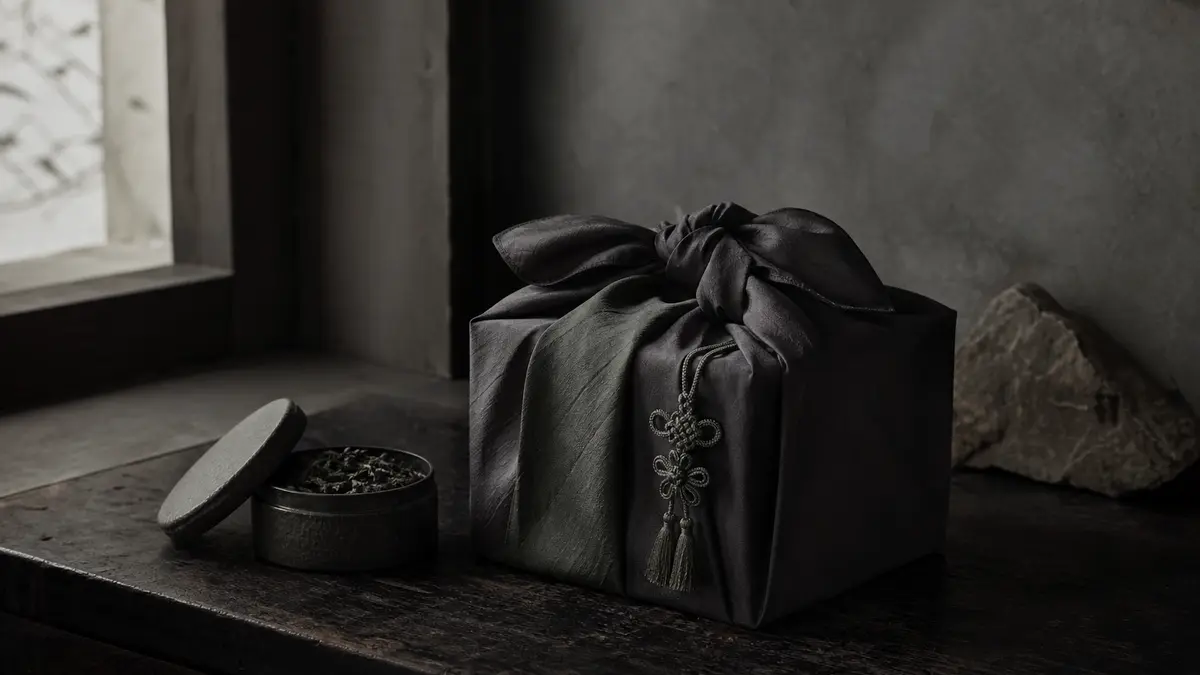
Korean gifts are judged partly on presentation. This is not vanity — it is cultural grammar. A beautifully wrapped gift communicates that you invested time and attention. An unwrapped or casually packaged gift, even if the contents are excellent, can read as careless.
Commercial brands understand this instinctively. Osulloc’s packaging is engineered for 선물포장: clean lines, seasonal colorways, magnetic closures. The box itself signals “this is a gift” before it is opened.
For artisan tea, presentation requires more intention on your part:
- Request gift packaging when ordering. Many Korean tea producers offer paulownia wood boxes or handmade paper wrapping at a modest upcharge.
- Include a handwritten note. In Korean gifting culture, a brief, sincere note (even a few lines) elevates the gift significantly.
- Consider the full composition. Tea + teaware + a note, arranged in a single box or wrapped together in bojagi cloth, reads as a curated gift rather than individual items.
If you are assembling a gift from multiple sources, a simple bojagi wrap ties everything together. Bojagi wrapping is itself a Korean tradition — the cloth becomes part of the gift.
The International Angle: Korean Tea as a Distinctive Gift Abroad
Here is where Korean tea gifts become strategically interesting for international gift-givers.
Most Western tea drinkers have never tasted Korean green tea. They know Japanese matcha and sencha. They may know Chinese longjing. Korean tea — with its distinct processing, its softer vegetal character, its connection to Buddhist temple culture — is genuinely unfamiliar territory.
This unfamiliarity is an asset. A curated Korean tea gift, accompanied by a note explaining the tradition, introduces the recipient to something they cannot find at their local tea shop. It is not just a gift — it is an experience, a doorway.
For international recipients, I would suggest:
- A mid-tier Korean green tea — sejak (세작) grade, $40–$70 for 50–100g — which is approachable and distinctive without being so precious that a novice feels afraid to brew it
- A brief tasting note explaining water temperature (70–80°C for Korean greens), steep time (60–90 seconds for the first infusion), and what flavors to expect
- Context — even two sentences about Korean tea culture transforms the gift from “a bag of tea” into “an introduction to something I find meaningful”
Korean tea ships internationally without difficulty. Dried tea leaf clears customs in most countries. The logistics are straightforward — the challenge is sourcing, not shipping.
How Much to Spend on a Korean Tea Gift
Korean gifting culture has implicit price expectations tied to the nature of the relationship. Spending too little signals indifference. Spending too much can create an uncomfortable sense of obligation (부담, budam). The goal is appropriateness.
| Relationship / Occasion | Suggested Range (USD) | What That Buys |
|---|---|---|
| Casual / peer / housewarming | $22–$45 | Osulloc entry set, or quality sejak in simple packaging |
| Corporate / professional | $50–$100 | Premium Osulloc set, or artisan sejak with gift wrapping |
| Parents / mentors / formal gratitude | $70–$150 | Artisan tea + celadon cup, or premium Osulloc collection |
| Exceptional occasions | $150–$250+ | Hadong ujeon + artisan teaware in paulownia box |
These ranges apply whether the recipient is Korean or international. The quality speaks for itself across cultures.
Building a Korean Tea Gift: A Practical Framework
If you want a simple decision framework:
- Determine the occasion and relationship. This sets your budget and formality level.
- Choose your tier. Commercial (Osulloc) for safe and polished. Artisan for distinctive and personal.
- Add teaware if the budget allows. A single celadon cup or a small ceramic tea caddy elevates any tea gift.
- Invest in presentation. Request 선물포장, use bojagi wrapping, or at minimum ensure clean, intentional packaging.
- Include context. A note — handwritten if possible — explaining your choice and how to brew the tea.
That is the formula. It works for Seollal gifts to Korean grandparents and for birthday presents to tea-curious friends in London. The underlying principle is the same: show that you chose with care.
We are building curated Korean tea gift sets for international buyers — sourced directly, presented properly, and shipped worldwide. Subscribe to the Steep Atlas newsletter to be notified when they launch.
For deeper context on Korean tea, see our Korean tea guide. For sourcing artisan tea and teaware, explore our guide to buying Korean tea and Korean celadon tea sets.