Dancong oolong (单丛) requires the fastest and most precise gongfu brewing of any tea type. The aromatic volatiles that make dancong extraordinary — terpenes, volatile esters, the compounds responsible for names like Milan Xiang (蜜兰香, honey orchid) and Ya Shi Xiang (鸭屎香, duck shit aroma) — release in the first seconds of contact with hot water. Overextraction by even five seconds shifts the cup from transcendent fragrance to punishing astringency. The margin for error is smaller than any other tea.
This guide covers the exact parameters, technique, and steep-by-steep progression for brewing Phoenix oolong (凤凰单丛, Fènghuáng Dāncóng) at its best.
Dancong Brewing Parameters at a Glance
| Parameter | Value |
|---|---|
| Water temperature | 95–100°C (boiling or near-boiling) |
| Leaf dose | 7–8 g per 100 ml |
| First steep | 5–8 seconds |
| Second steep | 5–8 seconds |
| Subsequent steeps | +3–5 seconds per round |
| Expected steeps | 10–15 from quality material |
| Vessel | Thin-walled gaiwan (蓋碗) or Chaozhou clay pot, 80–120 ml |
These numbers are not suggestions. They are the narrow window where dancong delivers what it promises.
The Right Vessel for Dancong
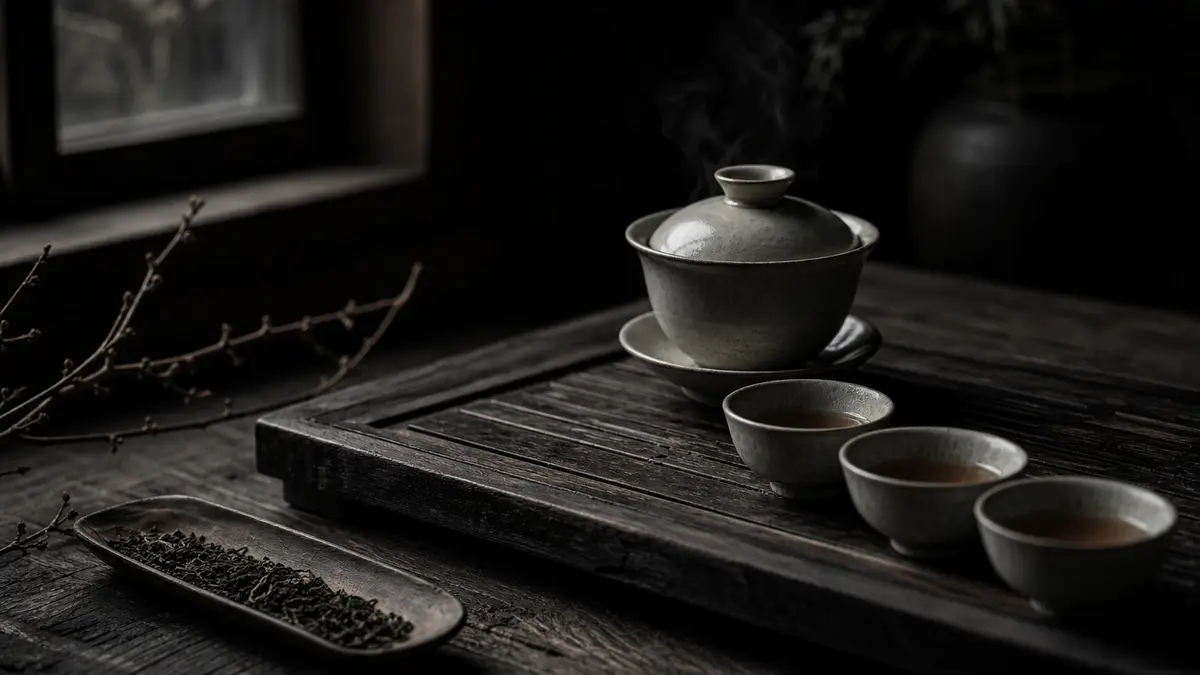
Two options work well, and the choice is partly aesthetic, partly functional.
The traditional Chaozhou gongfu (潮州工夫茶) setup uses a tiny unglazed clay pot — typically 80–100 ml — paired with three equally tiny cups. This is the sanbei shi (三杯式, three-cup method). The clay retains heat aggressively and, over time, seasons to complement the tea. If you brew dancong exclusively, a dedicated Chaozhou pot rewards that commitment.
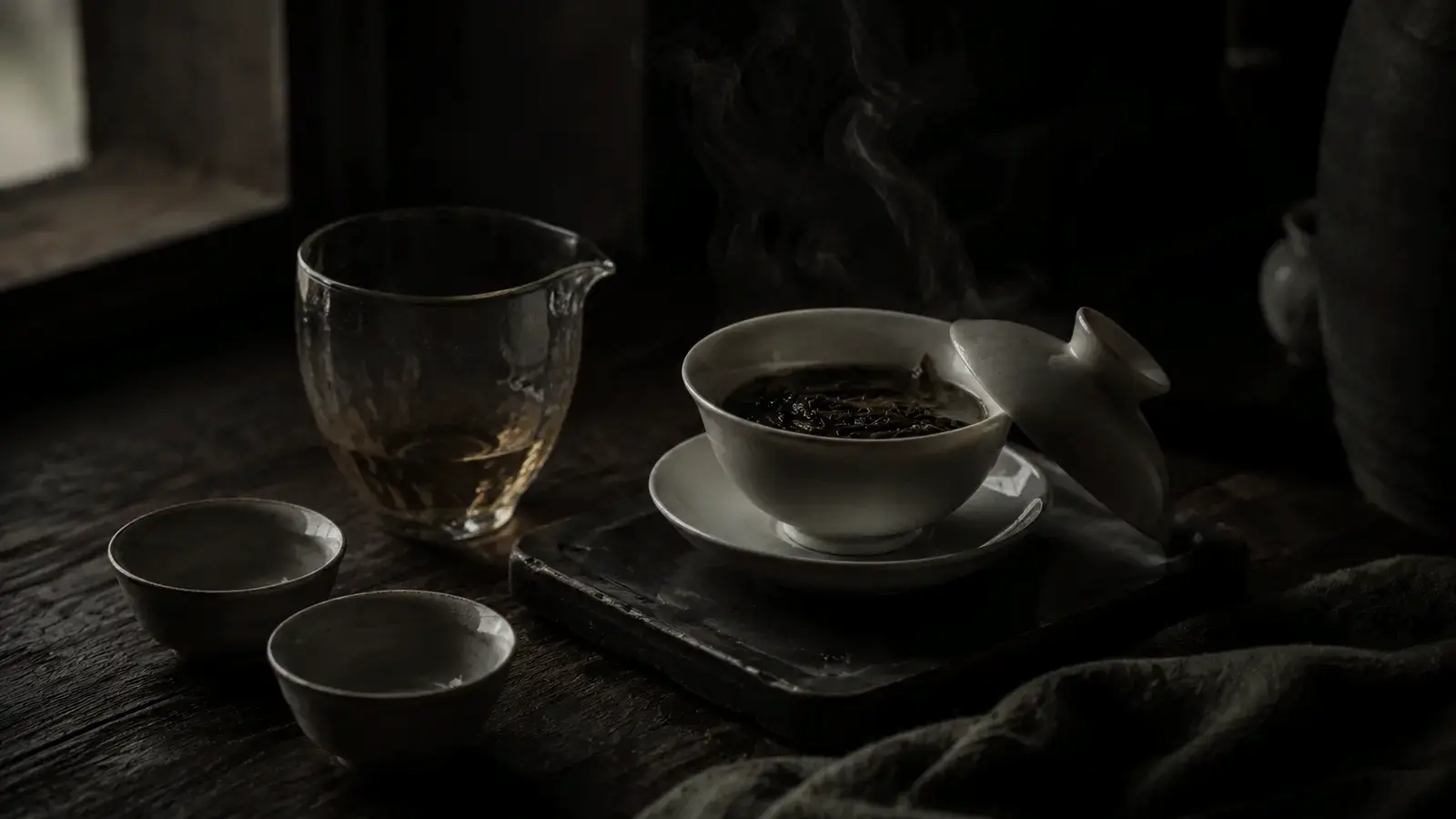
A thin-walled porcelain gaiwan works equally well and offers more versatility. The thin walls don’t trap excess heat the way thick stoneware does, and the wide opening makes fast decanting easier — critical when every second counts. For most people, especially those brewing multiple tea types, the gaiwan is the practical choice.
Whatever you use, keep it small. A 100 ml vessel is ideal. Larger vessels slow the pour and extend contact time.
Why Speed Matters More Than Anything
Understanding the extraction science behind dancong explains why the parameters are so unforgiving.
Dancong’s aromatic compounds — the linalool, geraniol, nerolidol, and volatile esters that produce those named fragrances — extract almost instantly in hot water. They are small, light molecules that dissolve on contact.
The tannins and catechins that produce astringency are larger molecules. They extract more slowly. This creates a time-dependent gap:
- At 5 seconds: you capture aroma with minimal astringency.
- At 10 seconds: astringency begins to rise.
- At 15 seconds: astringency catches up and overwhelms the aroma.
The entire dancong brewing discipline is about staying ahead of the astringency curve. You are always pouring off the liquor before the tannins catch the terpenes.
The wine parallel is useful here. Brewing dancong is like decanting a very young, delicate wine — timing and handling matter more than with robust everyday wines. Get it right and the reward is extraordinary. Get it wrong and you wonder what the fuss was about.
How to Brew Dancong Step by Step
1. Preheat Everything
Boil your water. Pour it through the gaiwan or pot and into the cups. Discard. Do this twice if your vessel is cold. Dancong needs the vessel at temperature before the leaves go in — a cold vessel drops water temperature by 5–10°C on contact and steals the heat needed to volatilize the aromatics.
2. Dose the Leaf
Weigh 7–8 grams of dancong for a 100 ml vessel. The strips should nearly fill the gaiwan once they hydrate and expand.
This ratio sounds high compared to other oolongs. It is. At 5 g per 100 ml, dancong reads as thin and tannic — you’re diluting the aromatic burst that masks the astringency. The concentrated dose is the point. You need density in the cup for the fragrance to register fully.
3. Pour with Conviction
This detail gets overlooked and it matters. A slow, gentle pour extends contact time unevenly across the leaves — the bottom leaves steep while the top leaves are still dry. A fast, decisive pour saturates all leaves simultaneously, which means you can start your timer honestly and decant quickly.
Pour directly into the center of the leaf mass. Fill the vessel in two to three seconds. No circling, no theatrics.
4. Decant Immediately
For the first steep, begin pouring out at 5 seconds. Not 5 seconds after you finish pouring — 5 seconds after the water first hits the leaf. With practice, the pour-in and pour-out become one continuous motion with a brief pause in between.
Decant into a fairness pitcher (公道杯, gōngdào bēi) or directly into the cups. The goal is complete separation of leaf from liquor. No dripping. No residual water sitting on the leaves between steeps.
5. Follow the Steep Progression
The arc of a dancong session is one of the most dramatic in tea:
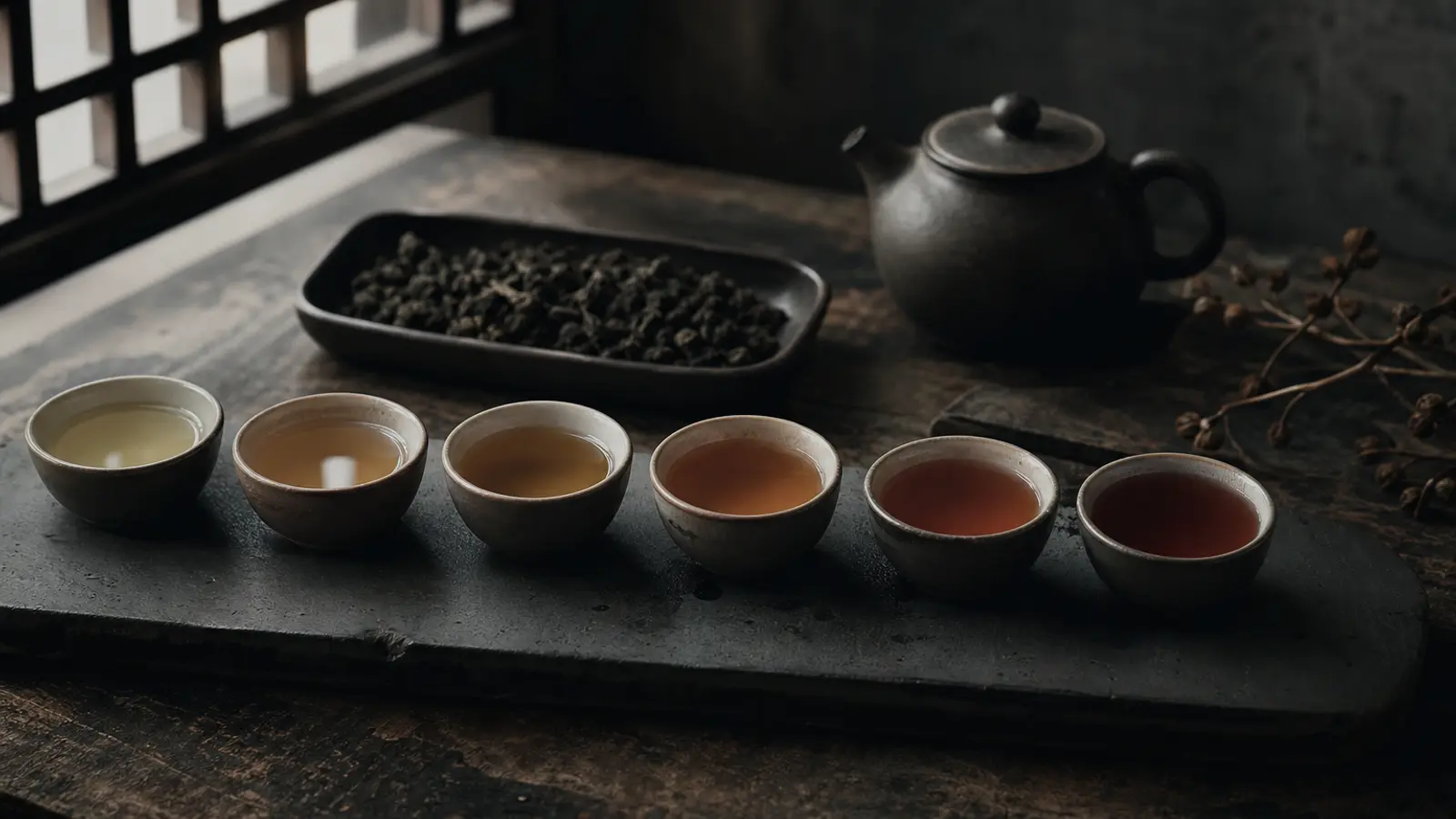
Steeps 1–3: The Aromatic Peak. This is where the named fragrance — honey orchid, osmanthus, ginger flower, duck shit aroma — is most vivid. The liquor may be lighter in body but the aroma should fill the room. Keep these steeps at 5–8 seconds. Do not negotiate with yourself about “just a few more seconds for strength.” Strength is not what you’re after here. Clarity is.
Steeps 4–7: Mineral and Body. The volatile aromatics fade as those compounds deplete from the leaf. What emerges is deeper: mineral character, a thicker mouthfeel, and the huigan (回甘) — the returning sweetness that blooms in the throat after swallowing. Start adding 3–5 seconds per steep. The tea can handle it now because the most aggressive tannins have already extracted.
Steeps 8–12+: Sweet and Clean. The leaf gives its last reserves. The cup becomes sweet, soft, sometimes grain-like or stony. These late steeps are quiet pleasures — less complex than the opening act, but satisfying in a different register. You can push steeps to 30–45 seconds or longer without punishment.
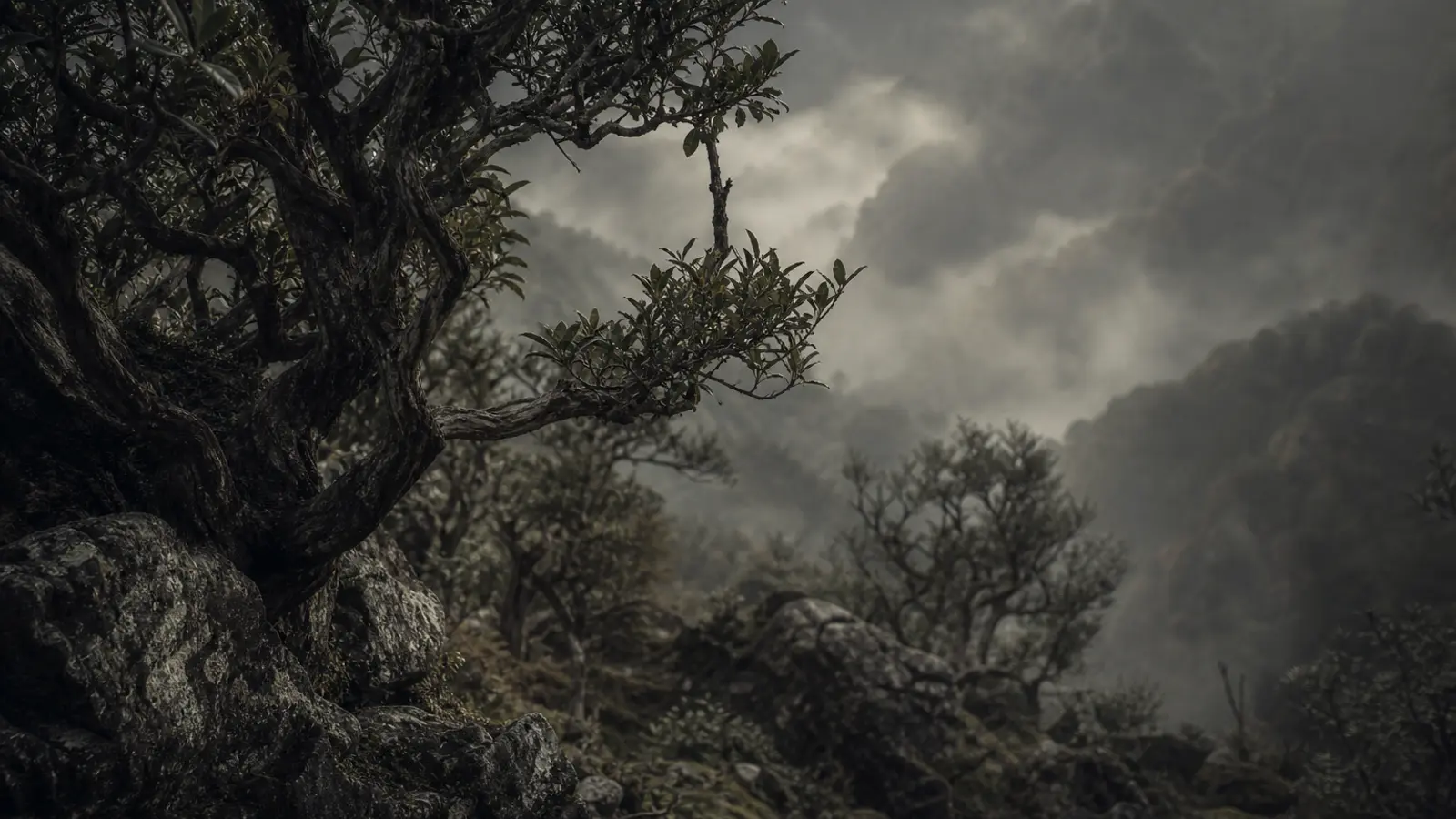
A full session takes 20–30 minutes for 10–15 steeps. Quality dancong from old trees or high-elevation Fenghuang Mountain (凤凰山) gardens can push past 15 steeps with grace.
Common Mistakes When Brewing Dancong
Steeping Too Long on the First Three Infusions
This is the number one error. It accounts for nearly every complaint about dancong being “too bitter” or “not worth the price.” The difference between a 5-second and a 15-second first steep is the difference between a tea that smells like a night-blooming flower and a tea that tastes like a tannic rebuke. Time yourself until the speed becomes instinct.
Using Water Below 95°C
Insufficient heat fails to volatilize the aromatics that justify the tea’s price. Paradoxically, cooler water can make dancong taste more astringent, not less, because you suppress the aromatic top notes that balance and mask the tannin perception. Use boiling water. Dancong is not a tea that benefits from caution.
Underdosing the Leaf
At 5 g per 100 ml, you get a thin, tannic cup that reveals all of dancong’s roughness and none of its charm. The high leaf dose — 7–8 g per 100 ml — produces the concentrated aromatic burst that defines the experience. More leaf at shorter times beats less leaf at longer times, every time.
Skipping the Preheat
A room-temperature gaiwan absorbs enough heat to drop your brewing water below the threshold where the aromatics fully release. Thirty seconds of preheating solves a problem that no amount of technique can fix after the fact.
A Note on Water
Dancong rewards clean, mineral-light water. Heavy mineral content competes with the tea’s own mineral character and can amplify astringency. Filtered water or a low-TDS spring water works well. Avoid distilled — it produces a flat cup with any tea.
The Reward for Precision
Dancong is not a forgiving tea. It does not tolerate distraction or approximate technique. But that demanding nature is inseparable from what makes it extraordinary. The same chemical volatility that punishes a slow pour is what fills a room with the scent of lychee or gardenia from a vessel no bigger than your fist.
Treat it with the precision it requires — fast steeps, full heat, concentrated dose — and dancong delivers an aromatic experience unmatched in the tea world. Every steep in the progression tells a different story, from the explosive fragrance of the opening to the quiet mineral sweetness at the end.
The whole session takes less than half an hour. The memory of a good one lasts considerably longer.