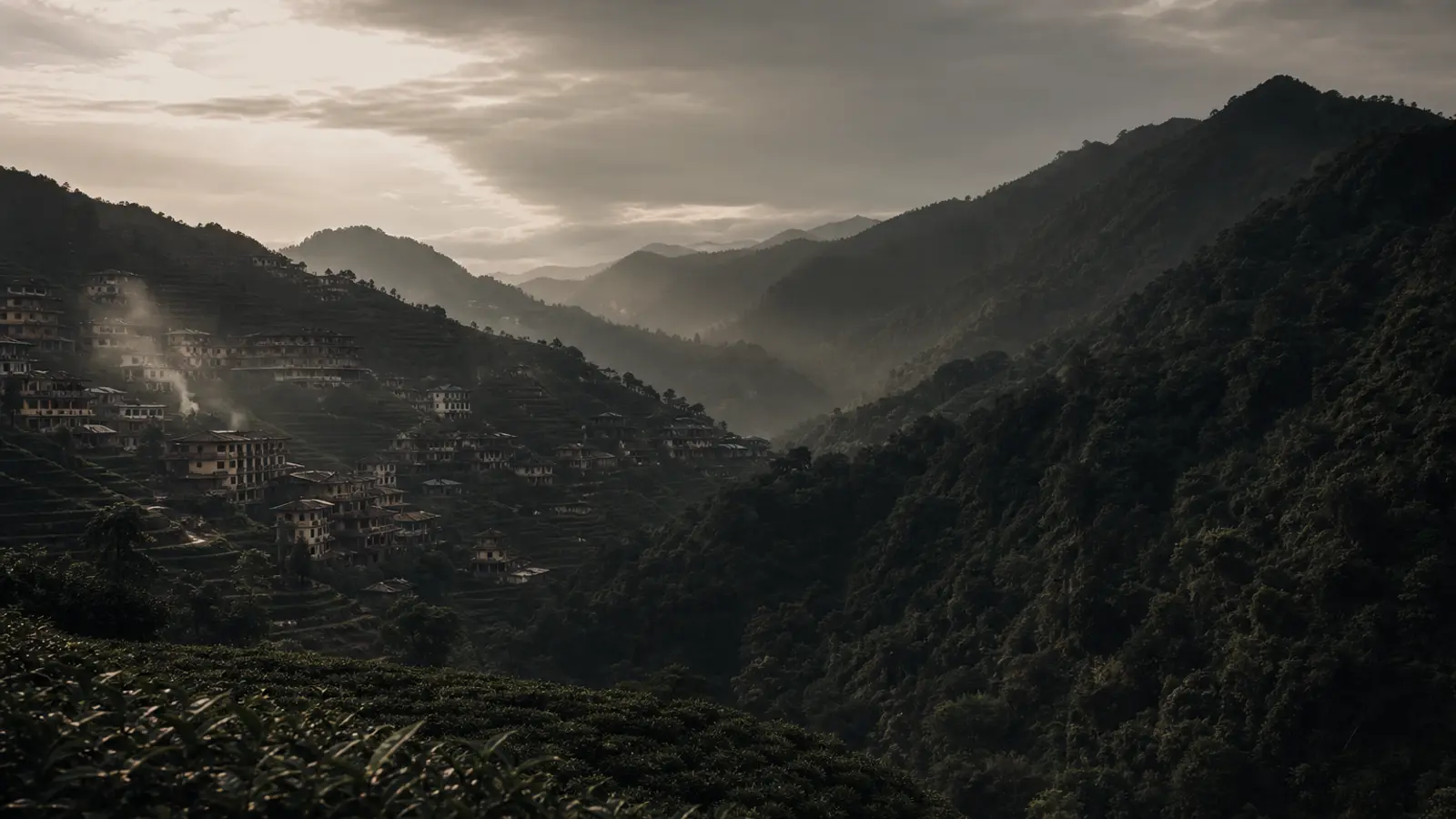
I’ve tasted Big Snow Mountain before — in shou form from a previous session, where the first steep blew me away with intensity before opening into sweetness. This 2004 “Millenial Old Tree” is the same mountain speaking through a completely different voice: aged sheng, 22 years, Guangdong dry-stored. The shou was the translated version. This is the original language.
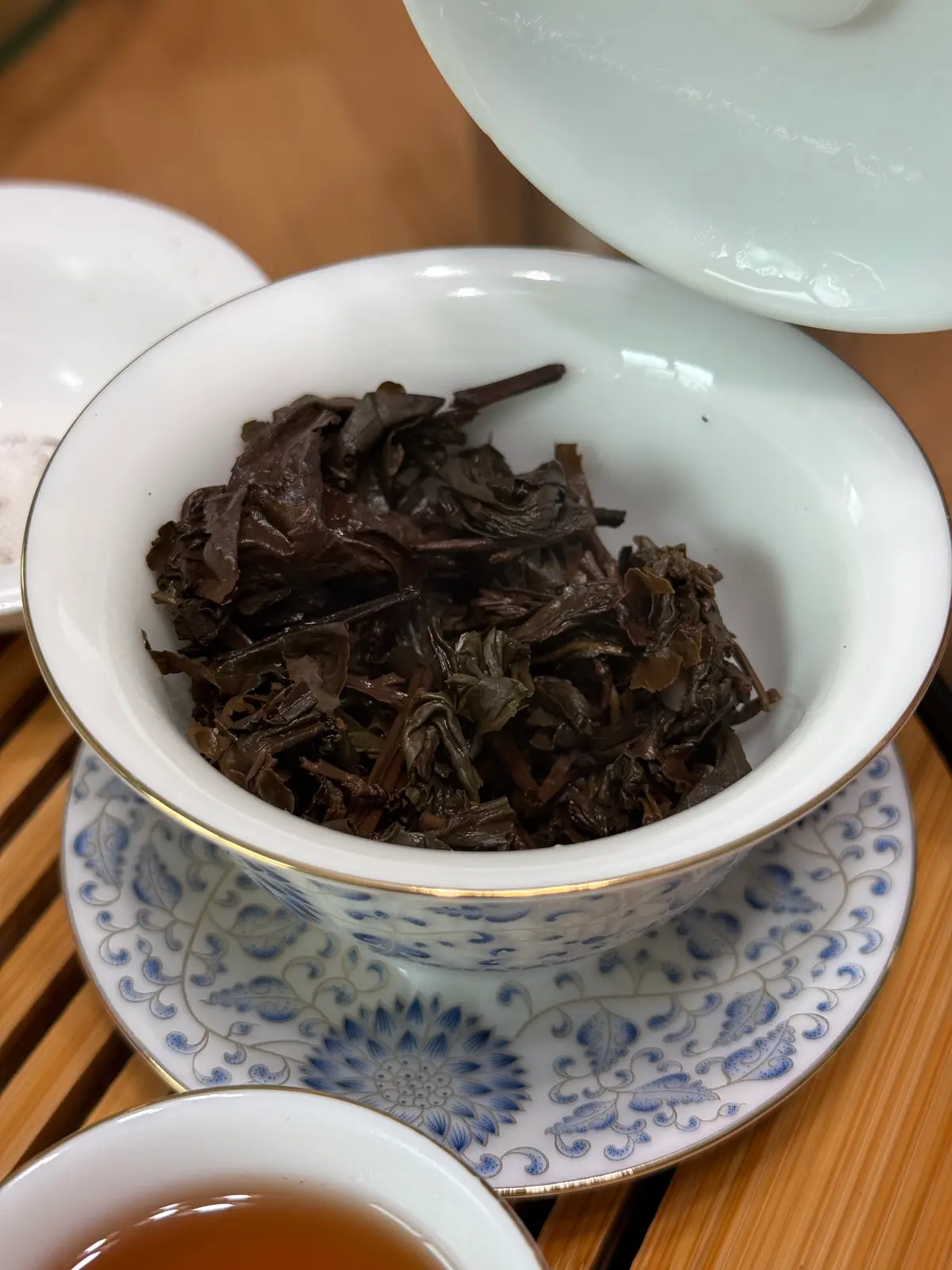
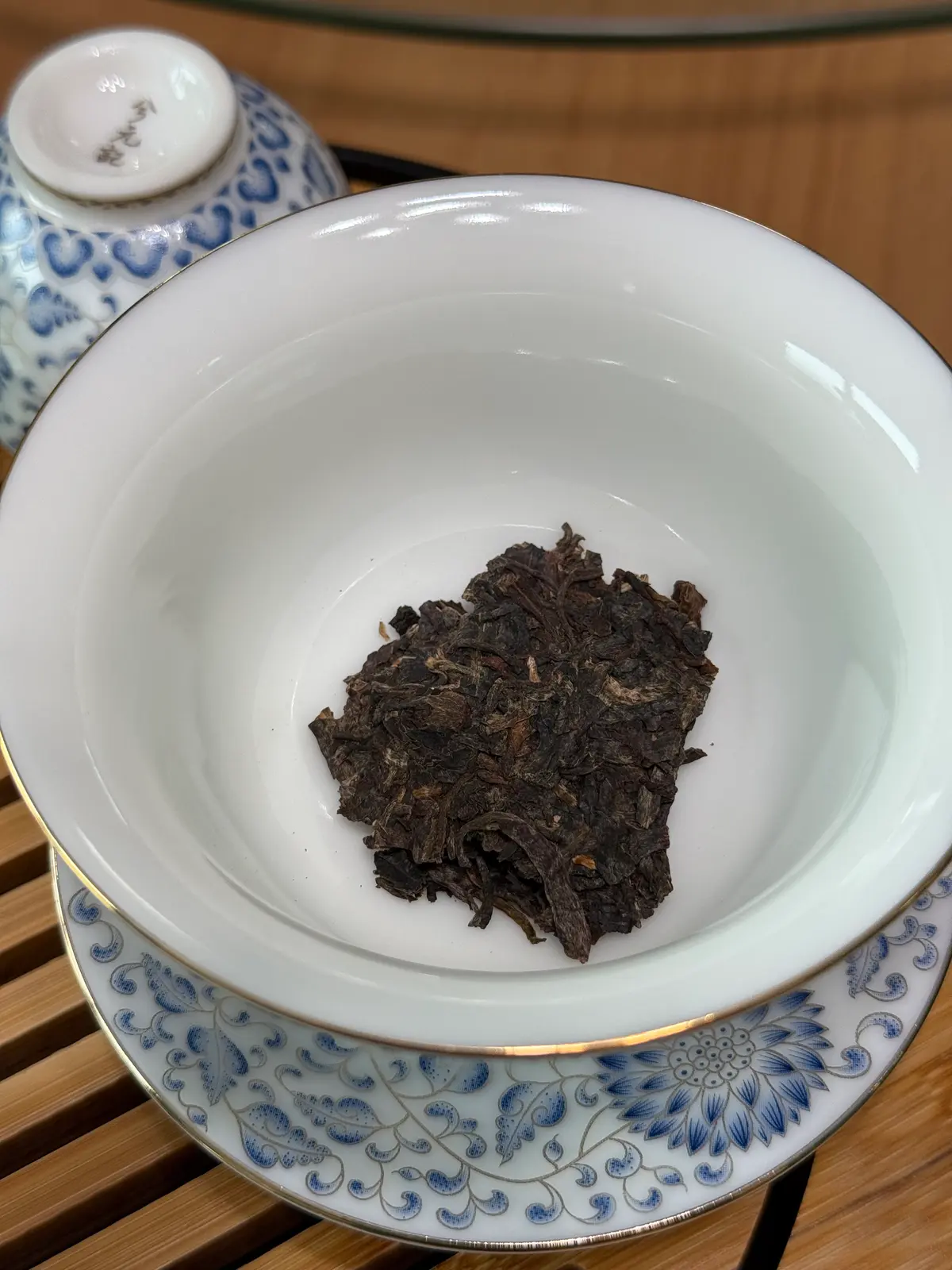
Dry Leaf
22-year-old compressed cake. “Millenial Old Tree” designation — suggesting the gardens contain trees measured in centuries. Big Snow Mountain harbors some of the oldest wild tea trees ever discovered, with specimens several thousand years old near the summit. The cultivated gardens lower on the slopes carry that ancient genetic lineage.
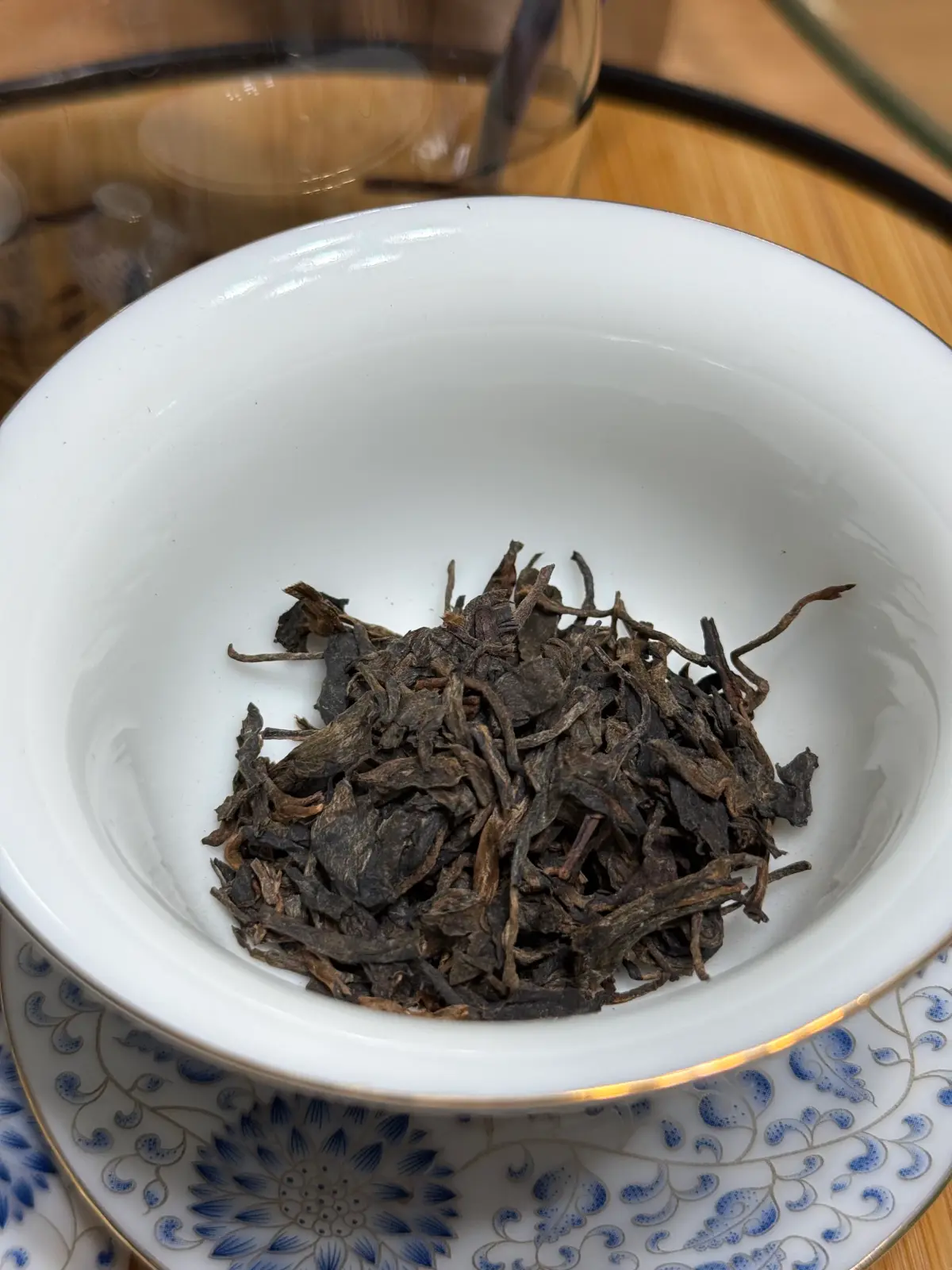
The Session
The first thing I noticed: bitterness. Not the gentle architectural bitterness of the Banna-stored Yiwu, and not the sophisticated dry-wine bitterness of the Bulang Tuo. This is Lincang mineral bitterness — harder-edged, more stone than wood, more rock face than forest floor. Mengku sits in the Da Xue Shan range, and you taste the mountain’s geology in the cup.
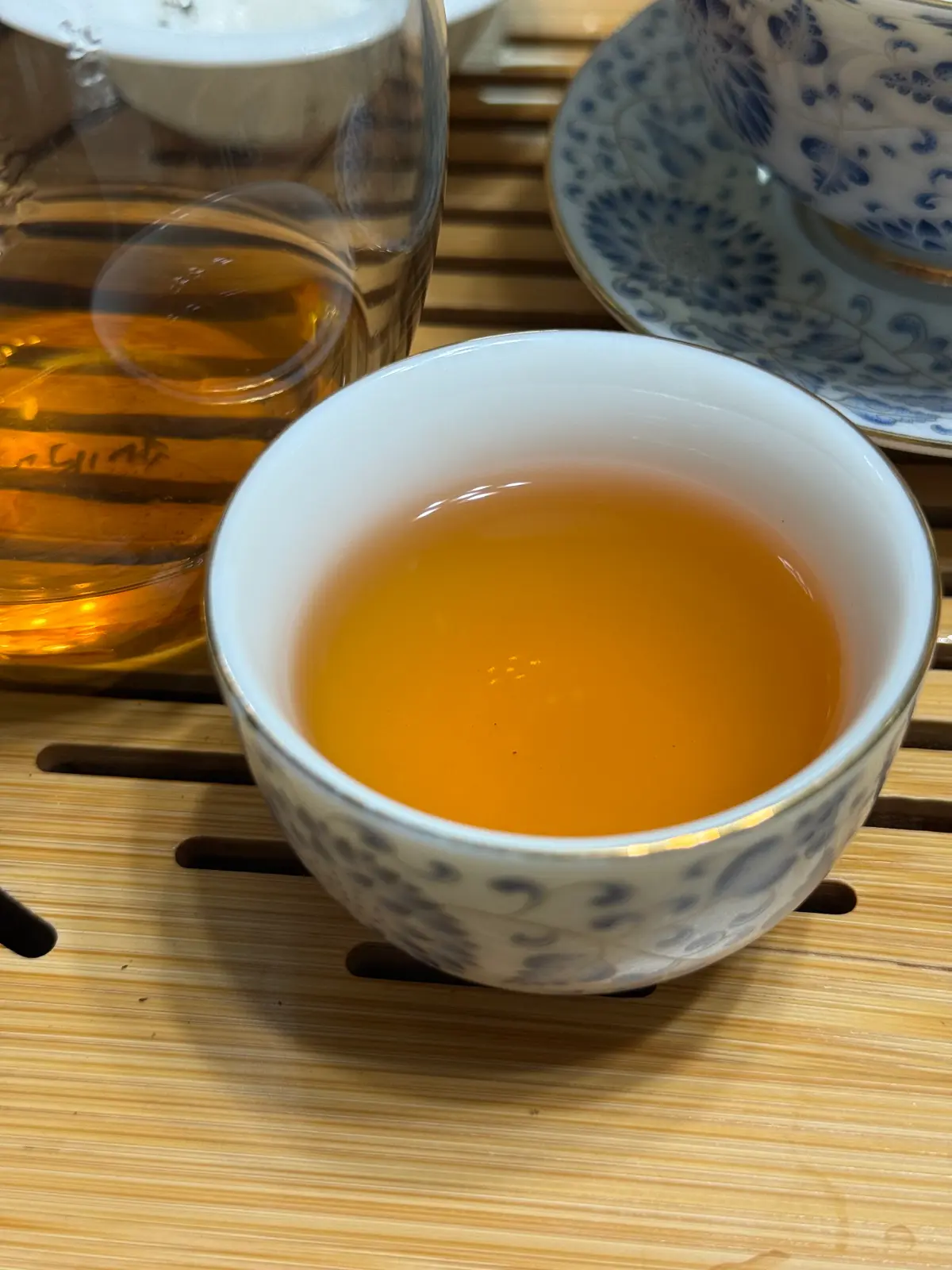
Then — a hint. Behind the mineral bitterness, barely audible, a suggestion of peach. Not the unmistakable, almost infused-tasting peach of both Yiwu sessions. More like catching a familiar scent from a passing stranger. I recognized it because I’ve now tasted enough Yiwu to know the peach signature. But here it was filtered through Lincang’s harder mineral matrix, muted and half-hidden.
This makes geographic sense. Mengku sits between Yiwu’s softer southern terroir and the harder northern highlands. Its tea sometimes borrows characteristics from both directions — Yiwu’s fruit, Bulang’s structure — without fully committing to either. The peach hint is Mengku’s nod to its southern neighbor. The dominant bitterness is its own Lincang identity.
The bitterness held through most of the session. Sweetness appeared in the huigan but never took the lead. Where the 2005 Ban Zhang’s bitterness converted dramatically into flooding sweetness, and where Yiwu’s peach was framed by gentle architectural bitterness, this Mengku kept bitterness in the foreground throughout. The sweet-to-bitter ratio favors bitter more than my palate ideally wants.
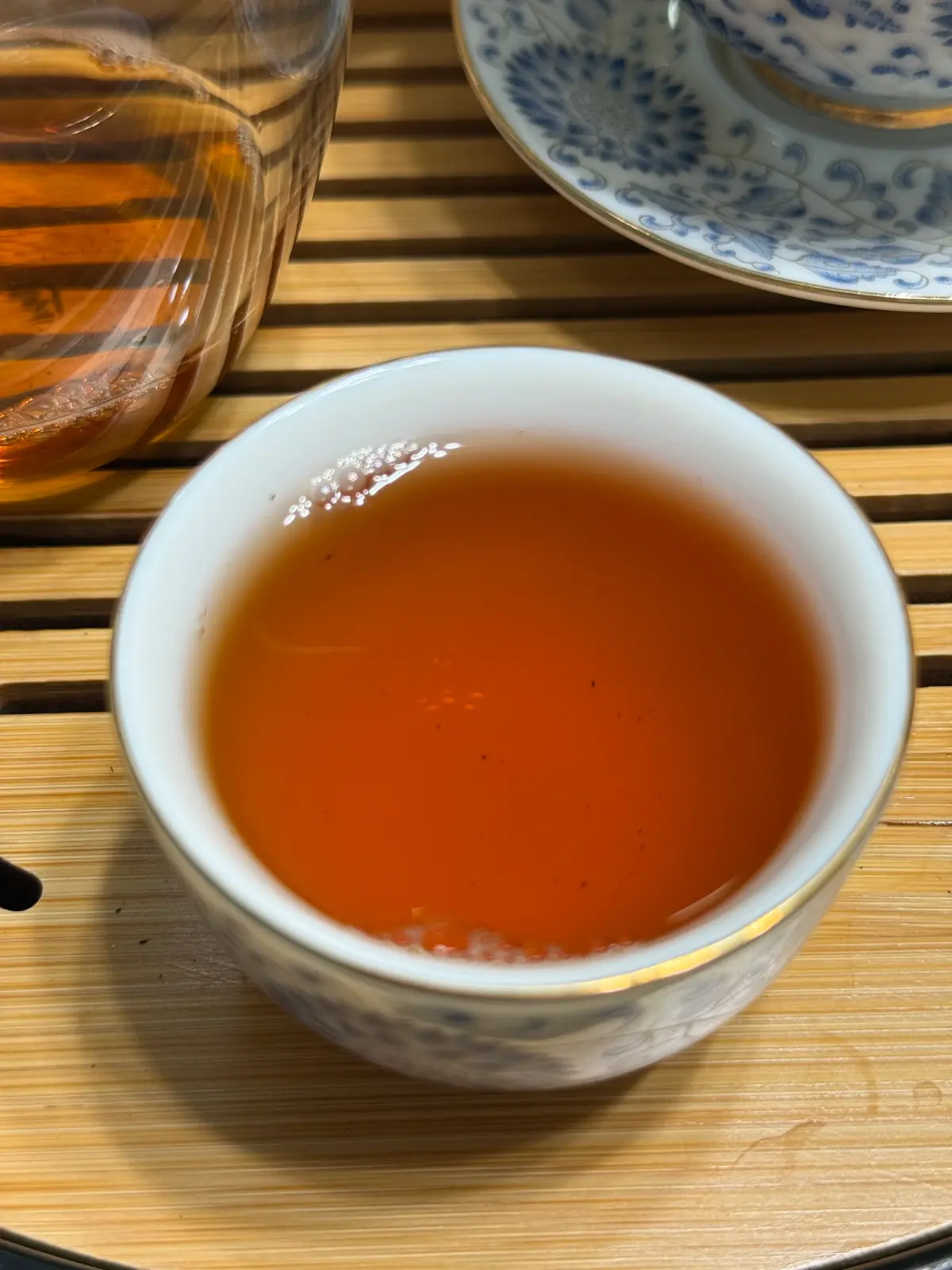
But it was not unpleasant. The Guangdong dry storage integrated the tannins well — far more comfortable than the Kunming-stored Bulang Tuo that exhausted me by steep 5-6. I could stay in this session comfortably. I just didn’t love it the way I loved the Yiwu peaches or the Ban Zhang’s dramatic conversion.
Flavor Profile
The front is mineral bitterness — Lincang’s calling card. Harder and more stone-like than Bulang’s woody bitterness. The mid carries hints of stone fruit — the peach whisper that connects this mountain to its Yiwu neighbor, but expressed through a bitter mineral filter rather than Yiwu’s sweet, elegant idiom. The finish is bitter with lingering sweetness — the huigan works but bitterness clearly leads the conversation.
Mouthfeel and Huigan
Dense and substantial. Old-tree Mengku material at 22 years produces real body — this is not thin tea. The density sits between Yiwu’s silk and Bulang’s grip. A middle weight that’s serious without being punishing. The Guangdong storage did its job — the tannin integration is notably better than the Kunming-stored Bulang Tuo, confirming that warmer storage produces more comfortable sessions for this palate.
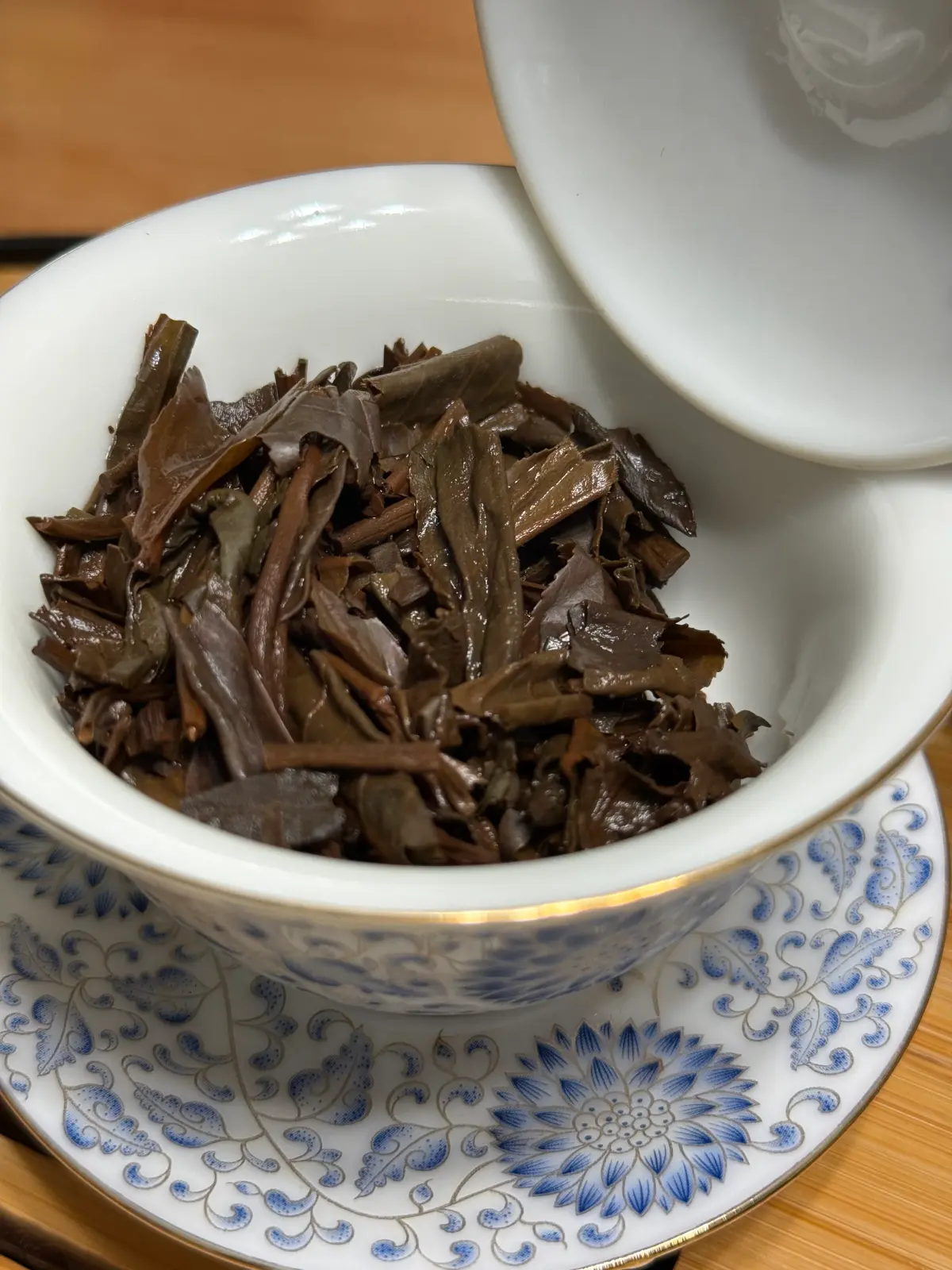
The huigan is present but the conversion ratio favors bitter over sweet. Contrast with the three benchmarks: Yiwu (sweetness leads, bitterness buffers), Ban Zhang (bitterness converts dramatically into powerful sweetness), and this Mengku (bitterness leads, sweetness follows at a distance). Of the three, this palate prefers the Ban Zhang’s dramatic conversion and Yiwu’s elegant balance over Mengku’s bitter-dominant profile.
The Terroir Map — Updated
Six aged sheng sessions have now mapped the major Yunnan terroirs:
Yiwu (易武): Peach, elegance, silk, sweetness-with-architecture. The Grand Cru.
Bulang/Ban Zhang (布朗山): Hardwood incense, powerful huigan, structure, dramatic bitter-to-sweet conversion. The Barolo.
Mengku/Big Snow Mountain (勐库大雪山): Mineral bitterness, hints of borrowed peach, harder edges, stone-over-wood. The Northern Rhone.
Southeast Asian old-tree: Gentle, round, creamy, berry, forest-born softness. The New Zealand Pinot.
Palate home: Bulang (for drama and power) and Yiwu (for peach and grace). Mengku is respected but not reached for.
Verdict
A good tea that clarified the terroir map. Mengku’s mineral-forward, bitter-dominant character is the hardest edge of the three major Yunnan terroirs I’ve now explored. The peach hint proves this mountain knows its Yiwu neighbor — but it speaks its own harder language. The Guangdong storage was the right storage for this material, integrating tannins better than Kunming would have.
Not a love tea. A learning tea. And the learning was valuable: the peach is not universal to sheng. It belongs to Yiwu. Other mountains may echo it, but the mountain that owns it is Yiwu. Terroir speaks clearly when you learn to listen.
This tea's strongest axis is Mineral (8/10).