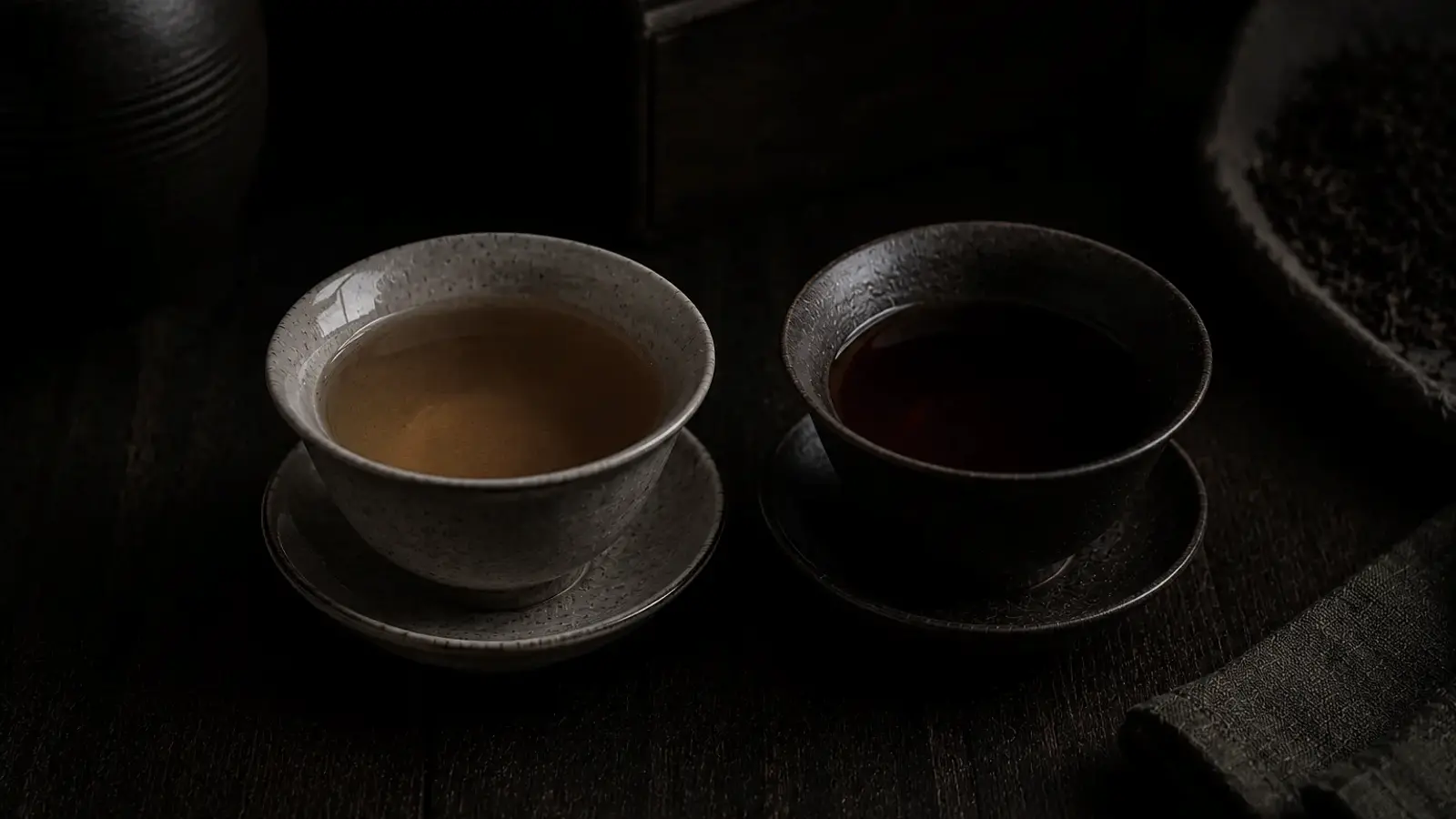
The first steep hit harder than any sheng I’ve brewed. Bitter. Not the gentle architectural bitterness of Banna-stored Yiwu. Not the sophisticated wine-tannin of a twenty-year Bulang tuo. This was young, raw, unaged bitterness — polyphenols and catechins from 500-year-old root systems extracting into the cup with nothing to soften them. Two years old. No storage has touched this material. Brutal is the right word for the opening.
Dry Leaf
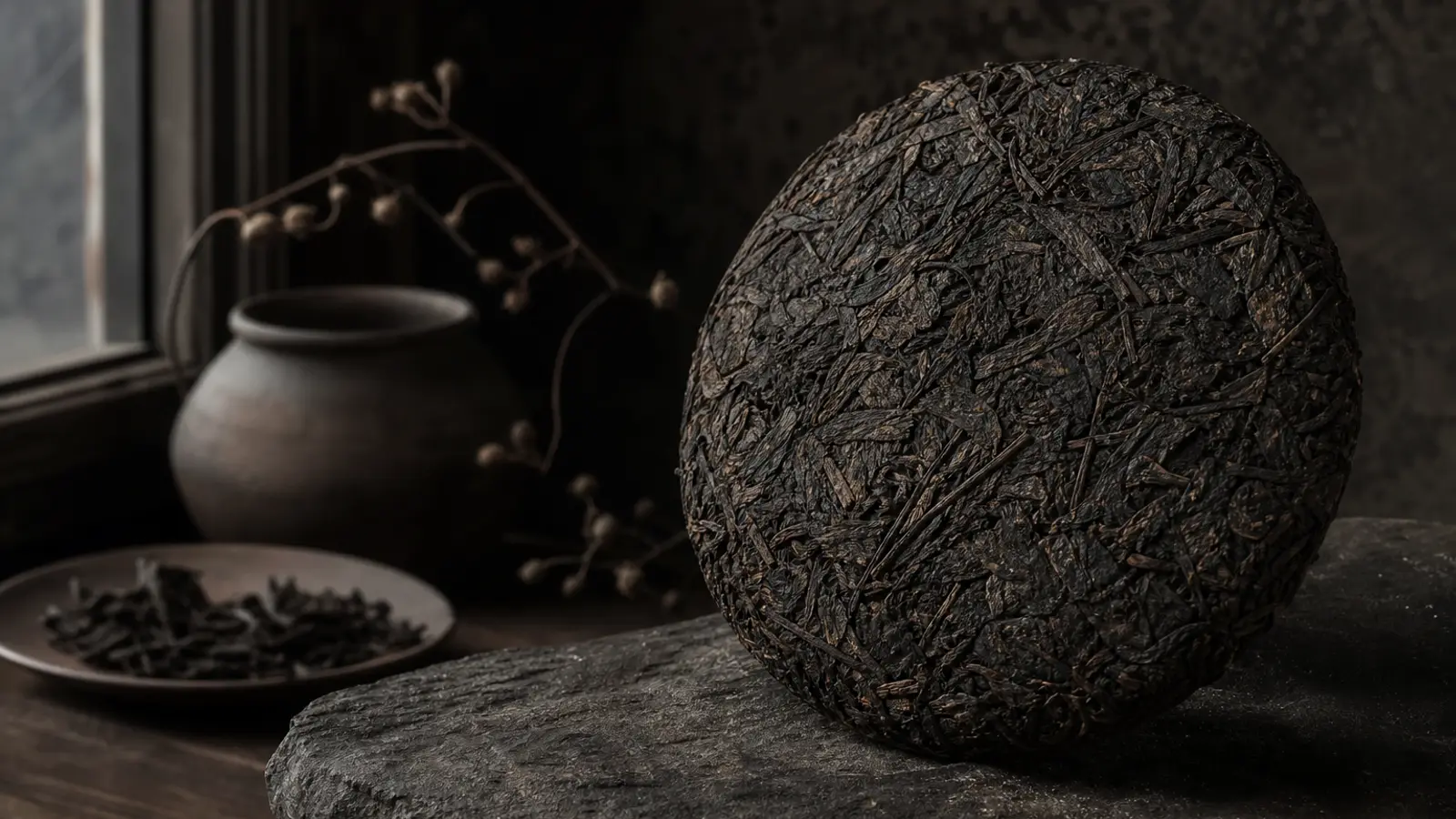
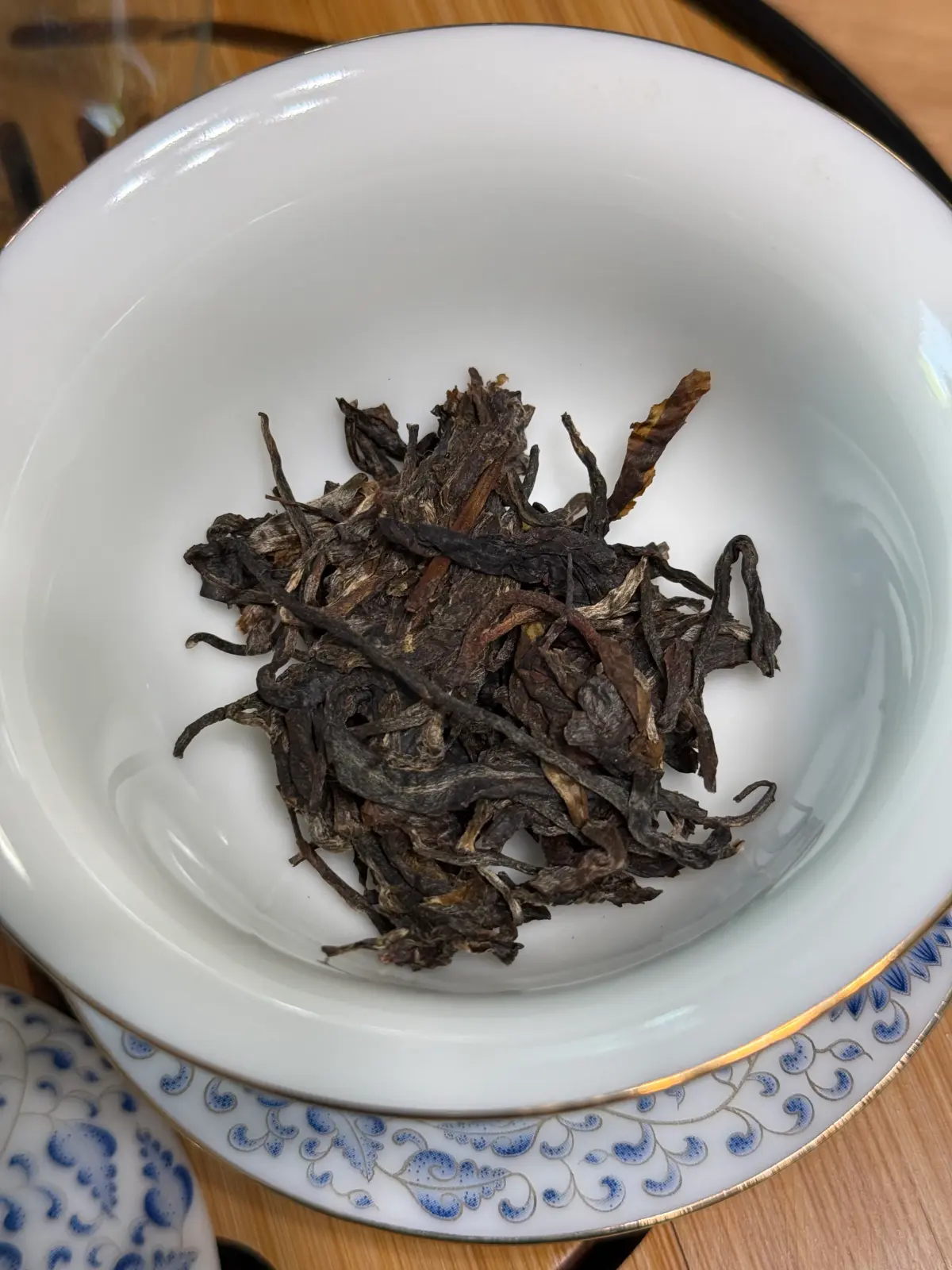
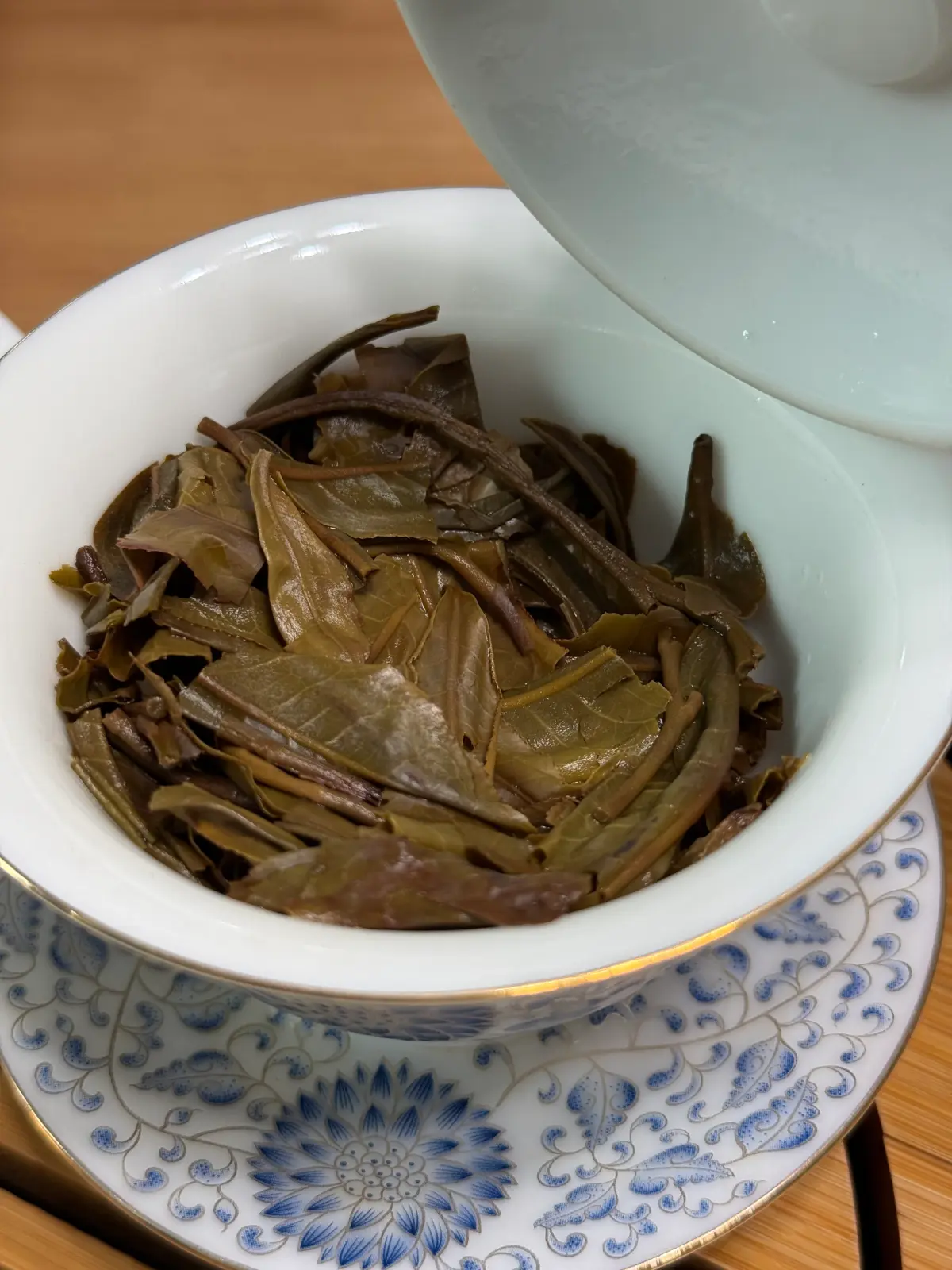
Compressed young cake — two years from pressing. The leaf is large, whole, dark green with silver-tipped buds visible. The aroma through the wrapper is immediately present: fruity sweetness seeping through paper. Berry, apple, something tropical underneath. The dry leaf promises sweetness. The cup delivers something else first.
The Session
But the bitterness wasn’t bad. This distinction matters. Bitterness has texture. It has direction. This one had both — muscular, green, alive. The bitterness of a plant that has been pulling compounds from deep Thai mountain soil for five centuries. There’s information in this bitterness. It tells you what the material is made of.
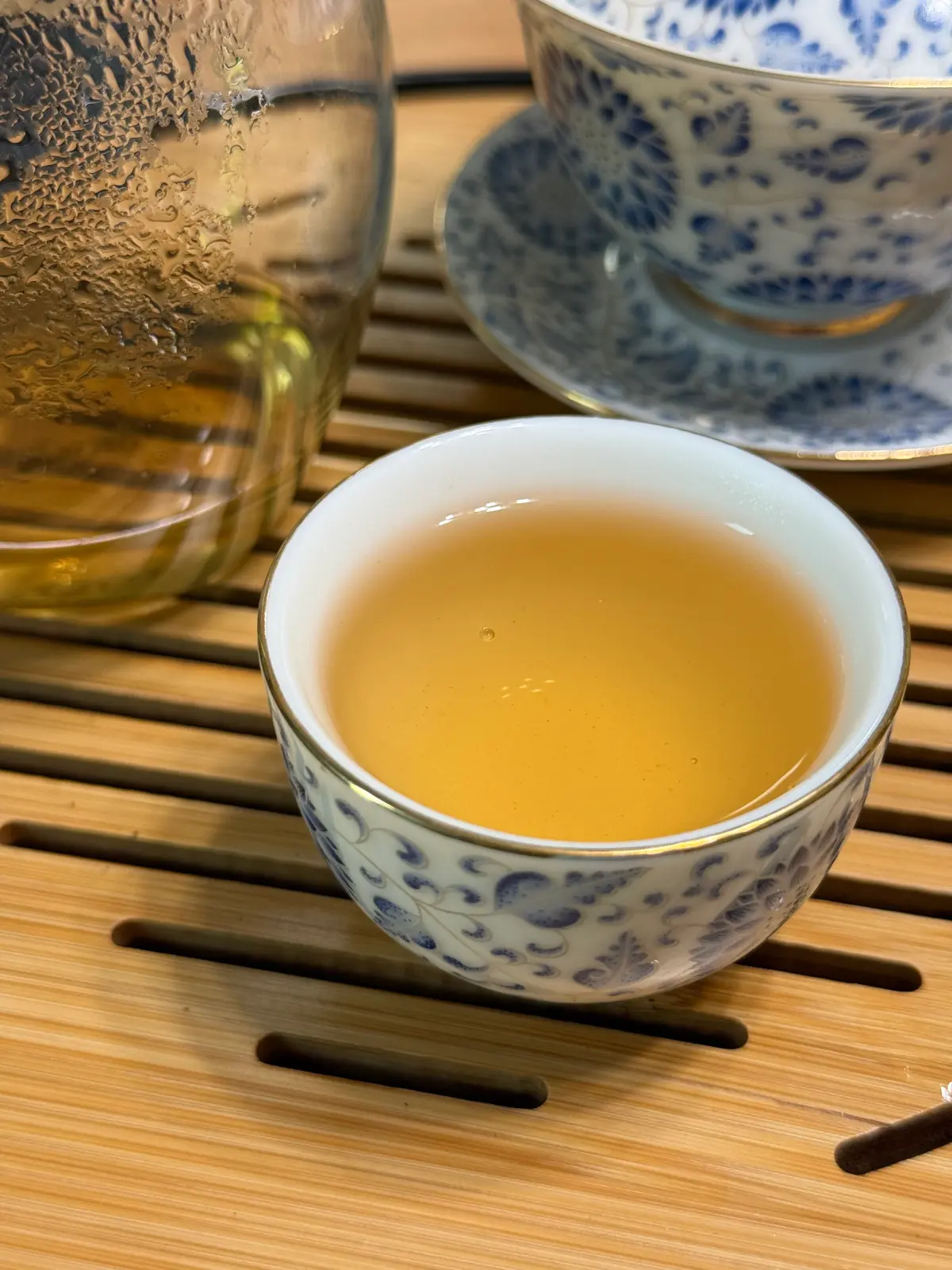
And underneath — barely, quietly — a hint of peach. The same stone fruit note that appeared in both aged Yiwu shengs. Not the full, ripe, infused-feeling peach those twenty-year teas delivered. A whisper. A promise. The apricot-peach signature buried under two years of youth and raw power. In twenty years, if stored properly, that whisper becomes the song. Right now it’s a ghost behind a wall of bitterness.
The tannins were real. Astringent, drying, gripping. Young sheng from ancient trees carries a tannin load that aged sheng has spent decades converting. The palate felt it accumulating across the first three steeps — tongue drying, cheeks tightening, everything under siege.
Then the session turned. Steeps 4-5 brought the bitterness down. The tannin softened. The sweetness that had been hiding behind the structure began to surface — not dramatically, not the flooding huigan of Menghai-terroir sheng, but a gradual easing. The fruit that was barely detectable in the aroma started translating into the cup. Apricot. Dried berry. A green, vegetal sweetness like fresh mountain air.
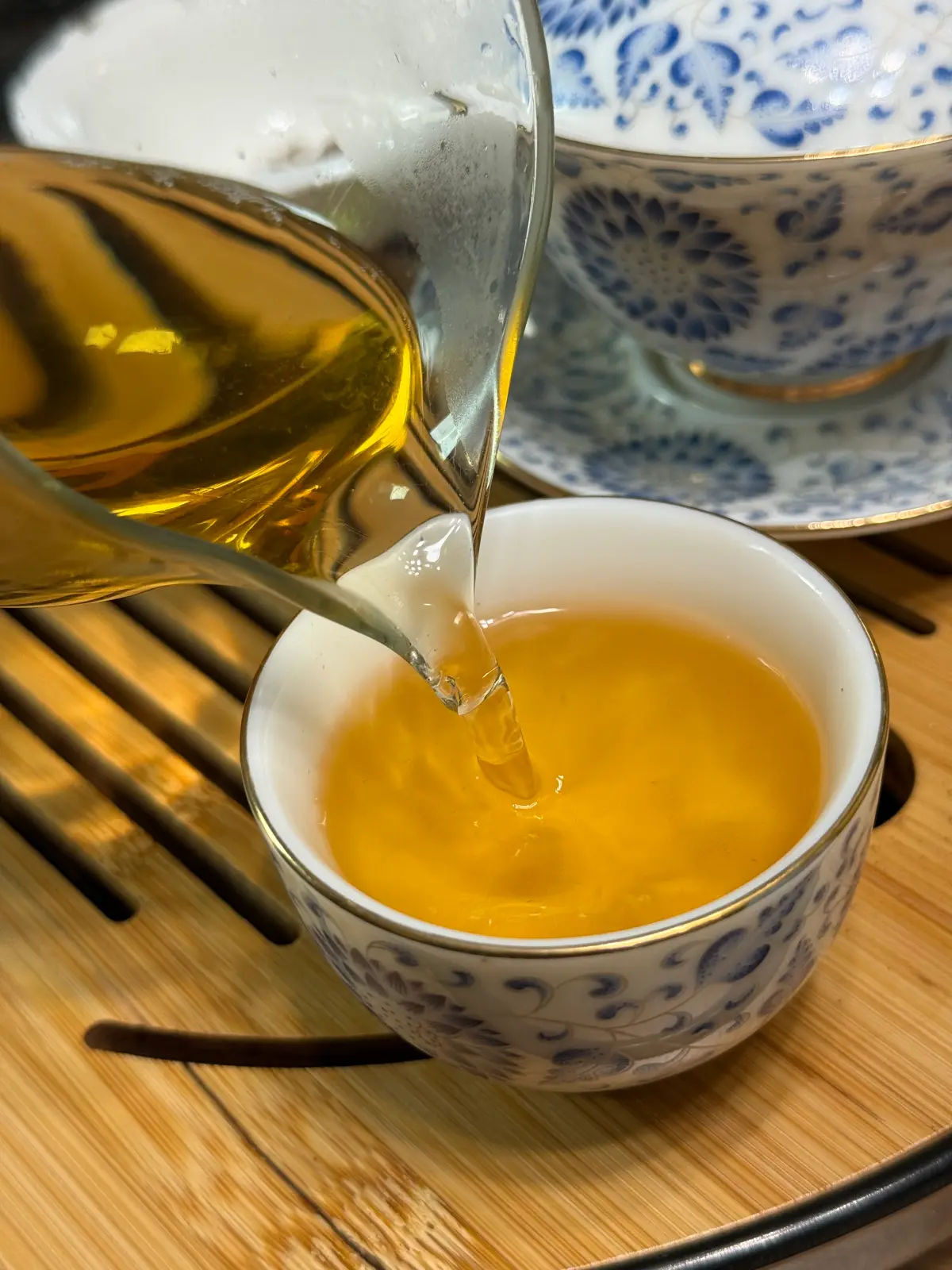
Steeps 6-8 revealed what this tea will become. The bitterness was mostly gone. A clean, sweet, slightly tart character remained — berry, stone fruit, birch sap. The mouthfeel smoothed into something approaching roundness. This is the preview. In five years, the bitter wall will be lower. In ten, the stone fruit will be louder. In twenty, this may taste the way aged Yiwu tastes now.
Flavor Profile
The front is bitterness — raw, young, polyphenol-dense. More bitter than anything previously brewed. The mid is the transition zone where bitterness recedes and sweetness surfaces — apricot, dried berry, green vegetal notes. The finish in later steeps is fruity and clean — the underlying Thai ancient tree character, finally audible once the youth burns off.
Mouthfeel & Huigan
The mouthfeel in early steeps is astringent and drying — young sheng tannin at full force. Not refined silk. Not velvet. Raw material. The tannin grip loosens across the session as the harsher compounds exhaust, and by steep 6 the texture approaches something smoother.
The huigan is delayed but real. The bitterness doesn’t convert quickly the way Menghai terroir does. It retreats slowly, and the sweetness that replaces it arrives gradually. Stone fruit and berry underneath a still-present tannic edge. In time, as aging converts the polyphenols, this huigan will strengthen. Right now it’s potential more than payoff.
Qi Notes
Alert, energizing. Young ancient tree sheng carries significant caffeine and catechin content. This is a morning tea — not for evening sessions or caffeine-sensitive days.
Value Assessment
Ancient tree material confirmed over 500 years old, from a region producing stone fruit esters comparable to Yiwu. The price-per-gram for verified ancient tree sheng of this age is almost always justified if the material delivers on aging potential. This one shows the markers.
Verdict
The most patient tea in the collection. Not a tea for now — a tea for storage, for waiting. The brutal young bitterness is the raw material that time will convert into dried-fruit sweetness and silk mouthfeel. A ghost of peach is already there, barely audible, confirming that Thai ancient tree material can produce the same stone fruit esters that define aged Yiwu terroir.
Store this one. Check back in 2030. The peach will be louder.
This tea's strongest axis is Astringency (8/10). Notably low: Mineral.