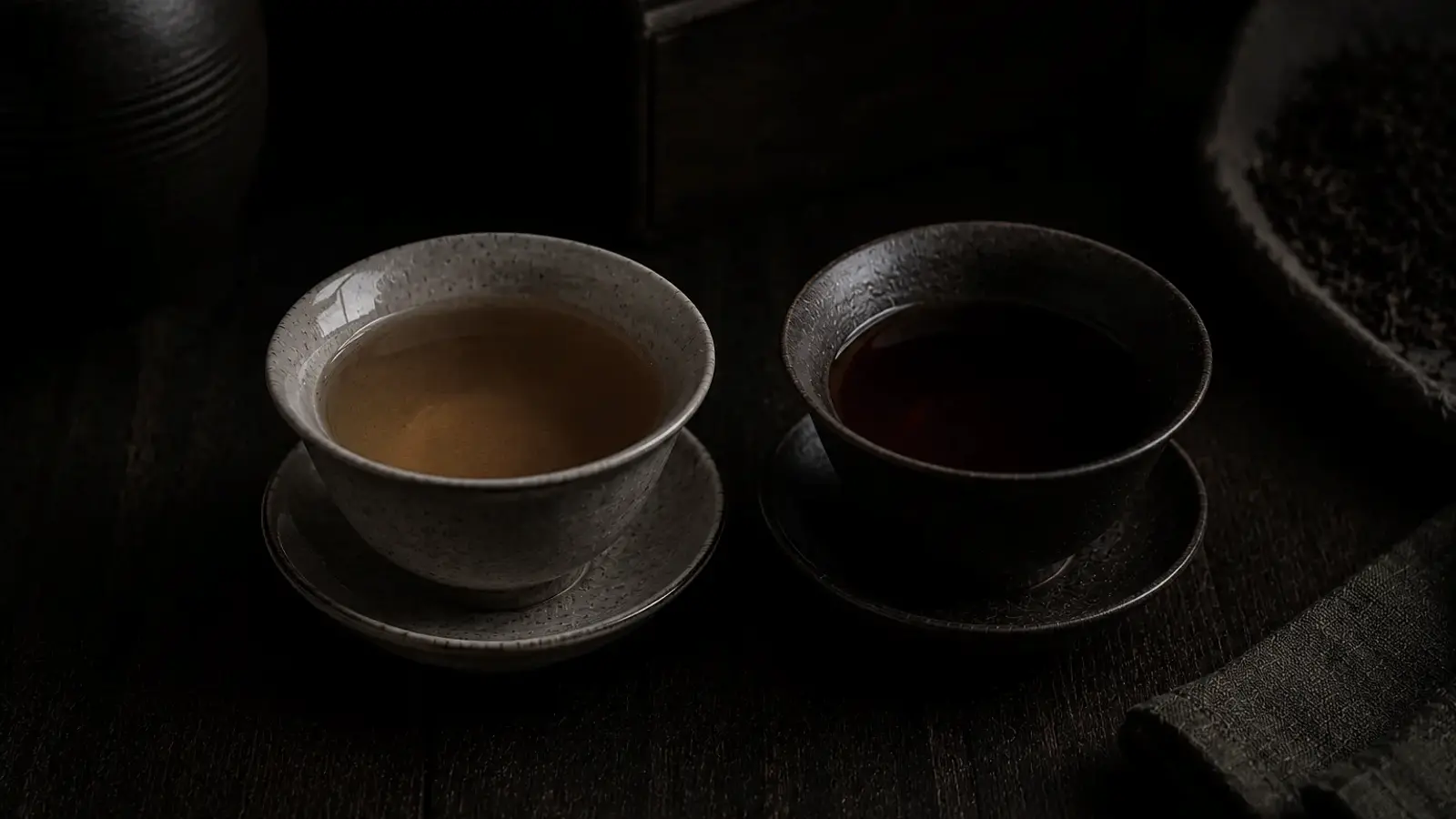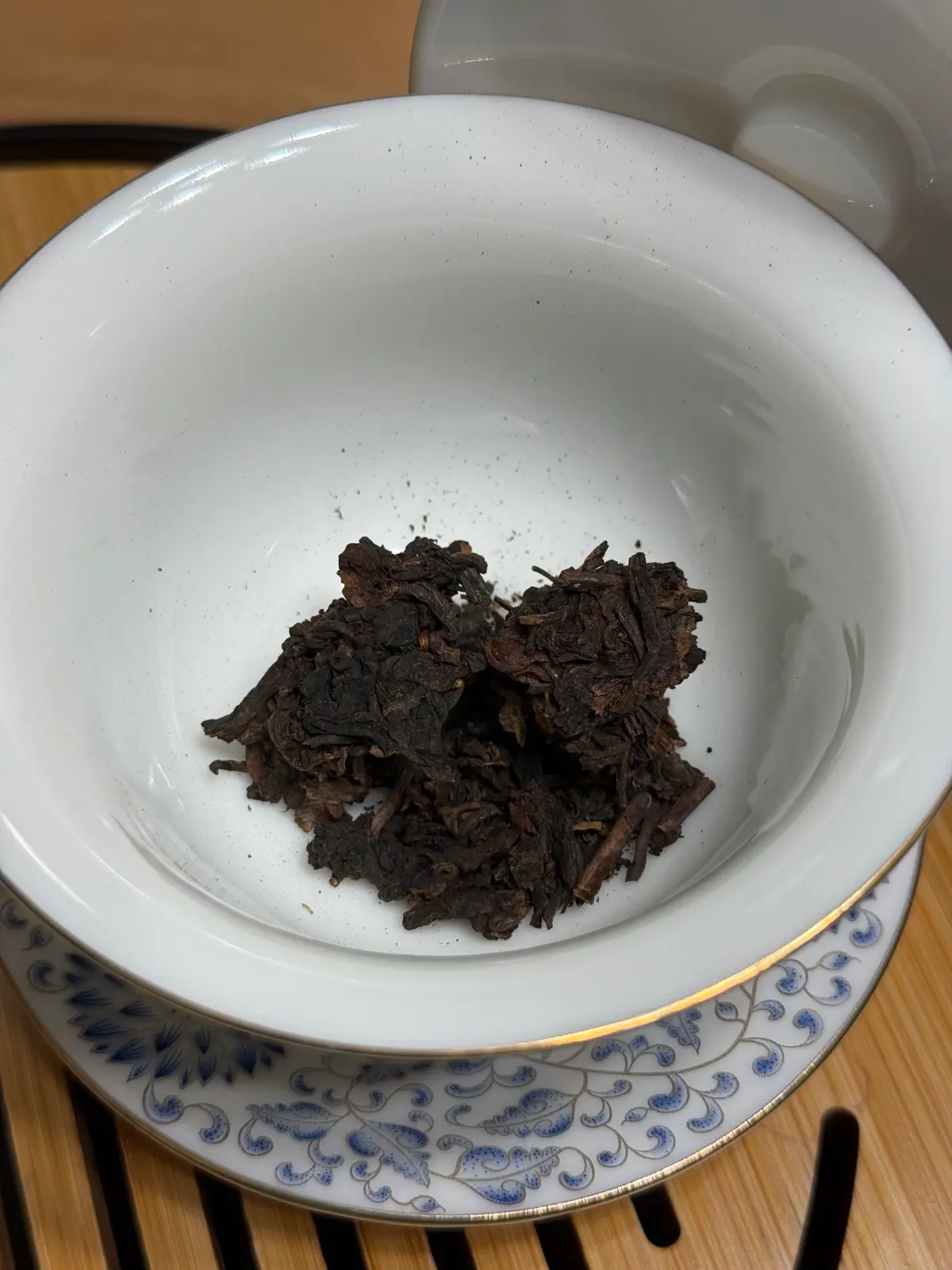
The first time I smelled the 1988 HTC Aged Sheng from the Chiang Rai highlands, I understood immediately why origin matters. What came out of the gaiwan (蓋碗) was camphor and cypress — the smell of time itself, a forest compressed into dry aged leaf. That tea was grown not in Yunnan, not in the famous mountains of Xishuangbanna (西双版纳), but in northern Thailand, from trees that were already old when the current Thai kingdom was young.
Chiang Rai thai tea doesn’t get the attention it deserves. Most pu-erh coverage fixates on Yunnan geography — Yiwu (易武), Bulang (布朗), Lao Banzhang (老班章) — and treats everything else as second-tier. That’s a mistake rooted in market bias rather than sensory reality. This article makes the case for Chiang Rai as a legitimate great tea origin, drawing on firsthand tasting data from multiple teas across multiple vintages, all sourced from the region’s most historically significant producer.
Geography & Location
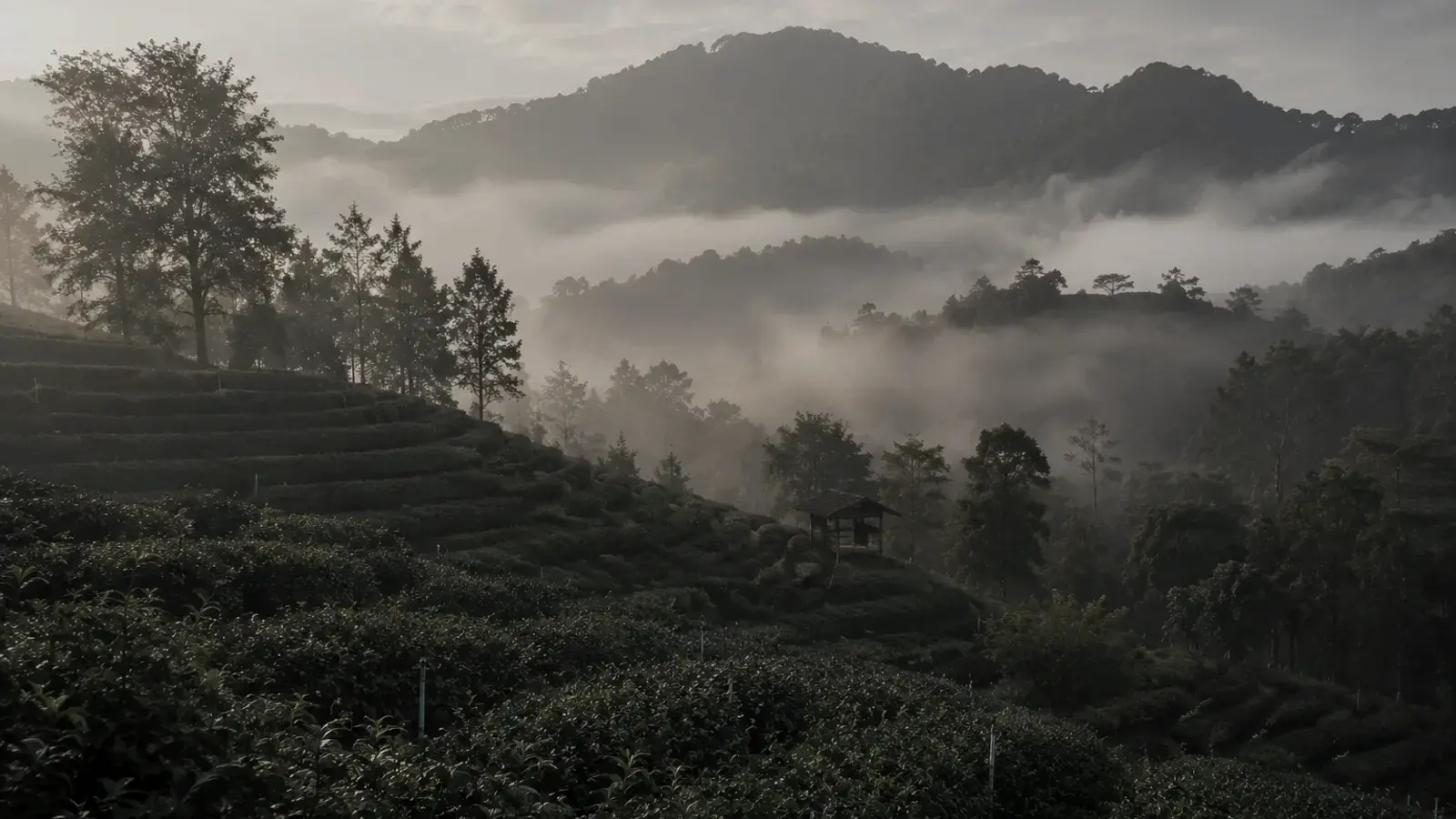
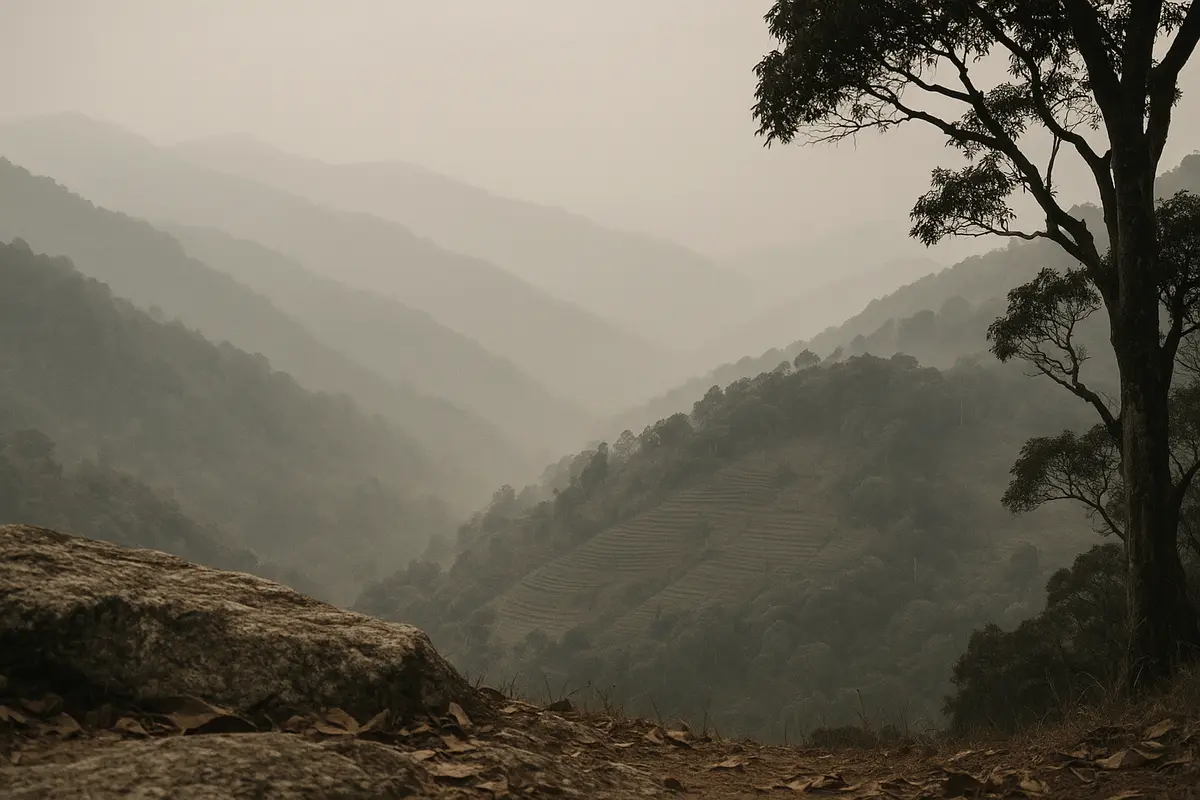
Chiang Rai (เชียงราย) province occupies the northernmost tip of Thailand, centered roughly at 20.0°N, 99.8°E. It borders Myanmar to the north and west, Laos to the east, and Chiang Mai province to the south. The terrain is mountainous throughout, with ranges running roughly north-south as extensions of the same Hengduan (横断山脉) mountain system that defines Yunnan’s tea country across the border.
This is not coincidental geography. The mountains of northern Thailand and those of southern Yunnan are geologically continuous. The Shan Plateau that defines much of Myanmar’s Shan State extends into both regions. The Mekong River (แม่น้ำโขง in Thai, 澜沧江 in Chinese) drains both highland zones. When you look at a topographic map of the region without national borders, the Chiang Rai highlands are simply the southern extension of the same mountain chain that cradles the world’s most celebrated pu-erh gardens.
The key tea-growing districts within Chiang Rai cluster in the western highlands:
Mae Salong (ดอยแม่สลอง) — Also written Doi Mae Salong, this ridge at approximately 1300–1500m became a tea-production center after KMT (Kuomintang) soldiers and their families settled here following the 1949 retreat from China. They brought Yunnan tea culture with them. The community remains predominantly Chinese-speaking, and the tea culture reflects this heritage directly.
Doi Wawee (ดอยวาวี) — A significant tea-growing area in Wiang Pa Pao district, at elevations around 1000–1200m. Wawee has developed a reputation for quality oolong production as well as pu-erh-style material.
Doi Chang (ดอยช้าง) — Perhaps the most internationally recognized Chiang Rai tea district outside pu-erh circles, Doi Chang achieved coffee fame first but its tea gardens, sitting at 1100–1400m, produce quality material from old arbor trees.
These districts form a loose arc through the western highlands, all within roughly 50–80km of the provincial capital. The terrain is sufficiently rugged that individual garden plots can vary significantly in exposure, drainage, and microclimate even within a single district.
Climate & Elevation
The Chiang Rai highlands operate on a tropical monsoonal climate with more pronounced seasonality than their latitude might suggest. At elevation, this translates to:
- Wet season (May–October): Heavy monsoon rainfall, cloud cover, high humidity. Growth season for tea.
- Dry season (November–April): Cooler, drier air. November through February can see temperatures drop to 10–12°C at elevation overnight — not cold by temperate standards, but cool enough to stress the trees and slow growth, concentrating flavor compounds in the leaf.
- Annual rainfall: 1200–1600mm, concentrated in the wet season
- Temperature range at elevation: 15–30°C across the year, with the most dramatic diurnal swings in December–February
The diurnal temperature variation in the dry season is important. Cool nights slow metabolism in the tea plant, leading to slower cell division and denser leaf tissue. The same principle explains why high-altitude Darjeeling flushes or Taiwan high-mountain (高山茶) oolongs develop more complex aromatic profiles — the plant’s chemical synthesis outruns its growth rate when temperatures fluctuate.
Compared to Yunnan’s Xishuangbanna, Chiang Rai’s climate runs slightly warmer and more uniformly tropical. Menghai (勐海) sits at roughly the same latitude but at elevations of 1200–1400m with a somewhat different temperature profile shaped by the Yunnan Plateau’s higher base altitude. This warmer, more tropical baseline in Chiang Rai is, I believe, part of what gives Thai pu-erh its characteristic gentleness.
Soil & Terroir
The parent geology of the Chiang Rai highlands is granitic and metamorphic bedrock — the same broad geological formation that underlies much of Yunnan’s tea country. This shared parentage means the minerals available to tea roots on both sides of the border start from similar raw material.
The divergence comes in how that bedrock weathers. Thailand’s more intensely tropical climate produces deeper laterization — the process by which tropical weathering strips soluble minerals and concentrates iron and aluminum oxides, creating the characteristic red laterite soils found throughout Southeast Asian highlands. These soils are:
- Well-drained: The laterite structure creates good porosity, preventing waterlogging that tea roots dislike
- Acidic: pH typically 4.5–6.0, within the optimal range for Camellia sinensis
- Lower in certain minerals: Particularly calcium and magnesium, which leach out under tropical weathering conditions
- Higher in iron: The red color signals iron oxide concentration
Whether the specific mineral profile of Thai laterite soils translates to detectable flavor differences compared to Yunnan soils is a hypothesis I hold with some confidence but can’t prove with controlled data. What I can say from direct tasting: Thai sheng from old arbor trees consistently presents differently from equivalent-quality Yunnan sheng. The smoother, sweeter character could reflect soil chemistry, climate effects on phenolic development, cultivar selection, processing choices, or some combination. Attributing it cleanly to soil alone would overclaim.
The tea plants themselves access soil to depths of several meters through their taproot systems. Old arbor trees — and Chiang Rai has genuine old arbor specimens — develop root systems that reach mineral layers unavailable to flat-bed plantation tea. This is the classic argument for old arbor tea quality, and it applies in Thailand as fully as it does in Yunnan.
Key Cultivars & Tea Types
The dominant cultivar in Chiang Rai’s pu-erh gardens is Camellia sinensis var. assamica — the same broad-leaf variety that defines Yunnan pu-erh. This isn’t a coincidence or an import; the assamica variety is native to the broader Indo-Chinese highland zone that includes both Yunnan and northern Thailand. The mountains here are part of the species’ natural range.
Within that broad classification, the Chiang Rai highlands contain:
Standard old arbor assamica — Large-leaf trees of estimated 300–500+ years in age. These are the backbone of the best Thai pu-erh. Tree age estimates in this range are based on trunk diameter measurements and local knowledge rather than scientific dating, so treat them as informed approximations.
Zi Ya (紫芽) Purple Bud — A natural mutation producing purple-tinged leaf with elevated anthocyanin content. I’ve tasted a Zi Ya Purple Bud Shou from Chiang Rai ancient arbor material and it’s the highest-scoring tea in my current collection: grapefruit peel, dark chocolate, plum, and a distinctive menthol-camphor cooling sensation with dense body. On my 10-Dimension tasting protocol it scored 61/100 — the joint highest in my collection. The purple bud material exists in several tea regions but Chiang Rai’s version has a particularly vivid aromatic profile.
Liu Bao-style Hei Cha (六堡黑茶) — Some production from the region follows the Liu Bao processing tradition rather than pu-erh convention. My 1993 Liu Bao Hei Cha from this region showed striking cinnamon signatures alongside chocolate and hazelnut, with the strongest huigan (回甘, the sweet returning aftertaste) of any tea in my collection — 9/10 on that dimension, scoring 56/100 overall. The Liu Bao style seems to suit the Thai material’s character particularly well.
Oolong — Particularly in Doi Wawee and Doi Chang, farmers produce oolong alongside pu-erh-style material. This isn’t the focus of this article but represents a significant part of the regional tea economy.
Processing Traditions
The leading Chiang Rai heritage factory operates under the guidance of a Yunnan-born Chinese master and applies traditional Yunnan processing methods to Thai-grown leaf. This is lineage production — the techniques traveled with the KMT settlers and their descendants, and the factory has maintained them for decades.
Sheng processing (生普):
- Wither and solar-dry the fresh-plucked leaf (萎凋, wēidiāo)
- Kill-green (杀青, shāqīng) in a large iron wok at high heat, typically around 200–280°C, to halt enzymatic oxidation
- Hand-roll (揉捻, róuniǎn) to break cell walls and shape the leaf
- Dry under sun (晒青, shài qīng) — this solar drying step is critical and distinguishes maocha (毛茶) from other green teas; it leaves residual enzymes active for long-term aging
- Press into cake, brick, or tuo form under steam and stone
The sun-drying step is where Thai pu-erh diverges from, say, Yunnan green teas: the incomplete kill-green and solar dry preserve the microbial and enzymatic machinery that enables pu-erh’s transformation over time.
Shou processing (熟普): The wet-pile fermentation (渥堆, wò duī) that defines shou pu-erh was developed in Kunming in the 1970s and this heritage factory applies the same technique to Thai leaf. The pile is watered, turned periodically, and allowed to undergo microbially-driven transformation over 40–60 days before being dried and compressed.
What I’ve observed in Thai shou from this producer is a distinctly clean fermentation character. The 2021 Chocolate Noir II Shou showed dark chocolate, dates, and plum with a velvety body — 8/10 for body on my protocol, 7/10 for steep endurance, 49/100 overall. The 2006 HTC Loose Shou (aged 18+ years at time of tasting) had developed chen xiang (陳香, the characteristic aged fragrance of mature ripe pu-erh), with milk chocolate and a silk mouthfeel that I describe as the softest ripe in my collection. Cha qi (茶氣) registered 8/10 — a calming, oceanic quality, unhurried and persistent. Total score 55/100.
Characteristic Flavor Signatures
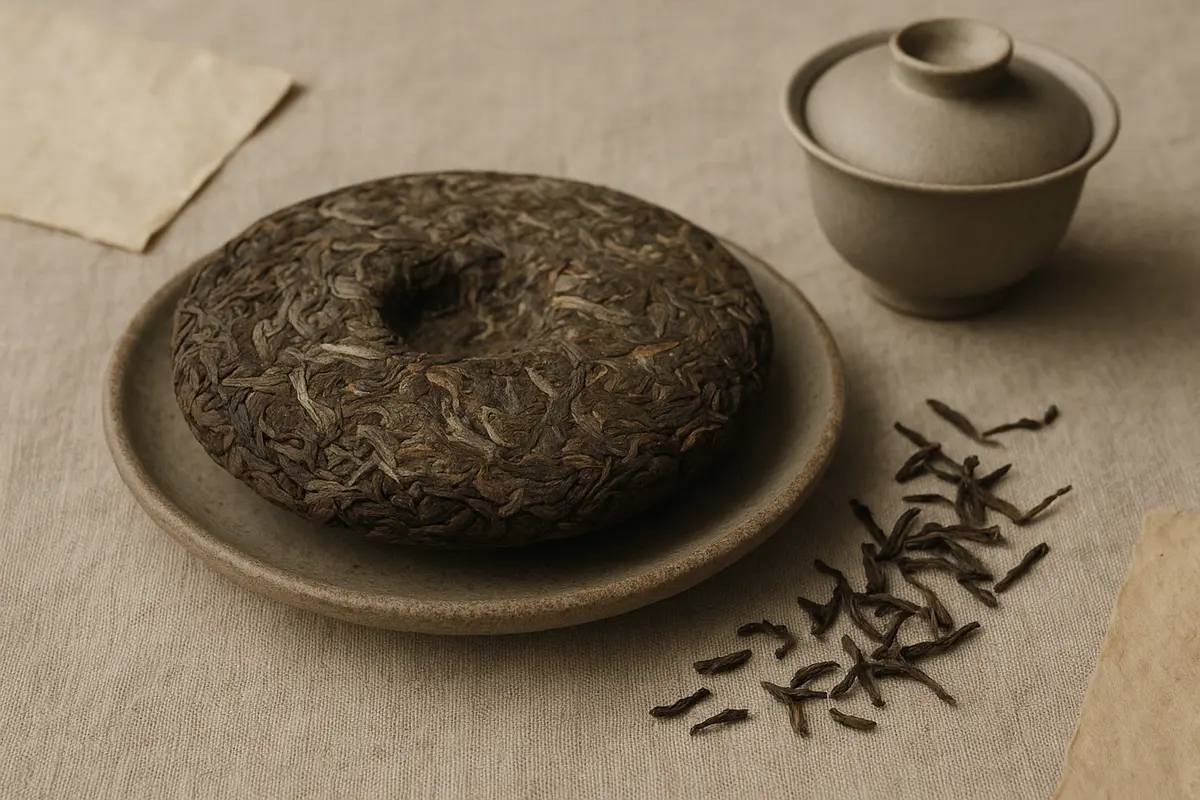
This is where I can speak most directly. I’ve tasted widely across this producer’s catalog and the signature character of Chiang Rai pu-erh is consistent:
Thai Sheng Profile
The 2021 Chiang Rai Sheng from Chiang Rai is the clearest expression of Thai sheng character I’ve encountered. Berry and black currant lead, followed by apple skin acidity and a creamy mouthfeel that softens as the session progresses. In late steeps, a pronounced umami quality emerges — a discovery I didn’t fully anticipate. On my 10-Dimension protocol it scored 56/100 with particular strength in flavor transition (8/10), reflecting how the tea evolves meaningfully across ten steeps rather than flattening out.
Compared to equivalent Yunnan sheng, the differences are consistent:
- Less bitterness and astringency — Not absent, but significantly reduced
- More fruit-forward — Berry, stone fruit, and apple notes appear earlier and more prominently
- Sweeter overall — Lower initial huigan (回甘) intensity but more immediate sweetness
- Softer mouthfeel — Less of the grip and power that defines great Yunnan sheng
Whether this is better or worse depends on what you’re seeking. For someone building a pu-erh palate, Thai sheng is a gentler teacher. For someone who wants Yunnan’s intensity, Thai material is a different thing rather than a lesser one.
Thai Shou Profile
The chocolatey, rounded character of Thai shou is its most consistent feature. Across all three shou teas I’ve evaluated from this region:
- Dark or milk chocolate aromatics in every case
- Stone fruit (dates, plum) as a secondary note
- Smooth, velvety body with less of the earthy funk that can characterize less-refined Yunnan shou
- Good steep endurance — the teas don’t collapse quickly
The aged 2006 HTC loose shou represents the ceiling I’ve seen: after nearly two decades, the fermentation character has integrated fully, leaving only the tertiary development of chen xiang and a mouthfeel I keep returning to as “silk.”
The Purple Bud Anomaly
The Zi Ya (紫芽) Purple Bud Shou from Chiang Rai deserves separate treatment because it doesn’t fit the standard Thai shou profile. Where regular shou from this region is soft and chocolatey, the purple bud material shows sharp grapefruit peel aromatics, menthol-camphor cooling, and a density of body that approaches intensity. The elevated anthocyanin content of purple bud material seems to produce a different flavor architecture entirely. At 61/100 on my 10-Dimension protocol, it sits at the top of my collection and challenges any assumption that Thai tea is inevitably gentler than Yunnan material.
The KMT Connection: Historical Roots of Thai Pu-erh
Understanding Chiang Rai thai tea requires understanding one of Southeast Asia’s stranger historical episodes.
When Mao Zedong’s forces completed their victory in 1949, the remnants of Chiang Kai-shek’s Nationalist (Kuomintang, 國民黨) army that couldn’t reach Taiwan retreated south into Burma and eventually into northern Thailand. These soldiers — along with their families, attached civilians, and entire village communities from Yunnan — settled in the mountains of Chiang Rai province, particularly around what became Mae Salong (ดอยแม่สลอง).
They brought with them Yunnan culture in its complete form: language (the community still speaks Yunnan Mandarin dialects), food traditions, and most relevantly here, tea knowledge. The tea trees they found in the Thai highlands were the same species they had grown in Yunnan — Camellia sinensis var. assamica — some of them already ancient. They began processing these trees using Yunnan methods.
The leading Chiang Rai heritage factory emerges from this lineage. The operation applies Yunnan processing tradition — the same wok kill-green, sun-dry, wet-pile fermentation, compression techniques — to Thai terroir. The factory’s Yunnan-born master represents continuity with the source tradition. This is not Thai people attempting to make Chinese tea; it’s Chinese people making Chinese-style tea from Thai trees. That distinction matters for understanding the quality floor.
The result: Chiang Rai’s best pu-erh is as technically correct as anything coming out of Yunnan, but expressing a different terroir.
Quality Indicators & Authentication
For buyers approaching Thai pu-erh, several markers separate quality material from the large volume of mediocre northern Thai tea production:
Tree age: The difference between plantation tea from flat-bed gardens planted in the 1970s–1990s and genuine old arbor material from 300+ year trees is significant and detectable. Old arbor Thai material has the complexity and mineral depth of old-growth tea globally. Plantation material, regardless of origin, lacks it. Producers should be able to specify garden source.
Processing integrity: Sun-dried maocha (晒青毛茶, shài qīng máochá) rather than machine-dried or oven-dried. The solar drying step is what preserves aging potential in sheng. Smell fresh sheng: it should have no cooked or baked character, only fresh leaf, slight floral notes, and green hay. Baked or roasted smell indicates improper drying.
Fermentation quality in shou: Clean, fully transformed leaf without residual mustiness or harsh compost notes. Young shou everywhere has some fermentation smell; it should integrate with a few years of storage. If the pile odor never resolves, the fermentation was either rushed or poorly managed. Thai shou from HTC resolves cleanly.
Producer lineage: For Thai pu-erh specifically, factories with Yunnan-trained masters or KMT community lineage represent a meaningful quality signal. The technique transferred credibly in Mae Salong; not every factory in Chiang Rai province has the same heritage.
The 1988 HTC Aged Sheng serves as a quality benchmark: what a competently processed, properly stored Thai sheng from old arbor trees becomes after three and a half decades. Camphor and cypress dominate the aroma — what I describe as smelling time itself. Cha qi (茶氣) of 9/10. I tasted this tea incompletely — the session remains the most striking aromatic encounter I’ve had with aged material — and I assign it 54/100 provisionally, expecting the score to revise upward with fuller evaluation.
The Wine Parallel: New World Pinot
I came to tea from serious wine, and the parallel that illuminates Thai pu-erh most clearly is Pinot Noir.
Burgundy produces Pinot Noir from the same grape variety as California’s Sonoma Coast, New Zealand’s Central Otago, or Oregon’s Willamette Valley. The grape is identical; the terroir and climate differ. The result is that Burgundy’s top expressions reach complexity and tension that New World Pinot rarely matches — but New World Pinot is more immediately accessible, more fruit-forward, often more affordable, and in the right hands, genuinely excellent on its own terms.
Thai pu-erh maps onto this structure precisely. Yunnan — particularly gushu (古樹) material from famous mountains — reaches heights of complexity, power, and aging potential that Thai material hasn’t matched in my experience. But Thai pu-erh from genuine old arbor trees is:
- More immediately accessible (less bitterness, sweeter fruit character)
- More fruit-forward (the berry, chocolate, and stone fruit notes come immediately)
- Significantly more affordable relative to comparable tree age
- Excellent on its own terms — not a consolation prize but a genuinely different and valid expression
For someone working their way into pu-erh from a background in other teas or wine, Thai material makes the transition easier. You’re learning the structure and vocabulary of pu-erh aging without being confronted by the rawness that good young Yunnan sheng can present.
Price Ranges
Thai pu-erh is substantially undervalued relative to equivalent Yunnan material. This is a market inefficiency rooted in prestige bias rather than quality differential.
| Category | Thai pu-erh (est. per 100g USD) | Comparable Yunnan (est. per 100g USD) |
|---|---|---|
| Young sheng, plantation | $3–8 | $5–15 |
| Young sheng, old arbor | $10–25 | $40–150+ |
| Young shou, standard | $5–12 | $8–20 |
| Young shou, old arbor / special material | $15–35 | $30–80 |
| Aged sheng (10–20 years) | $20–60 | $80–300+ |
| Aged sheng (30+ years) | $50–150 | $200–1000+ |
These are approximate estimates based on current market observation. Actual prices vary by vendor, compression weight, and specific production.
The gap between Thai and Yunnan pricing widens dramatically at the top end. A genuine gushu (古樹) cake from Lao Banzhang (老班章) or Bingdao (冰島) commands prices that reflect both quality and scarcity economics. Thai old arbor material doesn’t carry those premiums because Thai origin hasn’t achieved the same prestige recognition.
Whether this represents an investment opportunity — buying undervalued aged Thai material before market repricing — is a genuine open question. The quality floor for the best Thai pu-erh is real. Market recognition typically follows quality eventually. But I won’t pretend to know whether Thai pu-erh will appreciate meaningfully or whether it will remain a permanently undervalued regional specialty.
What I’m confident about: at current prices, Thai pu-erh from genuine old arbor trees and credible producers represents the best value-to-quality ratio in my collection.
Why Chiang Rai Matters Now
There’s a specific moment we’re in with Thai pu-erh. The production lineage exists, the old trees exist, the Yunnan technique exists. But Documentation of this region as a serious tea origin is essentially absent. Most coverage either doesn’t know Thai pu-erh exists or mentions it briefly as a footnote to Yunnan material.
My firsthand tasting of teas from this heritage factory’s catalog is, to my knowledge, more comprehensive documentation of specific Chiang Rai tea profiles than exists anywhere else. The 1993 Liu Bao with its 9/10 huigan (回甘). The 2006 Loose Shou with its 8/10 cha qi (茶氣) and silk mouthfeel. The 1988 Aged Sheng smelling of camphor and forest. The Zi Ya Purple Bud Shou scoring 61/100 — the top of my collection.
These aren’t marginal teas from a marginal region. They’re excellent teas from a historically significant producer in a region whose geological and botanical connection to Yunnan is direct and continuous. The market hasn’t caught up with the reality. That’s Steep Atlas’s purpose here: map the territory accurately before the crowd arrives.
Chiang Rai deserves to be on the serious tea drinker’s map. It’s been there all along.