LEARN
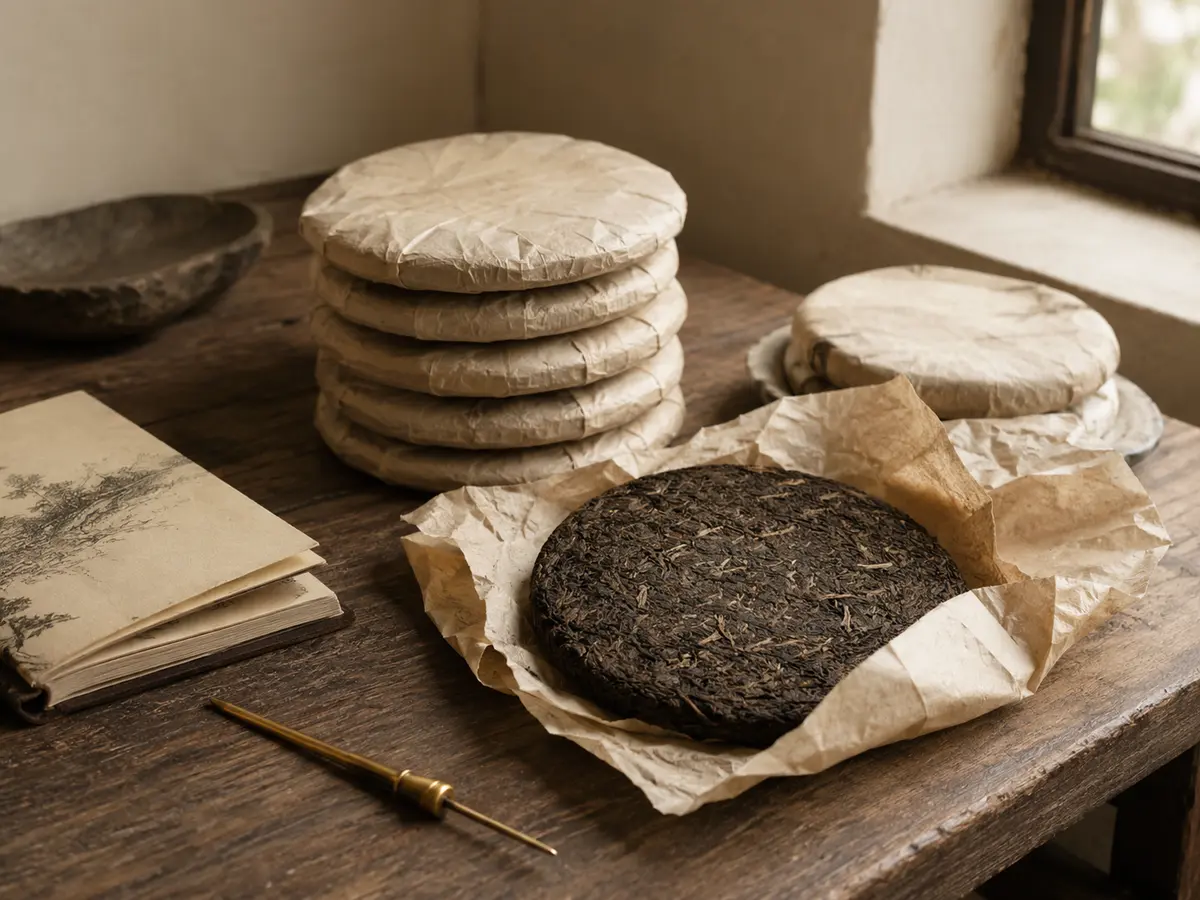
What Is Pu-erh Tea
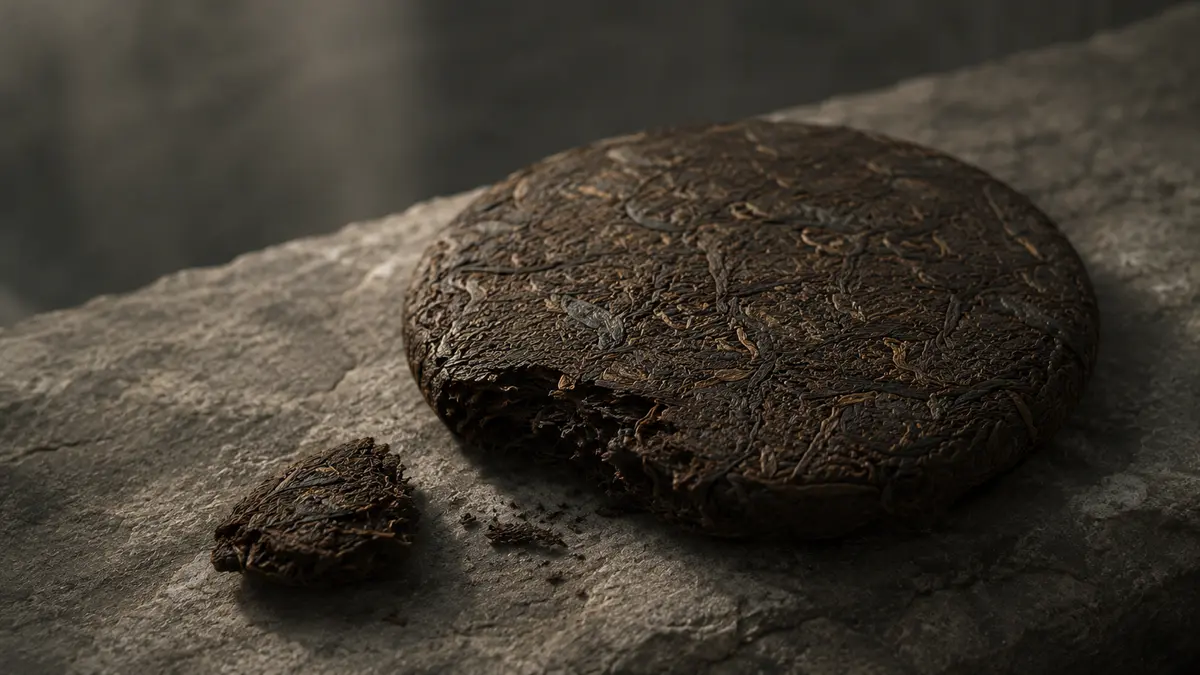
The category that ages, develops terroir character, and rewards collectors. Sheng and shou explained from first principles — processing, regions, aging potential, and how to evaluate what you're drinking.
Read the guide →Steep Atlas
Tea Knowledge, Mapped.
Steep Atlas is the reference I couldn't find when I started: tea mapped with the rigor a great wine atlas brings to terroir. Every session documented with specific parameters. Every claim graded by evidence type. The map fills in one article at a time.
If you're new to serious tea, these are the foundations everything else builds on.
The category that ages, develops terroir character, and rewards collectors. Sheng and shou explained from first principles — processing, regions, aging potential, and how to evaluate what you're drinking.
Read the guide →
Small vessel, high leaf ratio, multiple short infusions. The brewing method that extracts more complexity from tea than any other approach. Specific parameters for every tea type.
Read the guide →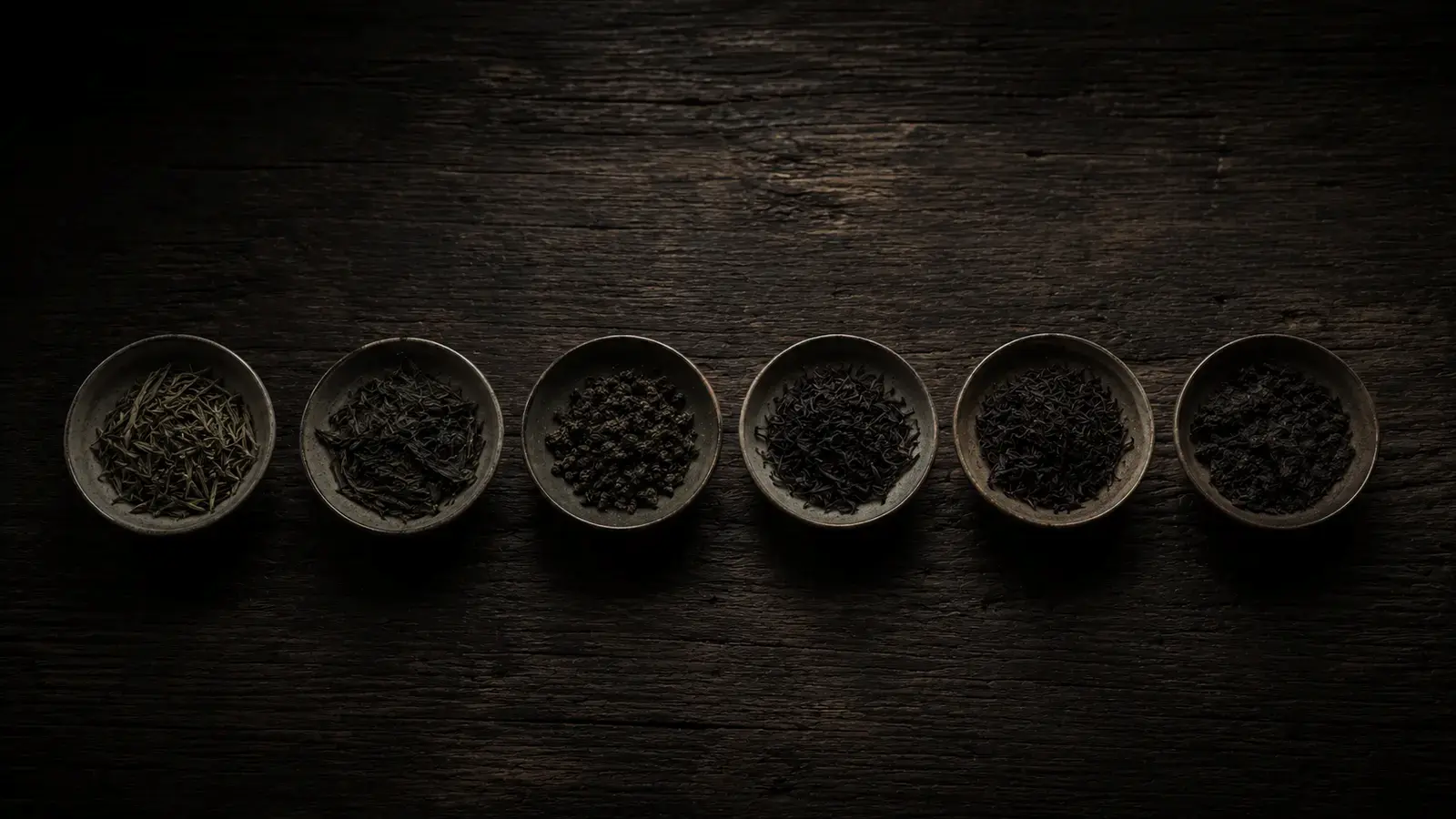
Every tea in existence falls into six categories defined by processing. Understanding them is the foundation everything else builds on.
Read the guide →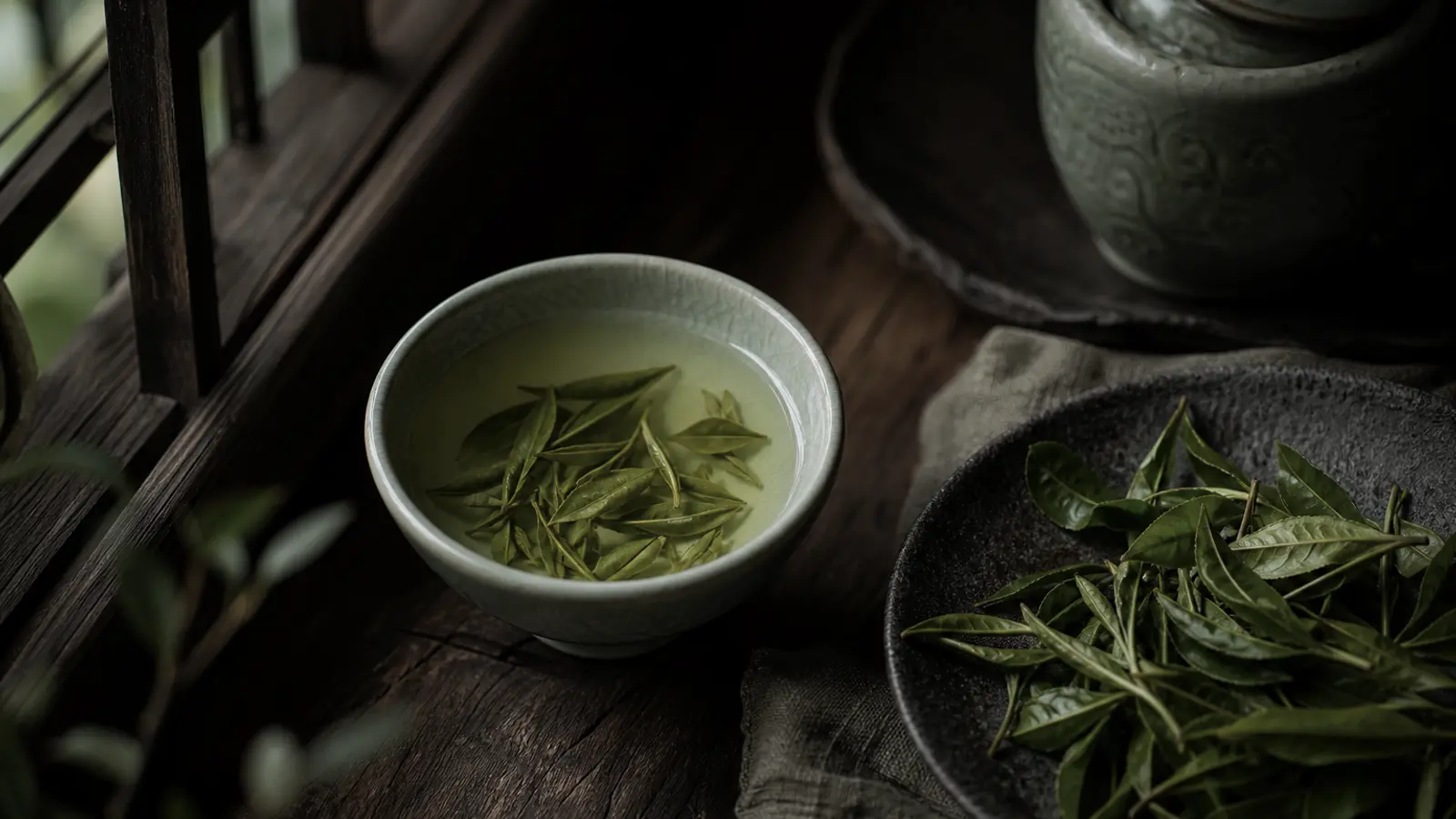
Pan-fired by hand in iron cauldrons. Four harvest grades from ujeon (우전) to daejak (대작). Three distinct terroirs. The complete guide to Korean green tea.
Read the guide →
Brewing, processing, and tea types. From the six categories to gongfu method, from pu-erh aging to water chemistry.
Structured session documentation. Every tea scored on a ten-dimension protocol with specific parameters.
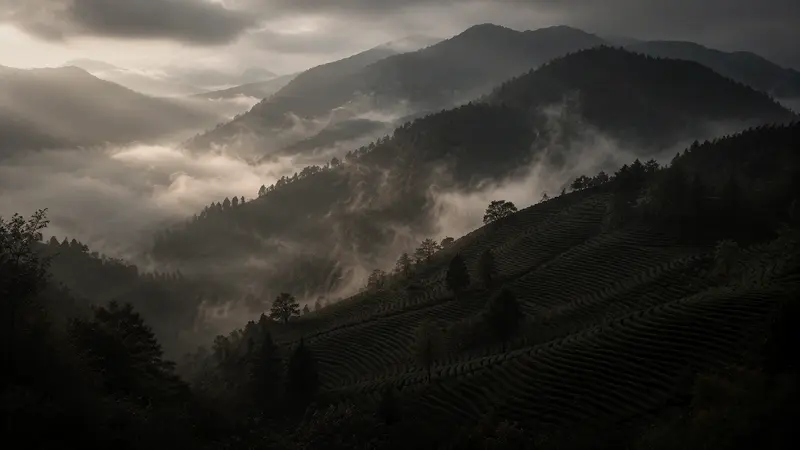
Terroir profiles and regional character. Mountains mapped like wine appellations.
Side-by-side analysis. Sheng vs shou. Gaiwan vs Yixing. Data tables and clear verdicts.
The tools that shape the cup. Gaiwan, Jian Shui pottery, Yixing clay, Korean celadon.
Aging, humidity, and long-term care. Tropical storage solutions and wet vs dry outcomes.
History, ceremony, and the human side of tea. The wine-to-tea framework and why context matters.
Celadon, buncheong, darye ceremony, and three tea regions. Korean tea and pottery mapped from inside the culture.
I grew up in the culture. The sourcing runs through Korean-language networks, and I read Korean artisan portfolios and navigate Korean e-commerce platforms in the original language. When I profile a tea region or source teaware, I understand the cultural context from the inside — not through translation.
Korea produces green tea across three distinct terroirs — Boseong (보성), Hadong (하동), and Jeju (제주) — each with different soil, climate, and processing traditions. Korean ceramic arts shaped how the world drinks tea: Goryeo celadon influenced Chinese potters, and humble Korean tea bowls became the most sacred objects in Japanese tea ceremony. Buncheong (분청) stoneware, moon jars, and the work of living master potters are documented here with the depth they deserve.
This section maps Korean tea and pottery in a way no other site does — because no other site has the language access, the cultural fluency, and the direct sourcing relationships to do it.
Explore Korean Tea & Pottery →
You drink tea casually and sense there's a world beyond teabags. Start with the six types of tea, learn gongfu brewing, and set up your first session for under $30.
You already think in terroir, vintage, and varietal. The framework transfers directly. Learn which teas reward a trained palate and where the parallels break down.
You quit drinking — or you're thinking about it. There's a gap where the evening ritual used to be. The complexity, the attention, the quiet hour. Tea filled it for me. It might for you.
Anxiety. Panic disorder. OCD. The bathroom floor at 3 AM. If you're here because you're struggling, not because you're interested in tea — the Journal is where I write about that.
Most tea content online optimizes for clicks, not clarity.
Steep Atlas is built on three principles.
Every tasting note follows a ten-dimension evaluation: dry leaf, wet aroma, liquor, flavor across three phases, mouthfeel, huigan (回甘), qi (氣), steep progression, and value. Standard setup: 100ml gaiwan, 7g leaf, filtered water, every steep timed. The goal is reproducibility — follow the same parameters, compare your experience directly against mine.
Every claim on this site is graded. Firsthand experience: teas I've brewed, teaware I've used, regions I've visited. Informed research: published sources and established tea science, always attributed. Working hypothesis: views from limited data, explicitly marked. The map is accurate to what's been explored. The blank spaces are labeled, not hidden.
Every recommendation reflects honest evaluation. No vendor gets promotional coverage. No brand pays for placement. Tasting notes say what the tea tastes like — nothing more, nothing less. If a commercial relationship ever exists with a product or brand mentioned on this site, it will be disclosed transparently.
"차의 도는 일상의 평범함 속에 있다. 불을 지피고, 물을 끓이고, 잘 우린 차를 마시는 것."
"The way of tea lives in the ordinary: lighting a fire, boiling water, drinking a well-made cup."
— Choui Uisun (초의선사), The Father of Korean Tea, 1786–1866